
Target Combats Pokémon Card Scalping with Aggressive New Strategy
The Pokémon community is currently in a state of disbelief following reports that Target, a major retail hub for the Trading Card Game, is adopting aggressive tactics to combat the rampant issue of scalping.
The controversy ignited after a video surfaced showing a Target manager preemptively unsealing new Pokémon card boxes before they even hit the retail floor. “I’ll be transparent with you,” the manager told a group of off-camera customers. “We’ve been dealing with persistent issues regarding resellers. This is the protocol I’ve been authorized to implement to address it,” he explained, noting that the mandate originated from Target corporate and is being enacted on a location-by-location basis.
While Target has yet to issue an official statement, anecdotal evidence suggests this is becoming a recurring reality. One collector shared an image on a Pokémon TCG subreddit depicting a box that had been torn open at the point of sale. “I picked up a bundle at Target, and they sliced the seal right at the counter,” the user noted. “Honestly, it didn’t bother me, as I was planning to open it anyway.”
The viral footage has sparked intense debate. Beyond the chaotic interactions between the manager and disgruntled shoppers—who were heard arguing that the practice hurts sales—the core issue is the unprecedented step retailers are taking to restore order. For years, the hobby has been plagued by individuals camping out overnight to monopolize new stock, only to flip it for exorbitant markups. These supply shortages have consistently fueled arguments, petty theft, and an increasingly hostile environment for genuine fans.
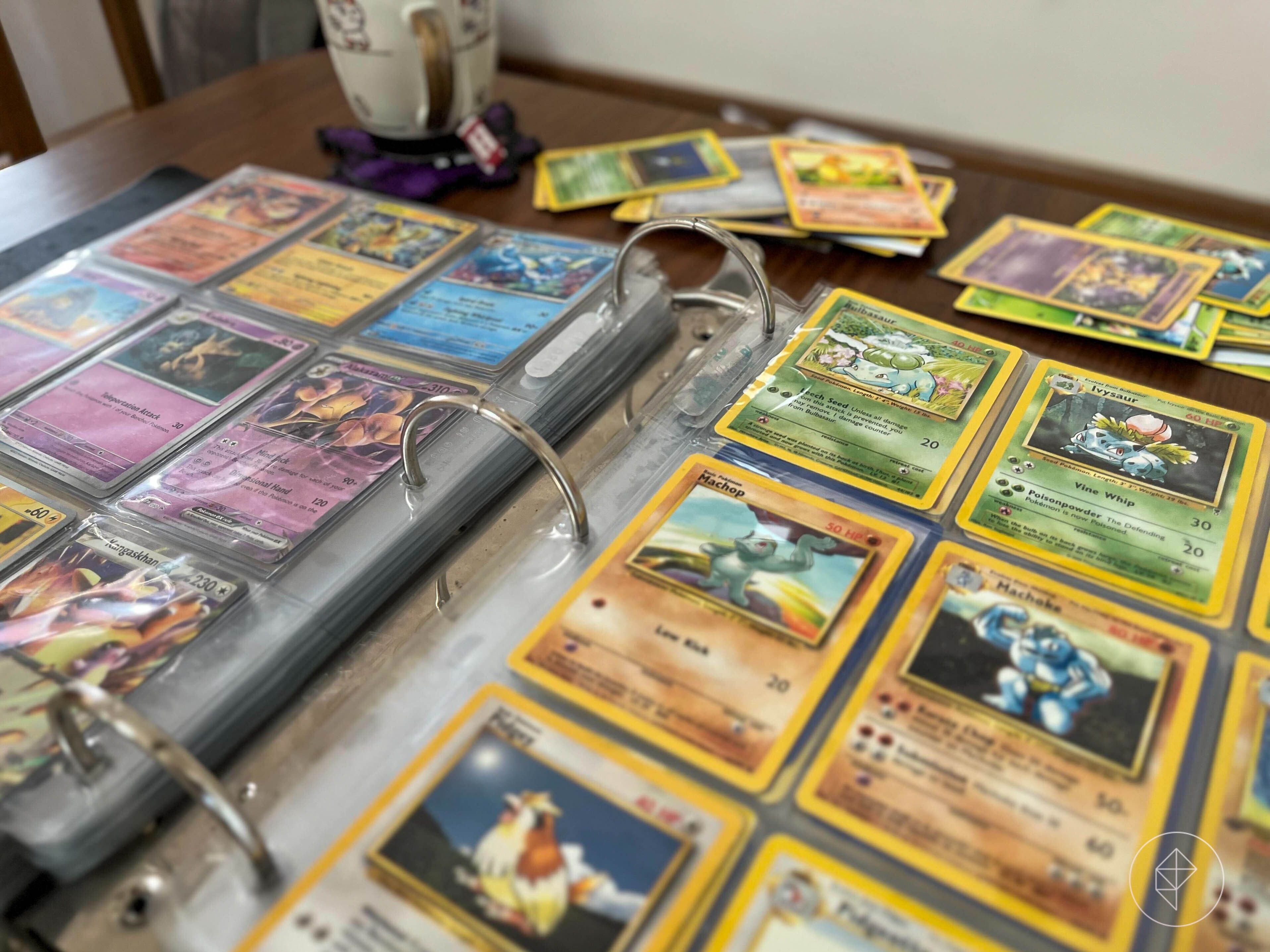
Target is no stranger to these tensions. Following a 2021 incident involving a firearm in a parking lot, the retail chain briefly pulled all trading cards from its shelves nationwide. Since then, stores have experimented with various security measures, from queue systems to keeping stock behind customer service counters.
While many collectors are cheering for this “scorched-earth” approach, others are skeptical. Detractors argue that destroying the “mint condition” appeal of sealed products simply devalues the hobby for legitimate collectors. Furthermore, skeptics point out that scalpers can easily pivot to reselling individual packs, potentially driving up the price of any remaining pristine, unopened boxes.
“I shared this video in a group for resellers, and they were livid,” one Reddit user commented, highlighting the disruptive effect the policy is having on the secondary market.
The broader struggle to manage Pokémon’s popularity continues globally. In Japan, The Pokémon Company is tightening security further, planning to require photo identification for purchases. Meanwhile, official events are seeing stricter bans on the trade of high-value graded cards to prevent commercialization.
As retailers attempt to balance profit with consumer experience, it remains clear that the battle between store policies and relentless market demand is far from over.
Source: Polygon
Related articles
 Sony Adds AI Upscaling to Marvel’s Wolverine and Ghost of Yōtei on PlayStation 5
 The Witcher 3 Remastered Receives Patch 5.00c with Classic Version Support and Graphic Updates
 Creators of Reigns: The Witcher Studio Closing After 13 Years
 Technology Improvements Made Adding Chain Physics Possible in The Witcher 3 Remaster
 Henry Cavill Becomes a Video Game Developer
 Escape from Tarkov Developers Update Hit Registration and Add Weapons to EFT Arena
 Valve Adds Six New Heroes to Deadlock in Major Update
 Nikita Buyanov Showed PvE Prestige Menu in Escape from Tarkov, Developers to Update PMC Bot Behavior and Gear