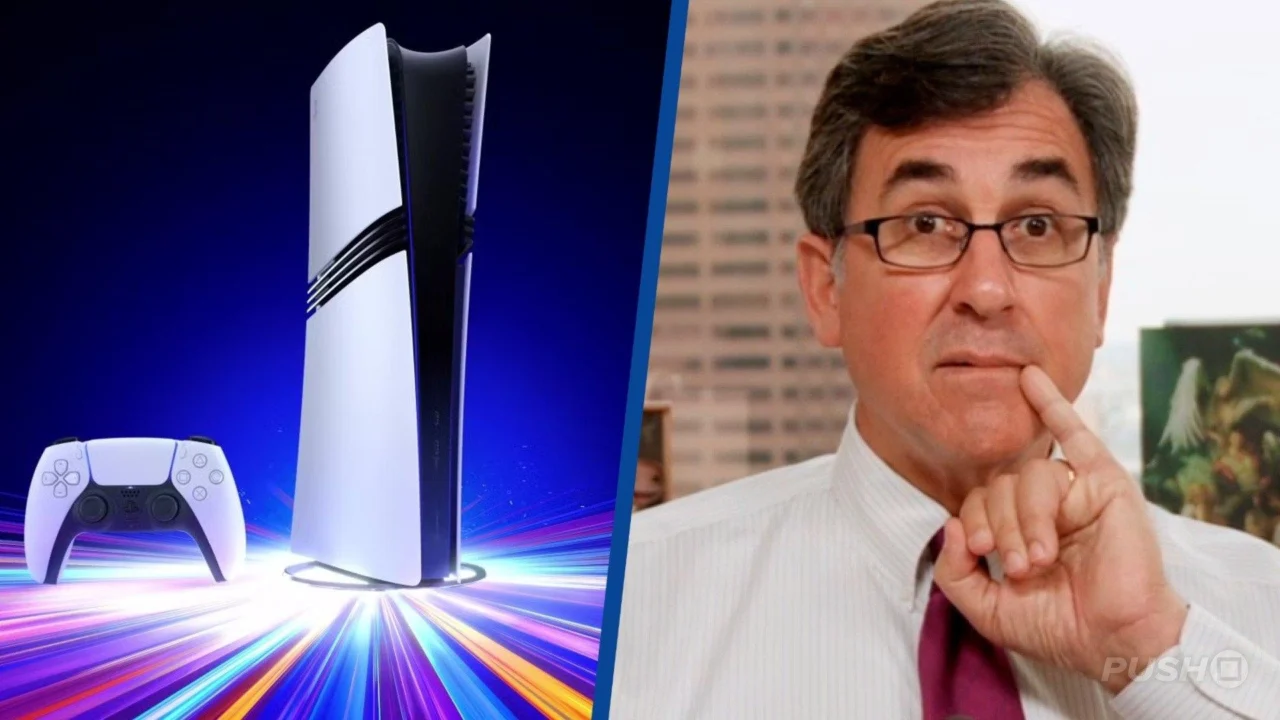
Sony — “a terrible company” that’s “failing the gaming business,” an analyst says
Not everyone accepts PlayStation’s dominance in the market. Several analysts have openly criticized Sony’s strategy, and Michael Pachter has reignited debate after telling Yahoo Finance that “Sony is a terrible company that is currently wasting its potential in the gaming industry.”
He argues that the corporation is making missteps and failing to keep pace with trends that will define the future. The analyst pointed out that gaming is shifting toward a “Connect to TV” approach — launching directly from televisions in the same way services like Netflix or Apple TV do now.
Pachter said:
“Sony? Definitely not Sony. They’re a terrible company that’s effectively tearing the games industry apart. Look, games are moving to internet-based TV. So think about all the providers who will deliver games the same way we get films on Netflix — and forget subscriptions. Imagine iOS appearing on your television.”
“So, free games on your TV. Who will supply them? Cloud providers, artificial intelligence, anyone who backs this idea — those are the players to watch.”
According to the analyst, Sony’s reliance on a mandatory PS5 rather than a bold push into cloud technology is a miscalculation. Although the company was among the first to launch PlayStation Now and currently offers the PlayStation Portal, Pachter believes Sony has yet to realize its cloud potential.
Source: iXBT.games
Related articles
 Players Can’t Believe the Graphics in New GTA VI Gameplay Teaser Are Real
 Russian MMO Shooter PIONER Is Shutting Down Due to Lack of Funds for Continued Support
 Crimson Desert Update 2.05.00 Improves Optimization and Gift Mechanics
 Video Games and More to Enjoy This Weekend – November 13, 2026
 Euro Truck Simulator 2 Sets New Steam Record 14 Years After Release Thanks to Bus Expansion
 Have Players Found a Way to Steal Codes From GTA VI Boxes? Buyers Worry About Their Copies
 Players Criticize Fable Gameplay, Compare It to Dragon Age: The Veilguard
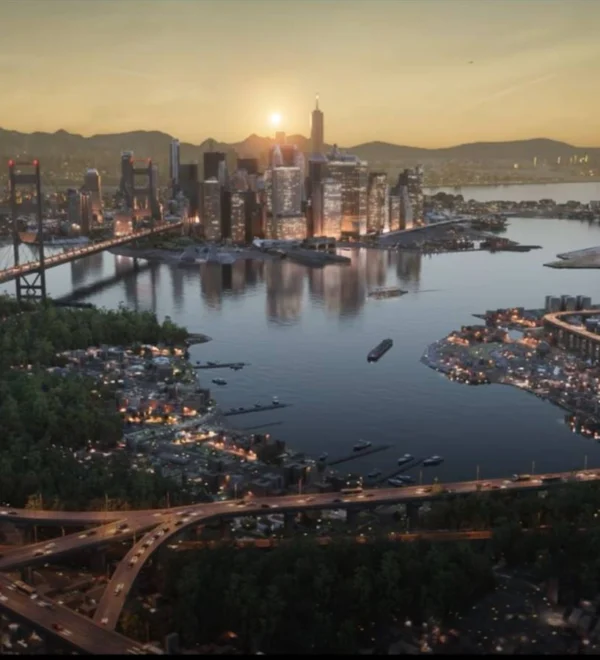 The Best Cities: Skylines Alternative Is Finally Here—and It’s Better Than Expected