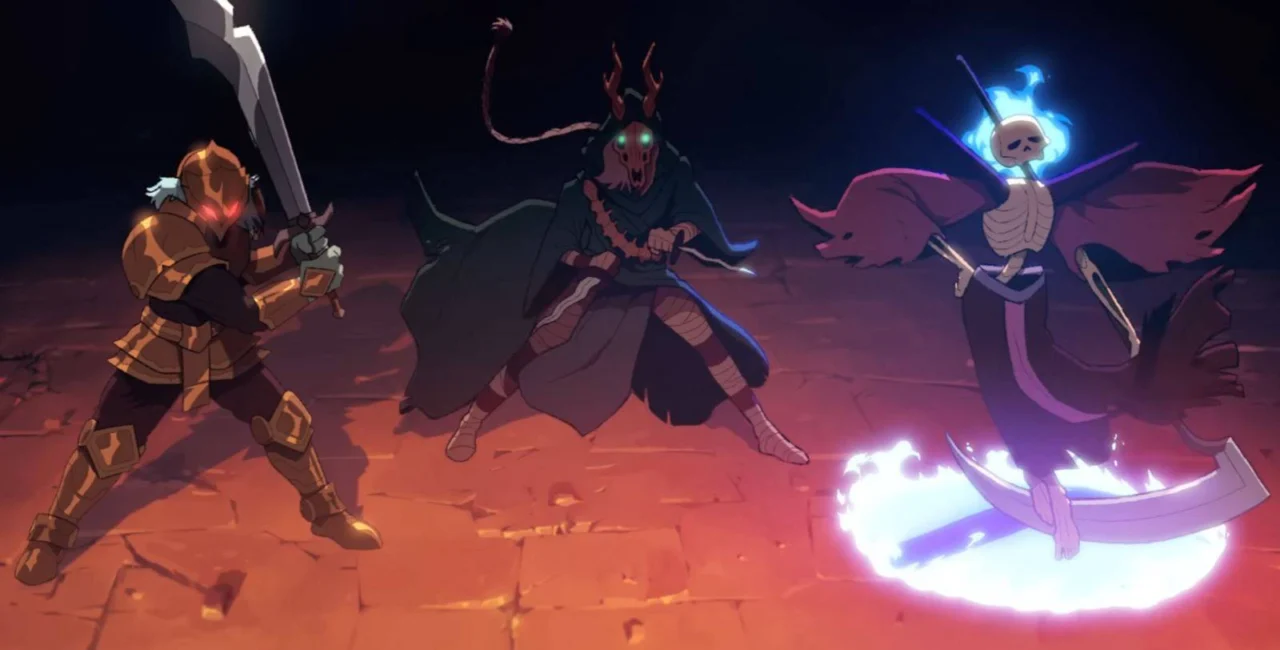
Slay the Spire 2 Developers Take a Radical Stance on Piracy
In a landscape where triple-A titles are increasingly fortified with restrictive digital rights management, the creators of Slay the Spire 2 are moving in the opposite direction. Mega Crit hasn’t just ignored the industry’s obsession with anti-piracy measures; they have effectively dismantled the gate entirely, and it all traces back to the studio’s choice of game engine.
To understand the gravity of this decision, one must look at the foundation of the game. For two years, the Seattle-based studio worked on the roguelike sequel using Unity, the ubiquitous engine behind hits like Hollow Knight. However, after Unity proposed a controversial policy to charge developers for every game installation, Mega Crit pivoted. Though Unity eventually rescinded the plan, the bridge was burned. Mega Crit shifted development to Godot, an increasingly popular alternative.
While Godot may lack the massive corporate footprint of Unreal Engine 5, it offers something those giants don’t: it is entirely open-source. By extension, Slay the Spire 2 has become a glass house. Anyone with the requisite technical skills can decompile the game to examine its “inner workings”—the actual source code that makes the game function.
This level of transparency is virtually unprecedented for a major contemporary release. Most of the time, a game’s source code is treated like a state secret, often remaining under lock and key for decades or, in many tragic cases involving retro titles, being lost to history entirely. For one of the most anticipated sequels of the decade to lay its blueprints bare on day one is a landmark moment for game preservation and development education.
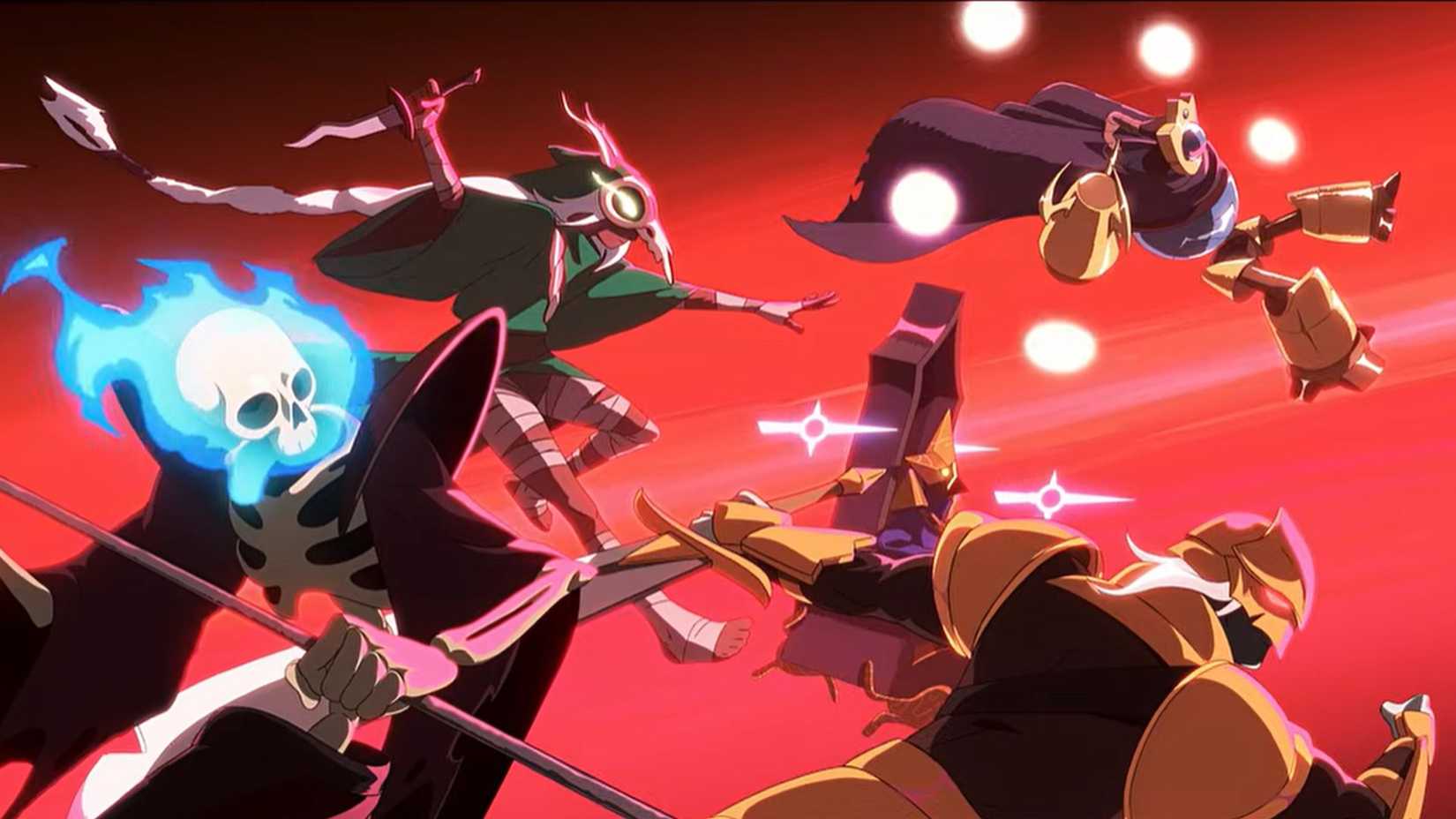
The unintended consequence of this Godot-driven DNA is that Slay the Spire 2 is exceptionally easy to distribute illicitly. Indeed, pirated versions of the Early Access title appeared on the web almost instantly. While most publishers would view this as a financial catastrophe, Mega Crit’s reaction has been one of total nonchalance.
When questioned on Reddit about whether the studio intended to protect its assets from theft, Mega Crit lead programmer Jake Card offered a refreshingly pragmatic take. “Honestly, we don’t really,” Card admitted, noting that those determined to pirate a game will always find a loophole. To him, spending valuable development hours building digital padlocks is a waste of resources.
In fact, Card seems to embrace the idea of people picking the game apart. In response to users pointing out how easily the code could be decompiled, he remarked that it would make him “extremely happy” if other aspiring developers could learn something by studying their code and scene structures.

Beyond the philosophical win for open-source software, the move to Godot provided practical advantages during production. Because they could access the engine’s base code, Mega Crit was able to build a custom “fork” of Godot tailored specifically to the game’s complex mechanical needs. Card noted that this prevented the “dead ends” often encountered in proprietary software like Unity, where developers are at the mercy of the engine creator to fix bugs.
Ultimately, while Slay the Spire 2 may be “easy” to pirate, the incentives to pay for it remain substantial. For the vast majority of fans, purchasing the game is a way to support a developer that respects its audience. Furthermore, the legitimate version includes multiplayer integration and progression systems that pirated copies simply cannot provide, ensuring that even in an open-source world, honesty remains the best policy.
Source: Polygon
Related articles
 Ken Kutaragi, Known as Father of PlayStation, Says Supporting Discs Indefinitely Isn’t Economically Viable
 No Rest for the Wicked Delayed to March 2027, Developers Promise Twice as Much Content
 Warhammer 40,000 Creators Show Holiday Miniature of Red Gobbo on a Squigmobile
 Steven Soderbergh Steps In to Finish Principal Photography on “The Batman Part II” as Matt Reeves Steps Away
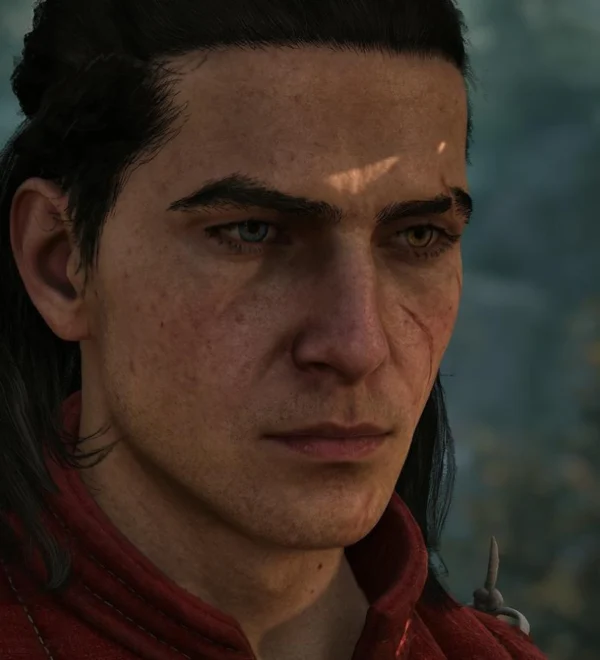 The Blood of Dawnwalker Patch 1.1 to Remove Regional Censorship and Add New Features
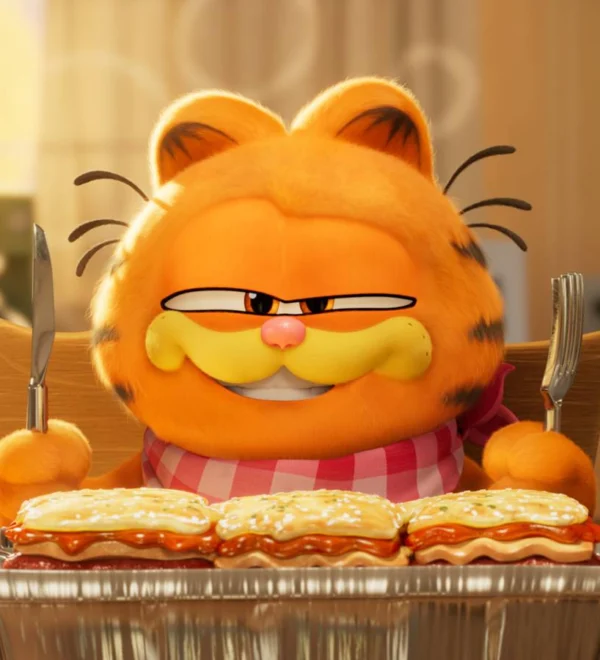 Garfield Comic Strip From 1989 Shifted to Psychological Horror With Its “Garfield Alone” Storyline
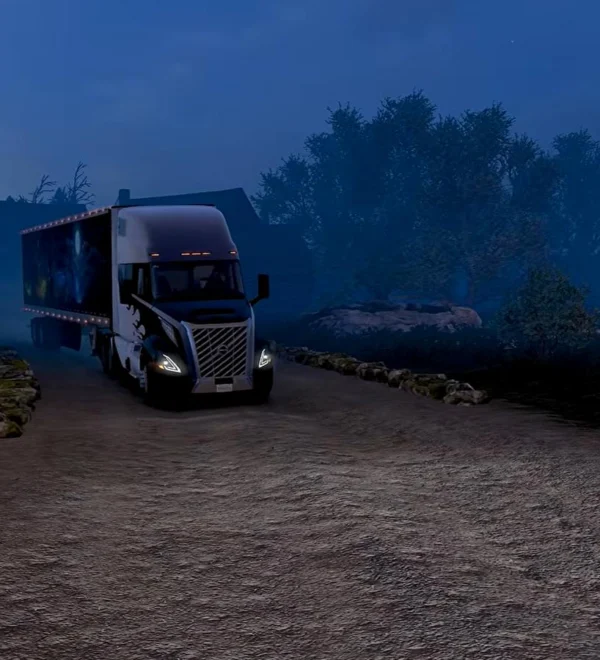 Euro Truck Simulator 2 and American Truck Simulator Launch Halloween Event Return to Brackenreach With New Rewards
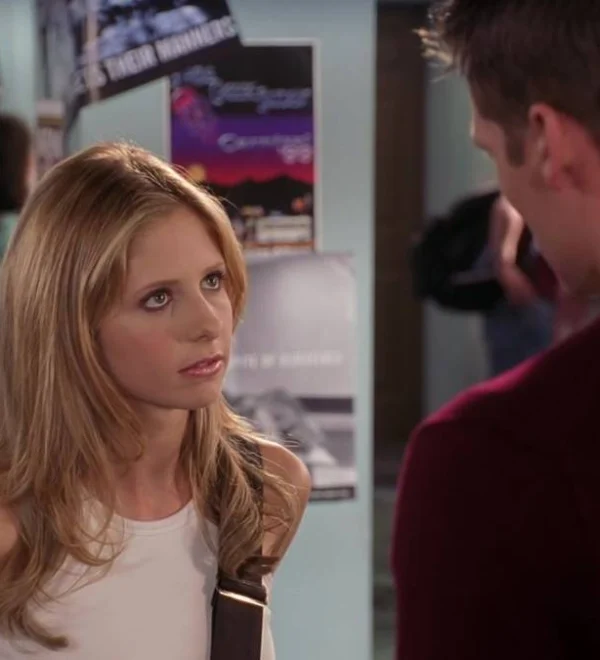 Buffy the Vampire Slayer Launched Its Most Controversial Couple 26 Years Ago