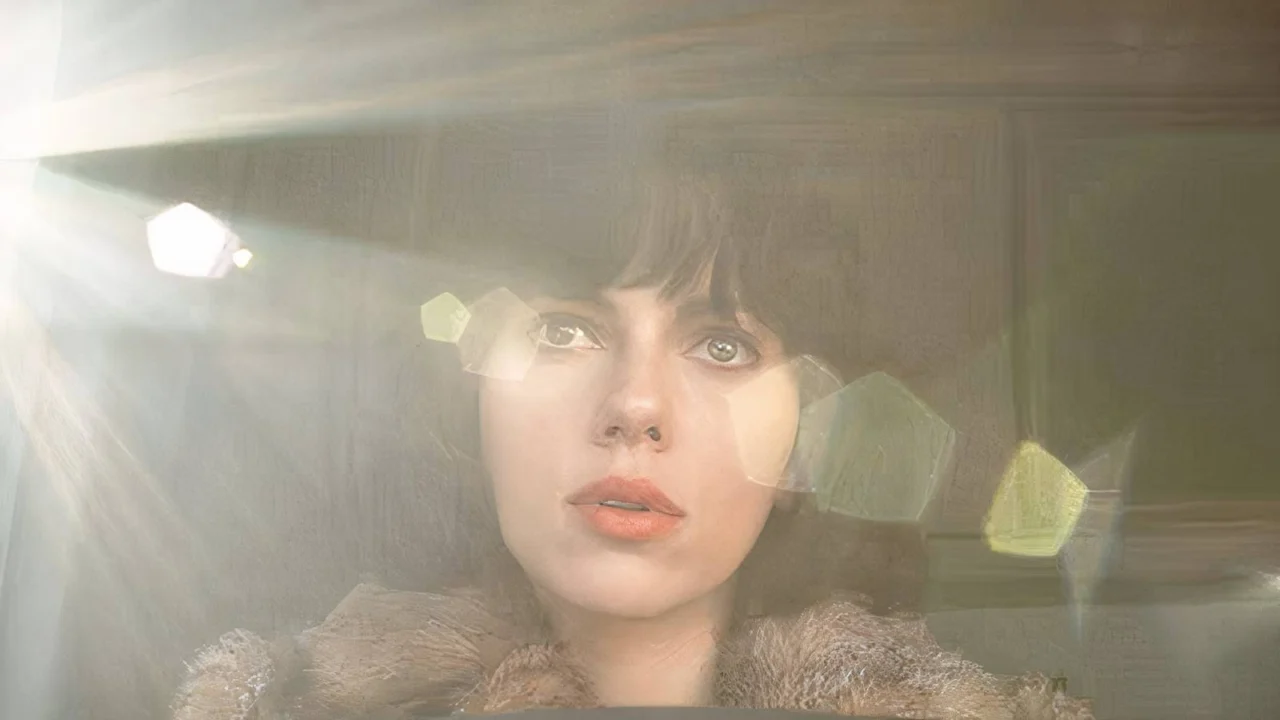
Scarlett Johansson Sci-Fi Movie Under the Skin Leaving Netflix
Scarlett Johansson has spent years playing some of sci-fi’s most recognizable women. Luc Besson transformed her into something approaching a god in 2014’s Lucy, and the live-action Ghost in the Shell gave her a fully cybernetically enhanced body to play around with in a near-future Newport City. There is also Black Widow, the former assassin who became one of the Marvel Cinematic Universe’s most dependable heroes across nine films, from Iron Man 2 to Black Widow. Johansson has built a career playing characters who straddle the line between human and something otherworldly, but audiences have never seen her quite like this.
Jonathan Glazer’s Under the Skin is a different kind of sci-fi movie, one that trades gun-fu action and elaborate world-building for something far more disturbing. The film stars Johansson as an unnamed extraterrestrial who takes the form of a woman and prowls the streets of Scotland picking up unsuspecting men in her van, before luring them toward a fate they could not possibly imagine. If that sounds like the setup for a conventional alien invasion thriller, Glazer has something much stranger in mind. The movie is a hypnotic nightmare that strips sci-fi down to pure sensory horror, and it leaves Netflix on October 31, making Halloween the ideal time to experience one of Johansson’s most haunting performances.
The horror of being human
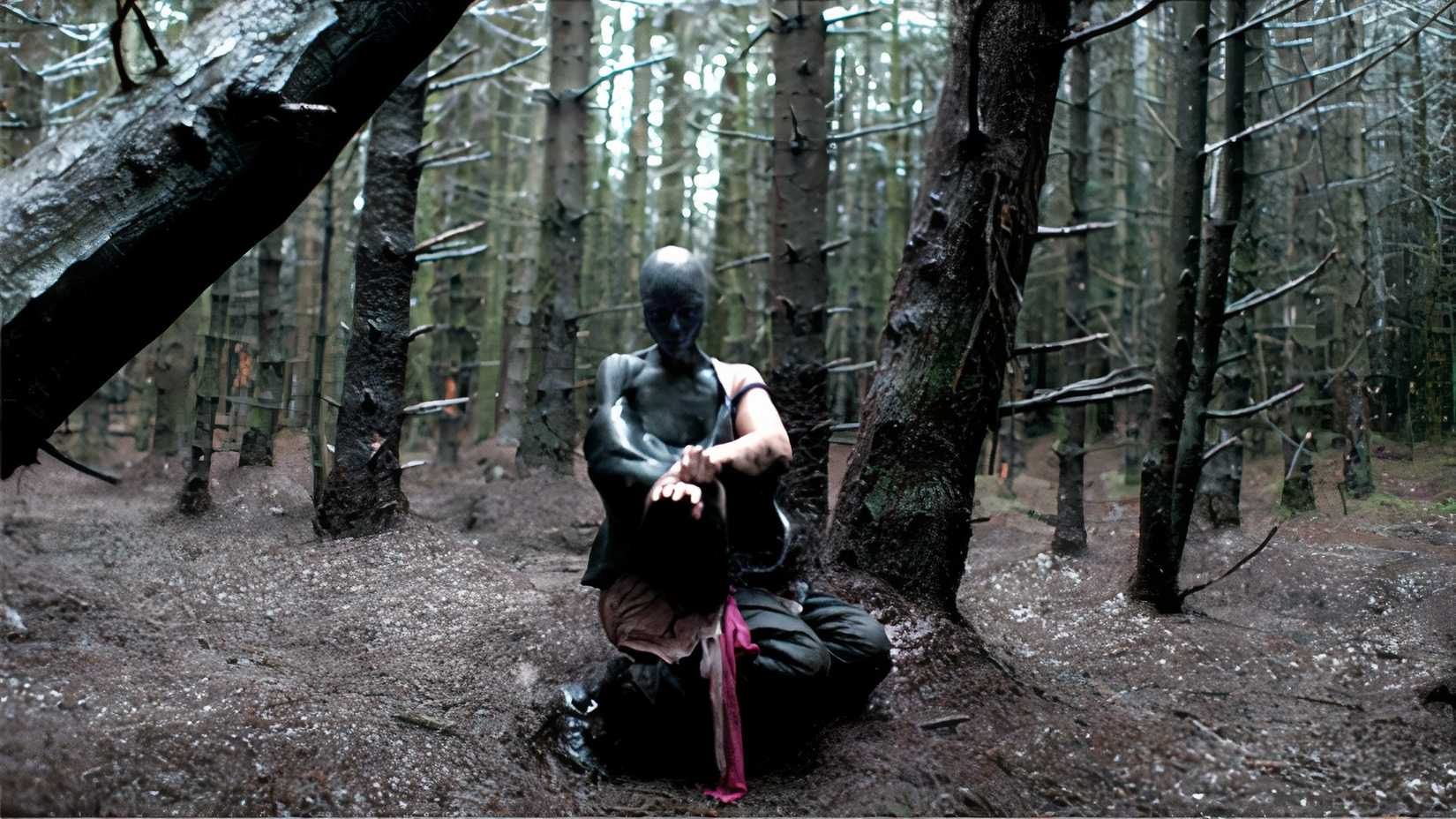
The terror of Under the Skin lies in its refusal to explain anything. Early on, the Female encounters a swimmer on a beach while a family struggles against the waves. A dog is swept out to sea, and the parents rush into the water to save it. The swimmer manages to help the father but collapses from exhaustion. Rather than offer assistance, the Female approaches the incapacitated man, drags him away, and leaves the family to its fate. There is no triumphant musical cue or dramatic declaration of evil. She simply carries on with her work, utterly indifferent to the suffering happening around her.
It is a horrifying sequence, but it also establishes the film’s central tension. Viewers understand the tragedy unfolding because they are human, while the Female does not. Glazer shoots the scene with a cold, observational distance that makes it feel more like a nature documentary focusing on a predator that happens to look just like an ordinary person. Johansson barely needs to say a word to get the terror across. Her blank expressions and detached air tell the audience everything about the gulf between her and the innocent bystanders she encounters.
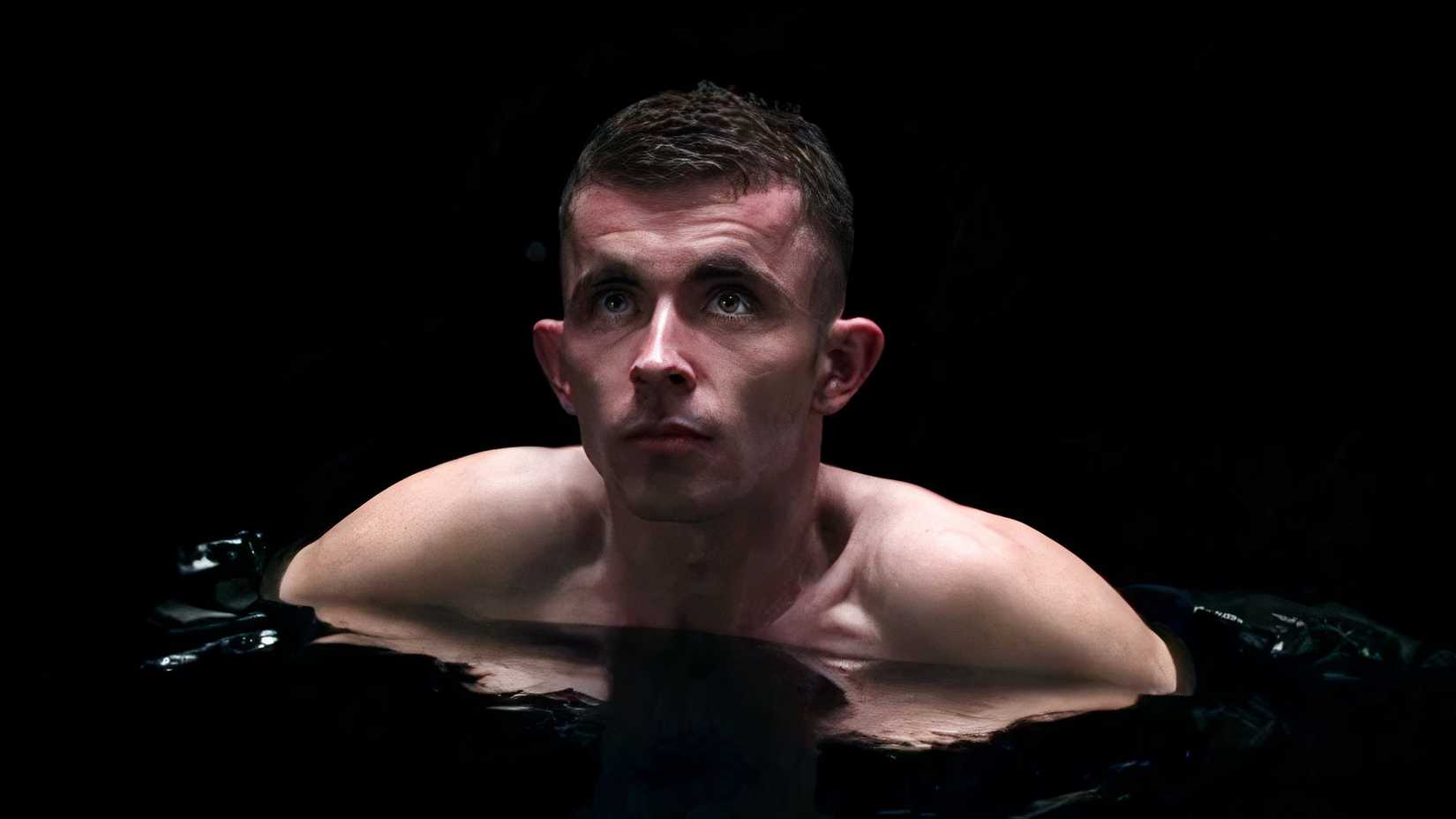
In one of the film’s most memorable images, Johansson’s character walks ahead of a man who follows her into a black liquid landscape. As she undresses, and he follows suit, he begins sinking into the darkness with every step. The men often believe they are participating in a sexual encounter, but the reality is much more grotesque. Coupled with Mica Levi’s extraordinary score, such scenes transform a predatory hook into a sensory experience. There is no comforting explanation for what is happening, and no scientific lecture makes the imagery easier to understand. Viewers are left to watch, much like Johansson’s character watches humanity, trying to make sense of something that refuses to explain itself. Glazer makes use of these environments, channeling the minimalist spirit of European art-house cinema by prioritizing moody visual poetry over narrative hand-holding.
With help from cinematographer Daniel Landin, Glazer placed Johansson in real-world Scottish settings using hidden micro-cameras that captured unscripted reactions from non-actors who had no idea they were sharing a van with a Hollywood star. Dubbed “One-Cams,” these tiny digital sensors were hidden directly into the dashboard, streetlights, and public furniture, allowing Glazer to run a covert sociological experiment through the streets of Glasgow. Johansson drove through actual traffic, picking up random men and improvising conversations while Glazer directed her via a hidden earpiece from a trailing surveillance vehicle. That camera lens followed her out into the bleak Scottish Highlands, blending raw guerrilla documentary footage with the alien detachment of a high-art nightmare.
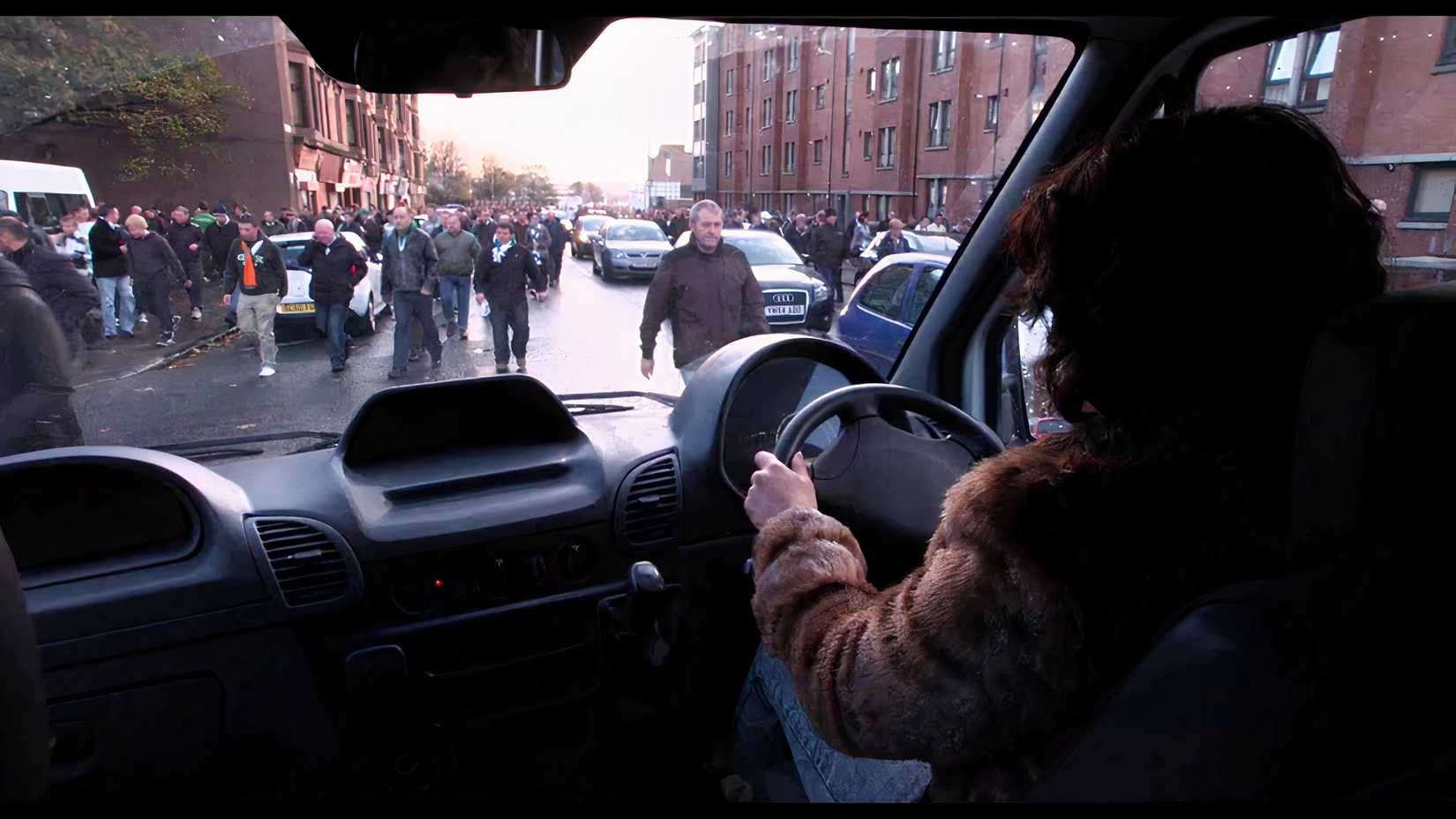
Under the Skin involves extensive improvisation. A prime example is the scene where Johansson trips into the middle of a busy Glasgow shopping district. Having no clue who she was or what was being filmed, random passersby all rallied to help her back onto her feet. For the scene to make it into the finished movie, production assistants had to track down those citizens to get them to sign release forms. The same rule applied to the men picked up in the van, who were only handed a consent form after entering the vehicle. This approach makes the film feel organic.
Under the Skin explores what it means to be human. Rather than imagining what happens when humanity encounters something more powerful than itself, Glazer asks what it might look like to experience humanity as an outsider. The result is an eerie and uncomfortable film that gradually shifts from an alien’s hunting expedition into an alien’s fraught understanding of human vulnerability. It is not an easy watch, but for anyone looking for something genuinely unsettling for Halloween, Under the Skin hits that nerve with chilling efficiency.
Source: Polygon
Related articles
 Xbox Console Sales Revenue Drops 14 Percent Amid Declines for Game Pass and Third-Party Games
 Modern Warfare 4 Season 1 to Introduce Secret X01 Weapon Complex to DMZ
 Phantom Blade Zero: The Best Graphics and Performance Settings on PlayStation 5
 Phantom Blade Zero: Longtime Sonic and Ezio Voice Actor Roger Craig Smith to Voice Protagonist Soul
 BioWare Co-Founder Calls EA Acquisition Studio’s Final Nail in the Coffin
 Super Battle Golf sets March 25, 2027 console launch with cross-play
 Ridley Scotts Gladiator 2 Becomes a Netflix Streaming Success
 The Must-Play Board Games from 2026’s Biggest Board Game Fair