Review of The Ninth Jedi Sci-Fi Series
It is a dark time for Star Wars. The Mandalorian and Grogu was a box office flop, earning less than the low-budget horror films Obsession and Backrooms. That failure puts the cinematic future of the franchise in jeopardy. Ahsoka season 2 was postponed until 2027, and The Acolyte was canceled. Yet there is a new hope. The Ninth Jedi, an anime first developed by Production I.G. for the Star Wars: Visions anthology series, is the exact refresh Lucasfilm needed. The stylish and heartfelt series remixes the most iconic elements of Star Wars to create something vital after decades of iterating on the Skywalker Saga.
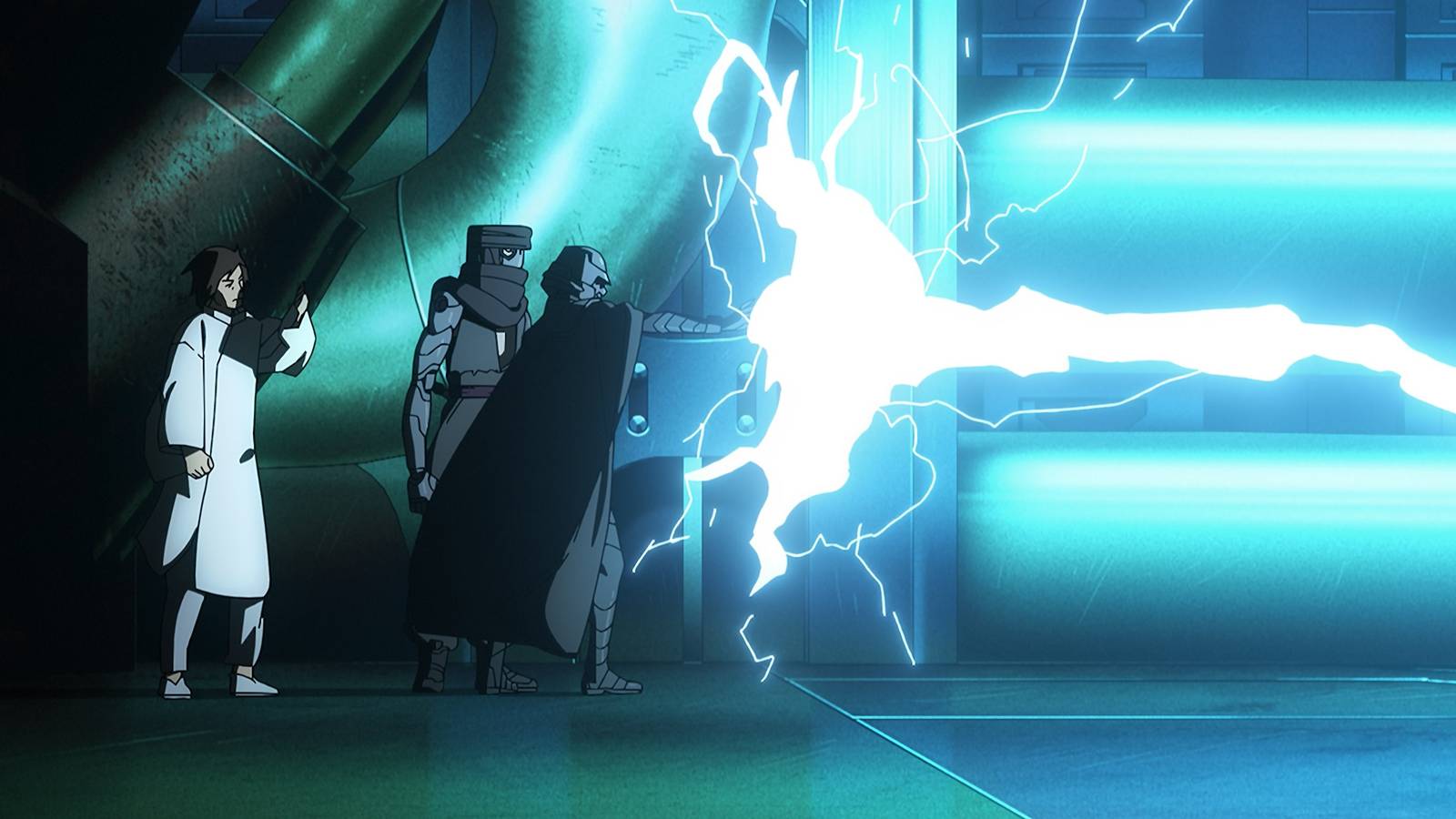
The Ninth Jedi is set in a future where both the Jedi and Sith are in decline. The Jedi master Margrave Juro, voiced by Andrew Kishino in the English dub, hopes to rebuild the Jedi Order to take on the powerful warlord Nawaam, voiced by Young Mazino. That plan involves the work of the sabersmith Lah Zhima, played by Shang-Chi star Simu Liu. Zhima is one of the only people who knows the secret of building this elegant weapon for a more civilized age. Nawaam has captured Zhima and hopes to construct a kyber crystal cannon powerful enough to bring the entire galaxy under his control.
Setting the story in the far future disentangles The Ninth Jedi from established lore while reinforcing the endless cosmic struggle between light and dark. Nawaam aims to break that cycle through conquest. He acts as a twisted zen master seeking to embrace nothingness through his riff on the Death Star, which is reimagined as a black hole ripping through the fabric of space. Even a failed test has devastating consequences, leaving a planet scarred and burning.
Writer Mitsuyasu Sakai, supervising director Kenji Kamiyama, and series director Shunsuke Tada embrace the best parts of Star Wars and learn from past mistakes. They realize the potential of Kylo Ren, borrowing his character design and some of his motivations while using eight episodes to tell a singular story. Like Darth Vader, Nawaam raises the tension level just by walking into a scene. His prowess is established early when he addresses his army and demonstrates that he will take any challenger foolish enough to face him. The show reinforces his terrifying nature, creating a feeling of deadly inevitability as he shatters lights with every step through the Jedi vessel he infiltrates.
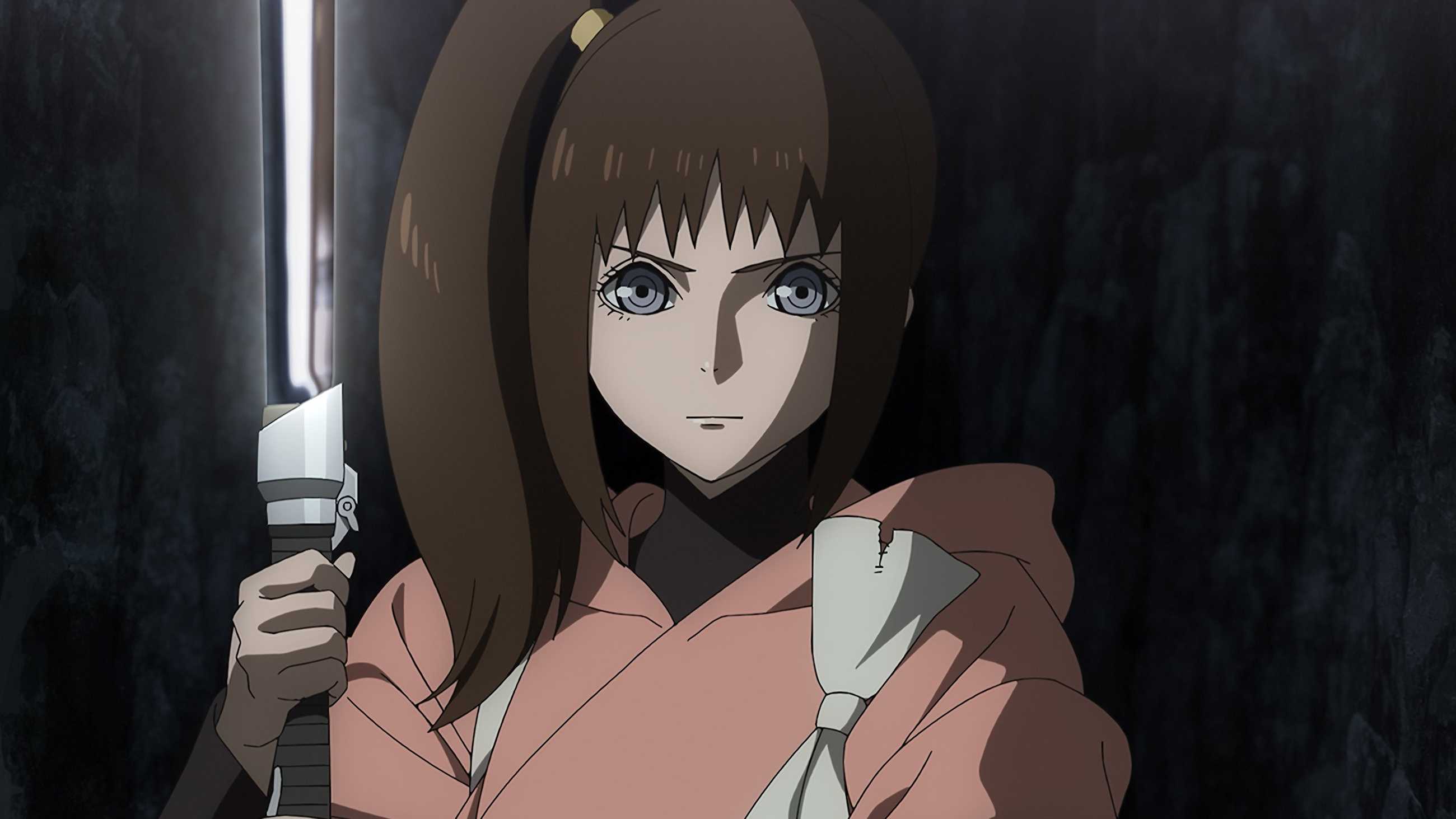
The idea that Star Wars is made for kids often dismisses criticism of its failings, but The Ninth Jedi reminds viewers that young protagonists do not require juvenile storytelling. Zhima’s daughter Lah Kara, voiced by Kimiko Glenn of Spider-Man: Into the Spider-Verse and Hazbin Hotel, stands somewhere between Ahsoka Tano and Luke Skywalker. She is a prodigy in the Force who remains fiercely devoted to the mission of the Jedi even as she learns dark truths and experiences terrible loss. The show harks back to the Ewoks by removing the goofiest elements of Return of the Jedi while using adorable aliens to demonstrate Kara’s strength and the stakes of her struggle.
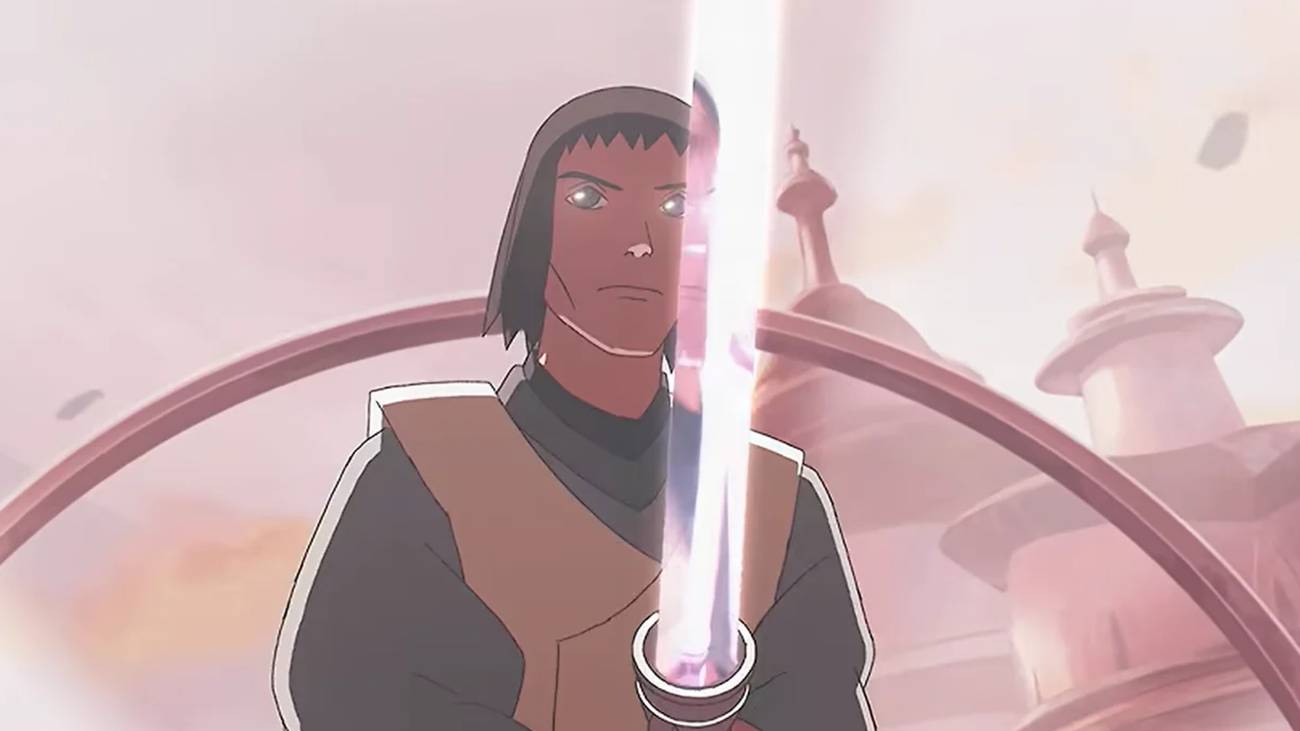
Not all characters are well realized. Homen, played by Patrick Seitz, is one of the aspiring Jedi who showed up to receive a lightsaber from Zhima in the The Ninth Jedi short, but he has nothing to do in the new series. That omission is a shame because he is one of the only main characters who is truly alien. Rather than using classic Star Wars species, the creators introduce characters who look like dwarves and elves without much personality beyond traits found in a Lord of the Rings story.
Those are minor shortcomings. The Ninth Jedi embodies the marriage of pathos and action found in the best Star Wars stories. Giant space battles take place alongside daring escapes and acrobatic lightsaber duels between warriors with unfinished business. These elements stack to create a layered story rather than pulling the narrative in too many directions. The action is spectacular, but the creators recognize that less is sometimes more. A singular destroyer droid proves a terrible threat because the Jedi must figure out its weaknesses on the fly. The spectacle and big emotions of anime prove to be a perfect match for the space opera George Lucas created by borrowing from the films of Akira Kurosawa.
This is not the first time animation helped get Star Wars through a dark era. Before taking over Lucasfilm, Dave Filoni worked to redeem the prequel trilogy with The Clone Wars, which filled in blanks to add depth and nuance to Anakin Skywalker and Obi-Wan Kenobi. The Ninth Jedi joins Matt Michnovetz’s stylish noir Maul – Shadow Lord, which premiered in April, in charting a bold new path for the franchise while live-action projects falter. Just as the heroes of The Ninth Jedi dream of restoring the Jedi Order, the show proves that Star Wars can still have a bright future with fresh creative voices.
The Ninth Jedi is now streaming on Disney Plus.
Source: Polygon
Related articles
 ‘Turkish GTA’ Creator Shares Gameplay as Activists Claim Game Threatens State Order
 FromSoftware Significantly Improves Switch 2 Version of Elden Ring Ahead of Release
 Sekiro: Undefeated Anime Creators Showcase Divine Child of Rejuvenation in Character Trailer
 Dragon Hunters Board Game to Receive Dark Element Expansion With Necromancer and New Modes
 Disney Animation Head Says Kingdom Hearts Movie Is ‘Not Impossible’
 Dave Filoni Dashes Fan Hopes for Ben Solo’s Return
 John Carpenter Gives Fans Hope for The Thing Sequel After 44 Years
 Paramount+ Begins Search for Writers for Next Era of Star Trek