
Reflecting on Critical Role’s Most Iconic and Heartbreaking Quote a Decade Later
Adapting Critical Role’s actual play Dungeons & Dragons campaigns meant changes were inevitable. The series spans over 100 episodes, with each running between two and four hours. Turning the first campaign into an animated series required altering or cutting several moments from the original story.
However, the changes for The Legend of Vox Machina started from the beginning. This caused a ripple effect that ultimately led to one particularly heartbreaking quote from Campaign 1: Vox Machina hitting very differently within the constraints of its animated adaptation.
The Critical Role quote that changed everything
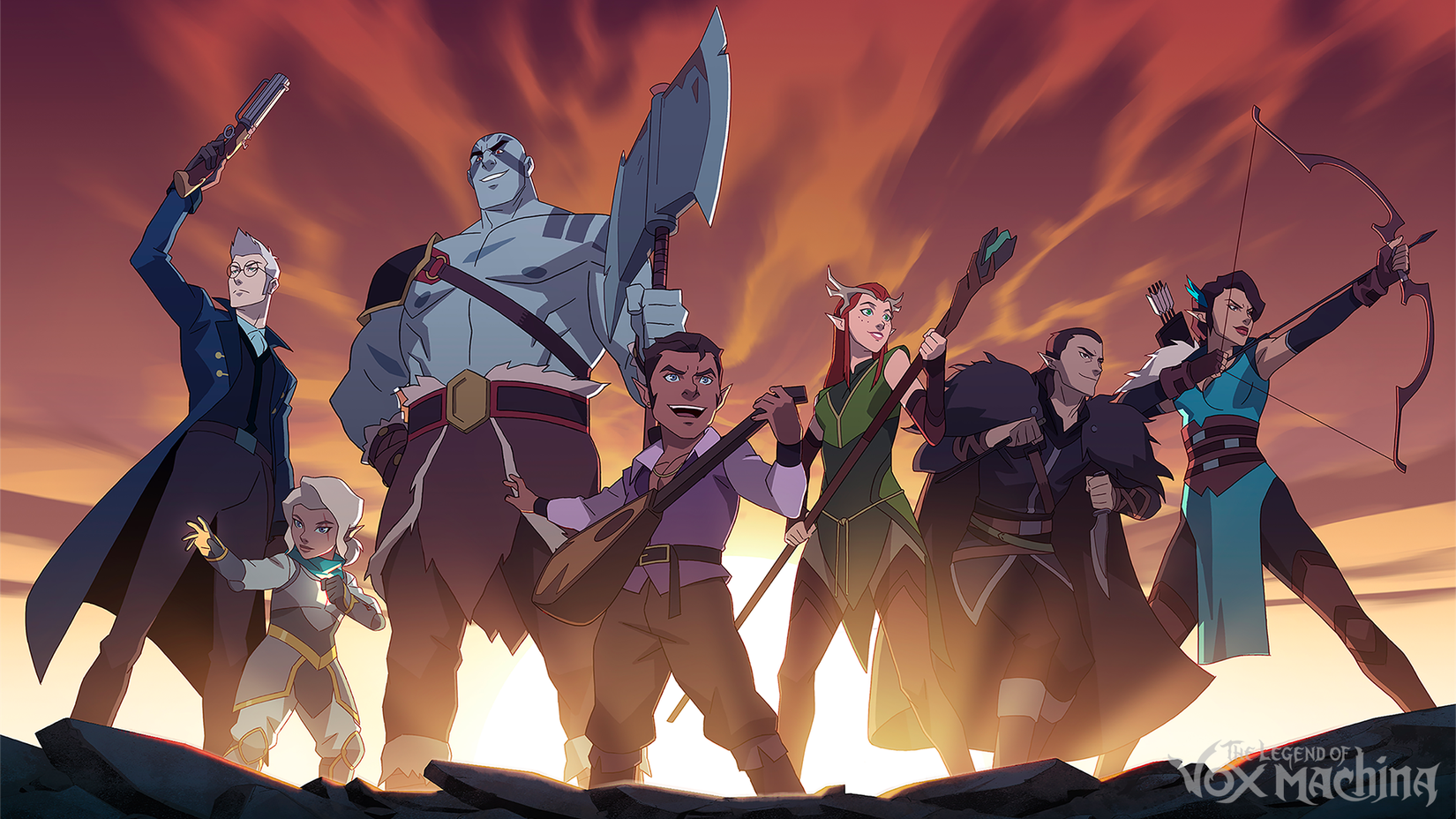
Throughout Campaign 1: Vox Machina and The Legend of Vox Machina, the gnome bard Scanlan Shorthalt, played by Sam Riegel, was a reliable source of comedic relief. He often caused trouble alongside the other members of Vox Machina by pranking others or playing into the Don Lothario archetype. As the campaign progressed, viewers learned there was more to Scanlan beneath the surface, especially after the introduction of his estranged daughter, Kaylie. He remained a jokester, but he now had a solid reason to change his ways and become a better man.
In episode 85, titled “A Bard’s Lament,” fans saw how strong that desire was when Scanlan asked a question that stopped the party in their tracks: “What’s my mother’s name?”
Coming shortly after Scanlan’s resurrection following the defeat of the Chroma Conclave, Riegel’s single question became one of the most jaw-dropping moments in Campaign 1: Vox Machina. Despite telling the party he wanted to connect with his daughter, Vox Machina defiled Scanlan’s comatose body by covering his room in pudding, dressing him in Pike Trickfoot’s nightgown, and making him look foolish in front of her. If the party had done this during the early stages of Campaign 1, Scanlan likely would have laughed it off. Yet, given everything Scanlan had been through, the gnome bard turned the tables on his companions and accused them of caring about him only for what he could do for them in return.
Scanlan listed all the times the party sacrificed for one another, such as battling giants for Grog Strongjaw or going to the Hells for Pike, while noting they never did the same for him. When some party members began to protest, Scanlan’s question and subsequent demand that they tell him his mother’s name, which is Juniper, left the party in absolute silence. After all Vox Machina had been through, Scanlan used his mother’s name and the party’s ignorance of it as proof that they did not truly know or respect him.
This quote marked the first time in Campaign 1 that Riegel raised his voice in anger at Vox Machina. Riegel often played Scanlan as exasperated, but here he revealed a man realizing his choices made his relationships feel transactional and skin-deep. It made complete sense that Scanlan chose to leave and work on his relationship with Kaylie.
How the “What’s my mother’s name?” changes in The Legend of Vox Machina

The “What’s my mother’s name?” quote in The Legend of Vox Machina differs markedly from the actual play. For one thing, viewers spend much more time with Scanlan as he grapples with his strained relationship with Kaylie. Furthermore, Pike Trickfoot, played by Ashley Johnson, appears far more often in the animated series than in the actual play, giving Scanlan someone in his corner much more frequently. The animation also gives Scanlan less time for pranks and jokes, focusing more on his heroics rather than portraying him purely as comic relief.
Most importantly, the quote occurs under different circumstances. In The Legend of Vox Machina, the scene happens after Scanlan learns that Vox Machina visited him during his musical tour with Kaylie. Scanlan thinks the party came to visit him after being apart for so long, but they actually arrived to obtain the magical item Mythcarver. While still hurtful, that situation differs from being thrown at the party after they humiliated him in front of his daughter.
Consequently, Scanlan’s quote is not as shocking in the adaptation as it is in the tabletop campaign. It still shames Vox Machina when they realize they do not know the answer, but the surrounding circumstances lack the dire edge of the actual play.
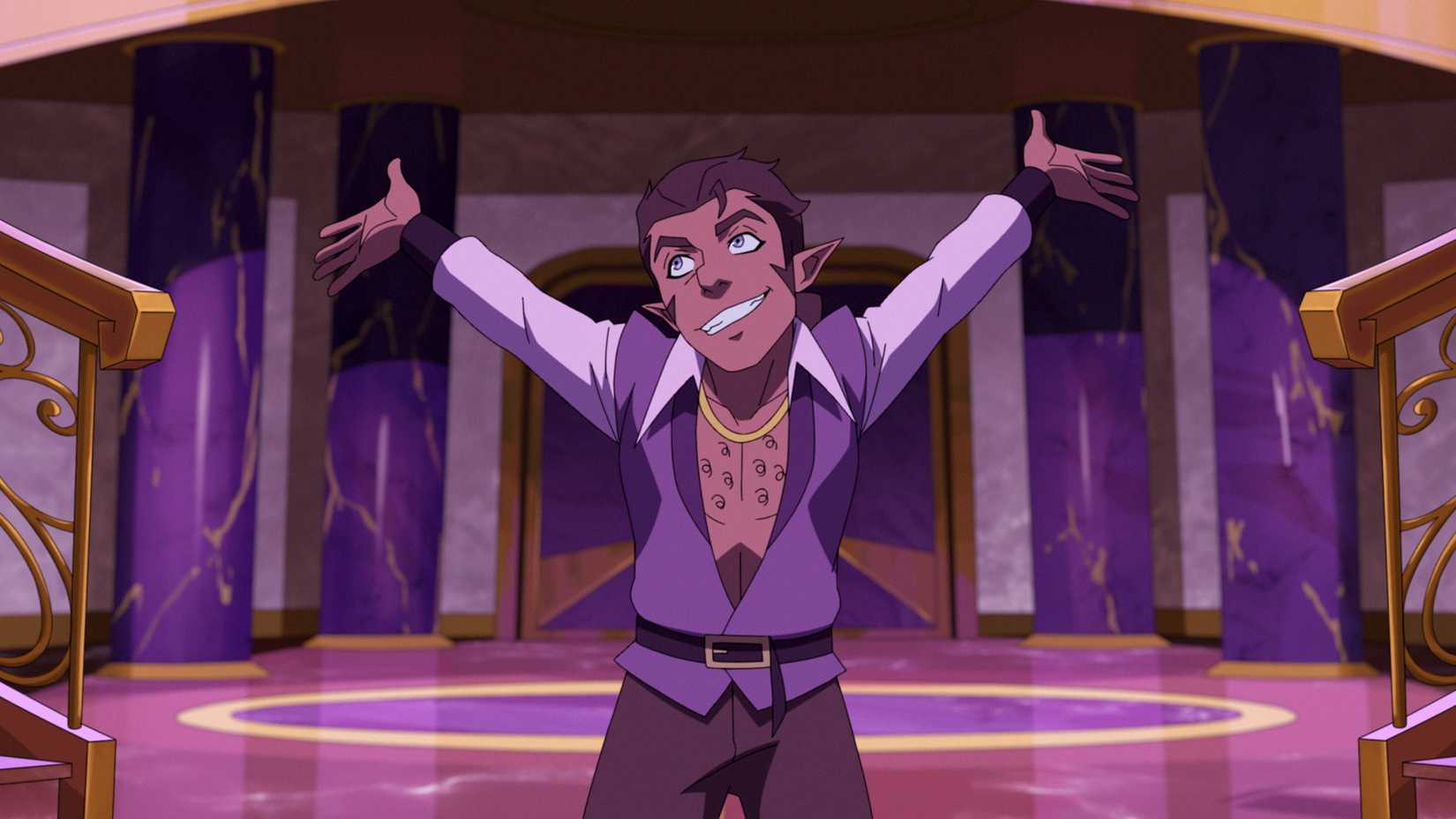
This shift from actual play to animation is not inherently bad. The change stems from Critical Role condensing hundreds of hours into 12-episode seasons. It also reflects hindsight from the co-founders regarding their characters’ endgames in Campaign 1 and how to introduce them to an audience unfamiliar with hundreds of hours of tabletop gameplay. Viewers knowing nothing about Critical Role’s history as friends, or how chaotic tabletop role-playing campaigns can get, might struggle to accept Vox Machina’s heroes torturing one of their own during a moment of vulnerability.
Critical Role made a bold shift in presenting Scanlan’s powerful quote, and every fan has a preferred version. Ultimately, both the tabletop and animated versions work well to deliver the narrative beats required at the time.
Source: Polygon
Related articles
 New Crazy Taxi: World Tour Trailer Showcases Brazil
 Ubisoft Promotes Diversity, Equity, and Inclusion Director to Head of AI Implementation
 US Xbox Sales Hit Historic Low Amid Record Prices While PlayStation Sees Weakest Result Since 2013
 PlayStation Store Launches Players’ Choice Sale With Discounts Up to 85 Percent
 SEGA Casts Charlie Cox in New Game Despite Initial Preference for American Actor
 Unused Ending Detail Revealed for The Last of Us Part II
 Unboxing Video Released for Unofficial Resident Evil Requiem Leon S. Kennedy Figure Set by Por.Toys
 Five Calvin and Hobbes Comic Strips About Hating School