
Prime Video Canceling the Stargate Reboot Saves a Cult Classic from Potential Disaster
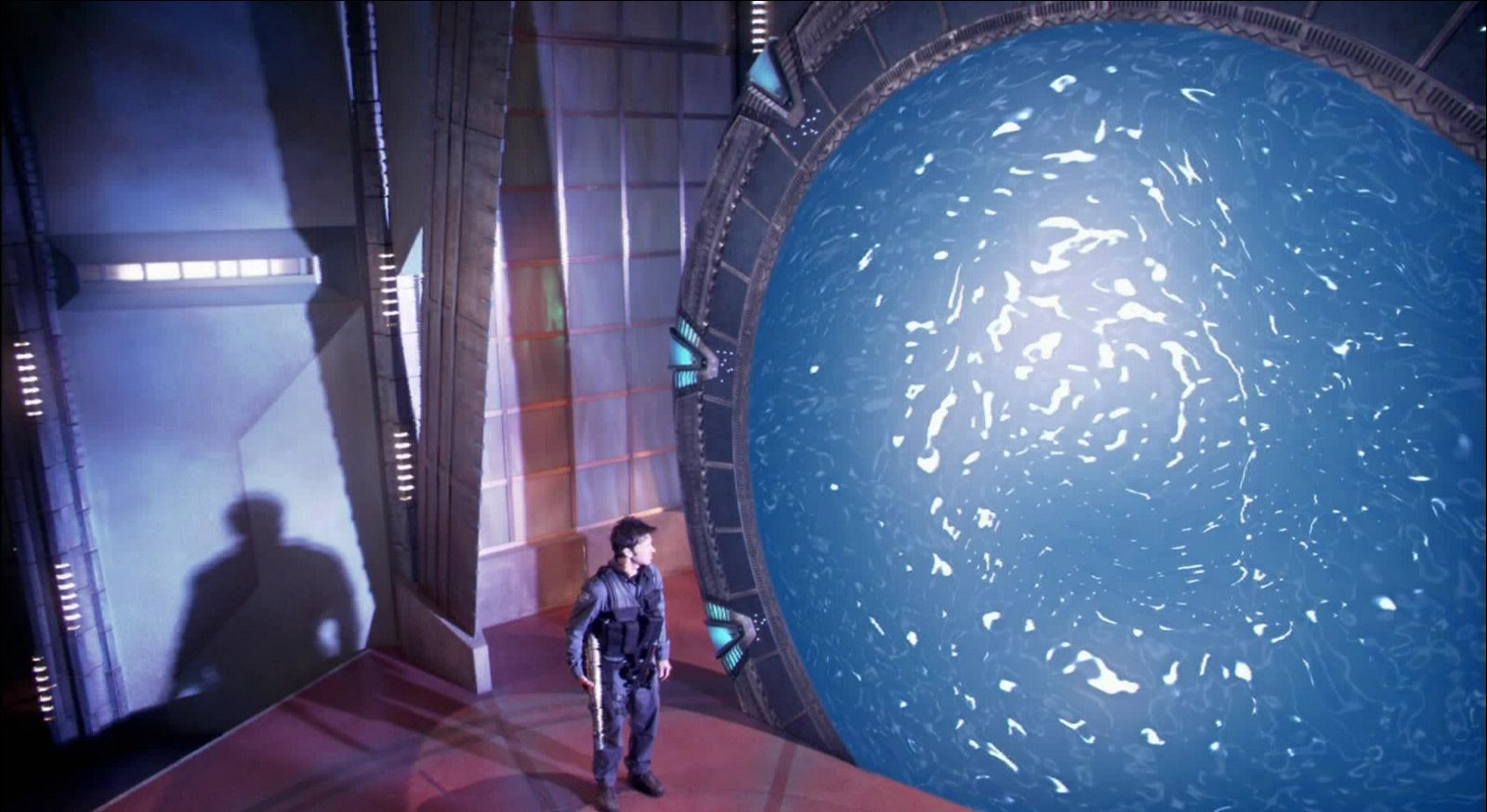
When Martin Gero announced last November that he would helm a new Stargate series for Prime Video, he emphasized a commitment to the franchise’s most devoted followers. During a collaborative announcement alongside prominent fan community leaders, Gero clarified that the project would be a continuation of established lore—spanning three films and three live-action series—rather than a clean-slate reboot. However, according to reports from Variety, Amazon executives ultimately abandoned the project, fearing that Gero’s vision was too tethered to existing canon to attract a broader, mainstream audience.
While this development may feel like a setback, it could be a strategic win for the long-term health of the Stargate brand. Gero, whose creative pedigree includes Stargate: SG-1, Stargate: Atlantis, and Stargate Universe, remains under the Amazon umbrella to develop other projects. Hopefully, this pivot signals the studio’s intent to pursue a true, accessible reboot rather than another dense legacy sequel.
Specific plot details for the canceled series were never disclosed, but one can easily imagine a narrative centered on the progeny of iconic figures like Jack O’Neill and Samantha Carter. Such a story would likely feature a protagonist burdened by the weight of their parents’ legacies, bolstered by cameos, and tasked with navigating a world populated by familiar characters like Rya’c and a new generation of wide-eyed scientists. It would have undoubtedly been packed with deep-cut Easter eggs and threats meant to eclipse the Goa’uld, but would it have stood on its own?
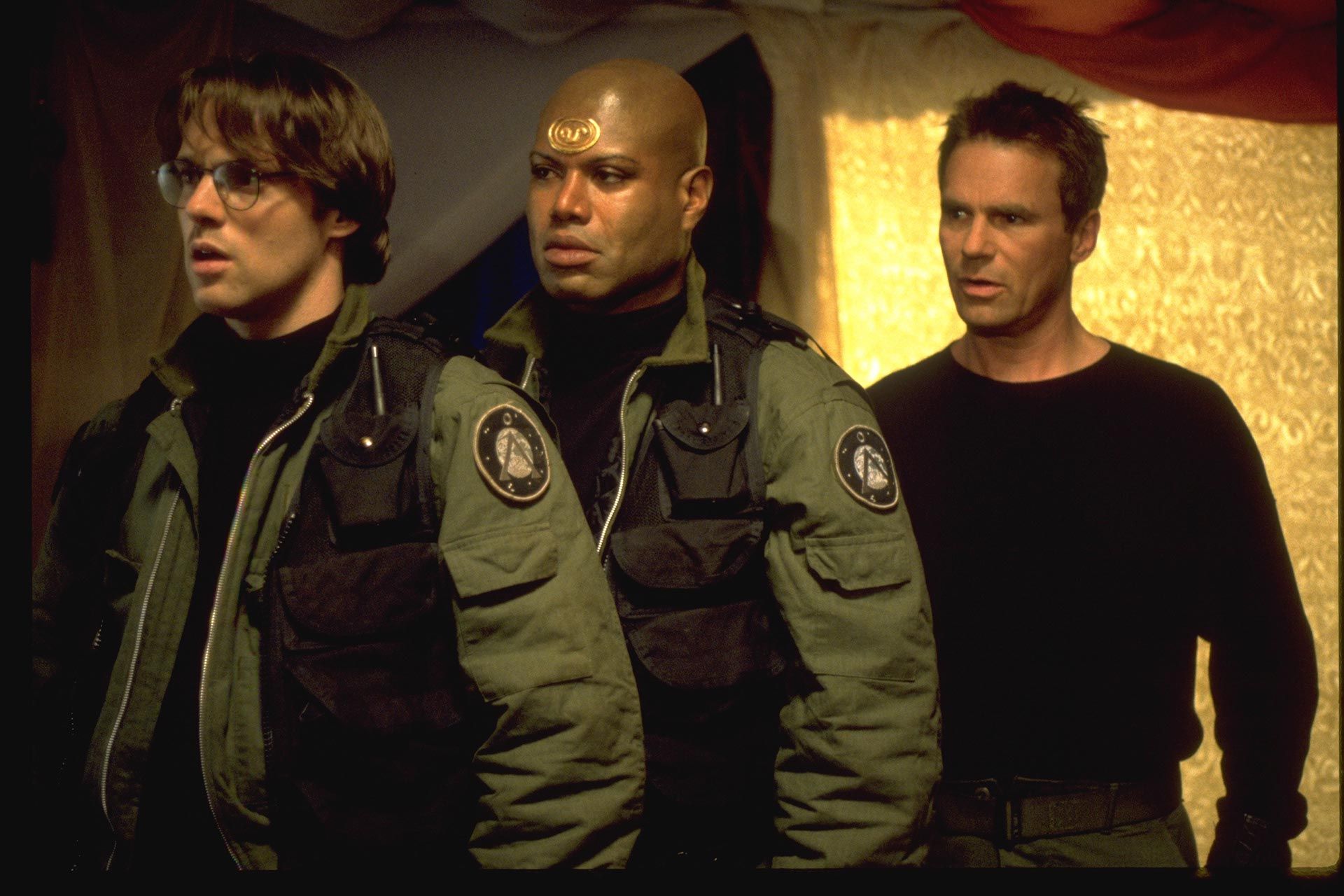
Gero acknowledged the difficulty of balancing accessibility with fan service, claiming the show would appeal to newcomers and sci-fi skeptics alike. Bridging that gap is notoriously difficult. Amazon should view Paramount’s recent Star Trek trajectory as a cautionary tale; while Starfleet Academy aimed to serve as a 60th-anniversary milestone, it ultimately prioritized honoring the past over establishing compelling, independent character arcs. The industry has also witnessed the strain on the Marvel Cinematic Universe, where the “homework” required to keep up with interconnected narratives has arguably alienated casual viewers. Modern audiences are rarely interested in series that demand mastery of 17 prior seasons to grasp the current stakes.
A fresh start offers the chance to reimagine the Goa’uld and the fundamental aesthetic of planet-hopping military sci-fi for a 2026 audience. It is this potential for a clean slate that makes me optimistic about Ryan Coogler’s upcoming X-Files project, hoping it avoids the pitfalls of previous, over-complicated continuations.
In the 2001 Stargate SG-1 episode “2010,” humanity encounters the Aschen—a seemingly benevolent race that offers advanced technology and the end of disease, only to reveal a long-term plan to sterilize and conquer Earth. They offered exactly what people wanted, at the cost of their future. In a sense, Gero’s scrapped project feels like a similar trade-off. It may have been the fan-service heavy sequel some craved, but Amazon’s decision suggests a focus on sustainable, long-term growth. If this rejection clears the path for a genuinely new chapter, it will likely be viewed as the right call for the future of the franchise.
Source: Polygon
Related articles
 007 First Light Receives Major Free Update With New Game Plus and Petting Dog Feature
 Capcom Reportedly Developing Crossover Between New Resident Evil Games and Classic Remakes
 The Coalition Staff Fear Layoffs Instead of Celebrating Gears of War E-Day Launch
 Ghost in the Shell Streaming Free on YouTube
 Sony Adds AI Upscaling to Marvel’s Wolverine and Ghost of Yōtei on PlayStation 5
 The Witcher 3 Remastered Receives Patch 5.00c with Classic Version Support and Graphic Updates
 Creators of Reigns: The Witcher Studio Closing After 13 Years
 Cult Detective Series iZombie Streaming Free on YouTube