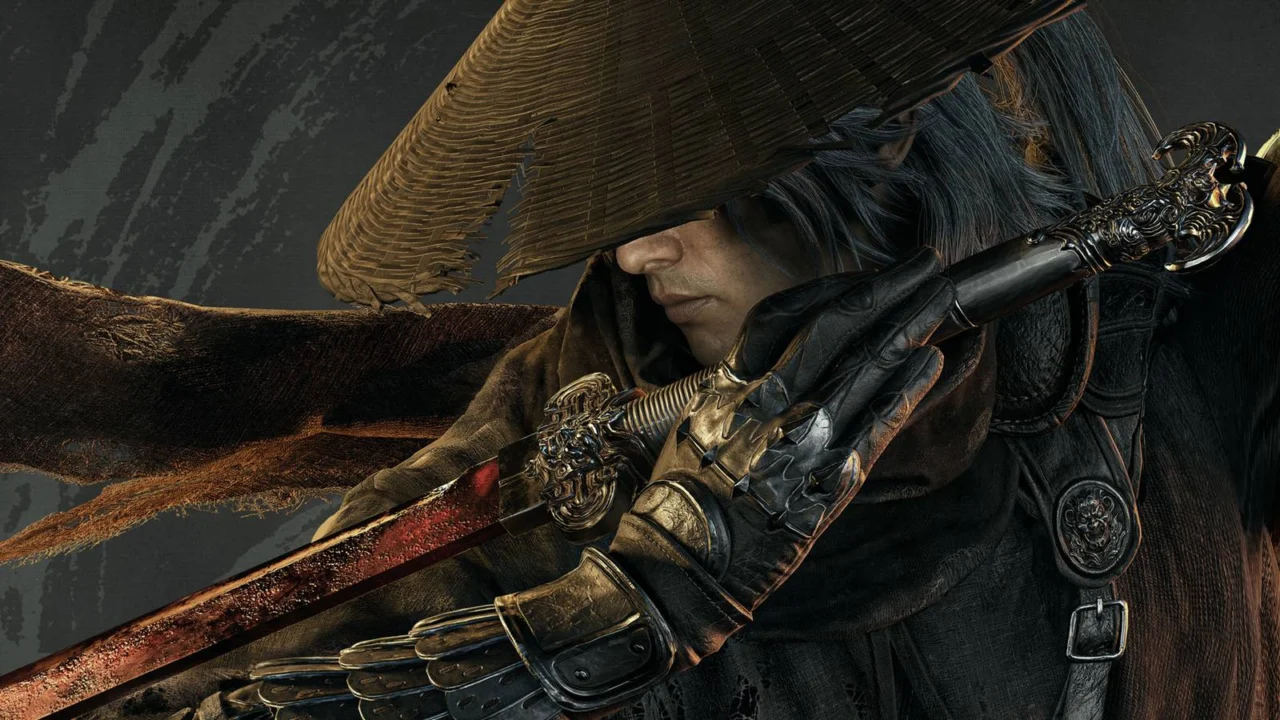
Phantom Blade Zero Is the Perfect Martial Arts Game, For Better or Worse
Games like Pragmata, 007 First Light, Beast of Reincarnation, and Onimusha: Way of the Sword have kept me asking one question through 2026: what makes an action game good? Is it the thrill of pulling off spectacular feats on screen? Is it grinding through punishing fights against enemies that seem mathematically unbeatable? Or is it simply the pleasure of feeling powerful?
Difficult games that demand mastery of combos and boss patterns have real merit. In recent years, though, they have come to dominate the genre. That is why S-Game’s Phantom Blade Zero caught me off guard. Most of its peers expect you to reach the skill of a kung-fu master with a controller in your hands. This game cares more about celebrating martial arts as a spectacle. Sadly, it takes that ambition further than is good for it.
A Story Told Without Hand-Holding
Phantom Blade Zero launches Oct. 29 on PlayStation 5 and Windows PC. Its story centers on Soul, a brooding, enigmatic swordmaster. He has just 66 days to find a way to live before the artificial heart magically implanted in his chest gives out. He is a former member of the Order, a powerful organization within the Wilun. Like many warriors in this world, he wields Sha-Chi and has spent years battling the Maskwalkers.
Sounds cool, doesn’t it? Did I understand any of those terms when I began playing? Not in the slightest. Was I overwhelmed? Absolutely.
The Order, the Wilun, Sha-Chi, and the Maskwalkers were only a few of the terms thrown at me in the opening hours, with almost no context. At first it frustrated me that I couldn’t grasp what was going on, or why this moody, stylish warrior (his name is “Soul,” after all) was doing what he did. Eventually I surrendered and let the game lead me.
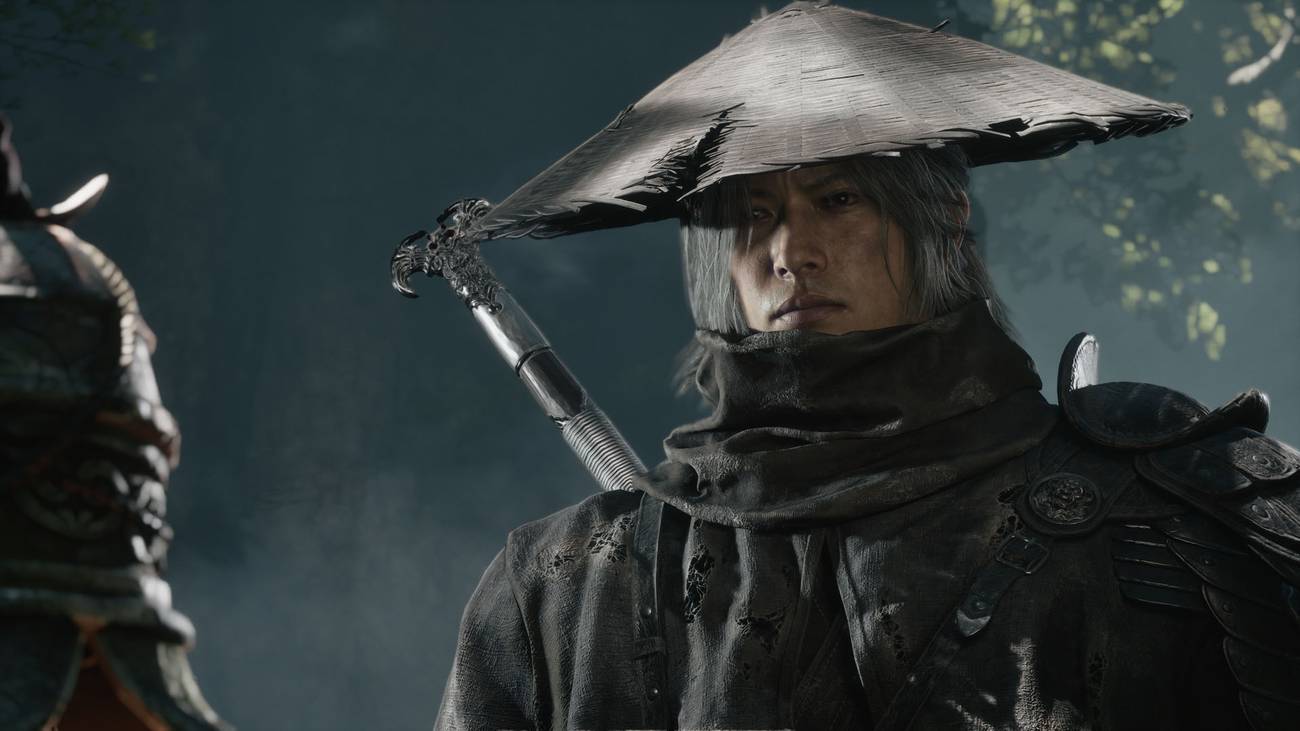
The storytelling here resembles what I’ve seen in other Chinese works, from donghua like Lord of Mysteries to novels like Mo Dao Zu Shi. Exposition is almost nonexistent. Scenes don’t exist just to introduce concepts or explain a character’s past, and the dialogue isn’t built to teach you the vocabulary. Your understanding of the world and its people is supposed to grow slowly as events unfold. Enjoying a story like this means trusting the process and resisting the urge to have everything explained up front.
The plot begins with Soul’s struggle to stay alive. It then widens into a larger, more tangled tale of conspiracies that could reshape the world. For all its epic scale, only one or two moments truly moved me. What stayed with me more was the fate of ordinary people in this world, like the soldiers trying to survive at a remote outpost. Later you have to kill them after they have turned into monsters.
Learning more about Soul’s past clarified why he’s on this journey, but it didn’t make him more compelling. He is driven by vengeance and the hope of redemption, and bound by loyalty and honor. Even so, he never escapes his flat, one-dimensional nature. The silver lining is that his blandness leaves more room for the game’s alluring worldbuilding to shine.
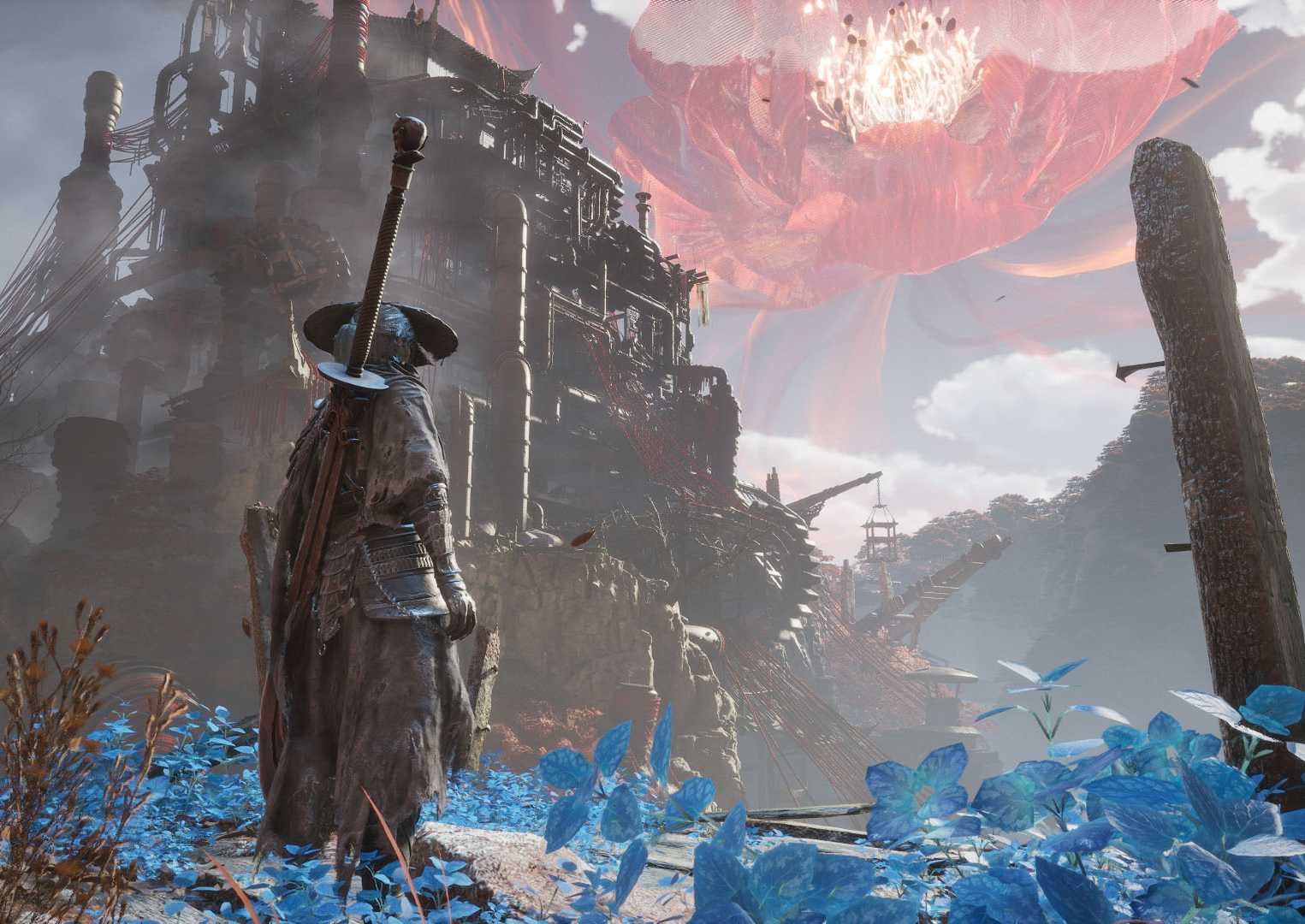
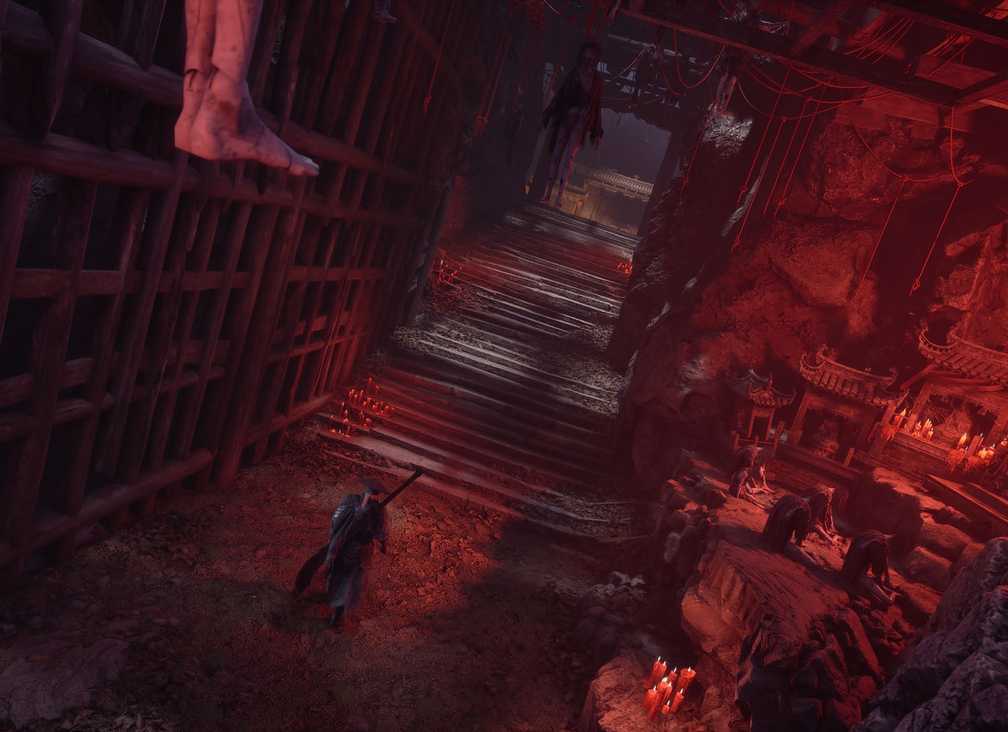
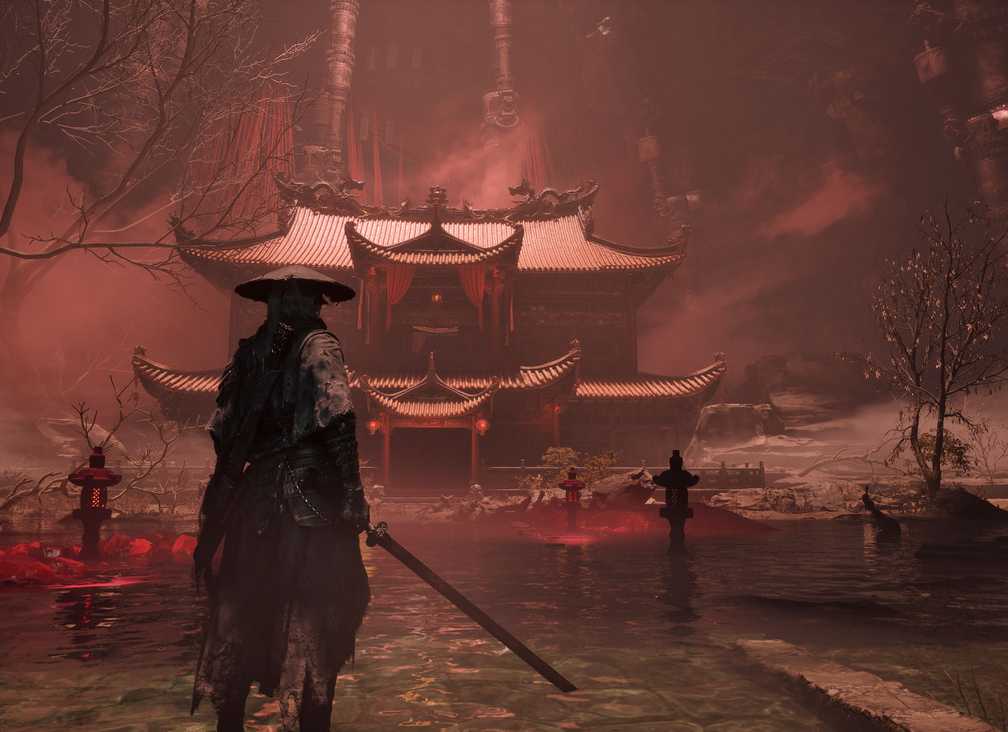
As I traveled across the maps and finished quests, I had to keep my own anxiety in check whenever another unexplained term appeared. I let conversations with NPCs, notes left by long-dead figures, and flashbacks piece the story together for me. In time, I came to appreciate the captivating blend S-Game built from traditional Chinese fantasy and steampunk. It gives you gorgeous landscapes where lush nature shares space with towers venting plumes of scalding steam.
This is a world where you duel warriors who have become cyborgs, enhanced through procedures that sharpen their skills and their command of the mystical Sha-Chi. Power, honor, and betrayal are tightly knotted together. Even amid widespread suffering, there are decent people trying to do right.
I didn’t find the story mind-blowing. But once I let it unfold on its own terms, I found a sincere game with a fascinating and distinctive fiction. That is all S-Game needed as a backdrop for its main attraction.
A Genuine Martial Arts Spectacle
Phantom Blade Zero reaches for the stars as an action game. When it was first revealed, S-Game founder Soulframe Liang said the team wanted to capture the elegant, breathtaking moves of 1990s kung-fu cinema. To get there, the studio tempered the nonstop assault of hack-and-slash games by adding stamina-driven heavy attacks and defensive options.
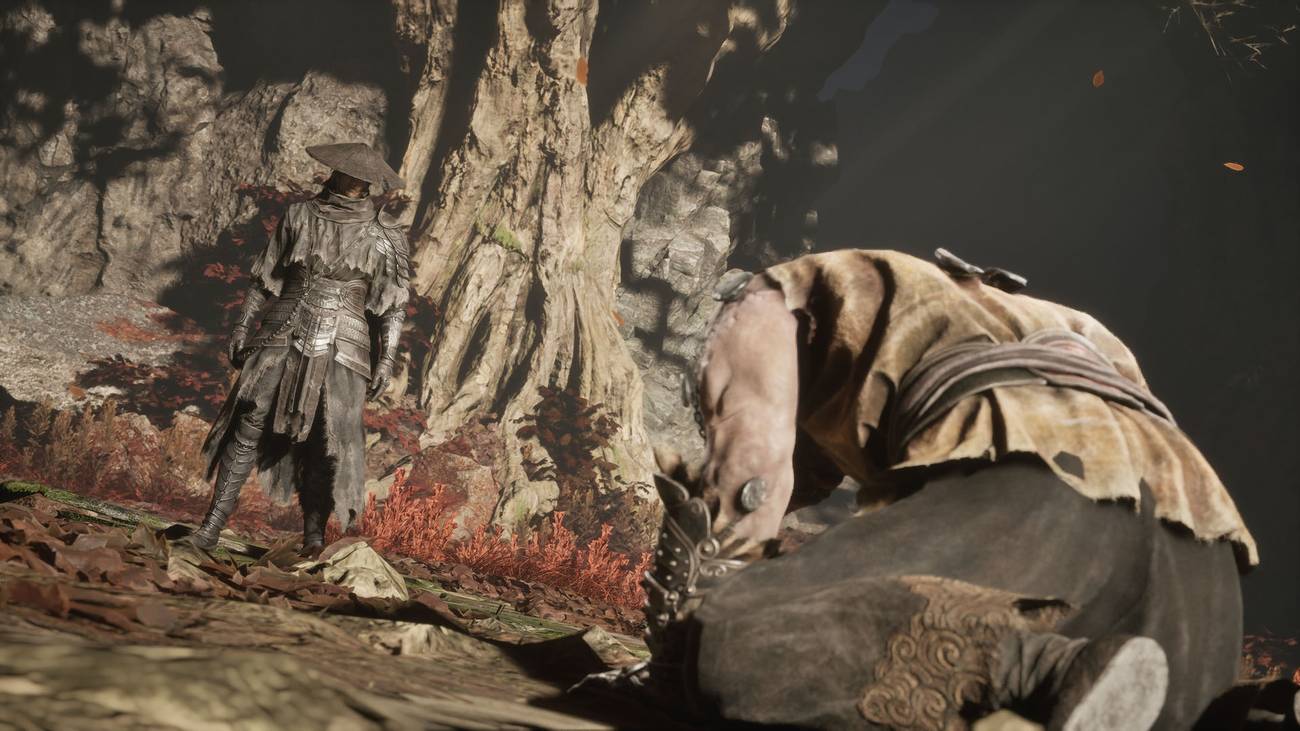
In combat, you weave light and heavy attacks together, and only the heavy ones drain stamina, which appears as Soul’s Sha-Chi bar. Every weapon has combos built around chains of heavy strikes. These force you to spend stamina and slow the pace slightly. You can dodge incoming blows, but parrying is the best defense because it drains the enemy’s own Sha-Chi bar. You can also unleash a weapon’s special attack or the unique moves of an equipped secondary weapon.
The Sha-Chi bar gives battles an interesting rhythm, yet it clashes with the idea of fluid, breathtaking action. In practice it also feels nearly pointless because of weapon swapping. You can equip two primary weapons and switch between them mid-fight. There is a short cooldown, which skills can shorten further, but each swap refills your whole Sha-Chi bar.
As you advance through the campaign and explore, you’ll also find special items that expand Soul’s Sha-Chi, plus talismans that speed up its recovery. After roughly ten hours, I stopped watching my stamina altogether and simply overwhelmed enemies with relentless attacks. The stamina bar feels like a box S-Game ticked because the genre has adopted it in recent years.
Juggling so many weapons and attack types alongside parrying and dodging might sound daunting. In reality, it comes down to pressing the same four buttons with minor variations. The core loop is satisfying but, practically speaking, quite repetitive. Powerful combos need no elaborate button sequences, and every flashy finisher fires off with one press. Frankly, combat would grow stale were it not for the stunning moves that play out whenever you hit the right button, and the speed at which everything happens.
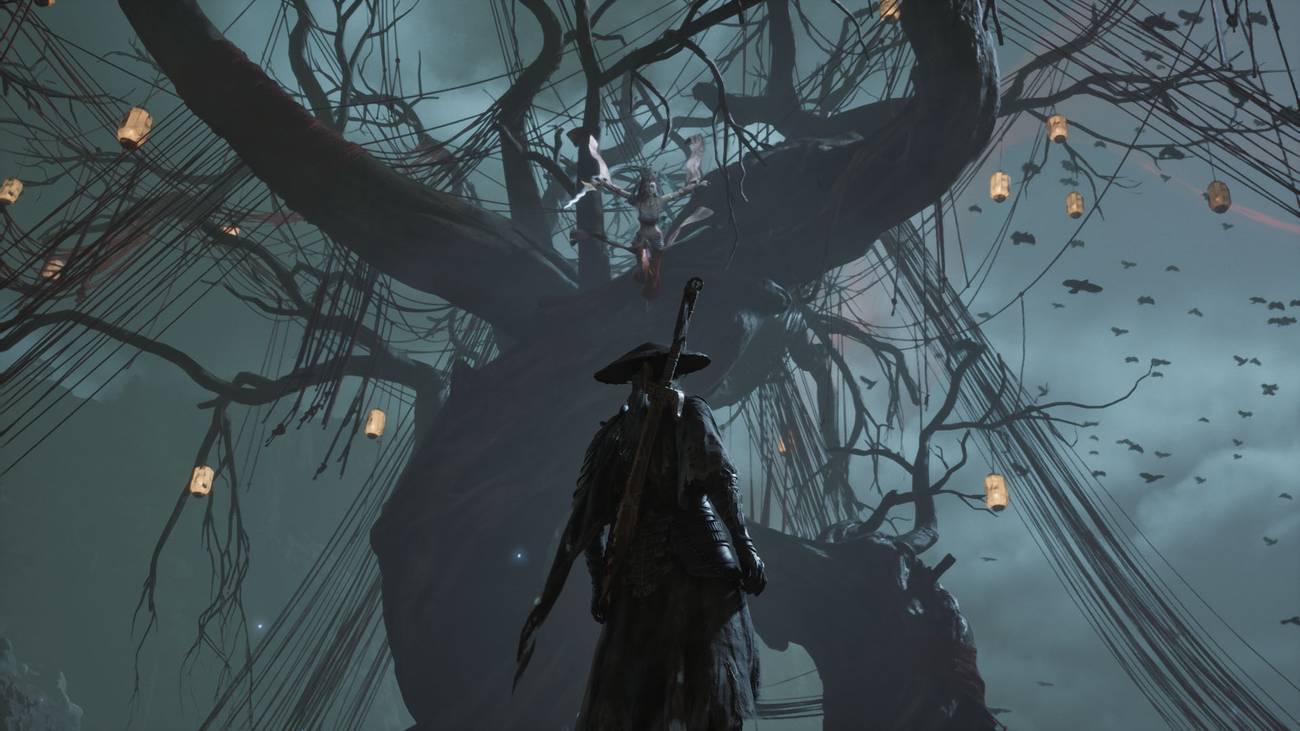
From plain sword sequences to flamboyant maneuvers in which Soul extends an arm and a leg to strike two foes at once (I adore that one), the combat is a feast for anyone who loves choreographed fighting. S-Game’s commitment to a first-rate Wuxia experience is obvious. Actor Donnie Yen, known for films like Ip Man, serves as a creative consultant and voices one of the characters. Kenji Tanigaki, who directed this year’s best action film, The Furious, also contributed. I grew up on Crouching Tiger, Hidden Dragon and Jet Li’s Hero, and I fell in love with fights that pair the clang of heavy steel with feather-light movement. Phantom Blade Zero delivers precisely that.
Soul moves as though following a script, a fixed series of steps meant to express beauty as much as to perform a function. He cuts down enemies with twin blades or spins through the air while gripping their arms, setting up a finishing blow. With 30 primary weapons and 25 secondary ones, ranging from long spears to a dragon head that spouts a torrent of water, there is a wide variety of sequences to perform. Each new weapon felt like watching a different movie. The basic light-plus-heavy combos become a martial arts show that unfolds so fast and so smoothly that I always wanted to find the next enemy to see more.
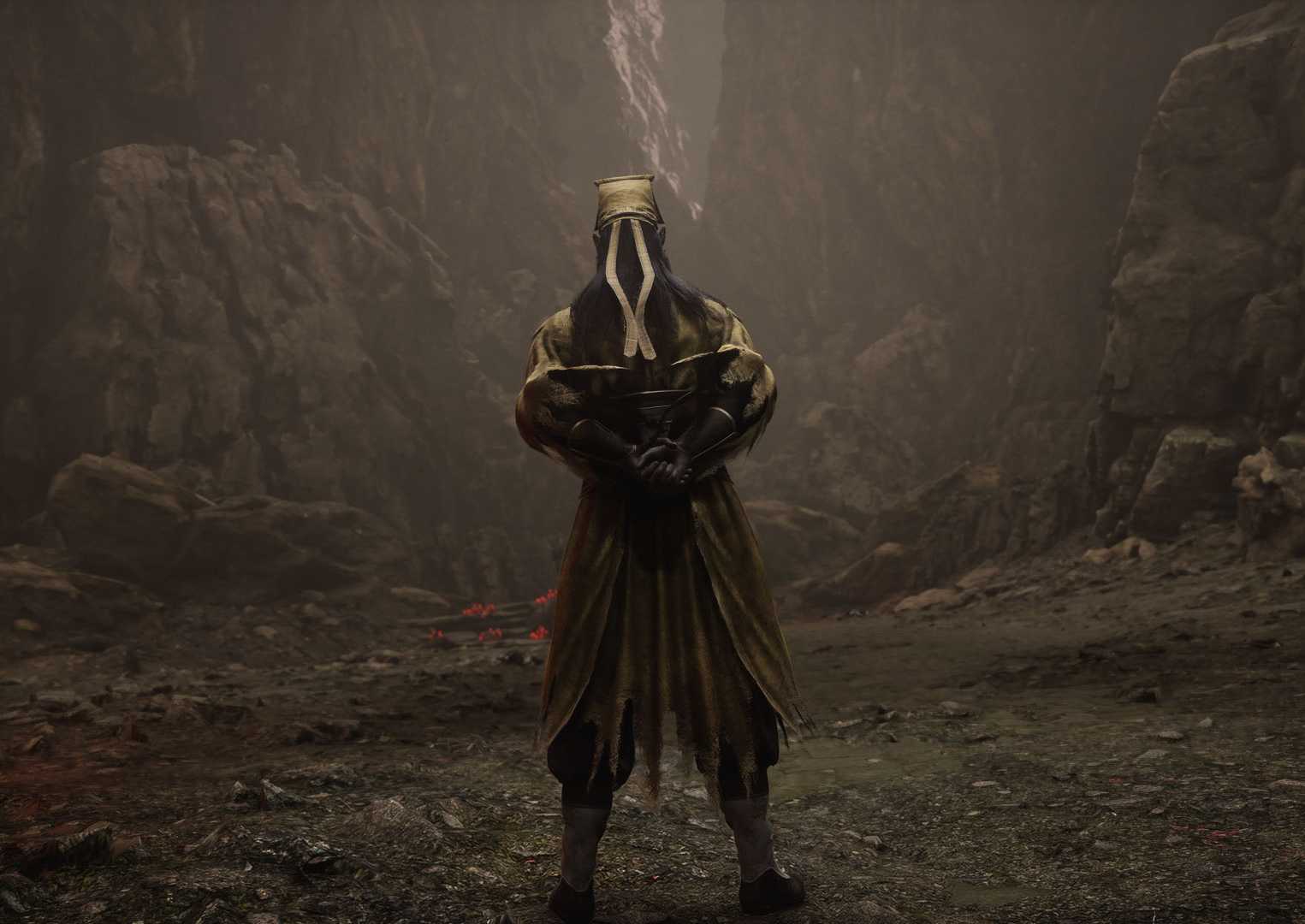
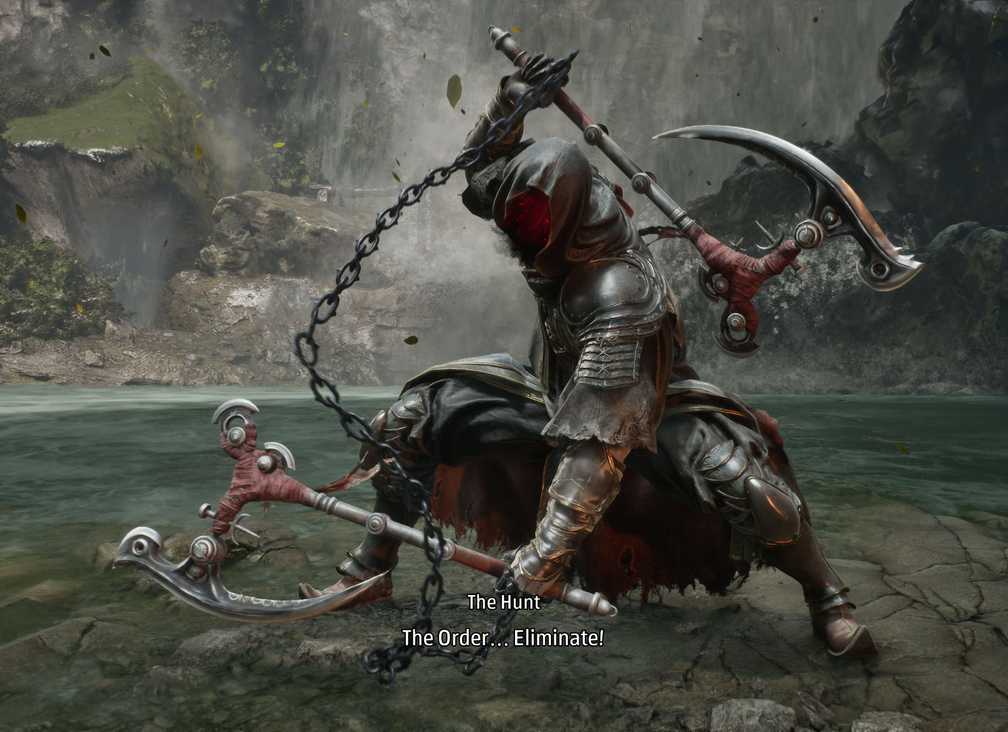
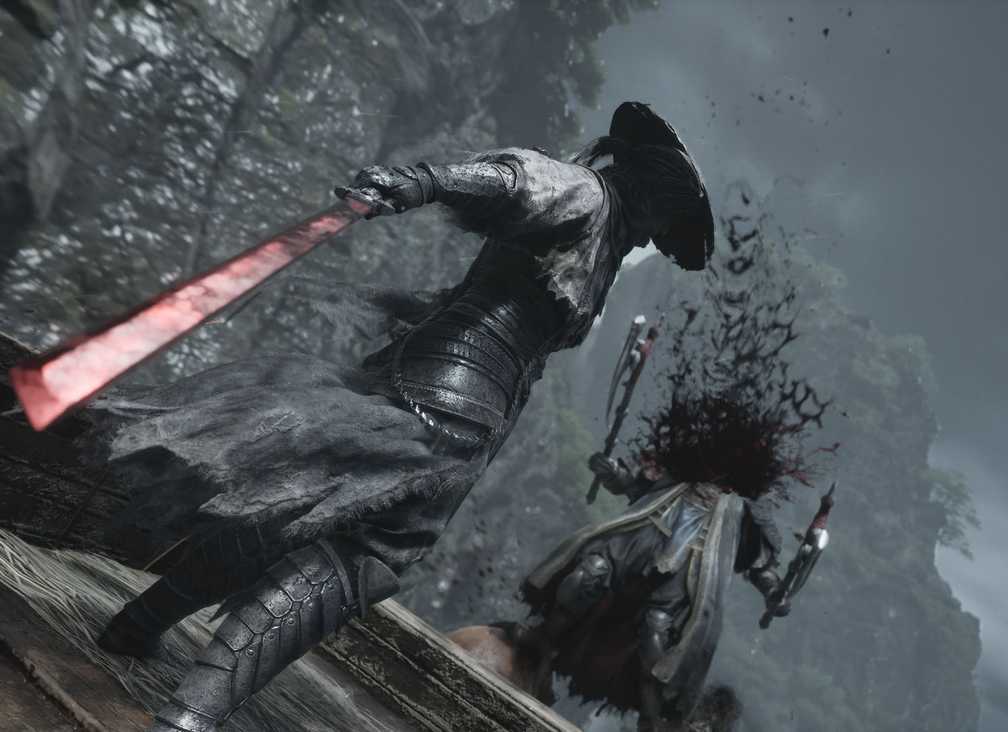
Phantom Blade Zero truly understands what martial arts means. It pursues the artistry of fighting styles and the visual poetry of the fantastical duels seen in Wuxia films. Many recent action games, such as Ninja Gaiden 4 and Onimusha: Way of the Sword, try to carry on-screen action into the player’s hands. The result is games with high skill ceilings, intricate button combinations, and a need for sharp reflexes to dodge and parry long chains of attacks. Phantom Blade Zero sits at the opposite end. It favors simple inputs so you can savor what’s happening on screen.
Let Me Help Stage the Show
S-Game’s aim of making the combat welcoming to everyone is admirable. Unfortunately, the encounters weren’t balanced to keep them challenging. I never tired of fighting, but I rarely reached the point of desperation I felt against some bosses in Onimusha.
That said, Phantom Blade Zero is far from easy. The boss fights can be tough and infuriating, especially the early ones, when you haven’t fully mastered the controls and your gear is still limited. I remember Jing Ye, the Outlaw. He looked like an ordinary bandit, yet he beat me down, drawing blood with a few swings of his shield. I needed several minutes to cool off before trying again. Screw you, Jing Ye.
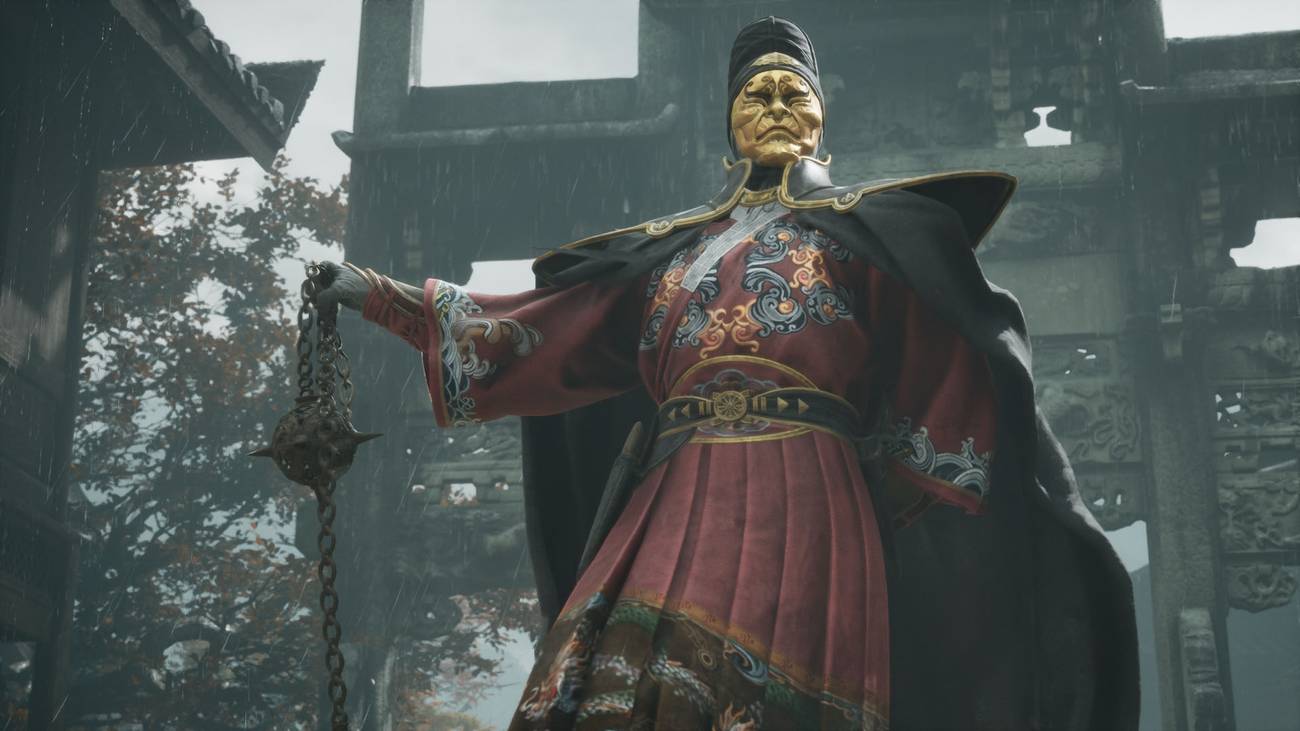
S-Game built tough, unforgiving bosses, but it also handed players so many tools to beat them that the game’s most important fights lose their edge. There are four difficulty settings, yet you can shrink a fight’s difficulty without touching them. While exploring maps, finishing side quests, and opening chests, you’ll collect talismans that either shield you from specific boss traits or exploit their weaknesses outright. The huge weapon roster also means a few options are plainly stronger than the rest. I never found a reason to put down the Scarlet Wraithblade, which spreads a field of lilies that saps enemies’ HP and Sha-Chi, even though I picked it up in the first area.
The battle system itself lets you reduce fights to simple commands, because it clearly signals when to defend. You can parry or dodge regular attacks, but enemies often unleash special moves marked by red and blue flashes. Red means dodging is your only option, while blue means you should parry. Landing the correct defensive move at the right moment rewards you with a slick animation. It also strips a sizable chunk from the enemy’s Sha-Chi bar or lets you slip behind them.
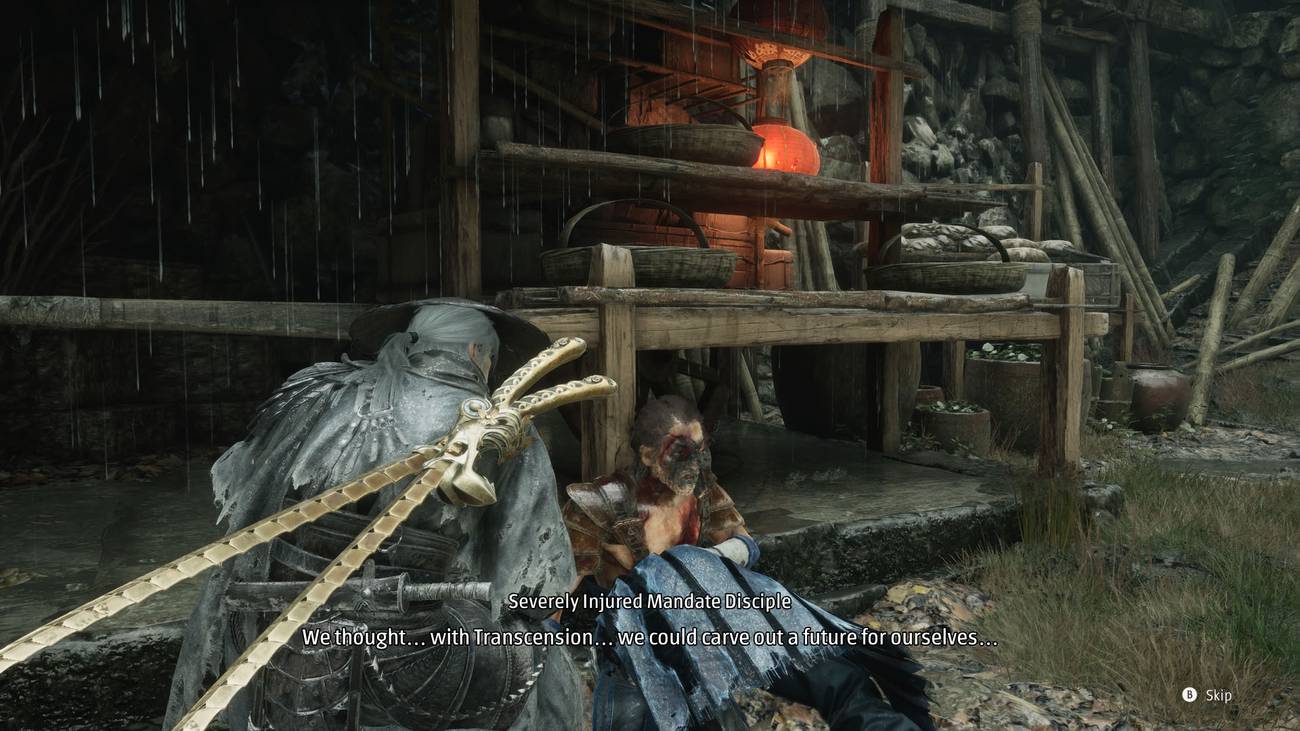
I see how these cues make the game more approachable. They also train players to wait for the signal and react on cue. They keep the spectacle rolling and the fights flowing without a pause. But they also undercut the power fantasy I crave when facing epic opponents. More than once, I simply sidestepped attacks, left fields of lilies beneath the boss, and waited for the colorful flashes so I could secure an effortless win. Boss fights began to feel like a staged play in which my only role was pressing a button, rather than actively making the show happen. Add talismans that raise elemental defense by up to 60% or widen the parry and dodge windows, plus a weapon that constantly drains enemy stamina, and stack all of it on this oddly rigid battle design. The result is a frustrating experience in which an already straightforward fight turns into a bland list of instructions.
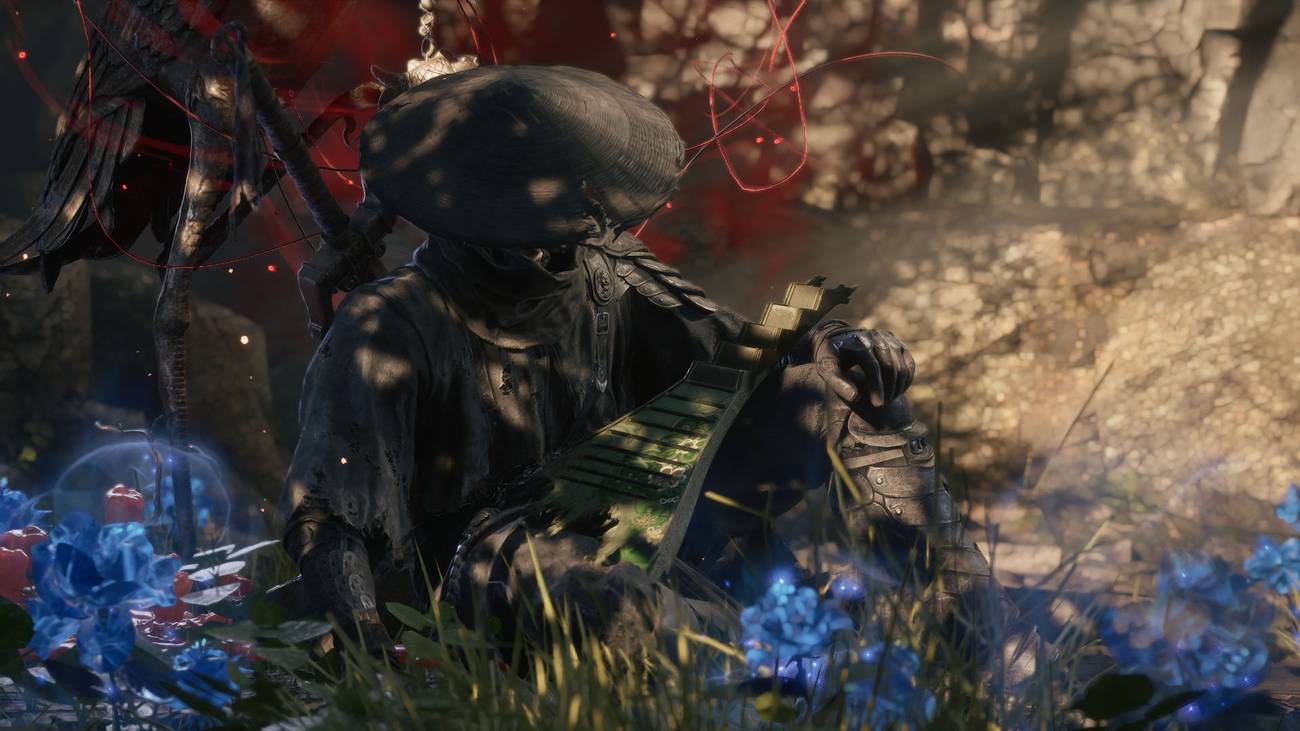
Few pleasures compare to watching a great Wuxia film unfold. S-Game recreates that feeling in Phantom Blade Zero by making every strike and dodge look like it came from a classic kung-fu picture. Yet however dazzling the visuals are, the game ultimately fails to trust players to perform these feats themselves, which weakens its interactive side. S-Game proves that action games can lean toward the art and away from the martial side of combat. But it overlooks something essential about Wuxia cinema. The goal is to persuade viewers that these aren’t actors hanging from wires, but godlike beings accomplishing the impossible. For most of Phantom Blade Zero, I believed in its extraordinary tale, until the wires began to snap and the spell snapped with them.
Source: Polygon
Related articles
 Fans Launch Petition to Restore Classic Jiggle Physics After Blizzard Removes Them From WoW
 Cyberpunk 2077 Hits Record 2.8 Million Mod Downloads in 24 Hours on mod.io After Update 2.5
 Nintendo Switch 2 Hacked, Emulator Built, and Files From FromSoftware’s The Duskbloods Under Analysis
 Scientists May Help Make Hideo Kojima’s 40-Year-Old Dream of Blood-Scented Physical Game Editions a Reality
 Hacker Announces PlayStation 5 Kernel Exploit for Firmware 14.00 and 14.10
 PC Prices Rising Quickly and Sales Plunging as Market Faces Another Blow
 The Mummy (1999) Is Now Free to Watch on YouTube
 Players Urge CD Projekt RED to Buy Mass Effect and Dragon Age After BioWare Closure