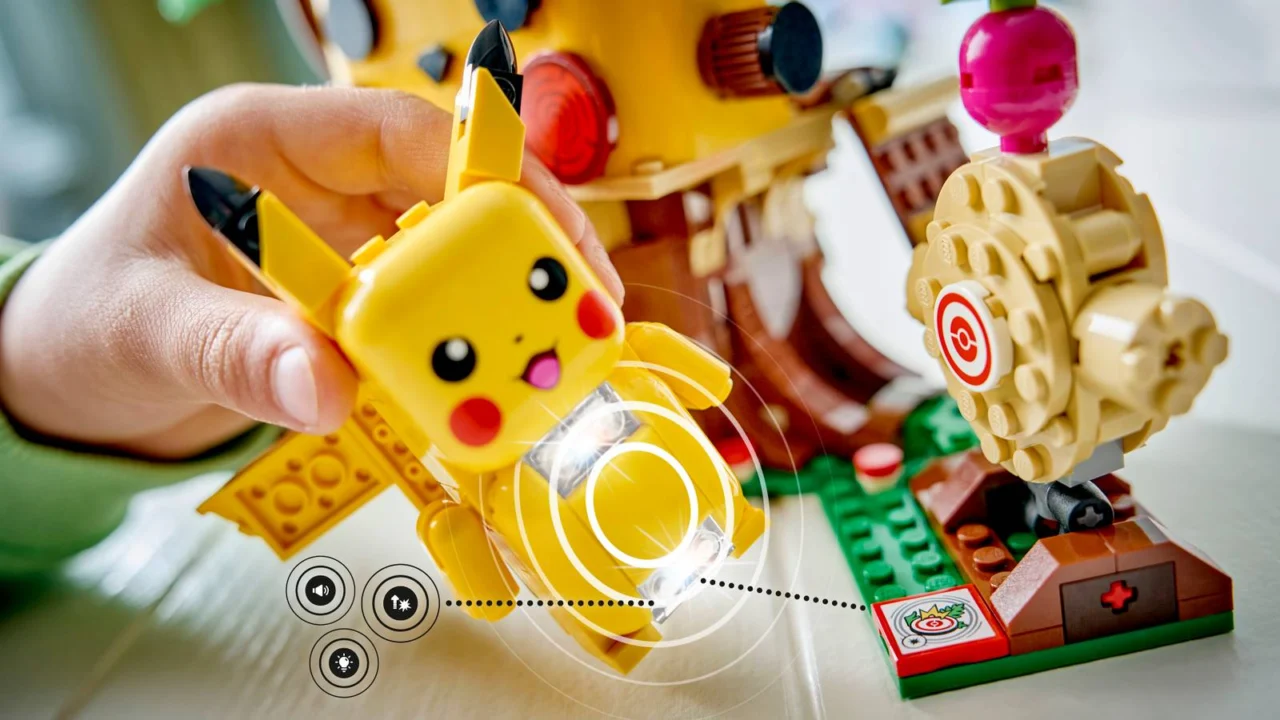
New Pokémon LEGO sets might justify the price of Smart Bricks
Despite the high-profile launch of Lego’s latest Pokémon collection this Tuesday, the company remained tight-lipped regarding how the underlying technology actually functions—or why enthusiasts should be excited. In an exclusive discussion with Polygon, Lego representatives shed light on the sophisticated mechanics driving the new “Smart Play” line. While these Pokémon-themed sets are designed with younger builders in mind, the impressive attention to detail used to capture the essence of the beloved Japanese franchise will undoubtedly resonate with older fans.
The product descriptions for these 12 new sets suggest that players can capture, nurture, and train their digital companions. With props ranging from potions to snacks and training targets, the buildable environments aim to replicate the strategic gameplay found in the core video game series. But what does this integration look like in practice?
“Every Pokémon is unique,” explains Siddharth Muthyala, design director at The Lego Group.
During a video call, Muthyala revealed that each creature contains a “Smart Tag” that logs data such as type and attack power. As children engage with the figures, the internal tech tracks their activity, effectively accruing experience points. The sets are intelligent enough to recognize movement, registering specific actions like jumps, dashes, or flips. While the experience encourages open-ended imaginative play, the included “story starters”—such as customizable vehicles and obstacle targets—help guide the narrative, ensuring the monsters evolve as the playtime deepens.

As your Pokémon levels up, the toy reacts with light and audio cues. While it avoids the rigid level-100 cap found in the games, it provides an abstract representation of a creature’s growth based on how much it has been trained. Naturally, more experienced monsters hold a distinct advantage during simulated battles.
These confrontations are elevated by custom visuals and sound effects. Although they don’t “faint” in the traditional sense, the monsters shift states based on their health—becoming sluggish or falling asleep if exhausted. Should a battle go poorly, or if the figure is handled too roughly, it may display signs of dizziness. Players can then restore their companion using healing items like potions.
Audio plays a crucial role in this interactive loop. The system avoids basic, repetitive loops in favor of more nuanced soundscapes. “The Smart Brick acts as an instrument,” Muthyala notes. “It generates audio based on your physical movements rather than just playing back static clips; you hear subtle tonal variations, much like the nuances of a harmonica.”

Federico Begher, senior vice president at The Lego Group, explains that these Smart Bricks operate on a universal rule-set designed to encourage cross-set compatibility. By allowing children to mix and match components, the company is addressing the design limitations seen in previous initiatives, such as the 2020 Super Mario line.
“With the Mario sets, the technology was largely siloed, only working within that specific ecosystem,” Begher admits. While he didn’t explicitly confirm future expansions, he implied that the new Smart Play framework is being built with long-term cross-compatibility in mind.
Begher views previous efforts—including Lego Super Mario, Vidiyo, and Hidden Side—as vital, if imperfect, stepping stones. “It feels serendipitous. Every challenge we encountered with those earlier sets provided the exact insights we needed to refine this technology,” he says. “It’s a much more authentic realization of what we aim to achieve with interactive play.”
Source: Polygon
Related articles
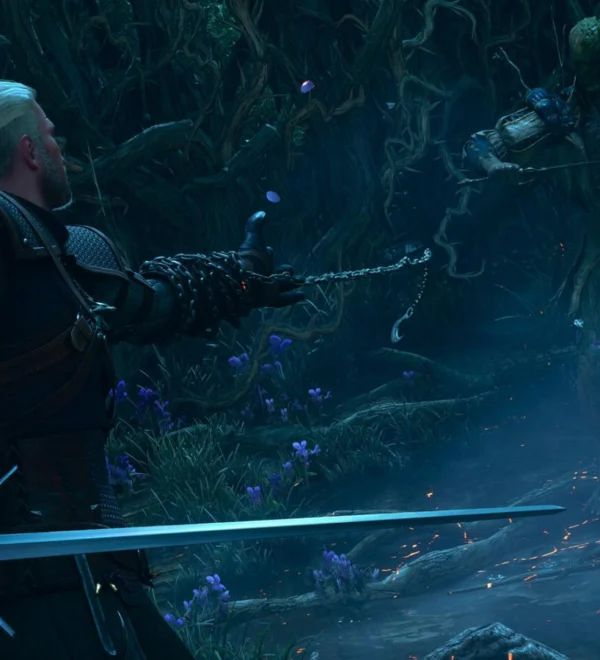 Technology Improvements Made Adding Chain Physics Possible in The Witcher 3 Remaster
 Henry Cavill Becomes a Video Game Developer
 Escape from Tarkov Developers Update Hit Registration and Add Weapons to EFT Arena
 Valve Adds Six New Heroes to Deadlock in Major Update
 Nikita Buyanov Showed PvE Prestige Menu in Escape from Tarkov, Developers to Update PMC Bot Behavior and Gear
 Tainted Grail Receives Fists of Fury Update and Expansion
 Tom Cruise Involved in New Apocalypse Film Digger
 PlayStation Details Major Game Releases Scheduled for October 2026