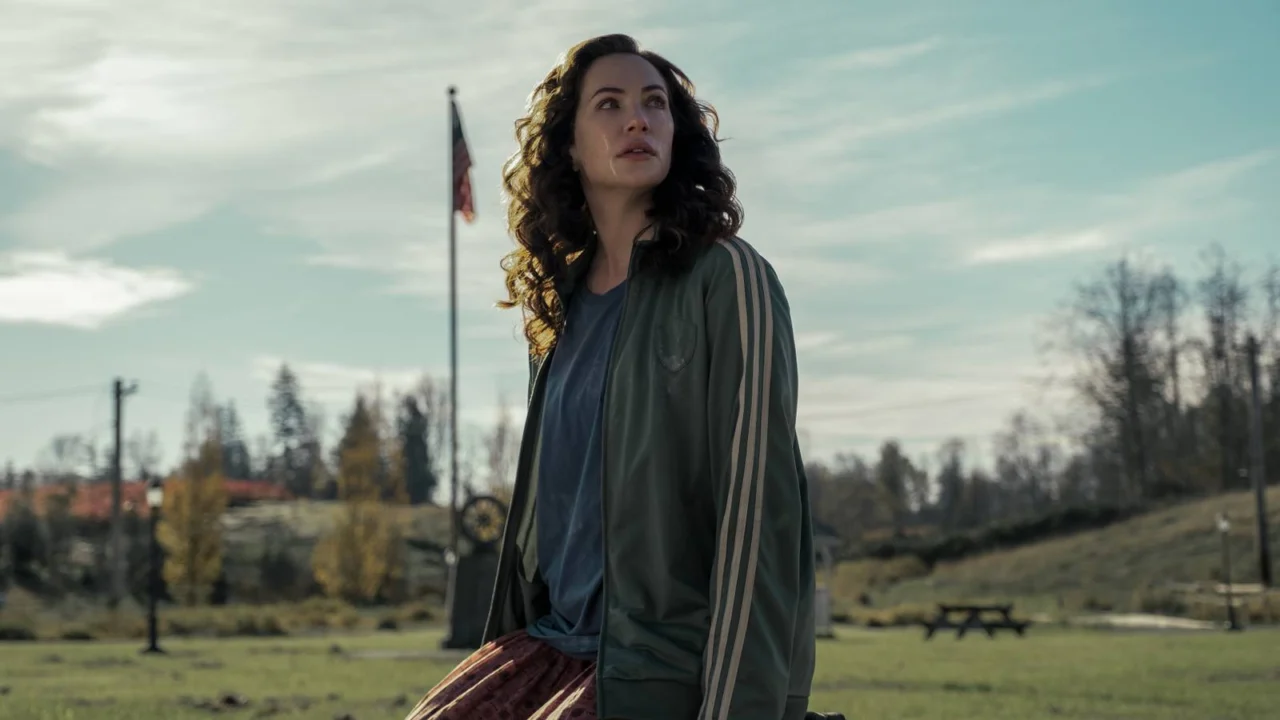
Netflix’s 7-Part Vampire Thriller Is a Spine-Chilling Masterpiece You’ll Finish in One Weekend

Faith possesses a peculiar, almost intoxicating allure. Whether one is deeply devoted to religious doctrine or whimsically anchored to superstitions—like the notion that a broken mirror invites seven years of misfortune—belief functions as a vital anchor. When validated, it provides a restorative power that sustains us; however, when that foundation falters, the resulting disillusionment can be devastating.
This exploration of belief serves as the gravitational center for the chilling supernatural miniseries Midnight Mass. Although creator Mike Flanagan has helmed a prolific collection of horror projects, this series stands as his most vulnerable and arguably his most accomplished work. He masterfully weaves in personal threads from his own journey—navigating a Catholic upbringing, battling alcohol addiction, and transitioning into atheism. In an introspective essay for Bloody Disgusting, Flanagan reflected that the show “has been part of me for so long, it’s difficult to remember when exactly it started.”
Since its 2021 premiere, audiences and critics alike have hailed the series as the pinnacle of Flanagan’s filmography. Beyond its original narrative, the show has earned comparisons to the works of literary icon Stephen King, drawing distinct thematic parallels to classics like Salem’s Lot.
Photo: NetflixGiven its brilliance, it is all the more surprising that Midnight Mass faced a tumultuous journey to the screen. For years, the concept seemed destined to remain a mere “Easter egg” in Flanagan’s 2015 film Hush, where characters could be seen discussing the fictional book’s protagonists, Riley and Erin. Ironically, actors Kate Siegel and Samantha Sloyan—who discussed those characters in the film—later portrayed Erin Greene and Bev Keane in the series.
Flanagan’s fortunes shifted when his successful partnerships with Netflix on The Haunting of Hill House and The Haunting of Bly Manor finally granted him the creative leverage to bring this passion project to life. It proved to be a gamble that paid off in spectacular fashion.
Set in the early 2020s, the story centers on Riley Flynn (Zach Gilford), a man returning to the dwindling, insular community of Crockett Island after serving time for a fatal drunk-driving accident. His homecoming is marked by tension and estrangement, mirroring the wider fractures within the island’s population. From the friction between Sheriff Hassan’s (Rahul Kohli) Muslim faith and the fervent Catholicism championed by the dogmatic Bev Keane (Samantha Sloyan), to the younger generation’s desire to escape the shadow of the past, the island is a pressure cooker of long-standing resentments.
While the series remains deeply personal to Flanagan, its enduring resonance—sticking with viewers like a persistent haunting—stems from a universal truth: we have all, at some point, been irrevocably transformed by a singular force. As the residents of Crockett Island grapple with a pervasive sense of hopelessness, the arrival of Father Paul Hill (Hamish Linklater) offers a glimmer of redemption. Clad in clerical robes, his charismatic leadership seems to promise a divine cure, though as Flanagan subtly illustrates, the allure of blind faith can often pave a treacherous road toward darkness.
To detail the narrative’s haunting twists would be to rob you of the experience. If you haven’t yet braved this series, prepare for an emotional gauntlet. Flanagan is a master of poignant, soul-crushing storytelling that leaves the viewer reflective rather than cynical. For all the dread that permeates Crockett Island, there is a strange, aching beauty in witnessing a community rediscover its sense of belief—even if the price of that restoration is higher than any of them could have imagined.
Source: Polygon
Related articles
 Nintendo Patent Details Game-Key Cards Functionality
 Rumor: AMD is Developing New Ryzen Z3 Chip for Gaming Handhelds
 PlayStation Creator Cites Modern Gaming Industry Problem
 Warner Bros. New Owners Will Retain DC Studios Leadership, Keeping James Gunn Safe
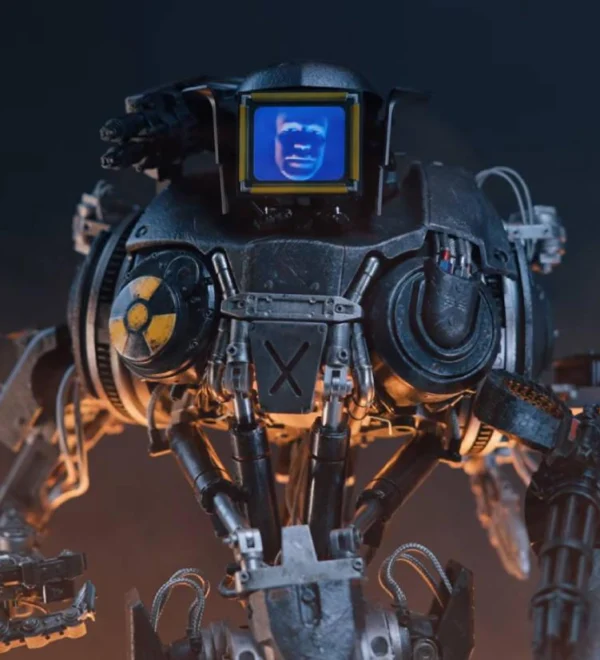 Hot Toys Adds Interactive Tech to Robocop and RoboCain Figures From Robocop 2
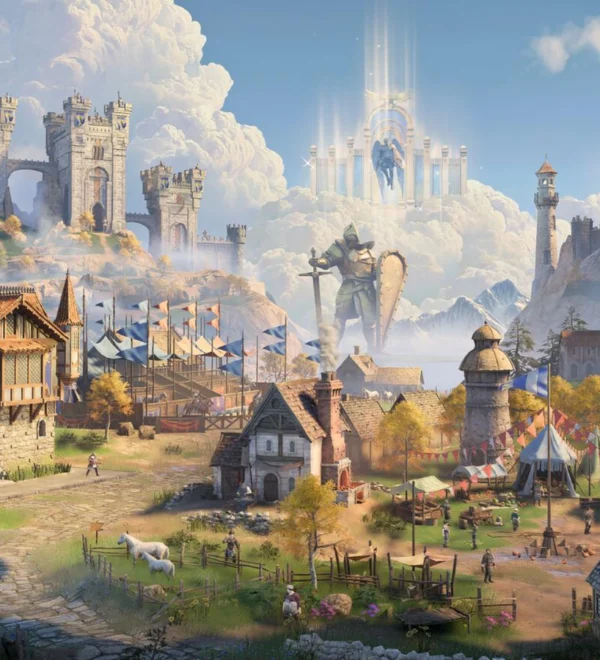 Creator of Heroes 3 Plays Remake and Shares Feedback
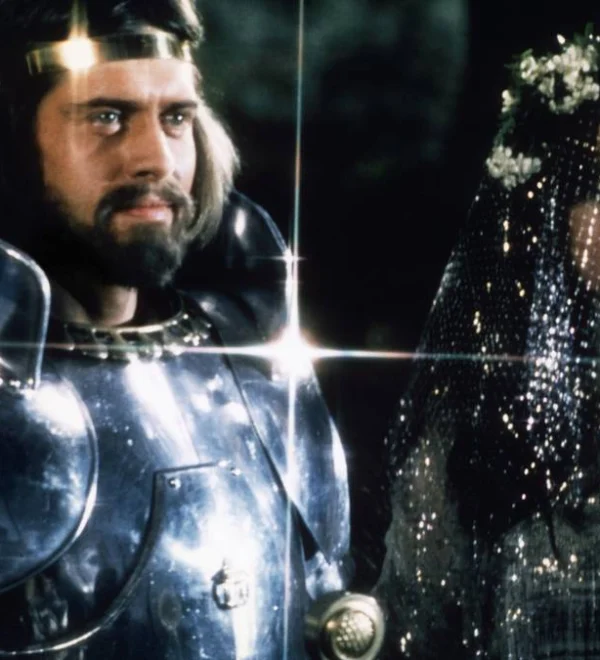 John Boorman’s Excalibur Transcends Fantasy Genre 45 Years After Release
 Dead by Daylight Announces Collaborations with Diablo IV and Stranger Things in VHS-Style Trailer