Marvel’s Great New Fighting Game Has One Major Flaw
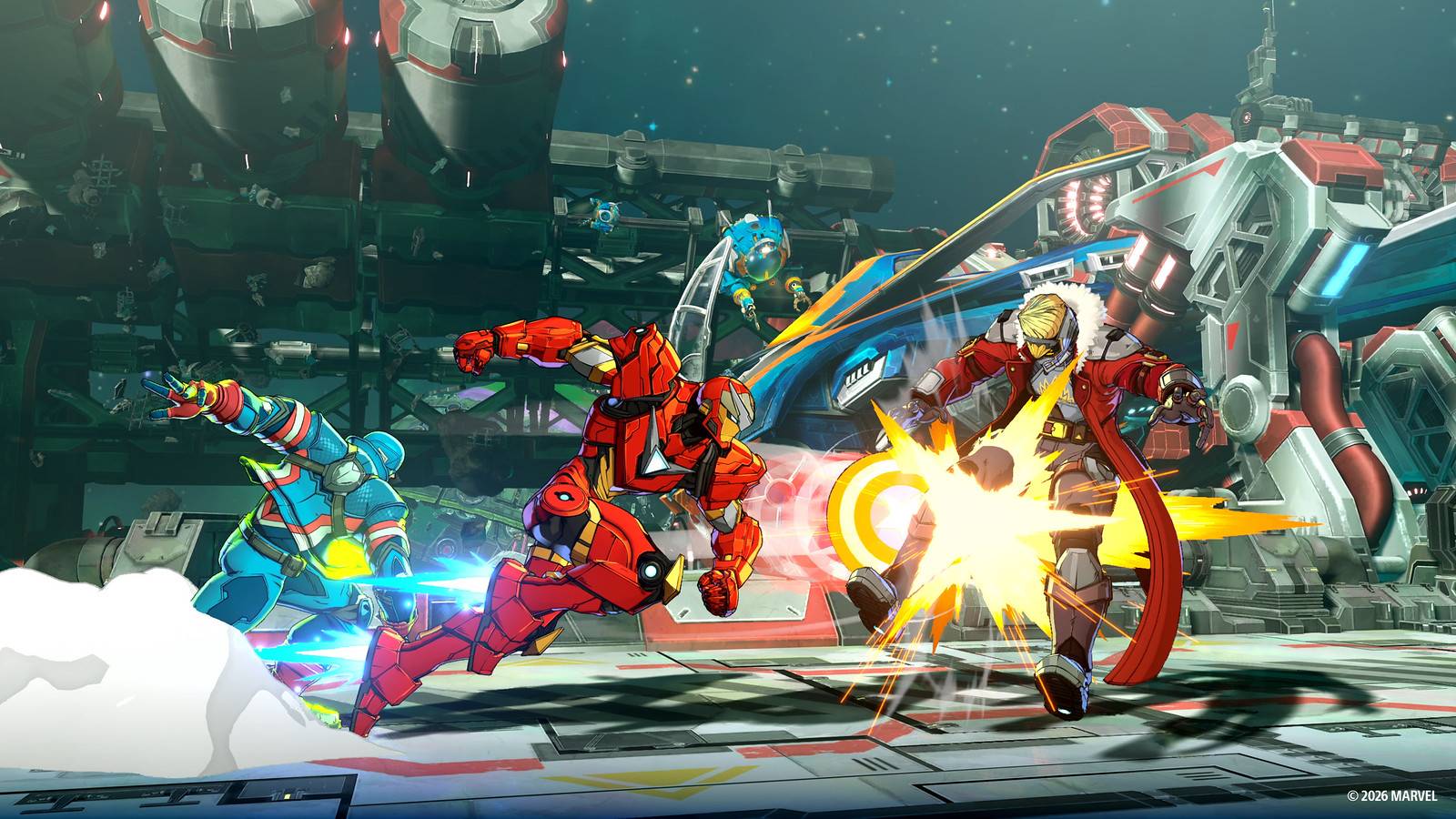
There is an immense amount to appreciate in Marvel Tokon: Fighting Souls — particularly now that its initial PC optimization hurdles have been smoothed out. The title leverages iconic powerhouses like Spider-Man and Blade to craft combatants with remarkably diverse movesets, all wrapped in a striking visual aesthetic that seamlessly bridges the gap between classic comic books and modern animation. Matches frequently erupt into thrilling, cinematic reversals, cementing the game as an absolute joy to watch. Yet, a solitary stumbling block remains: I am perpetually fighting to retain the dizzying array of button commands.
Indeed, Marvel Tokon faithfully upholds a long-standing fighting game tradition by delivering an uninspired tutorial that dumps an overwhelming deluge of mechanics onto the player all at once. While genre veterans can easily navigate this baptism by fire, it establishes an unnecessary barrier to entry for a release clearly designed to capture a broader mainstream audience. I am hardly asking for the impossible; I simply yearn for a seamless onboarding experience that actually respects the learning curve.
Marvel Tokon attempts to show you the ropes via an exhaustive introductory sequence that runs through practically every maneuver available. From defensive parries and Link Attacks to Assemble Assists, you are expected to perform every technique at least once within your initial half-hour. How much of that information actually sticks? Well, that is a decidedly different conversation.
Although I successfully hit every required input during the tutorial, those advanced inputs quickly vanished from my memory the moment I transitioned into Tokon’s single-player campaign. While standard combos and basic reserve-hero summons felt intuitive enough, the finer tactical nuances slipped away entirely. What were the exact triggers for that specific cross-up? How do I execute a precise counter? Wasn’t there an alternative defensive maneuver as well? It often feels akin to being read a complex string of digits and being forced to hold them in your head for hours before finally inputting them into a terminal. (Perhaps this speaks volumes about my own fleeting short-term memory, but I am confident fellow players can sympathize!)
This remains a persistent hurdle for me as someone who approaches fighting games from a more casual perspective. I encountered a remarkably similar roadblock with Invincible Vs, which relied on an equally skeletal introductory phase. Merely displaying a prompt for a button input and requiring me to perform it three times against an inactive punching bag does little to foster genuine mastery. Such methods rarely communicate the practical context required to deploy those tactics dynamically during a heated match, and context is paramount in competitive fighting. Consequently, I find myself constantly flipping through manual menus or leaning strictly on a handful of familiar inputs until muscle memory eventually forces me to rediscover forgotten tools.
Naturally, I harbor a great deal of sympathy for the designers tasked with building these instructional modes. They face the daunting challenge of breaking down dozens of intricate mechanics swiftly enough to let players dive straight into the fun without growing impatient. Nobody wants to languish in a protracted training module! Yet, after stumbling through yet another phenomenal fighter that otherwise feels tailor-made for my tastes, I find myself yearning for more imaginative pedagogical design.
While I certainly do not possess all the answers, Street Fighter 6 remains the gold standard in my eyes. Love it or hate it, its expansive, open-world World Tour mode doubles as a masterclass in player education. The campaign gradually introduces fresh techniques through decentralized side missions as the narrative unfolds, granting you ample breathing room to internalize a move and put it to practical use before throwing anything else your way. That measured pacing gave me the cognitive space to lock each new command into my memory banks, allowing me to hold my ground in online matchmaking with genuine confidence… Well, at least until I inevitably got caught in an aerial juggle.
Even with its shortcomings in onboarding, I intend to forge ahead with Marvel Tokon regardless. It occupies that rare, exhilarating space among competitive fighters where sheer enthusiasm and frantic inputs can occasionally weave together visually stunning combos, fueling my drive to master the systems properly. Once I finally figure out how to execute an Assemble Counter deliberately rather than by pure accident, the competition is finished.
Bad PC port, Hulk no like.
Source: Polygon
Related articles
 Why Kingdom Hearts Deserves an Anime Adaptation After 25 Years
 Onimusha: Way Of The Sword Isn’t A Horror Game, But It Definitely Has Its Horror Moments
 It Takes Two Developer Working on Co-Op Game Orbitals for Switch 2
 Sony Announces Release Date for Pokémon Competitor Aniimo Before GTA VI
 Analyst Reports Weak Sales for Halo: Campaign Evolved
 Developers Reveal New Details About Star Wars: Zero Company
 Phantom Blade Zero Surges on Steam as Players Place Mass Pre-orders
 Netflix Shuts Down Two Gaming Studios, Including Night School, Developer of Oxenfree