Magic’s Lead Designer Finally Convinced Me That Universes Beyond Isn’t Actually That Bad
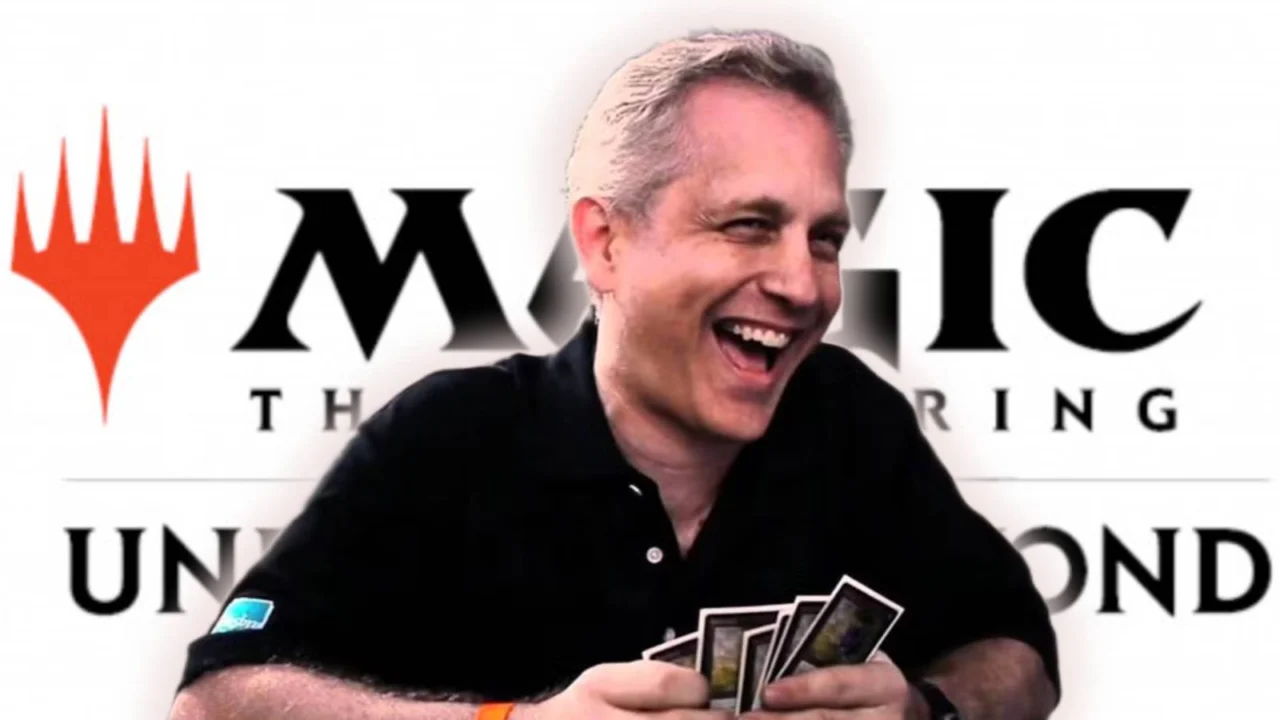
Mark Rosewater, the lead designer behind Magic: The Gathering, has undoubtedly grown weary of addressing the endless discourse surrounding the “Universes Beyond” initiative. During our conversation at MagicCon Amsterdam 2026, I broached the topic of his recent, contentious Tumblr post. In that exchange, responding to a fan who questioned the pushback against cross-franchise crossovers, Rosewater offered three blunt alternatives for disgruntled players: accept the evolution of the game, find a niche community, or simply walk away.
While the broader community zeroed in on the “walk away” suggestion, Rosewater emphasized that it was never intended as a directive. “Much of my point was that Magic is defined by its ebbs and flows,” he explained. “Ultimately, the collective player base steers the ship.” He pointed to the rise of Commander—once a grassroots fan invention that Wizards of the Coast eventually embraced and nurtured into a juggernaut. Universes Beyond has followed a similar trajectory, currently standing as one of the brand’s most lucrative and widely adopted ventures. “You might personally dislike Commander or Universes Beyond,” he noted, “but a vast number of players feel otherwise. The game naturally evolves to mirror the pulse of its audience.”
But what remains for the players who feel alienated by these shifts? As long as these sets continue to dominate sales and engagement, they aren’t going anywhere. Rosewater reiterated his framework: “You have three paths. First, look deeper into why others find joy in these sets; you might discover a new perspective. Second, build your own environment. If you want to play without crossovers, organize niche formats like Premodern or Planar Standard—if they gain enough traction, we certainly take notice. The final option, though certainly not one I endorse, is stepping away from the hobby.”
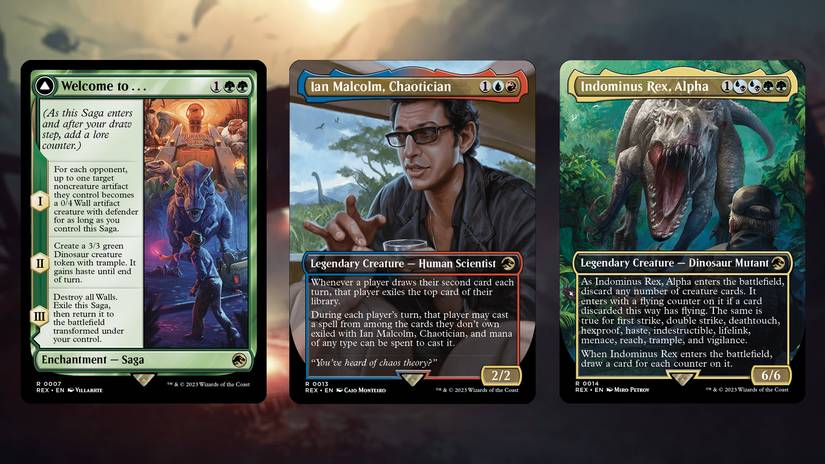
This perspective seems pragmatic, yet it overlooks the reality of competitive play, where ignoring specific sets is functionally impossible. If you are a tournament-focused player, you must adapt to the “best” cards, regardless of their thematic origins. Rosewater’s response was characteristically direct: “When you prioritize competition, you are prioritizing victory. You play the cards that win. It shifts from being about your personal preferences to being about efficacy.”
It’s a simple, albeit harsh, truth. I’ve often disliked aggressive burn or non-interactive combo decks, yet I know that if I enter a competitive event, I must contend with them. Rosewater put it aptly: “If your goal is to win, you prioritize the strongest strategy, not your aesthetic comfort.”
Rosewater is also deeply empathetic to the “crisis of faith” long-time fans experience. He recalled his own internal struggle when Commander first gained prominence. “I’ve played since the inception of the game, and I favored the high-stakes, two-person strategic chess match,” he admitted. “When multiplayer Commander exploded in popularity, I feared the game I loved was slipping away.”
That personal professional tension—needing to curate a game that has shifted away from your personal tastes—is a unique challenge. To find his footing, Rosewater looked to the core purpose of his work: the community and the joy the game fosters. “I realized that the joy it brings to others is, in itself, a force for good,” he said.
I find myself in a similar reflection. While I cherish the classic high-fantasy aesthetic that initially drew me to Magic, I cannot ignore that the game has also been the primary conduit for my social life, helping me build meaningful connections. The game has grown into a tapestry far larger than my initial personal preferences.
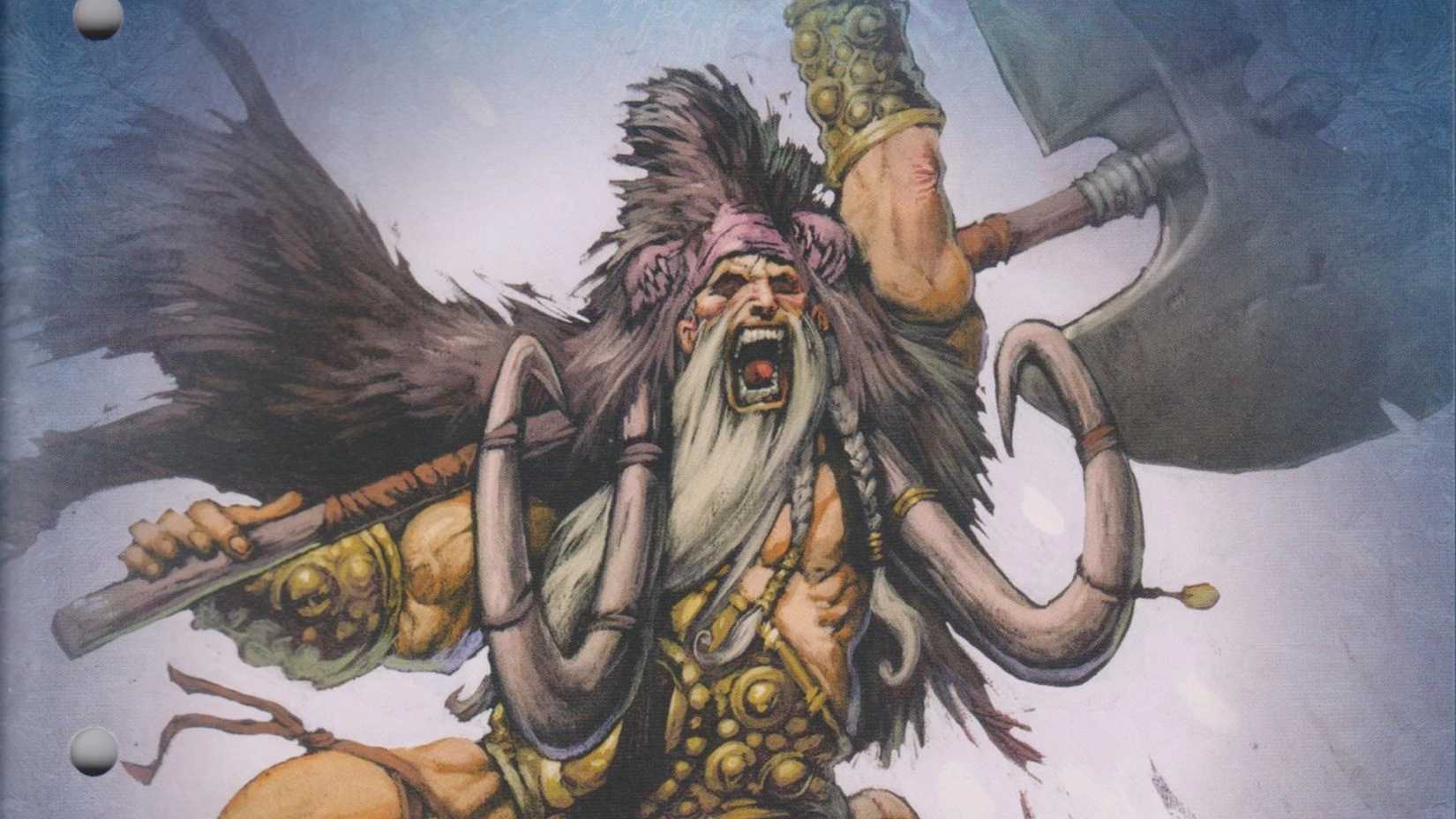
“Magic is a living thing that mirrors the zeitgeist,” Rosewater noted. “I stopped seeing the changes as an affront to my preferences and started seeing them as necessary for the players who need the game today. Recognizing the joy of others is, in the end, a net positive for everyone.”
While seeing non-traditional characters on my cards still gives me pause, it’s far from catastrophic. I can still embrace the formats I love, and appreciate the occasional Universes Beyond set—like The Hobbit—that captures the classic spirit I crave. There is no reality where the clock rolls back, and Universes Beyond vanishes. It is currently the most popular phase in the game’s history. But, as Rosewater concluded, if the winds shift and the player base turns elsewhere, Magic will simply pivot to follow them once again.
Source: Polygon
Related articles
 New Minecraft Add-On Simulates Multiplayer Offline
 Diablo IV Season of the Infernal Legacy to Feature Echo of Diablo and Other Content
 Rumor: Positive Playtest Feedback Could Bring PvE Mode to International Arc Raiders
 Remedy Explains Why Control Resonant Physical Edition Will Release Later
 Players Reject Polish Survival Game Honeycomb After Disappointing Launch
 Sonic Racing: Crossworlds to be Rereleased with Six DLC Packs and Bonuses
 tinyBuild to Showcase Anticipated Steam Game and Other Titles Tomorrow
 Mod Adds New Game Plus and Bat Flight to The Blood of Dawnwalker