6 Modern Fantasy Books for Fans of The Lord of the Rings
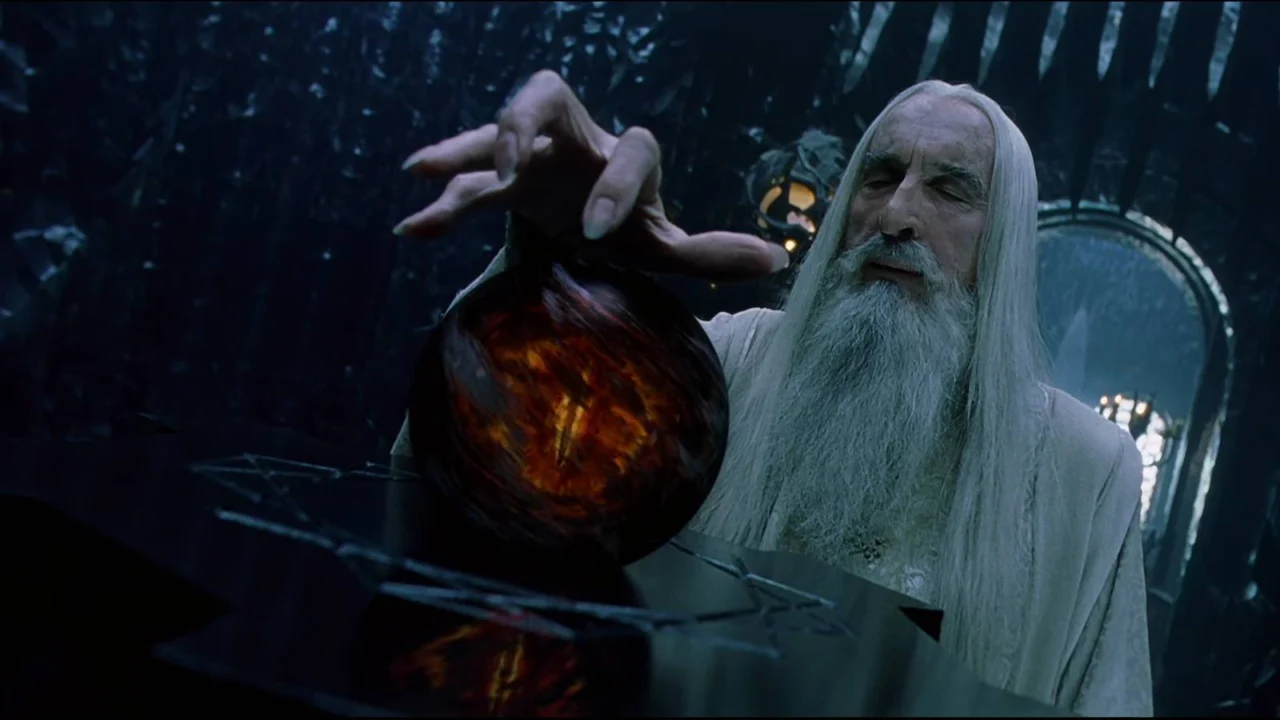
J.R.R. Tolkien’s The Lord of the Rings helped shape epic fantasy through the history and mythology of Middle-earth and the journey of Frodo Baggins and the Fellowship. More than seven decades after its publication, the story continues to inspire writers to build worlds of their own.
The following fantasy series take that tradition in different directions, from political sagas to inventive magic and mythology. All but one began in 2000 or later. The exception started in 1999 and largely unfolded over the following decade.
1. The First Law Trilogy (2006) by Joe Abercrombie
Joe Abercrombie’s The First Law trilogy opens with a kingdom on the brink of war, an ancient enemy stirring in the North, and a mysterious wizard gathering an unlikely band. Among them are Logen Ninefingers, a feared Northman trying to escape his violent past, and Jezal dan Luthar, a vain young nobleman seeking military glory. Inquisitor Glokta, a former war hero turned torturer, brings a sharp mind to the struggle despite his physical suffering. Their paths converge as the Union faces threats at home and beyond its borders.
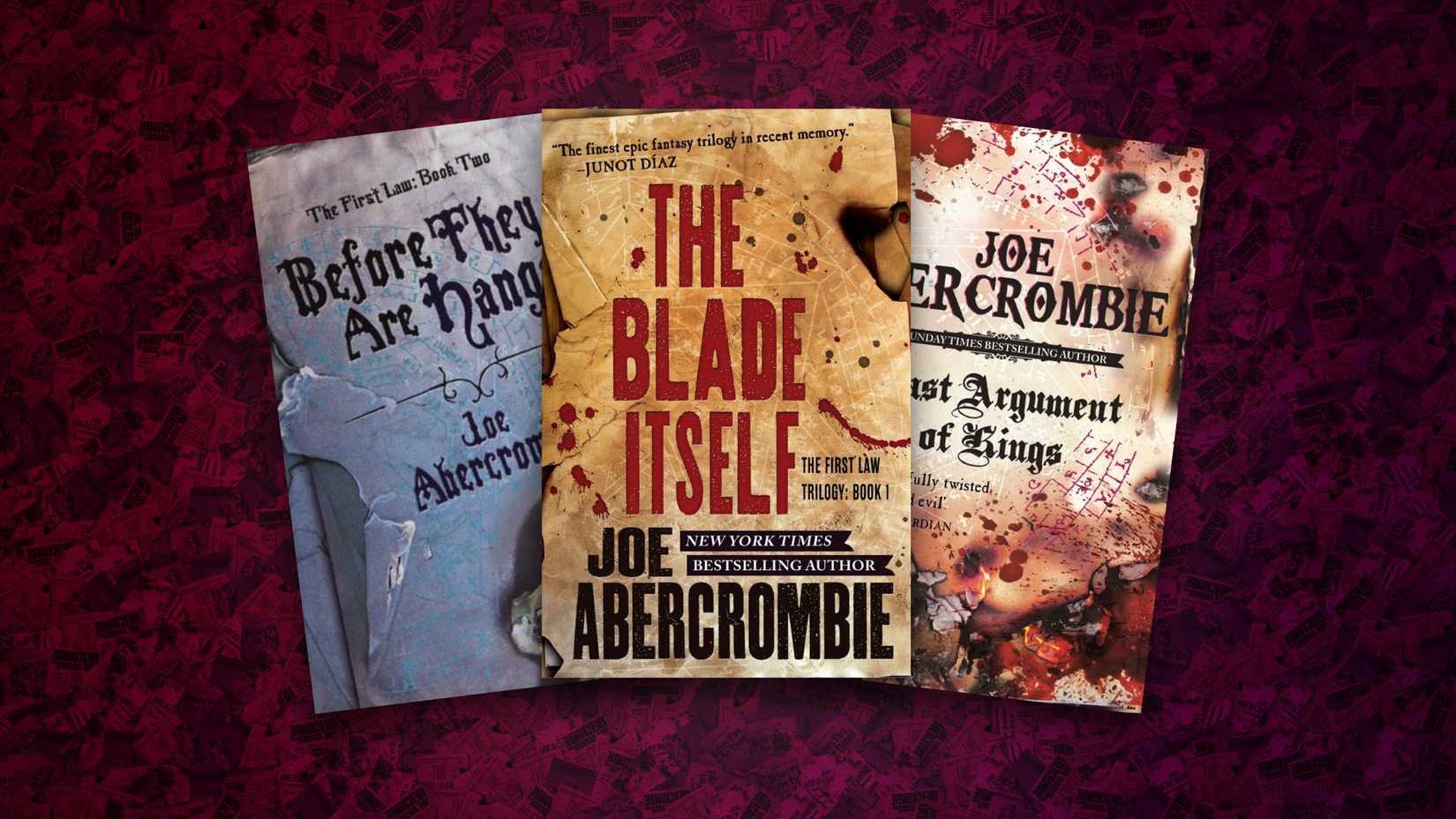
Abercrombie treats familiar fantasy archetypes with less faith in their heroism than Tolkien did, giving political scheming a central place in the story. Ancient history, supernatural threats, and a richly imagined world still give the trilogy the foundations of epic fantasy.
2. Green Bone Saga (2017) by Fonda Lee
On the island of Kekon, jade gives trained warriors supernatural speed, strength, and precision. Powerful families have controlled its supply for centuries, making jade the foundation of a criminal underworld.
Jade City, the first book in Fonda Lee’s Green Bone Saga, follows the Kaul family as tensions rise with their rivals, the Mountain clan, over control of Janloon. Political ambitions, family loyalties, and international interests turn the conflict into a generational struggle. Its consequences reach beyond Kekon to the fictional continent of Espenia and the nation of Otho.
Like melange in Frank Herbert’s Dune saga, jade shapes everything from military strategy and diplomacy to family traditions and social standing. Kekon’s history, customs, and competing ideologies give Lee’s world a cohesion that recalls Middle-earth.
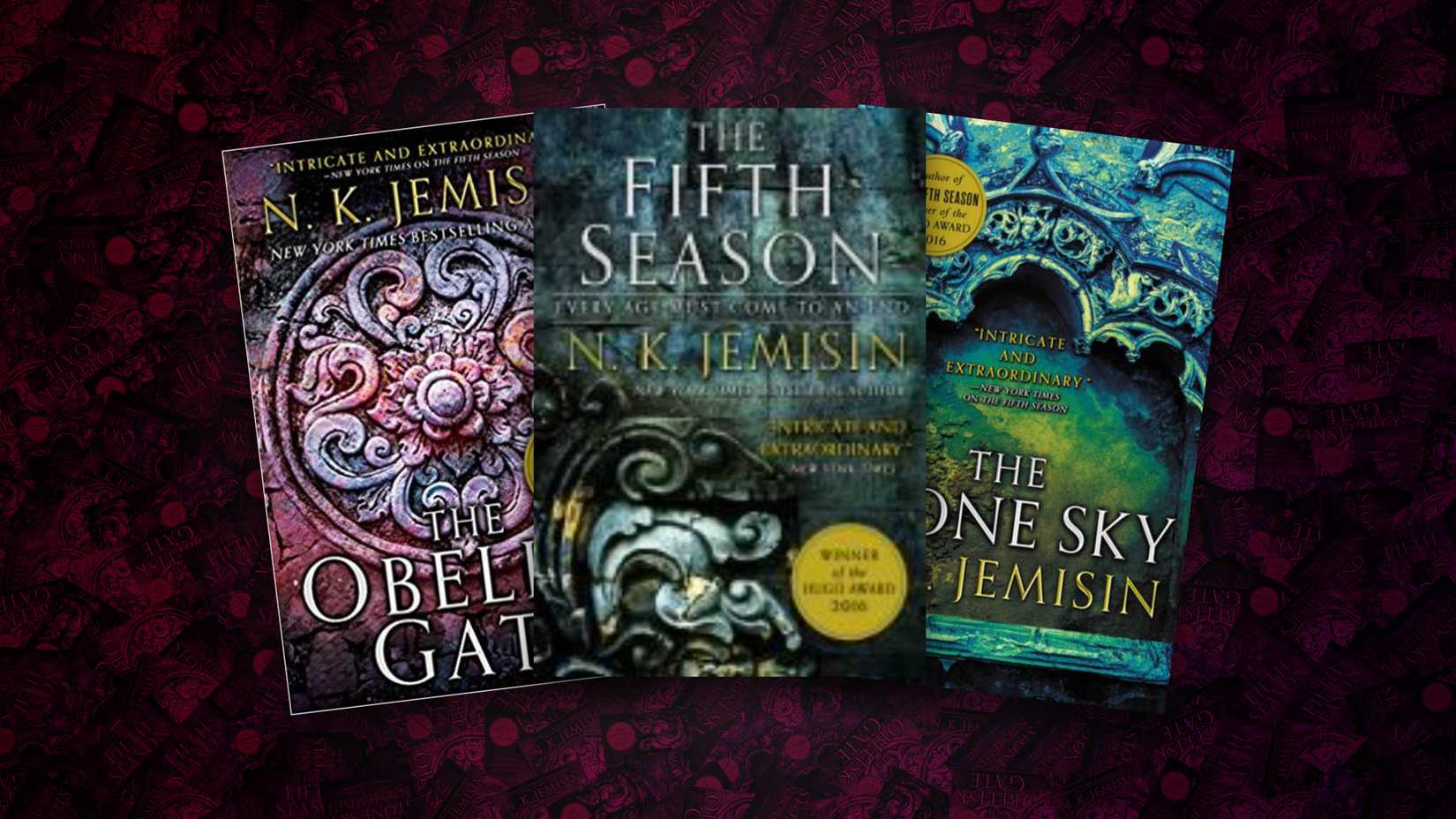
3. The Broken Earth Trilogy (2015) by N.K. Jemisin
N.K. Jemisin’s Broken Earth begins in the aftermath of an apocalypse. On the supercontinent called the Stillness, catastrophic seismic events known as Fifth Seasons periodically bring down civilizations and fill long years with volcanic ash and famine. Society depends on orogenes, people who can sense and manipulate geological energy, while enslaving and despising them.
Essun, an orogene who has concealed her abilities, returns home to find that her husband has beaten their toddler son to death after discovering his magic and kidnapped their young daughter. As she crosses the dying landscape in search of them, a new Fifth Season tears the continent apart. The events that follow reveal the cosmic origins of the world’s cycles of destruction.
Jemisin connects geological disaster, oppression, and generational trauma to the history of the Stillness, expanding Essun’s personal tragedy into an epic. Each of the trilogy’s three books won the Hugo Award for Best Novel, in three consecutive years.
4. The Dandelion Dynasty (2015) by Ken Liu
Inspired by Chinese history and classical literature, Ken Liu’s Dandelion Dynasty moves away from the medieval European settings common in epic fantasy. Its silkpunk aesthetic brings airships and other mechanical inventions into a world of competing philosophies and meddling gods. The setting, Dara, carries the weight of centuries of forgotten conflicts.
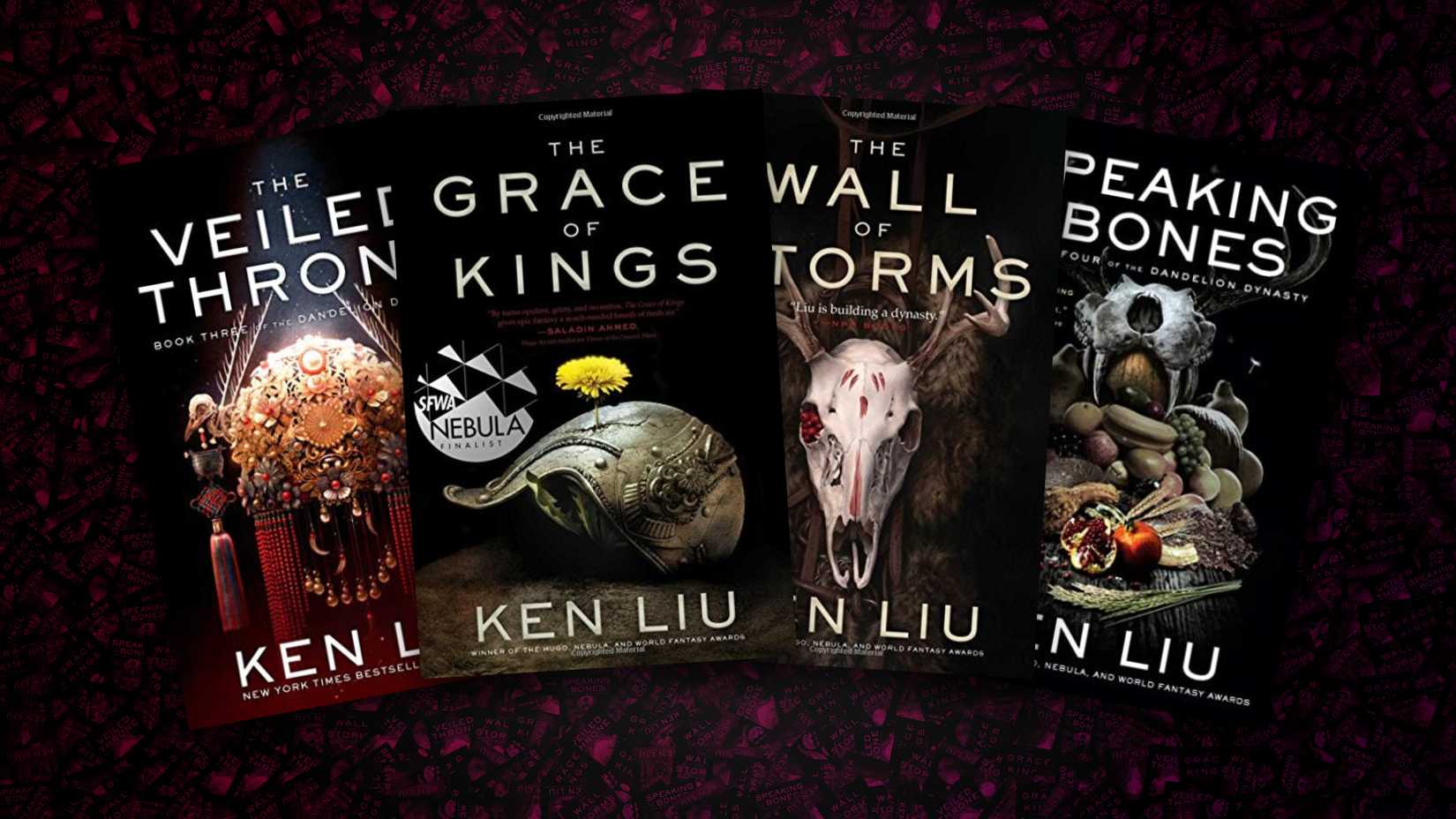
Emperor Mapidéré conquers the islands of Dara and unites their warring kingdoms, but his death leaves a power vacuum. Kuni Garu, a charming former bandit, and Mata Zyndu, a towering warrior from a disgraced noble family, become unlikely allies against the imperial regime. Their different visions for Dara eventually bring them into bitter conflict.
Across four novels, Liu follows the generations who inherit their struggle, turning the rebellion into a chronicle of political upheaval.
5. The Stormlight Archive (2010) by Brandon Sanderson
Brandon Sanderson is known for intricate magic systems and interconnected stories. His multi-volume Stormlight Archive begins with The Way of Kings, set on Roshar, a world whose ecology is shaped by violent highstorms. Its civilizations face the return of the Desolations, an ancient cycle of apocalyptic wars.
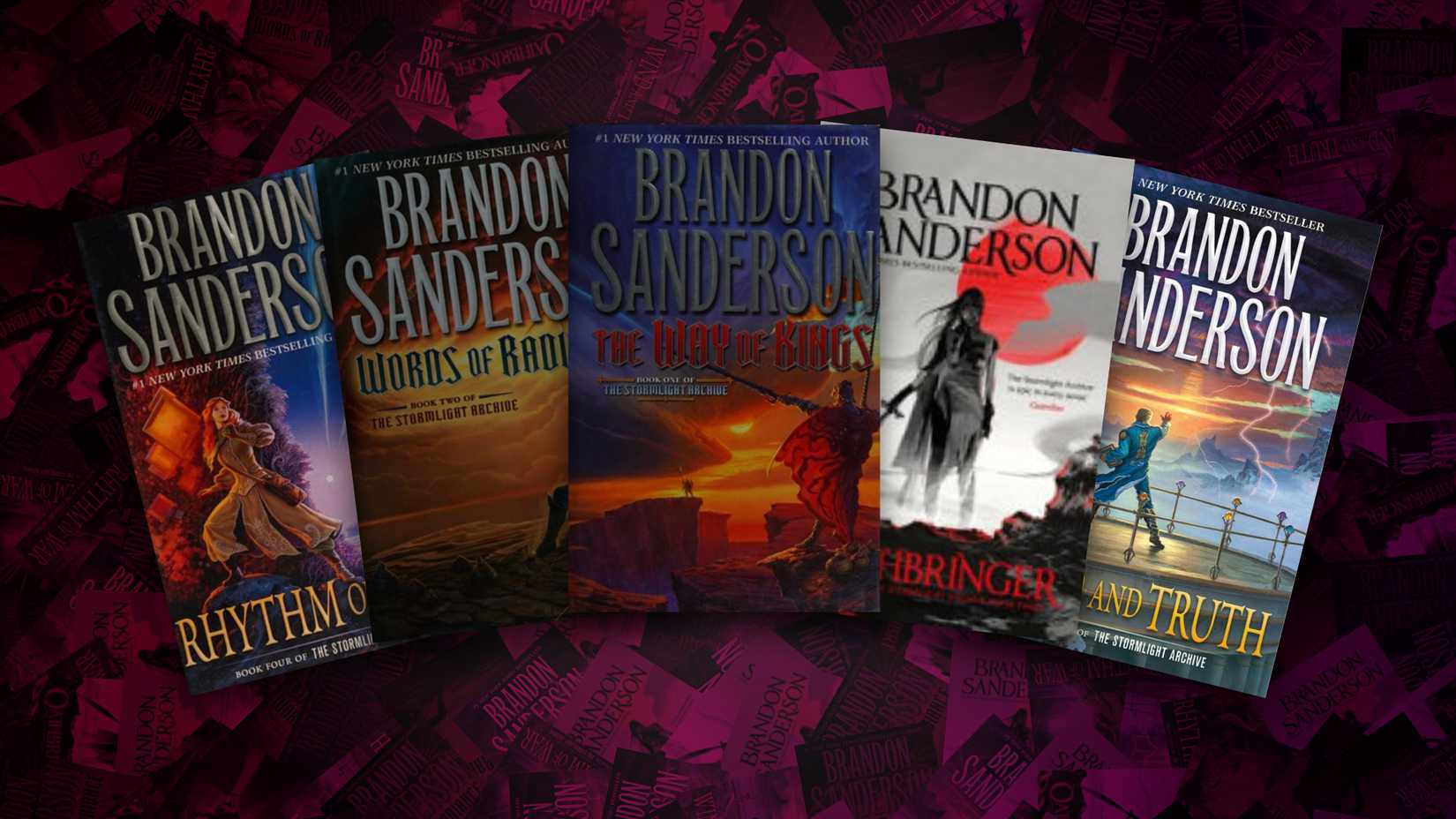
The story centers on Kaladin, a disgraced soldier forced into slavery as a bridgeman, who tries to save his crew while discovering lost powers. It also follows Shallan Davar, a young scholar seeking a secret that could save her family, and Highprince Dalinar Kholin, a warlord whose visions urge him to unite a fractured kingdom before a cataclysm.
Roshar’s flora, fauna, political rivalries, and ancient Radiance-bound magic create a detailed setting. Like Tolkien, Sanderson places moral choices made by damaged or seemingly ordinary people at the heart of a story with a vast historical scope.
6. The Malazan Book of the Fallen (1999) by Steven Erikson
Steven Erikson’s The Malazan Book of the Fallen follows an empire already at war. Across ten volumes, the series spans thousands of years and follows an extensive cast rather than a single protagonist. Its characters include the elite soldiers known as the Bridgeburners, who fight on Genabackis, and squad leader Whiskeyjack. Ascendants and ancient non-human peoples, including the Tlan Imass and K’Chain Che’Malle, also play a part.
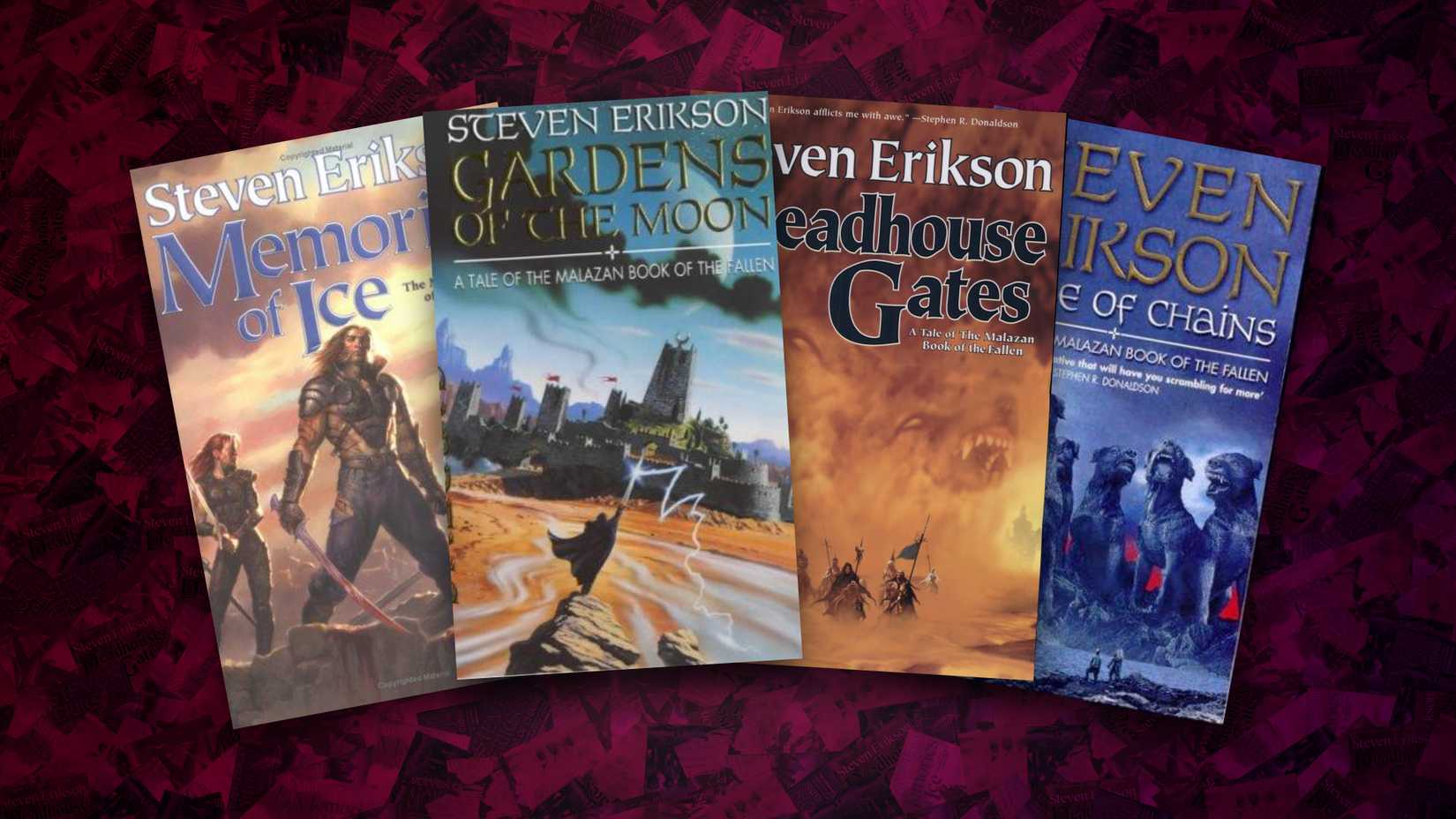
From the siege of Pale to conflicts involving gods across Seven Cities and Lether, the story expands from imperial conquest into a struggle over existence itself.
The series began with Gardens of the Moon, published in the UK in 1999. Erikson developed the Malazan world with fellow anthropologist and archaeologist Ian C. Esslemont over decades of tabletop roleplaying, giving it hundreds of thousands of years of layered history. Where Tolkien approached his world like a linguist gathering ancient lore, Erikson’s approach resembles an archaeologist’s excavation.
Source: Polygon
Related articles
 Gamers Fear Falling in Love With GTA VI’s Lucia and Worry About Their Real-Life Relationships
 Fans Add Enhanced Co-op Multiplayer in Major Mass Effect Legendary Edition Update
 Fortnite Officially Reveals the Odds of Getting a Pirate Shop Access Token
 A physical copy of GTA VI was shown online with references to in-game purchases and online features
 7 Funniest Far Side Comics About Elephants
 Cyberpunk 2077 Gets Fan-Made Multiplayer With RP Servers
 Sony Begins Adding PlayStation Exclusive Labels to Games as Players Cite Fan-Made PC Ports and Emulators
 Blizzard to Mark Diablo Franchise’s 30th Anniversary With ‘Legacy of Terror’ Event Featuring Diablo Clones in Diablo II: Resurrected