James Gunn’s 2025 DCU Launch: Defying Marvel’s Core Rules

Typically, evaluating the trajectory of the Marvel Cinematic Universe requires a deep dive into an expansive library of interconnected films and television series, all while tracking a dense production pipeline. In stark contrast, defining the current DC Universe is a much more concise endeavor. For the moment, the landscape consists of just one flagship feature film and a single season of television—curiously featuring a cast of characters originally introduced in a completely different cinematic era.
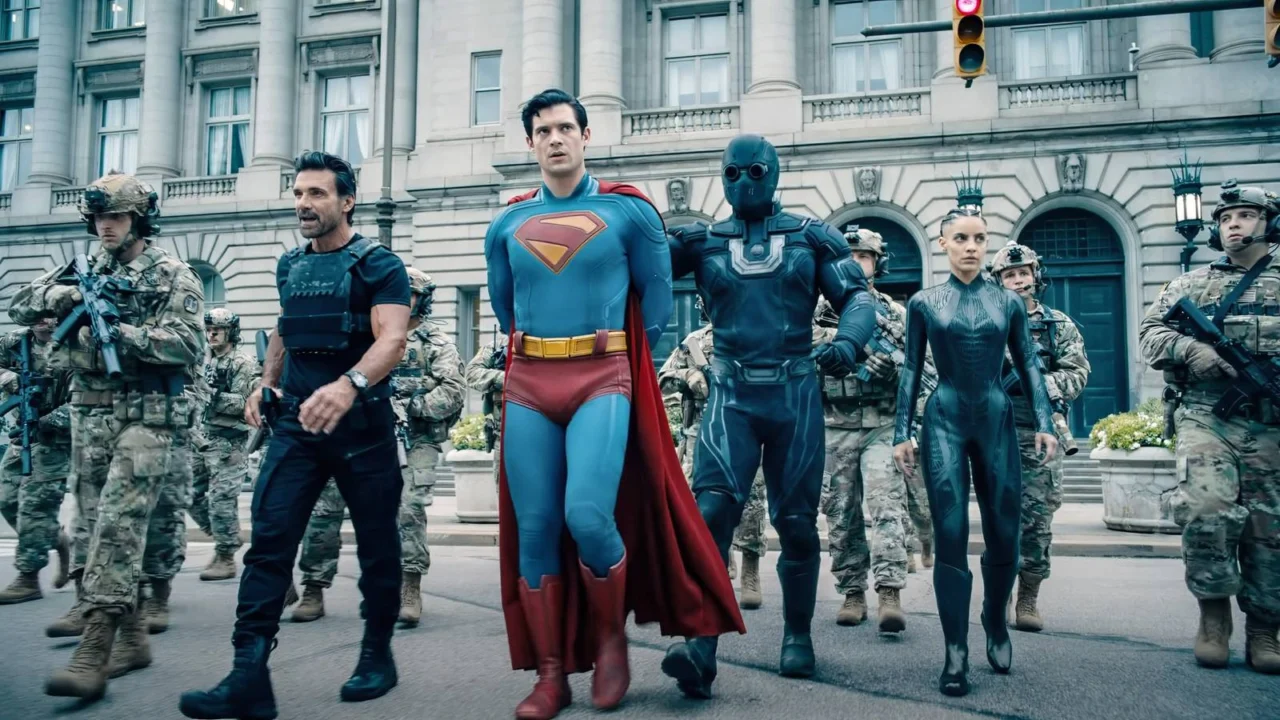
This streamlined start is no accident. DC Studios leads James Gunn and Peter Safran seem intent on dismantling the established blueprint for building a superhero franchise. While Superman served as the official “hard launch,” the duo spent the previous year orchestrating a subtle soft-launch of their shared world. By defying industry norms, Gunn and Safran are signaling a pivot toward a more eccentric, creator-driven universe. Here is a look at the traditional rules they have already broken and what those choices suggest about the DCU’s future.
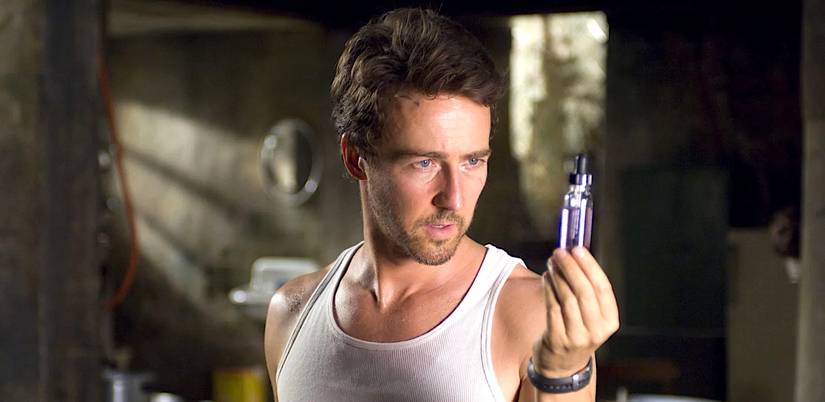 Photo: Universal Pictures/Marvel Enterprises
1. Avoiding the Clean Break
When Marvel Studios began its journey, it was largely forced to start from scratch, lacking the rights to existing movie versions of its characters. This worked to their advantage; audiences weren’t distracted by previous iterations during Iron Man. Even 2008’s The Incredible Hulk, which loosely mirrored the vibe of the 2003 film, eventually distanced itself from past lore to ensure a fresh start. Most successful reboots follow this “scorched earth” policy to avoid continuity fatigue.
Gunn, however, has taken the opposite path. Instead of discarding everything from the previous “DCEU” regime, he integrated the second season of Peacemaker into his new timeline. He chose to retain the version of the character he and John Cena established in The Suicide Squad—ironically the lowest-grossing film of the previous era but the only one to survive the transition. While this risks confusing casual viewers, Gunn is leaning into the serialized nature of comic books. This strategy effectively makes the animated Creature Commandos and the upcoming Lanterns series—featuring Nathan Fillion as Guy Gardner—feel like extensions of an existing world rather than a cold start.
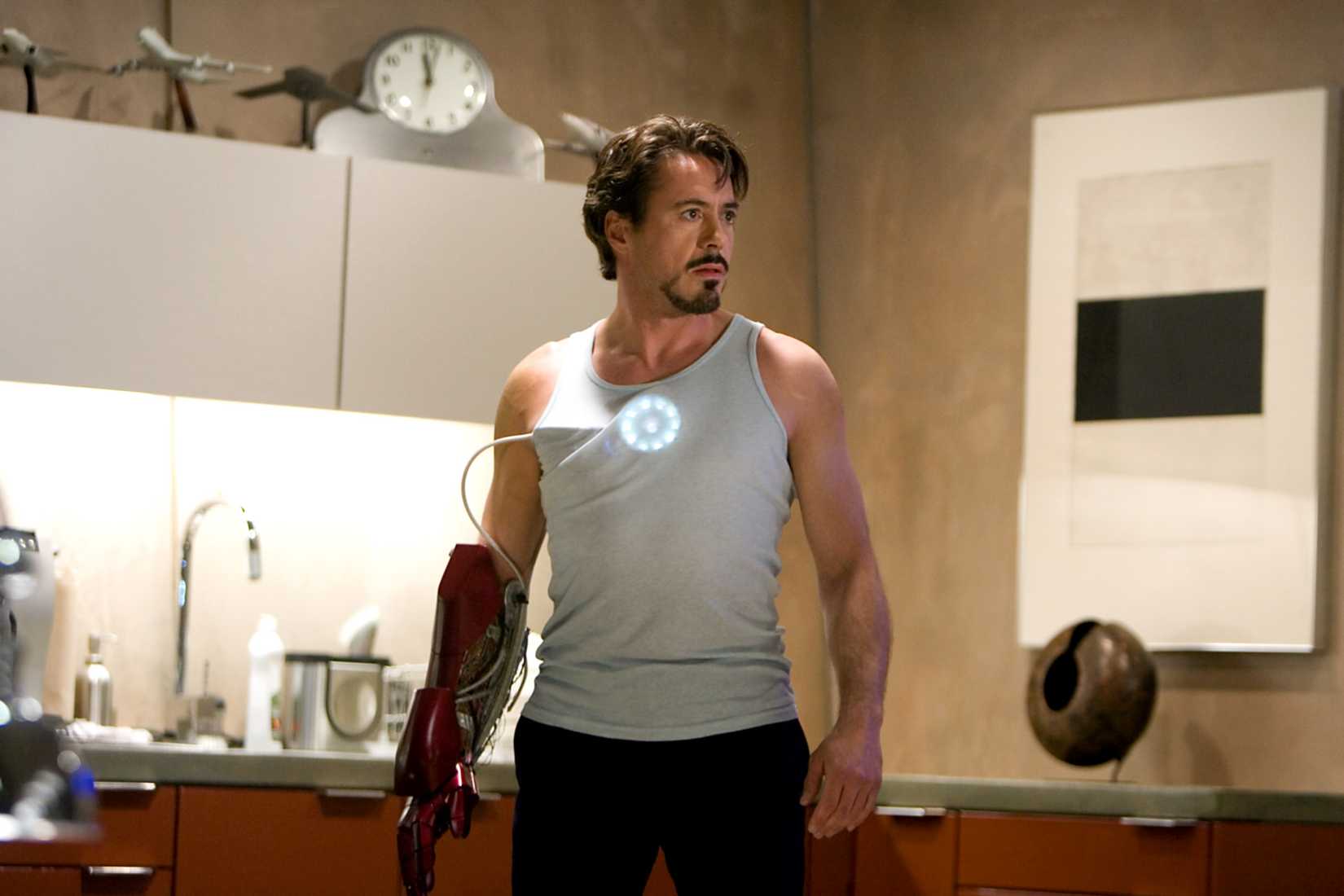 Photo: Paramount Pictures/Courtesy Everett Collection
2. Starting Big Instead of Small
In 2008, Iron Man felt remarkably grounded. It focused on a relatively obscure character in a world that mostly resembled our own. This allowed Marvel to slowly habituate audiences to more fantastical elements over several years. Gunn’s Superman, by comparison, jumps straight into the deep end of cosmic lore. The film introduces a pocket dimension, an alien super-dog, and a Green Lantern, presenting a protagonist who has already been active for three years.
By skipping the traditional origin story, Gunn avoids retreading familiar ground, but he also raises a new question: if every entry starts in media res, will the universe lose the sense of wonder that comes from witnessing a hero’s first steps? It’s a bold gamble that assumes the audience is already fully literate in superhero tropes.
 Image: Warner Bros.
3. The Extended Momentum Gap
Marvel maintained a relentless pace at the start, releasing The Incredible Hulk just six weeks after Iron Man. This rapid-fire release schedule signaled that a larger event was imminent. The DCU is taking a more leisurely approach. While Superman introduces Supergirl in its final moments, the next theatrical entry won’t arrive until mid-2026. This significant gap gives Gunn more time to refine the creative direction, but it also risks cooling the enthusiasm generated by the first film. The challenge will be maintaining “universe” hype when the next chapters feel like standalone sequels rather than building blocks of a massive crossover.
4. Creator Vision vs. The “Feige” Model
While Kevin Feige became the architect of the MCU by blending various directorial styles into a cohesive “house style,” the DCU feels distinctly like a James Gunn production. His fingerprints are everywhere—from the quirky character dynamics to the script-first development process. Currently, the slate is heavily weighted toward the Superman family, with a sequel already planned for 2027. This suggests that rather than a sprawling multi-franchise ensemble, the DCU will function more as a centralized series orbiting Gunn’s specific sensibilities. Whether this approach allows room for other iconic heroes like Batman or Wonder Woman to shine in their own unique ways remains to be seen.
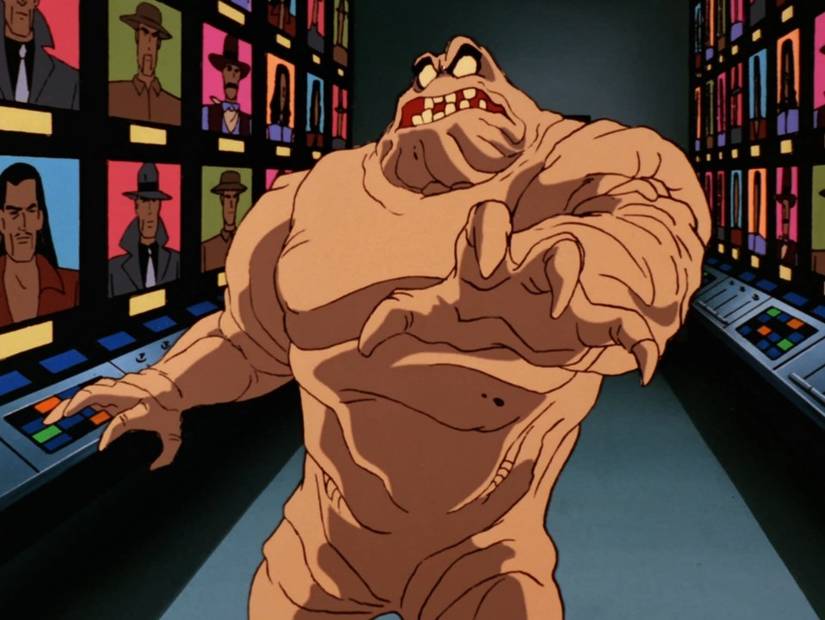 Image: Warner Bros. Animation
5. The “Clayface” Strategy
Perhaps the most radical departure from convention is the decision to greenlight a solo movie for a shapeshifting horror villain like Clayface before even casting a new Batman or Joker. While Marvel has avoided villain-centric leads (aside from anti-hero projects like Thunderbolts), the DCU is diving into niche body-horror with a 2026 Clayface film. By prioritizing a secondary antagonist over the “Trinity” of Batman, Wonder Woman, and Superman, Gunn is signaling that the DCU will be a place for unconventional storytelling. It’s a move that defies every rule of studio logic, proving that under Gunn, the only predictable thing about DC is its unpredictability.
Source: Polygon
Related articles
 GTA VI Anticipation Drives Up PS5 Sales in the UK
 Nvidia Confirms DLSS 5 Support for RTX 40 Series
 Miami Officials Criticize GTA 6 Marketing Over Vice City Comparisons
 Sony Announces Lineup for Tokyo Game Show 2026
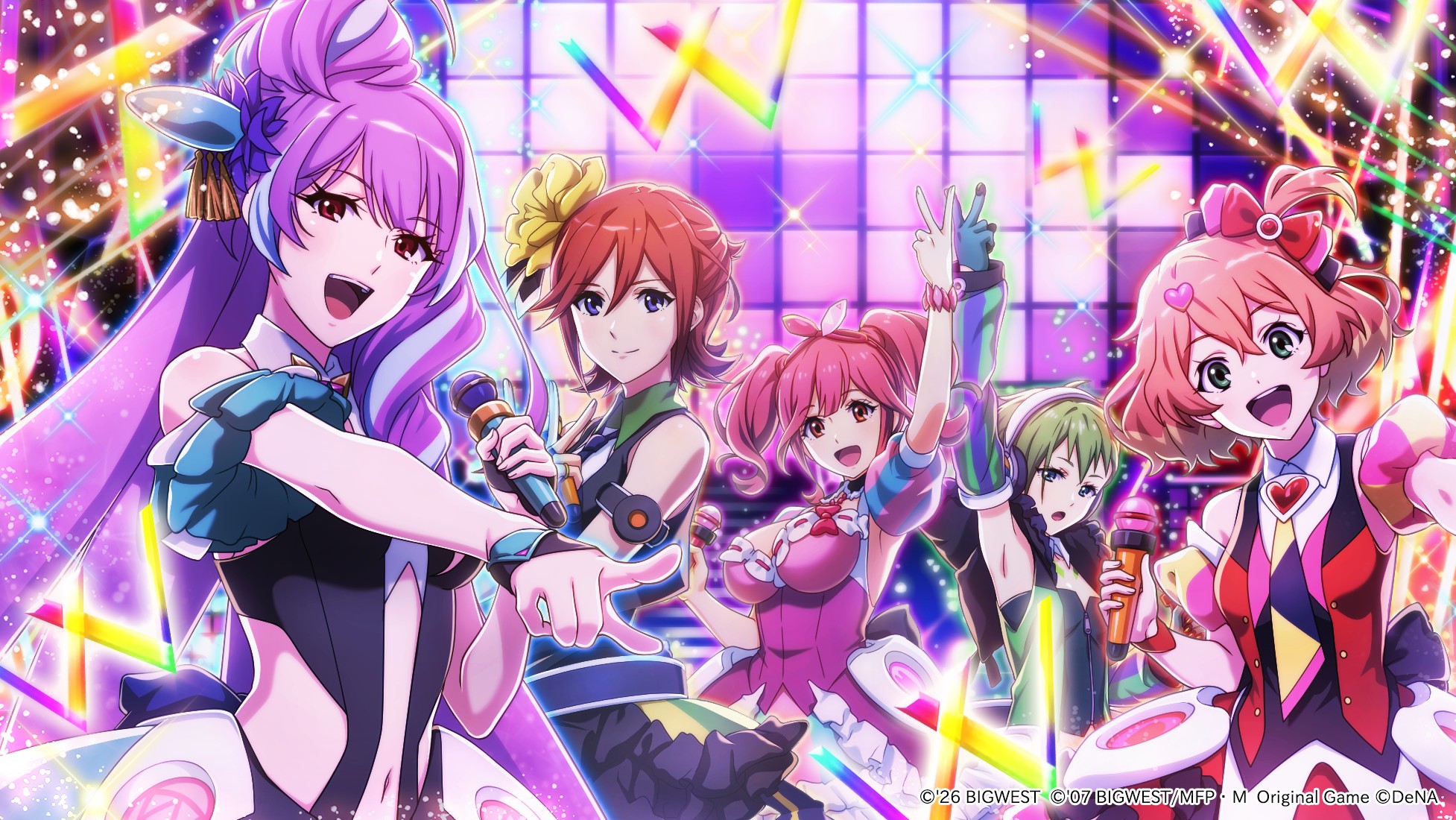 Uta Macross returns as a rhythm game for PC and mobile
 DLSS 5 Works on Budget Graphics Cards, Not Just RTX 5090
 Cosmic Horror Game Black Walls Features Inescapable Labyrinth
 Xbox Limits Cloud Gaming Session Time