When Sonic Mania launched in 2017, it served as a resounding proof that Sega and Sonic Team were finally tuning into what the fanbase truly desired. Initially unveiled during the franchise’s 25th-anniversary celebration in 2016, the project was born from a creative partnership between Sonic Team and a collective of talented independent developers spearheaded by designer Christian Whitehead. Following the runaway success of both the original release and its expanded edition, Sonic Mania Plus, Sonic Team opened a dialogue with Evening Star—the studio established by Whitehead and several key members of the original Mania team in 2018. Yet, despite moving into early prototyping, a direct successor never materialized.
By 2023, hopes for a continuation of the Mania formula had largely faded. Evening Star pivoted toward crafting its own original platformer, Penny’s Big Breakaway, while Sega introduced a different 2D iteration in the form of Sonic Superstars, developed alongside Arzest, the studio founded by Sonic co-creator Naoto Ohshima. Reflecting on those early discussions during a previous conversation about the sequel’s fate, Iizuka acknowledged the exploratory phase. “There was a period following the completion of Sonic Mania where we collaborated closely to brainstorm concepts for the next evolution of Classic Sonic,” Iizuka explained. “While it’s unfortunate that vision didn’t materialize into a finished product, I am glad that the foundational ideas we discussed ultimately influenced the direction of Superstars.”
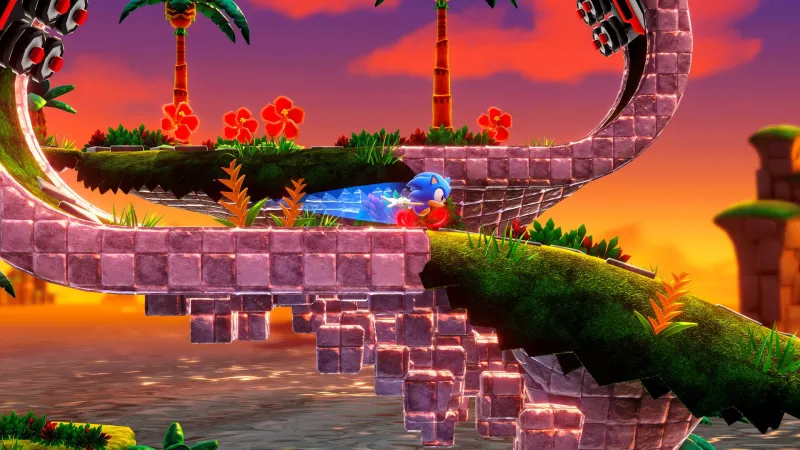
Iizuka noted that leadership ultimately sought a different stylistic direction for the franchise’s next chapter, opting for 3D polygon models over traditional pixel art to attract a broader demographic. Whitehead corroborated this perspective, stating that transitioning beyond retro aesthetics was always part of Evening Star’s long-term vision. “Our primary ambition when launching Evening Star was to venture into fully 3D environments and build brand-new, original intellectual properties,” Whitehead shared. “We certainly explored potential avenues for Classic Sonic alongside Sega, but a formal sequel was never actually in active production. We mutually agreed to pursue something fresh, experimenting with hand-drawn visuals and 2.5D concepts. Utilizing our proprietary Star Engine, we engineered an intriguing prototype that played with depth and fresh mechanics. However, as Iizuka-san noted, we didn’t push it to full production, paving the way for Arzest to helm Superstars alongside Sonic Team while we forged ahead with Penny’s Big Breakaway.”
Years later, Sonic Team is once again embracing external partnerships, teaming up with TecoPark for the upcoming release of Sonic Pico Park this November. When discussing his criteria for choosing development partners, Iizuka emphasizes the importance of identifying studios that complement Sonic Team’s core strengths. “Our team excels at designing fast-paced action titles—it’s our bread and butter,” Iizuka points out. “Conversely, the developers behind Pico Park possess exceptional expertise in the action-puzzle genre, territory we have never ventured into ourselves. Rather than forcing our internal teams into unfamiliar territory, collaborating with specialists yields far better results.”
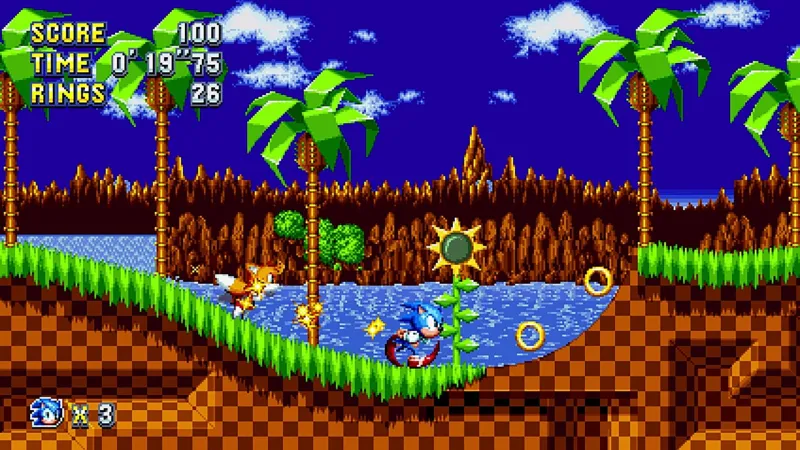
Given that Sonic Mania remains a benchmark for successful collaborative design, the conversation inevitably returned to the lingering possibility of a future sequel. While nothing is currently greenlit, Iizuka insists the door remains open. “We maintain a remarkably close bond with them,” he notes. “We frequently catch up over meals and drinks because fostering genuine relationships matters to us. They have a packed roadmap aligned with their own creative ambitions and business goals. While we have nothing concrete to announce today, the mutual desire to work together again is very real. We have immense respect for their talent, so while it isn’t an active project right now, it is certainly never off the table.”
When reaching out to Evening Star chief technology officer Hunter Bridges for his perspective, it turned out he had already caught wind of the remarks in the latest issue of Game Informer. He humorously emailed Iizuka with the subject line “Eating and Drinking” in an attempt to coordinate a meetup during Iizuka’s visit for the Tokyo Game Show, though scheduling conflicts ultimately kept them from connecting this time around.
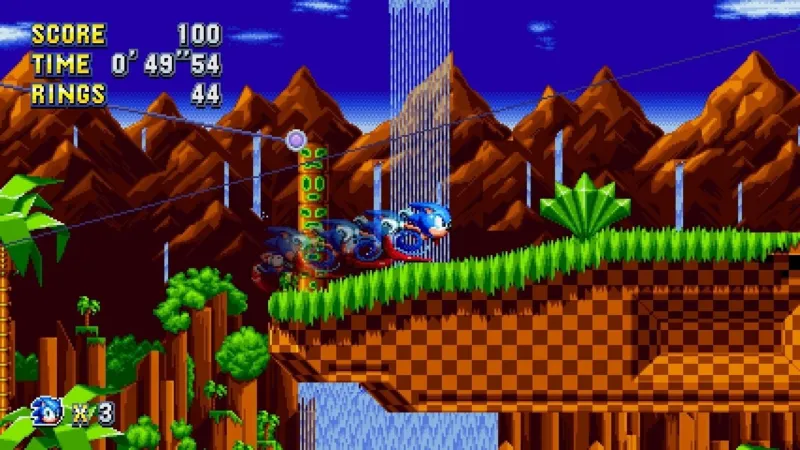
“Our rapport with Sega remains fantastic, and we stay in regular communication,” Bridges shares. “We’re currently engrossed in an exciting new venture, though it isn’t Sonic-related. That said, if the right circumstances align for both parties down the road, we would be thrilled to tackle another Sonic project. Whether that ultimately takes the form of a direct Mania sequel remains to be seen—after all, we are a fiercely ambitious studio!”
Upon its 2017 debut, Sonic Mania captured widespread critical acclaim, securing an impressive 86 on Metacritic alongside an 8.5 rating from Game Informer. Subsequent releases like Sonic Superstars and Penny’s Big Breakaway achieved more modest critical receptions, landing scores of 73 and 74 respectively, which included a 7.5 for Superstars and a 7 for Penny from our reviewers. While neither Sonic Team nor Evening Star has officially revealed their next major initiatives, Iizuka recently indicated to 4Gamer a steadfast commitment to pushing both the 2D and 3D dimensions of the franchise forward.
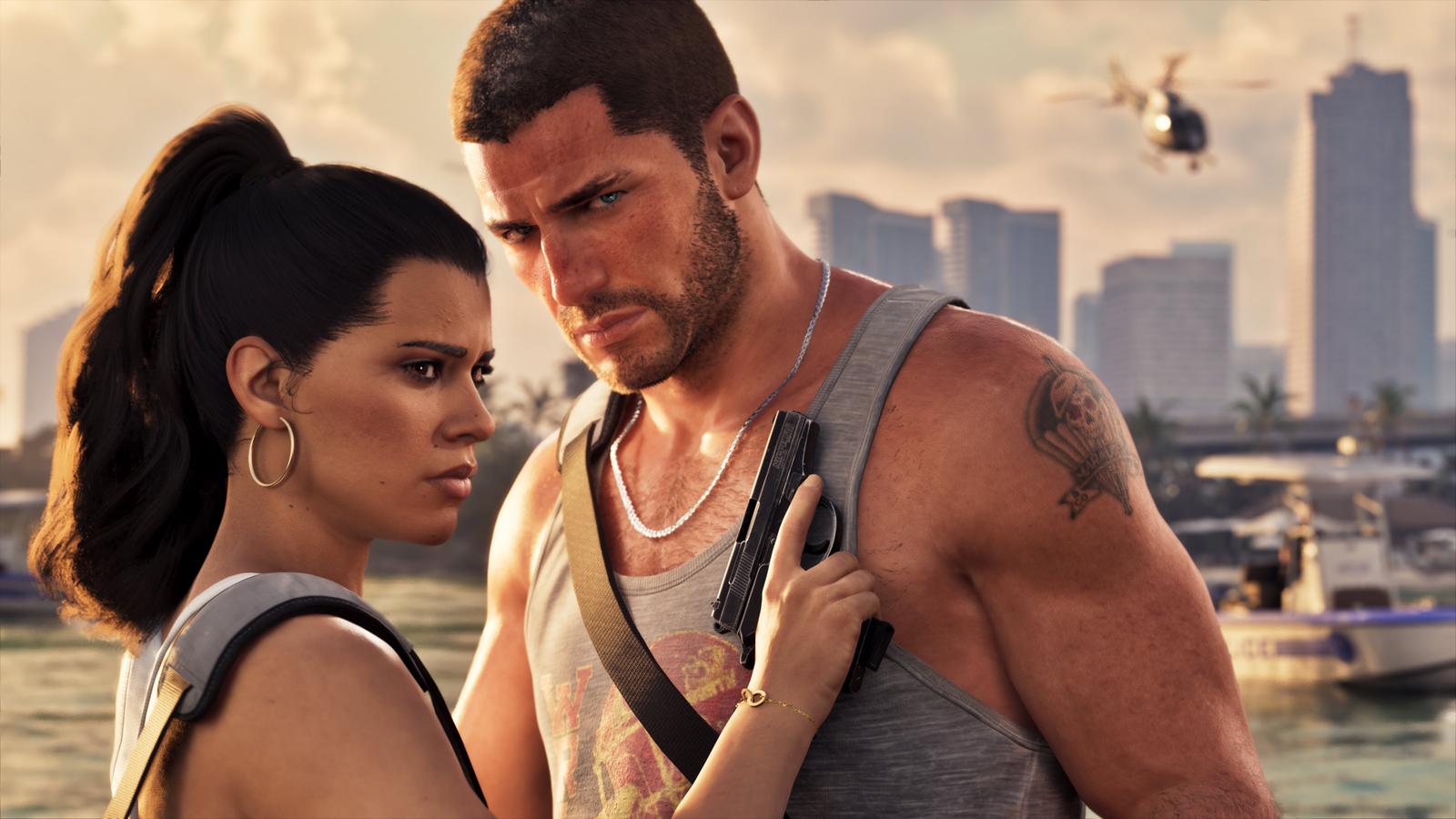 Fans update custom GTA 6 map with smaller size and more detail
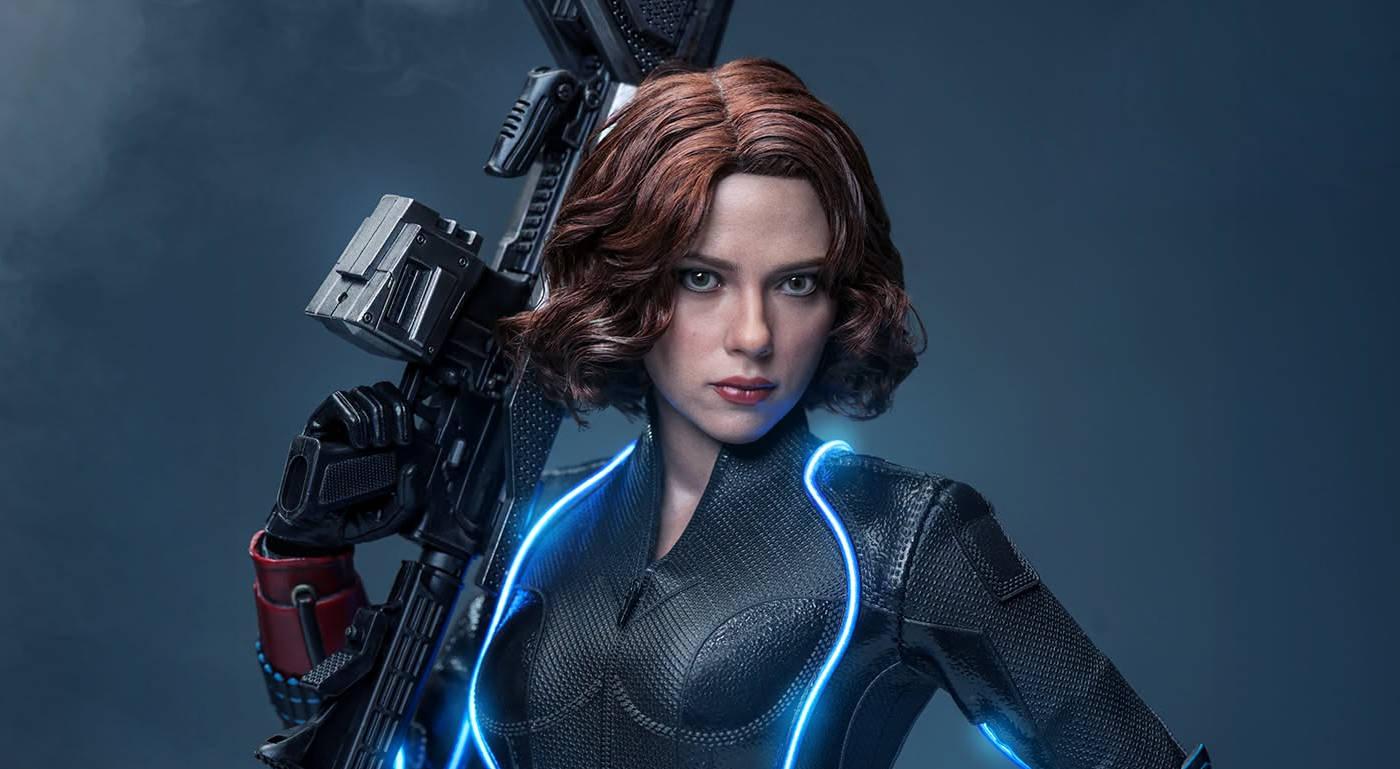 Hot Toys Unveils Avengers: Age of Ultron Black Widow Artisan Edition Figure
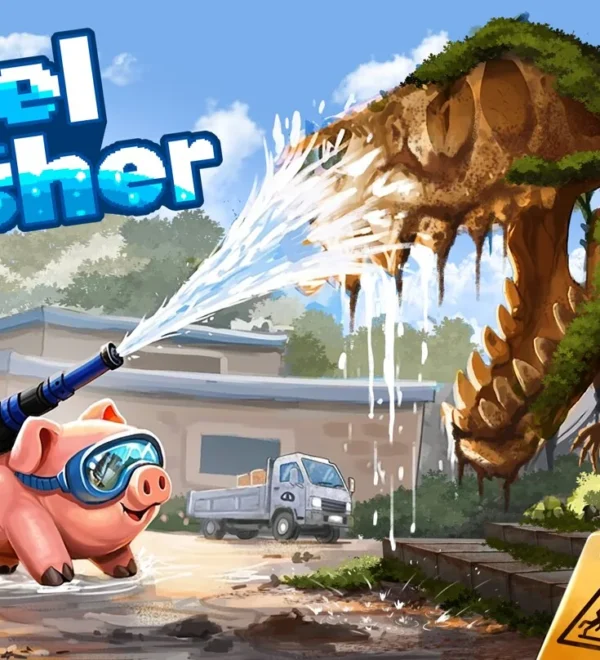 Pixel Washer sets October 15 Steam Early Access launch
 Resonant Boss Locations and Combat Ability List in Control Resonant
 Where to Find the Mysterious Dog Toy in Control Resonant
 Ex-Blizzard Head Tells Halo Fans to Rejoice Over Activision Franchise Move
 Rumor: Microsoft Lays Off Most Halo Studios Staff, Leaving 20 Employees
 Out of Bounds returns October 6 with 16 indie games and two reveals