
How The Mad King Saved Game Of Thrones
Has there ever been a more significant fumble than the ending of Game of Thrones? After 73 episodes spanning eight seasons, totaling 70+ hours, showrunners David Benioff and D. B. Weiss adapted George R.R. Martin’s A Song of Ice and Fire novel series into an ending that made Game of Thrones fall from grace. Even years later, the stink of failure remains. No conversation about Game of Thrones happens without scrunching your face and saying, “that ending, though…”
While nothing can ever undo the Game of Thrones finale, one new addition may begin to repair that damage. Enter Game of Thrones: The Mad King, a stage play directed by Dominic Cooke and written by Duncan Macmillan. The stage adaptation is set during the waning days of Mad King Aerys’ reign, the fateful jousting tournament at Harrenhal, and the eventual lead-up to Robert’s Rebellion.
As a diehard ASoIaF fan who has read all the books, I felt excited and nervous to attend an early preview of The Mad King ahead of its world premiere on August 8. After traveling to the Royal Shakespeare Theatre in Stratford-upon-Avon, England, and seeing the show, I can report that this is the Game of Thrones follow-up fans have been waiting for, and it is a bold piece of theater in both its story and its presentation.
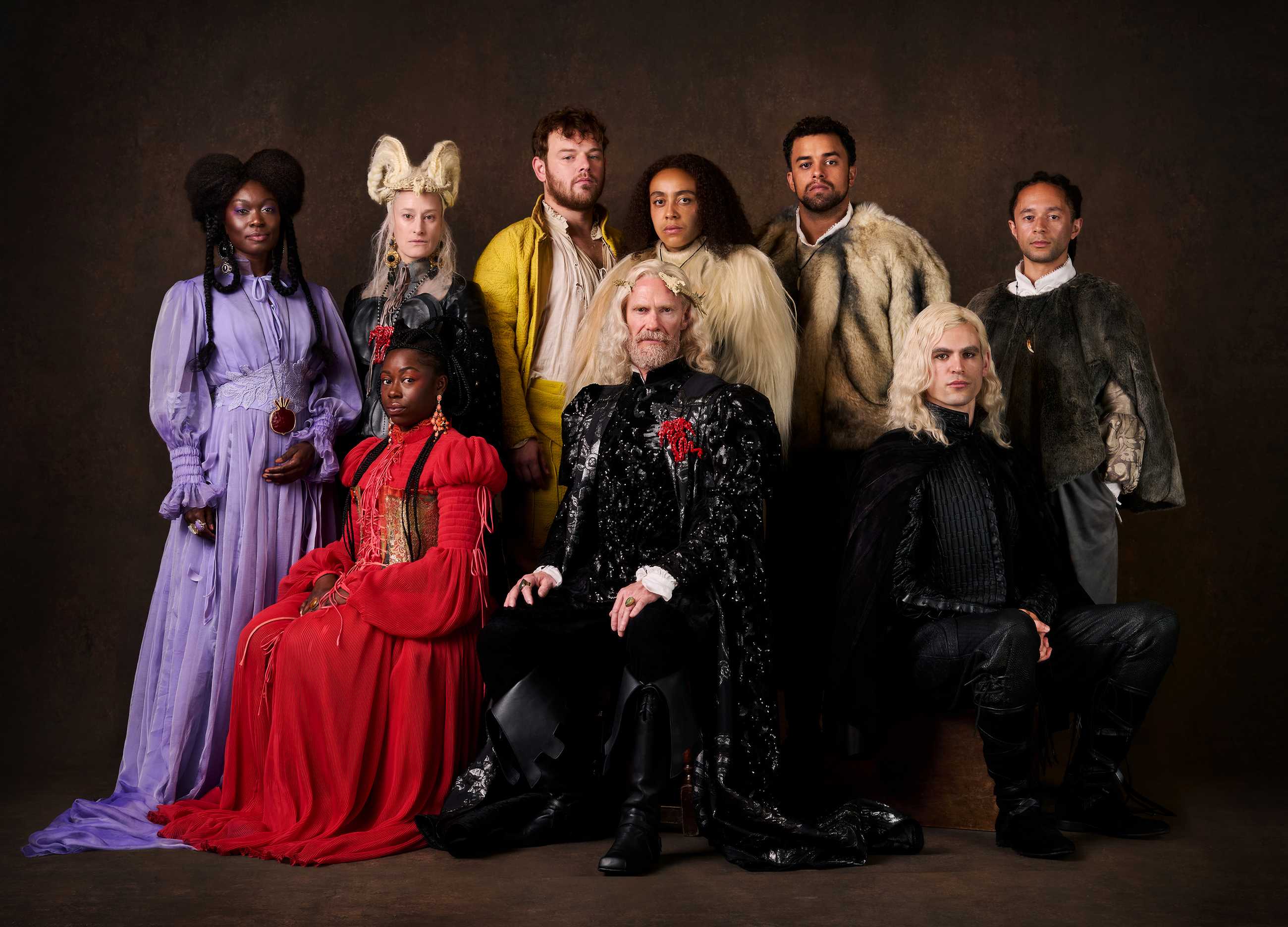
For readers who have trawled through all the books of A Song of Ice and Fire and are aware of the unanswered questions about the era before the novels and HBO’s TV adaptation, The Mad King is like uncovering the key that helps decipher an ancient map. Fans finally have answers on message boards and social media to the mystery of what happened on those fateful days leading up to Robert Baratheon taking up arms against King Aerys and slaying his son, Prince Rhaegar Targaryen.
The main players in the stage play are Eddard “Ned” Stark (Michael Abubakar), Lyanna Stark (Harmony Rose-Bremner), Prince Rhaegar Targaryen (Noah Ritter), Princess Elia Martell (Elizabeth Ayodele), Ashara Dayne (Tanisha Spring), and Lord Robert Baratheon (Callum Woodhouse). Other recognizable characters from the novels and the TV adaptation also appear, including Jamie (Maxim Ays) and Cersei Lannister (Daisy Franks), but the Starks, Targaryens, Baratheons, and Martells drive the story forward.
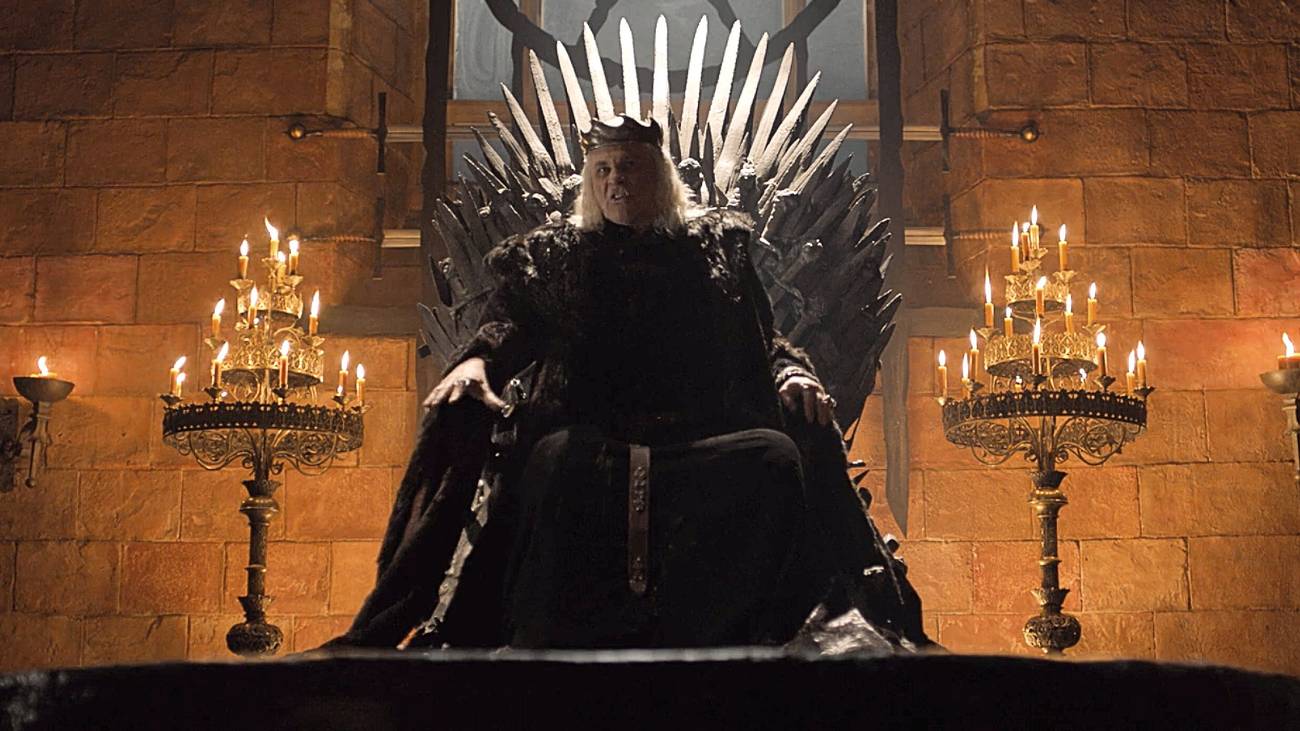
After a long period of winter, the Whents of Harrenhal called for a celebration, hosting a jousting tourney to bring the nobility together. The real reason for the event soon becomes clear as Rhaegar and two of his most loyal Kingsguard plan to overthrow his father, King Aerys. We know from the novel and the TV adaptation that Aerys lived up to his nickname, and Michael Shaefer portrays this haunted fanaticism with a mix of glee and somberness that makes you both laugh and feel sorry for the tyrannical king.
Aerys is not the only character who defies expectations. Cooke and MacMillan take what people thought they knew about these characters from ASoIaF and transform them into fully fleshed-out individuals. The most striking example is Princess Elia Martell. Fans want to know more about the romance behind Rhaegar and Lyanna’s story, but Elia steals the show. The novels portray her as a heartbroken Dornish maiden, bereft after Rhaegar runs off with Lyanna Stark and leaves her and her children behind. Elia has opinions about Rhaegar’s abandonment, but she is politically savvy and looks for a way to come out ahead even with her head on a chopping block.
It would be wrong to mistake this political know-how for cruelty. Elia is a Dornish princess in a land where her Dornish beliefs and customs are looked down upon. She has few allies outside of her lover Ashara, her brother Oberyn (Edem-Ita Duke), and her uncle, Lewyn (Adrian Christopher). In one scene, Aerys looks at his new grand-sire and calls him a “Dornish mongrel.” It is rough to be from Dorne.
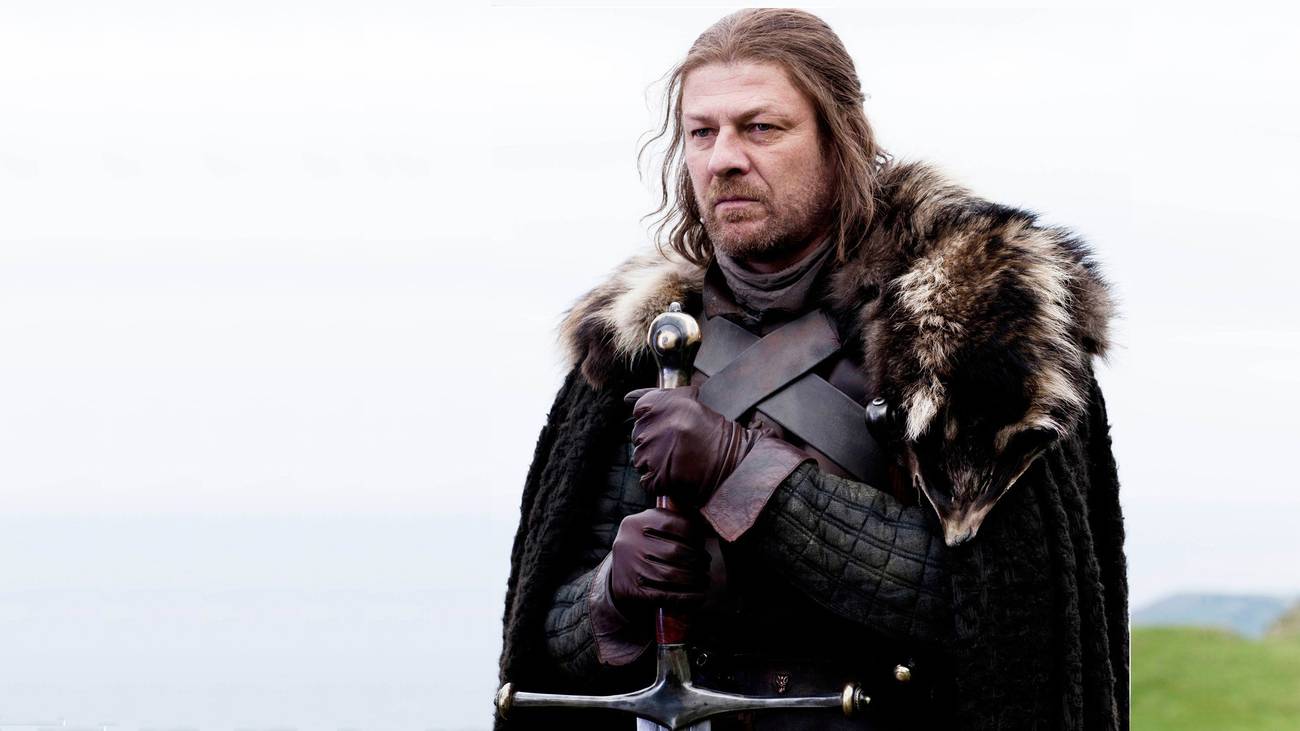
Sean Bean played Ned Stark in the TV adaptation, and filling those shoes promised to be tough. Abubakar adds a new level of depth to the Ned we know and love. He is heartbreakingly sincere in his affection for his family and friends, yet versatile enough to portray the staunch, honor-bound attitude and quiet fervor that made Bean’s Ned memorable. Abubakar’s presence as Ned is felt no matter where he is positioned on stage.
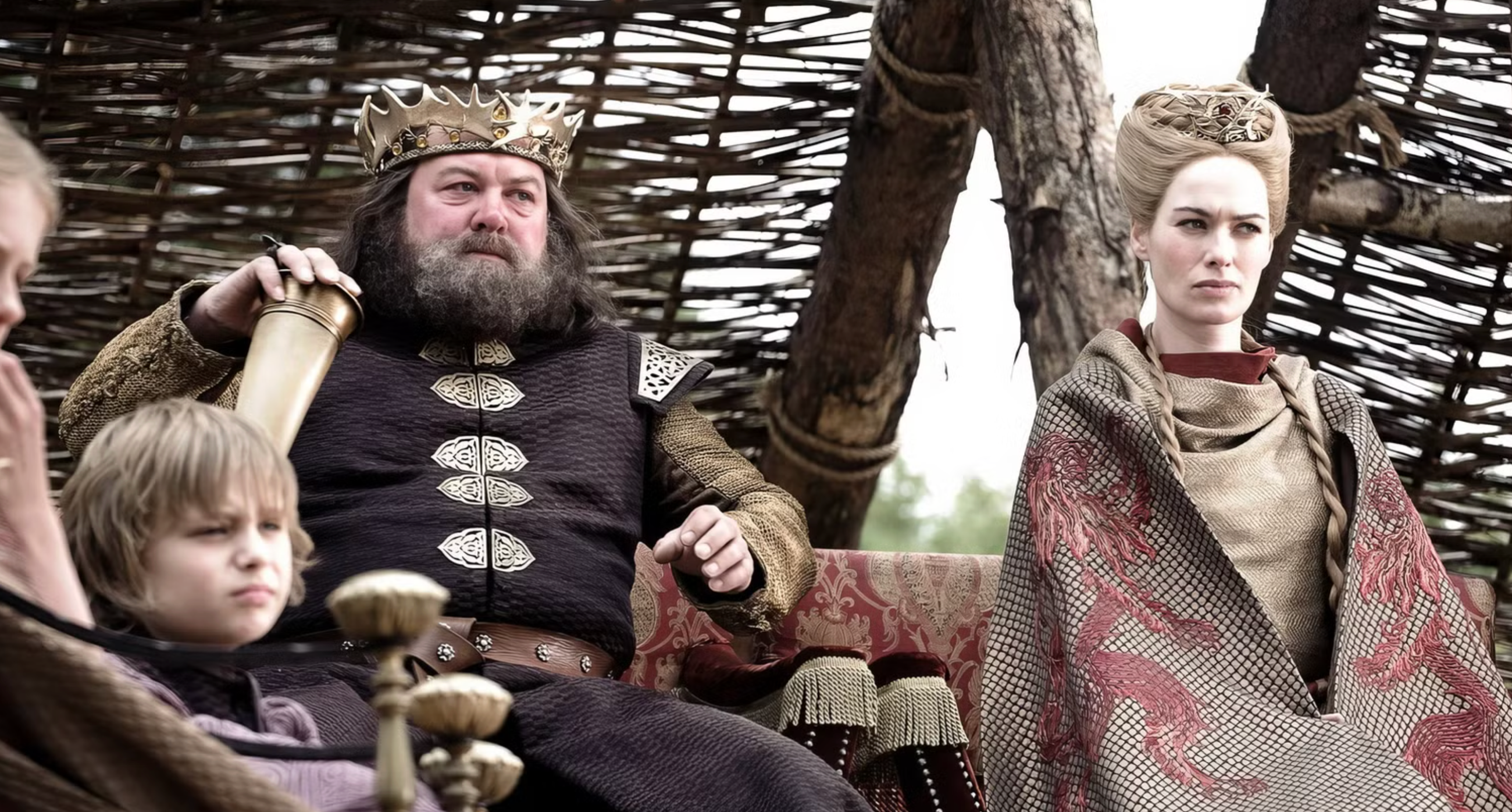
Woodhouse is instantly recognizable as Robert Baratheon the moment he is on stage. The first introduction to Robert paints him as boastful and brutish, much like he is in HBO’s adaptation. Yet amid the violence, jeering, and whoring that Robert prides himself on, Woodhouse reveals another side as a man desperate to find meaning in the grief that surrounds him.
Beyond its characters, The Mad King is one of the most visually stunning pieces of theater in a long time. Set on a cross-shaped stage, the production places the audience in the center to take in the full beauty of the set pieces, costumes, and puppetry. One of the most engrossing elements is the godswood of Harrenhal, a twisted piece of wood with a carved angry face at its center. The smoke that billows from the bottom of its roots makes each scene feel like a fabled vision coming to life.
The sheer talent of the puppeteers and their craft leaves viewers spellbound. The opening scene of The Mad King depicts the arrival of all the great houses at Harrenhal, with many riding horses that look like the real thing from a distance. Up close, viewers realize they are puppets operated by people inside who move the legs and head. The arrival of a gigantic, yellow-eyed dragon demonstrates the mastery of movement and polish of these puppets, taking up almost the entire stage in a breathtaking display.
Finding flaws in The Mad King is difficult when judging it on its own merits. The only frustrating moments come when the stage play tries to make sense of the worst parts of Game of Thrones’ later choices, namely Daenerys’s unearned descent into madness and villainy to position Jon Snow as the better ruler. The Mad King is far more enjoyable if you divorce the stage play adaptation from HBO’s Game of Thrones entirely. Judging it on its own merits transforms The Mad King into a masterpiece of pure Shakespearean art rather than a prequel to a once-great fantasy TV series.
The Mad King will not prevent viewers from feeling negatively about the ending of Game of Thrones, but after years of experiencing secondhand embarrassment whenever the series is mentioned, having something that makes you believe in Game of Thrones again feels healing.
Game of Thrones: The Mad King is now performing at the Royal Shakespeare Theatre in Stratford-upon-Avon.
Source: Polygon
Related articles
 SCS Software showcases new Atlas POI mechanic in American Truck Simulator gameplay
 Why Kingdom Hearts Deserves an Anime Adaptation After 25 Years
 Onimusha: Way Of The Sword Isn’t A Horror Game, But It Definitely Has Its Horror Moments
 It Takes Two Developer Working on Co-Op Game Orbitals for Switch 2
 Sony Announces Release Date for Pokémon Competitor Aniimo Before GTA VI
 Analyst Reports Weak Sales for Halo: Campaign Evolved
 Developers Reveal New Details About Star Wars: Zero Company
 Phantom Blade Zero Surges on Steam as Players Place Mass Pre-orders