
Digital resurrections of departed icons—whether actors, musicians, or historical figures—have steadily woven themselves into the fabric of modern entertainment, appearing in everything from holographic concert tours to AAA video games. Yet, the methodologies behind these digital revivals vary wildly. While generative AI models fabricating imagery and voice replication remain ethically questionable and deeply unsettling, artist-crafted digital recreations tread a more nuanced boundary. Consider, for instance, Ryu Ga Gotoku Studio’s controversial decision to feature late West Coast hip-hop legend Tupac Shakur in Stranger Than Heaven.
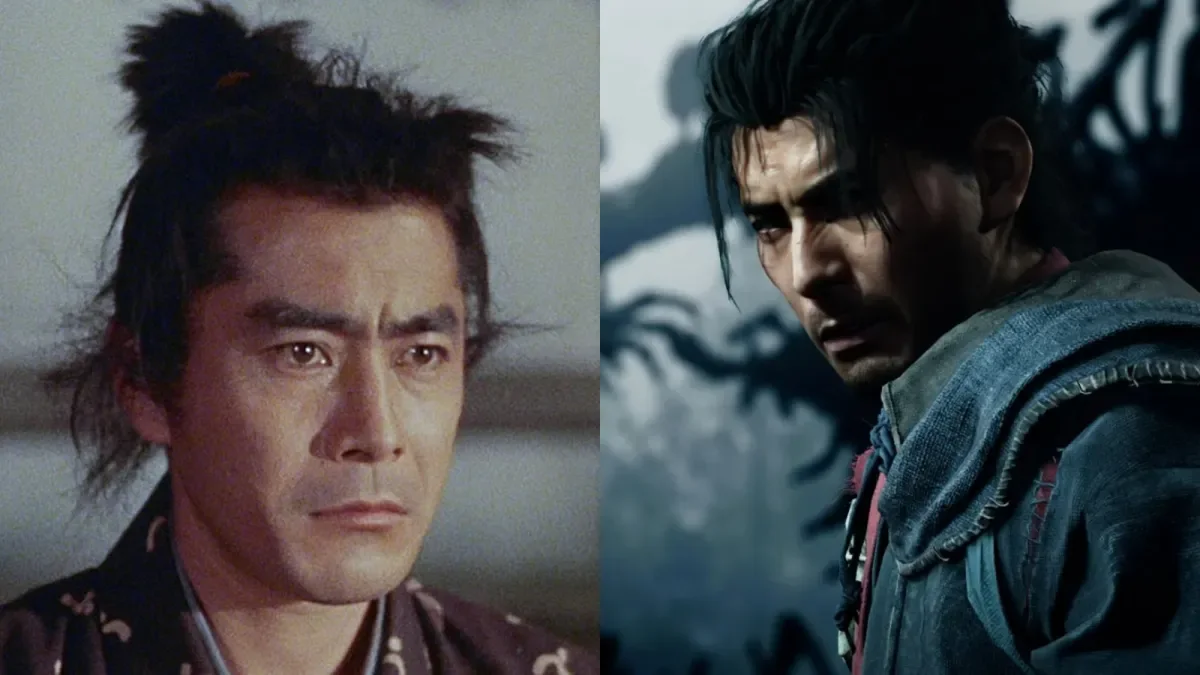
It always sparks a debate when creators decide to bring legacy performers back to the screen. Capcom’s forthcoming Onimusha: Way of the Sword—marking the revered samurai action franchise’s dramatic return after a 20-year hiatus and headlining Game Informer’s newest cover story—takes this path by mapping the likeness of legendary Japanese actor Toshirō Mifune onto its protagonist, Miyamoto Musashi.

Fortunately, Capcom bypassed generative AI entirely, nor did they attempt to synthetically recreate Mifune’s distinct mannerisms, voice, or speaking patterns. Instead, the studio strictly utilized his iconic facial likeness for the character model—a vision that Onimusha: Way of the Sword director Satoru Nihei says was locked in from day one.
“[Using Mifune’s likeness] was something we felt very strongly about from the beginning,” Nihei shares. “When imagining an iconic, definitive samurai figure, his name was naturally the first to cross our minds. Once we committed to that direction, I approached our producer to see if it was feasible, and the project blossomed from there.”
Mifune’s association with the legendary swordsman stems from his towering cinematic legacy. Born in 1920 and passing away in 1997, Mifune delivered unforgettable performances throughout his storied career. While global audiences largely remember him for his electrifying collaborations with director Akira Kurosawa, he famously embodied Miyamoto Musashi in director Hiroshi Inagaki’s acclaimed 1950s Samurai Trilogy: Samurai I: Musashi Miyamoto (1954), Samurai II: Duel at Ichijoji Temple (1955), and Samurai III: Duel at Ganryu Island (1956).
Film historians widely agree that Inagaki’s trilogy and Mifune’s fierce portrayal—bolstered by Eiji Yoshikawa’s monumental novel epic—cemented Musashi as the ultimate swordsman in Japanese history. Consequently, integrating Mifune’s visual signature into the new protagonist was foundational to the game’s initial pitch.
Nihei notes that utilizing celebrity likenesses is practically a franchise hallmark. Onimusha: Warlords featured Japanese star Takeshi Kaneshiro as Samanosuke Akechi, while the late Yūsaku Matsuda modeled for Jubei Yagyu in Onimusha 2: Samurai’s Destiny. Even the time-hopping threequel, Onimusha 3: Demon Siege, brought in French actor Jean Reno to play Jacques Blanc. In that historical context, honoring Mifune feels entirely organic to the series’ DNA. Even so, as someone generally cautious about posthumous digital revivals, I pressed the developers on how such an undertaking actually comes to life.
Producer Akihito Kadowaki explains that the process began with the Mifune family. After securing formal permission, Capcom’s artists began painstakingly sculpting the late actor within the RE Engine, sharing conceptual drafts and iterations with the estate at every milestone for feedback, alignment, and approval. Kadowaki notes that the family expressed profound admiration for the final digital rendition, though he stresses that this version of Musashi remains entirely unique to the Onimusha universe despite sharing Mifune’s facial blueprint.

“We weren’t looking to simply transplant Toshirō Mifune into the leading role as a gimmick,” Kadowaki clarifies. “Rather, we aimed to craft our own distinct interpretation of Miyamoto Musashi… and Mifune-san’s timeless intensity, features, and dramatic expressions provided the ideal match to elevate our creative vision.” The team points out that this younger, twenty-something iteration of Musashi has not yet mastered his iconic dual-wielding style, limiting his arsenal to a single katana (alongside distinct, separately equipped Oni Armaments). This youthful phase reflects a more impulsive, headstrong, and self-centered personality before the sobering trials of a decades-long samurai journey transform him.
Animation lead Hiroshi Yugen highlights that the combat design team drew inspiration from classic chambara cinema, meticulously infusing raw human emotion into feudal warfare. Art director Hiroyuki Nara adds that anchoring the character design in Mifune’s likeness streamlined the artistic workflow, turning coordination with the Mifune estate into a collaborative, highly rewarding creative partnership rather than a logistical hurdle.
While my philosophical stance remains firmly rooted in letting legends rest, my conversation with Capcom dissolved much of that hesitation. Witnessing the care and respect poured into Onimusha: Way of the Sword makes stepping into Mifune-styled shoes far more palatable than reckless posthumous experiments like Tupac’s digital cameos. If there is a respectful blueprint for this kind of tribute, Capcom appears to have charted it.
Stay tuned as we continue our deep dive into Capcom’s grand revival throughout Game Informer’s month-long cover story. We’ll be rolling out exclusive gameplay showcases and behind-the-scenes filmmaker interviews over on the Game Informer YouTube channel, so keep a close eye on the Onimusha: Way of the Sword coverage hub so you don’t miss a beat.
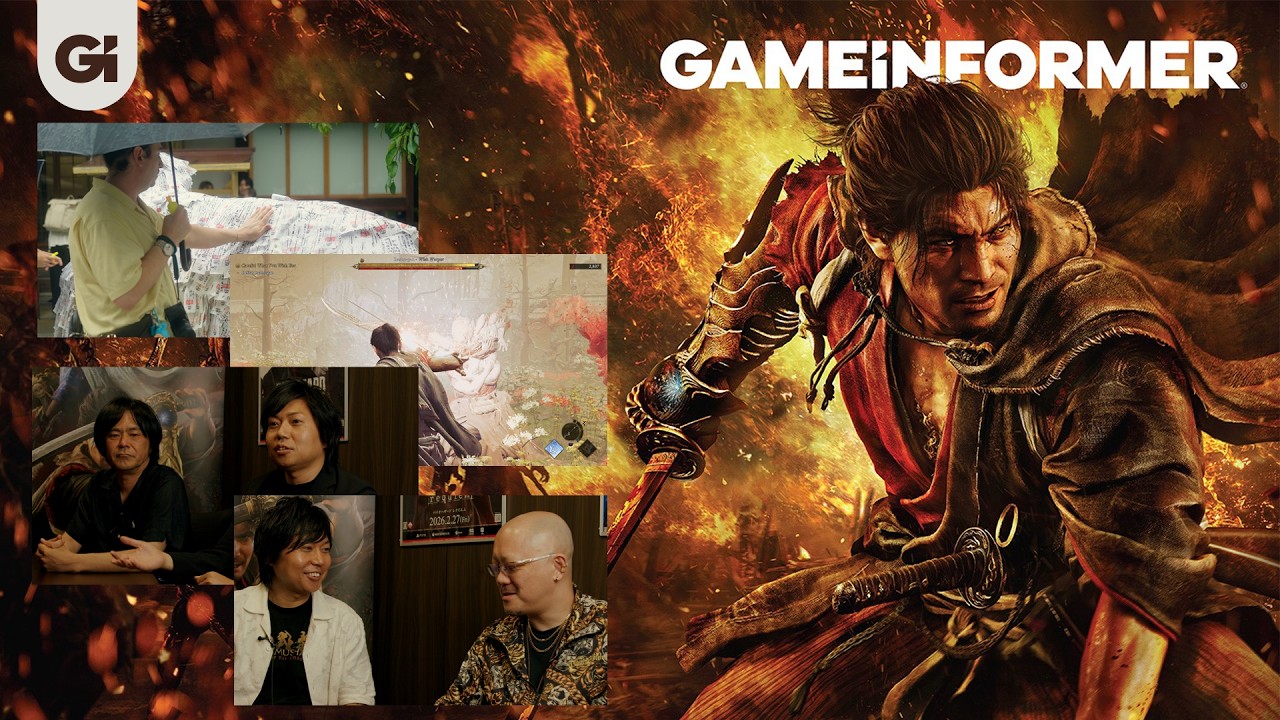
In the meantime, explore our extensive coverage of Onimusha: Way of the Sword:
- Capcom Defines Success for Onimusha: Way Of The Sword After a 20-Year Absence
- No Minigames, But The Phantom Realm Appears to Be Making a Return
- Puzzle Boxes Step Aside for Sweeping Environmental Challenges
- How Onimusha: Way of the Sword Honors Past Entries Without Direct Ties
- The Inside Story Behind Choosing Miyamoto Musashi as the New Lead
- Why 2026 Was the Ultimate Moment to Resurrect Onimusha
- Exploring Kyoto as the Atmospheric Backdrop for Way of the Sword
- Onimusha: Way of the Sword Official Cover Reveal
- Browse the Digital Issue for Onimusha: Way of the Sword
- Summer Game Fest Hands-On: A Brutal Boss Battle Shines
- Visit the Onimusha: Way of the Sword Central Hub
Where do you stand on digital recreations of historical or departed icons in modern media? Share your thoughts in the comments below!
 Silent Hill: Townfall Reportedly Faces Performance Issues on PS5 Pro
 Major 2026 Game Releases on Xbox Game Pass Today Along with Another Premier
 How Sonic the Hedgehog Movies Saved the Sega Franchise from Cancellation
 Grand Blue Dreaming Renewed for Fourth Season
 Xbox Lays Off 268 More Employees and Transfers Halo Franchise to Activision
 First Details Emerge for New Sci-Fi Movie From Resident Evil Director
 Xbox Announces Halo Layoffs and Major Changes in Big ‘Reset’
 Sony Reveals Another DualSense Controller Design As Fans Again Demand Games