
GTA 6 Will Officially Mark the Start of a New Era for Video Games
Patch Notes is a weekly newsletter curated by Polygon, delivered every Friday and archived on our site each Sunday. You can subscribe here.
The gaming industry is outputting more software than ever—Steam alone saw upwards of 20,000 titles launch in 2025. Yet, for many players, the landscape feels curiously stagnant. We have grown accustomed to gauging the passage of time through major tentpole releases, and the cadence of those massive arrivals has unmistakably decelerated over the last half-decade.
This inertia is largely a symptom of the ballooning development cycles required for contemporary AAA titles. Take, for instance, the long-awaited Grand Theft Auto 6, which debuts eight years after Rockstar’s previous epic, Red Dead Redemption 2. Similarly, Playground Games’ Fable is approaching the culmination of a nine-year odyssey. These gaps, already widening prior to the pandemic, were further exacerbated by global production delays, leaving the early 2020s feeling like a desert for high-budget blockbusters.
There was a pervasive sentiment that the entire industry was effectively holding its breath, waiting for the GTA 6 phenomenon to pass. With its launch imminent, we are finally seeing a surge of activity as titles like Marvel’s Wolverine and Gears of War: E-Day vie for consumer attention. Fears that the sheer gravity of a GTA release would cause a “hangover” for the rest of the market—discouraging other studios from launching in its wake—have proven baseless. Based on the reveals from Summer Game Fest, 2027 is shaping up to be a bustling, perhaps even legendary, year for gaming.
The first quarter of 2027 boasts a stacked lineup: the ambitious Yakuza spinoff Stranger Than Heaven, a reimagined Tomb Raider, the gritty Metro 2039, and the highly anticipated Fable. Moving into spring, players can look forward to Final Fantasy 7 Revelation, the Mass Effect-inspired Exodus, a fresh Spyro adventure, and the high-octane racer Clutch.
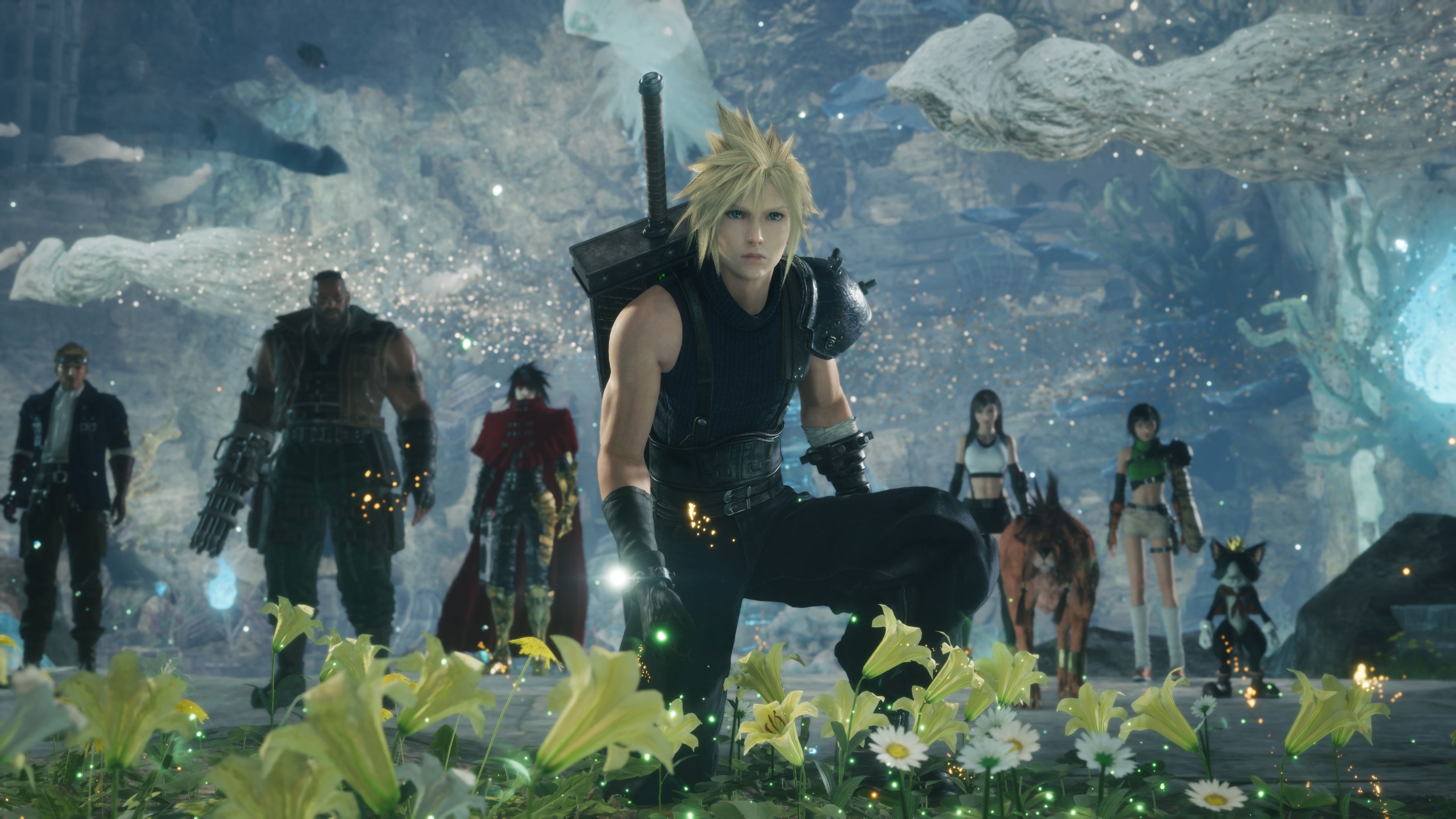
The 2027 slate continues with Resident Evil Veronica, Clockwork Revolution, the dual-release of Pokémon Winds and Waves, and Xenoblade Genesis. Furthermore, a silent rivalry seems to be brewing between Naughty Dog and Santa Monica Studio, as they compete to capture the marquee PS5 exclusive slot for the year with Intergalactic: The Heretic Prophet and God of War Laufey, respectively—my money is on Laufey.
We are also witnessing a renaissance in the “AA” sector, as publishers rediscover the value of mid-sized titles that can still command cultural mindshare, such as Crazy Taxi, the visually distinct co-op game Kemuri, Senua, and Until Dawn 2. Beyond these, unexpected projects like The Witcher 3’s surprise expansion, Songs of the Past, and the Guild Wars 3 beta test are set to make waves. Then, of course, there are the industry wildcards: Nintendo’s next move (a new 3D Mario, perhaps?) and whatever Blizzard has cooking (a StarCraft shooter?). Even a long-overdue reveal for Dragon Quest 12 remains on the table.
It promises to be a busy, vibrant year—if not a strictly classic one. There is a healthy diversity in the current pipeline, suggesting that developers are finally breaking out of their cycle of stagnation to experiment with fresh concepts. While the industry still grapples with systemic hurdles like the RAM crisis and economic slowdown—meaning more layoffs and closures are unfortunately likely—the energy of 2027 feels distinct: crowded, eclectic, and revitalized. It cannot arrive soon enough.
Plus this:
Samara Weaving IS judging how you play The Sims
The Ready or Not star sits down with Simone de Rochefort to recount her gaming history in Shelf Quest.
- Steven Spielberg reflects on his AI film: The legendary director shares his updated perspective on the tech with Jake Kleinman.
- A farewell to Destiny 2: Corey Plante eulogizes the live-service titan as it receives its final major update.
- Ranking the SGF waiting room music: Josh Broadwell spent an entire week in the “internet elevator” and documented his findings.
- The secret behind Taskmaster: Alex Horne and Greg Davies divulge how they earn £50 a year for essentially doing nothing.
Source: Polygon
Related articles
 Insider Gaming Predicts GTA VI Metacritic Score Below 90
 New Reports Shed Light on Hideo Kojima’s Physint and Rumored Xbox Budget
 Sony Discusses Future of Physical Discs With Publishers
 Director Jon Watts to Helm Star Wars Episode X, Reports Say
 How Xbox Nearly Ruined the Best Season for Gaming
 Japan’s PC gaming market more than doubles as more consumers shift from consoles
 Rumor: Microsoft Preparing Major Overhaul for Entire Halo Franchise
 Reports: Bethesda Changes Rules for Obsidian, Studio Leadership Remains Unchanged for Now