
Forty-five years later, this misunderstood thriller proves it was ahead of its time

There has always been a fascinating paradox at the heart of holiday horror. We generally reserve dates like Christmas and Valentine’s Day for warmth, intimacy, and shared joy. Introducing a visceral slasher element into these sugary traditions feels like a sharp, cold betrayal—a strike to the ribs during a celebratory embrace.
For those who find the forced sentimentality of February 14th suffocating, the genre offers a refreshing alternative. If you count yourself among the holiday skeptics, there is no better time than the film’s 45th anniversary to revisit My Bloody Valentine, the definitive cinematic rejection of Valentine’s Day tropes.
Directed by George Mihalka from a script by John Beaird, the story is set in the somber coal-mining community of Valentine Bluffs. The town is haunted by a tragedy from twenty years prior: two negligent supervisors abandoned their posts to attend a dance, leading to a catastrophic mine collapse that trapped a group of workers. The sole survivor eventually exacted a gruesome revenge, carving out the hearts of those supervisors and leaving them in candy boxes with a chilling ultimatum: if the town ever hosts another Valentine’s dance, the carnage will resume.
In the present day, a defiant group of young miners and their partners decide to ignore the warning, determined to bring the festivities back to life.
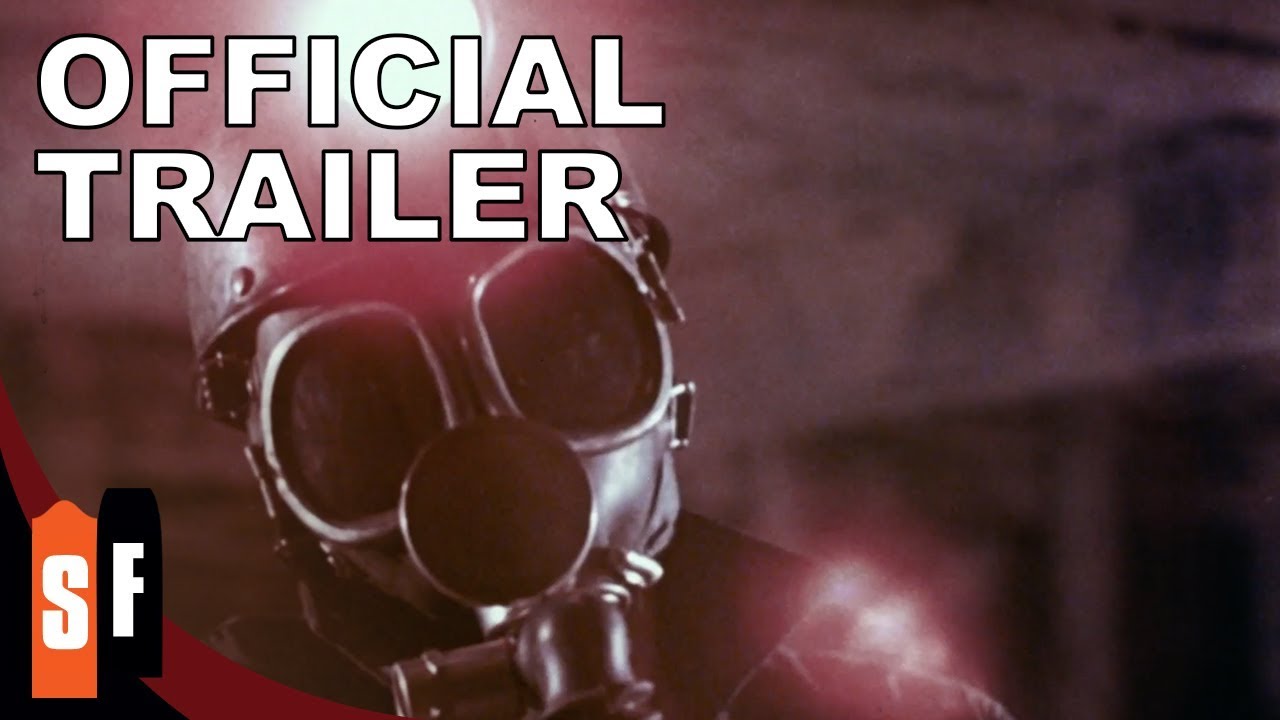
Similar to foundational slashers like John Carpenter’s Halloween, My Bloody Valentine explores a community defined by its inability to process historical trauma. Just as the Myers house became a localized boogeyman in Haddonfield, the forbidden dance in Valentine Bluffs serves as a symbol of the town’s collective repression. Reviving the party is a hubristic attempt to bury a ghost that refuses to stay underground.
Despite sharing many of the hallmarks that made its predecessors successful—an intimidating masked antagonist, a signature tool of destruction (the pickaxe), and highly stylized set pieces—Mihalka’s film initially struggled to find critical favor. Notorious critics Roger Ebert and Gene Siskel were particularly dismissive; Ebert branded it a derivative “rip-off” of Halloween, viewing it as just another uninspired imitator in a crowded market.
However, through the lens of history, the film’s unique contributions to the genre are undeniable. While it wasn’t the absolute first to turn the day of love into a nightmare—Freddie Francis’s 1972 anthology Tales from the Crypt touched on the theme first—My Bloody Valentine was the first to fully weaponize the holiday as a feature-length horror event. Paramount’s ambition was clear even in the production’s early stages; the film was originally developed under the title The Secret to hide its intent to capitalize on the holiday-slasher trend. Its success paved the way for a wave of romance-adjacent horror, from Hospital Massacre to modern entries like Heart Eyes.

While the film eventually turned a profit with a $5.72 million domestic haul, it was initially overshadowed by the massive financial success of Paramount’s other major horror property, Friday the 13th, which had earned $40 million just a year earlier.
Nevertheless, My Bloody Valentine cultivated a dedicated cult following over the decades, counting high-profile filmmakers like Quentin Tarantino among its admirers. This enduring popularity led to a 2009 3D reimagining by Patrick Lussier, which far exceeded the original’s box office performance by grossing $101 million. By blending the core elements of the 1981 classic with modern spectacle, the remake proved that the Miner still holds a visceral grip on the public imagination.

The franchise’s heart is still beating, as Blumhouse Productions has recently signaled plans to resurrect the property for a new generation. With the recent theatrical success of holiday-themed slashers like Heart Eyes, it seems likely that My Bloody Valentine will finally receive the mainstream recognition and prestige its pioneering spirit deserves.
The original My Bloody Valentine is currently available to stream for free via the Paramount Vault on YouTube.
Source: Polygon
Related articles
 Wo Long 2 Testers Report Problems, With Half of Participants Voicing Complaints
 Xbox Misses Revenue Target for Fifth Time in Six Years
 First Details Emerge on EA’s Mysterious Project Gridiron
 GameMaker Engine to Become Free for Everyone
 Warhammer 40,000: Dawn of War IV Set for December Release as Developers Detail Content
 Overwatch Co-Creator Delays The Legend of California’s Early Access Release to 2027
 Former Producer Points to EA to Explain Dragon Age: The Veilguard’s Disappointing Reception
 Halo Studios Reportedly Wanted to Make a Game Based on the Halo: First Strike Novel, Blogger Says