
Five Magical Realism Books to Read
Magical realism blends the ordinary and the fantastical in settings that feel familiar. Books such as One Hundred Years of Solitude and The House of the Spirits use that blend to explore complex social and political themes.
The form can also express the anxieties and layered trauma of life in post-colonial societies. These five books bring magical realism to stories of grief, history, politics and the human body.
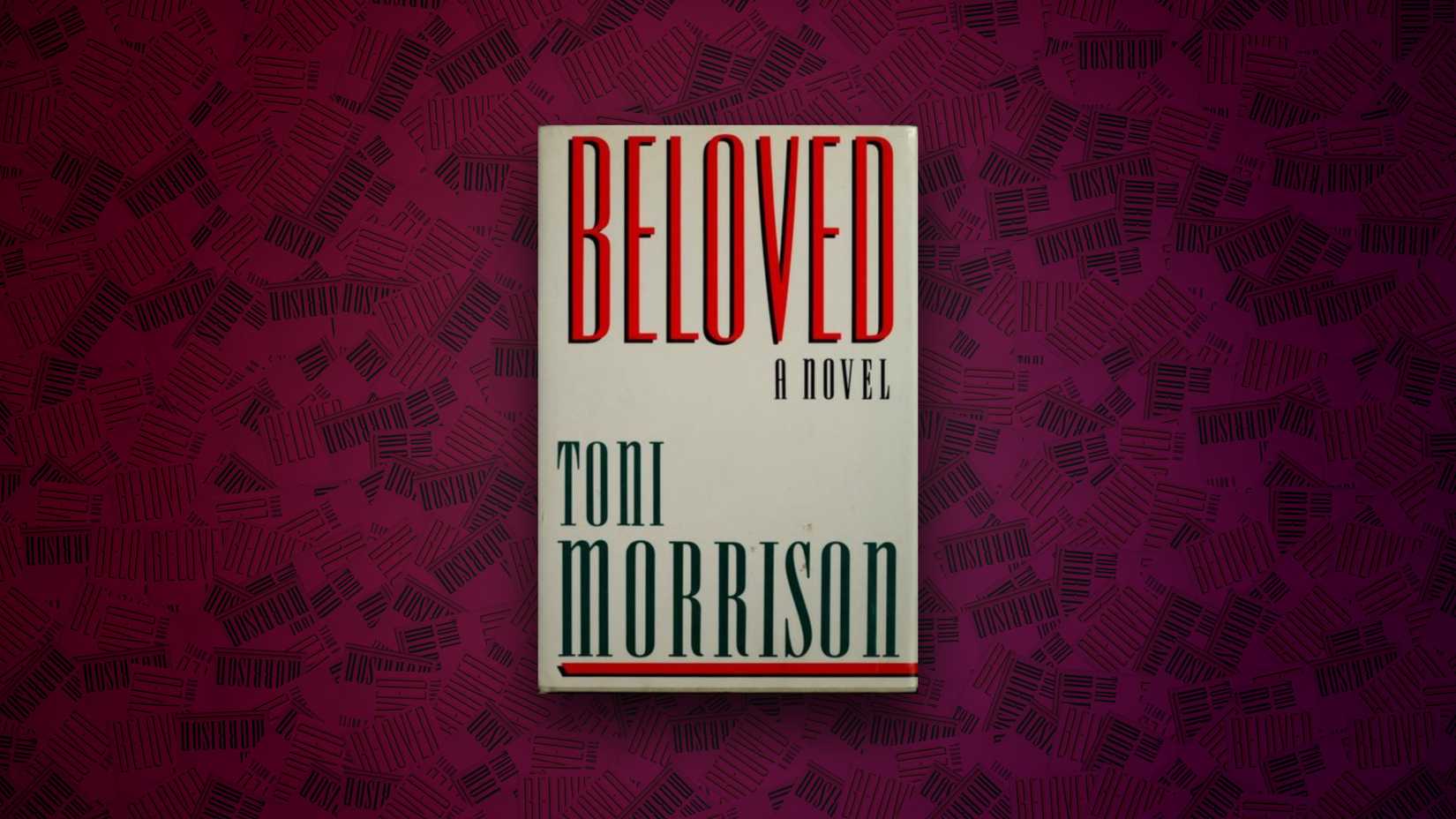
1. Beloved (1987) by Toni Morrison
Toni Morrison’s Pulitzer Prize-winning Beloved opens in Ohio, where Sethe, a formerly enslaved woman, lives with her daughter Denver in a house that seems to be haunted. Denver is an introverted homebody who struggles to make friends, while Sethe grapples with past trauma. After they leave home for a carnival, they return to find a young woman named Beloved. Sethe is charmed by her despite warnings from others.
Morrison uses supernatural elements to tell a story grounded in history. Beloved’s sudden appearance is fantastical, but it is also part of Sethe’s lived experience. Drawing on Black folklore and spiritual practices, Morrison explores lingering psychological trauma and grief in lyrical prose. The story remains powerful whether the spirit is read as a tangible presence or a metaphor.
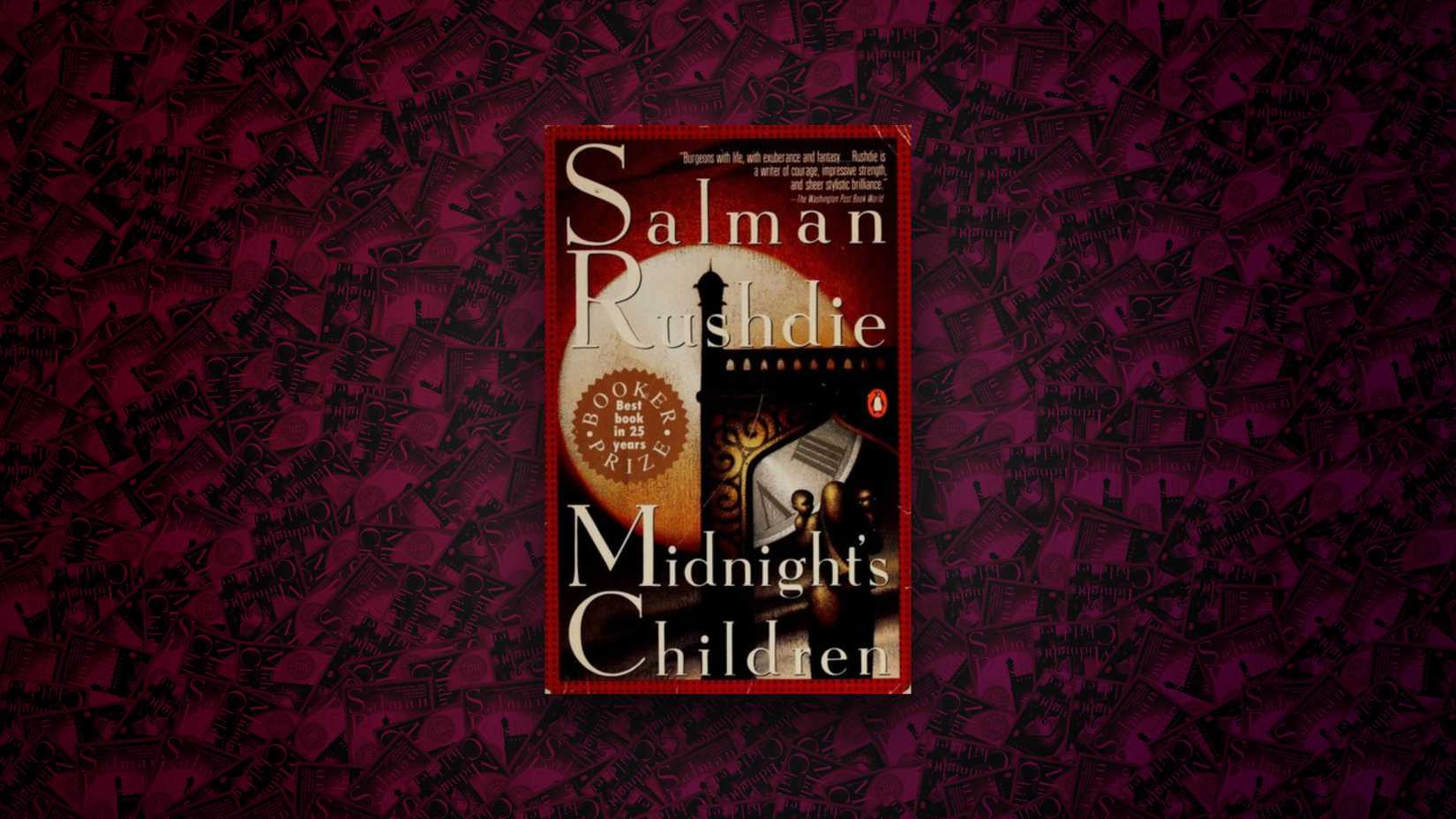
2. Midnight’s Children (1981) by Salman Rushdie
Salman Rushdie’s Midnight’s Children explores India’s transition from British colonial rule to independence and the violence of Partition through Saleem Sinai, born at the exact moment of independence at midnight. Saleem discovers that children born in India between midnight and 1 a.m. on the day of independence possess special powers.
The story moves across locations and draws on oral traditions to tell Saleem’s personal account alongside the history unfolding around him. Fairy-tale-like events occur in ordinary settings. As Saleem navigates his telepathic abilities, Rushdie also addresses the horrors of the era, including the Partition conflicts and the 1975 Emergency. The midnight’s children represent the conflicting sides of a fragmented nation.
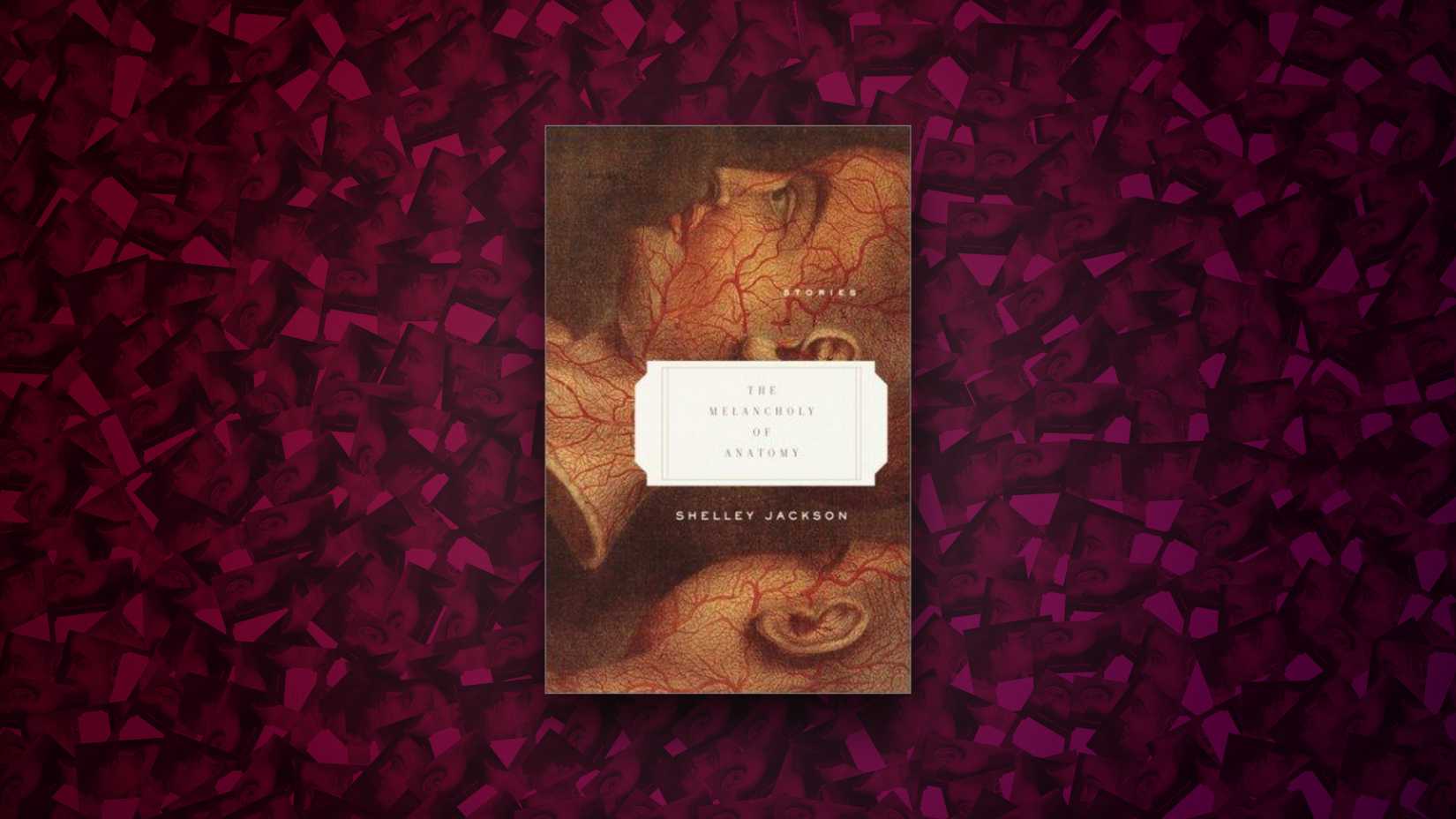
3. The Melancholy of Anatomy (2002) by Shelley Jackson
Shelley Jackson’s The Melancholy of Anatomy is a collection of short stories that views the human body through a surreal lens. Bodily fluids and organs are sentient. Hearts can warp space, blood flows through underwater pipes, and a floating fetus larger than a human becomes a town pastor.
Jackson gives abstract emotions a physical form to explore grief and intimacy. The sensory prose, playful narrative structures and dark humor make the collection an experimental, often gross read. By turning the body “inside-out,” Jackson challenges gender norms, social taboos and ideas about mortality, taking magical realism beyond stories centered on generational curses and deep-rooted trauma.
4. The Master and Margarita (1967) by Mikhail Bulgakov
Mikhail Bulgakov’s The Master and Margarita moves between two settings. In 1930s Moscow, Satan appears as a professor. In Jerusalem during the time of Pontius Pilate, the story follows the trial and execution of Yeshua Ha-Notsri. The novel blends Christian philosophy and dark comedy in a satire of Soviet bureaucracy and atheism.
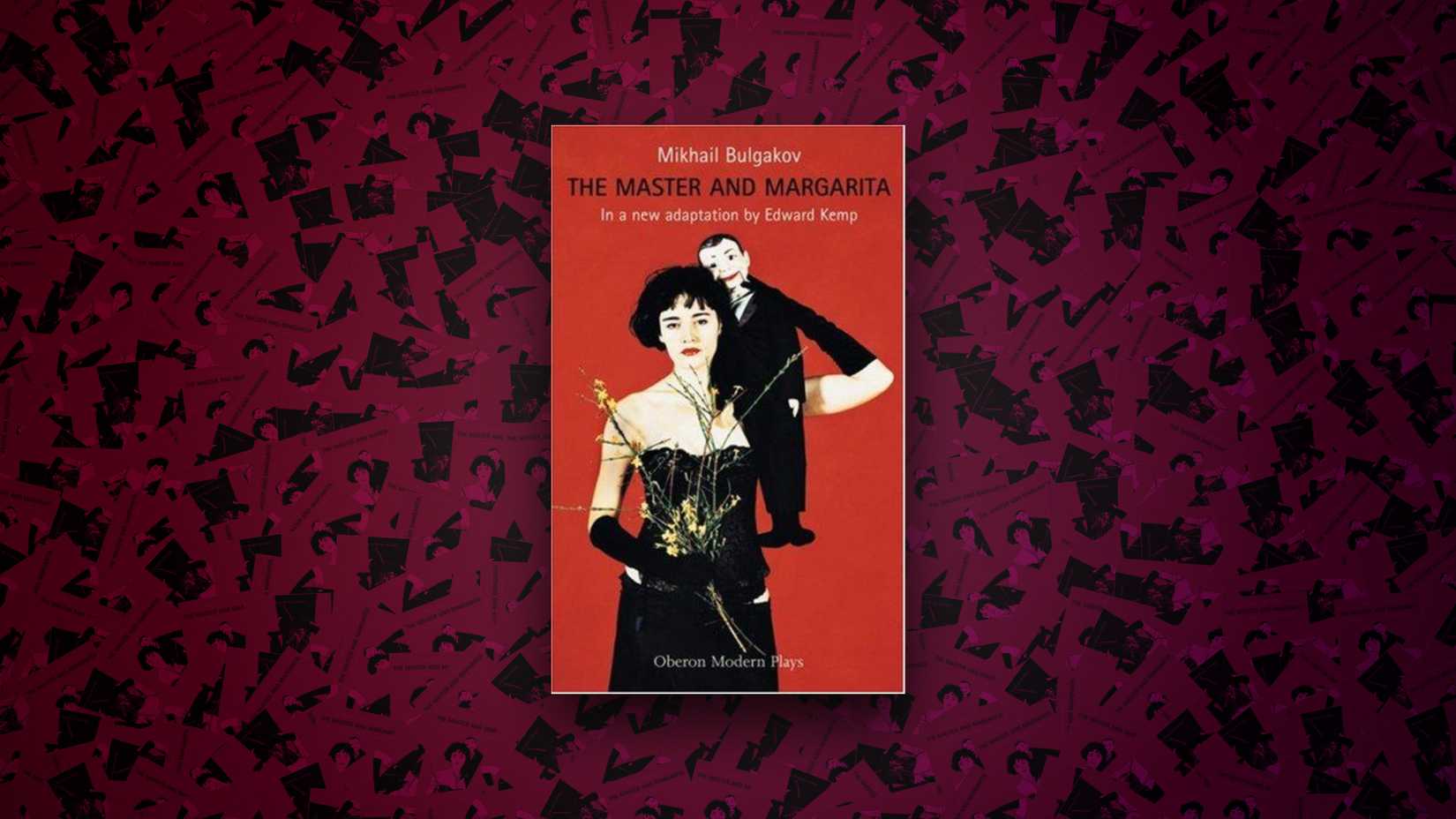
Magical events expose moral decline and totalitarian control in Stalinist Moscow, as well as greed, fear and apathy. Bulgakov’s layered absurdity resists neat genre labels, while autobiographical elements bring his psychological struggles into the novel’s philosophical concerns.
5. The Water Dancer (2019) by Ta-Nehisi Coates

Ta-Nehisi Coates’ debut novel, The Water Dancer, is set in the pre-Civil War South. Its protagonist, Hiram Walker, has a photographic memory but cannot recall his mother. He discovers a supernatural ability called “conduction,” which allows him to transport people over long distances. The power draws on memory and deep emotion. As Hiram remembers the past and honors his ancestors, he moves toward hope and freedom.
The novel includes real historical figures, and its magic never overshadows the grim realities of the period. Coates depicts the pain caused by social hierarchies that oppressed marginalized communities. Hiram’s gift also carries a cost, as he must move forward under the weight of a shared history of loss and pain.
Source: Polygon
Related articles
 GTA VI Looks Worse Than Intended With Incorrect HDR Settings, Expert Explains
 Microsoft Begins Blocking Player Accounts Over GTA VI Recordings
 The Legend of Vox Machina Is a 48-Episode Fantasy Series on Prime Video
 Rockstar Reveals List of Crime Films That Inspired GTA VI
 GTA VI Hit by Mass Review Bombing, With a 99 Critic Score and 5.5 User Score
 Players Return to Azeroth as World of Warcraft: Forever Sets a Record
 MindsEye Developers Want to Sue Saboteurs for $80 Million
 Official Calls GTA VI a Guide to Crime, Says Only Bad Parents Would Let Their Kids Play It