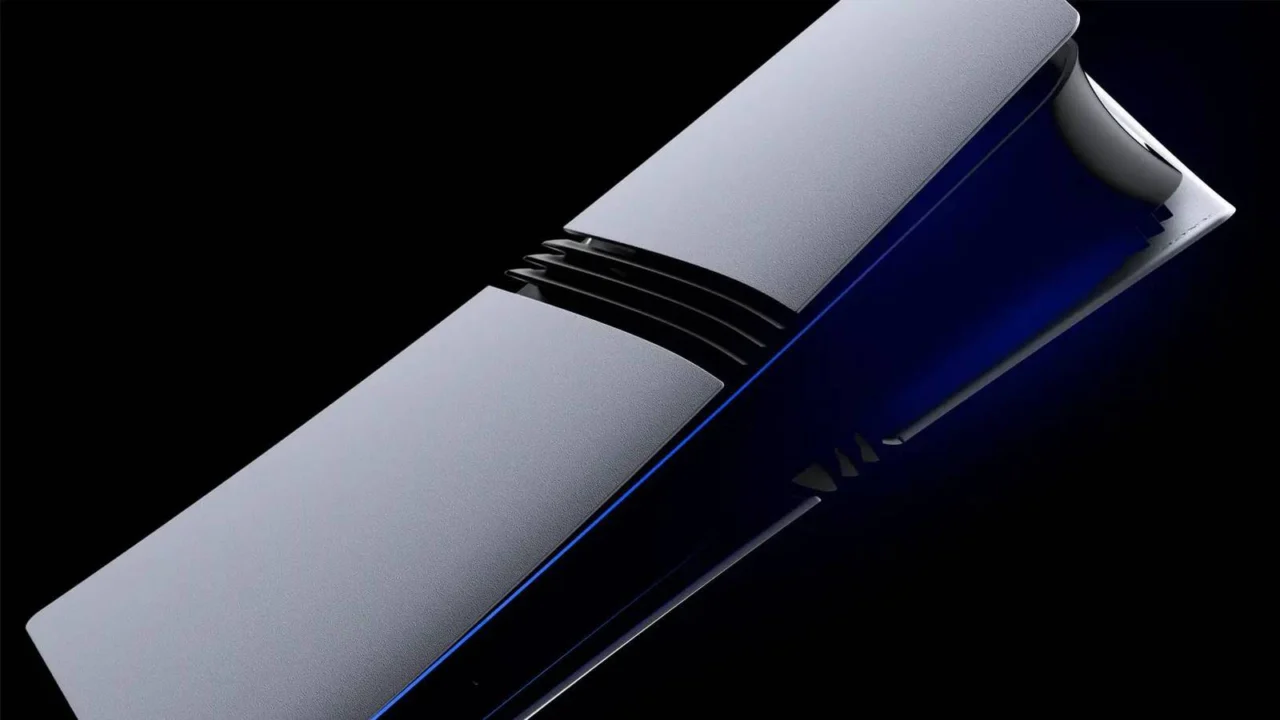
Everything We Know About the PlayStation 6 (And What Remains a Mystery)
The perception of time in the gaming industry is often deceptive. While the PlayStation 5 still feels like a cutting-edge newcomer, it is steadily approaching its sixth anniversary. Historically, home consoles follow a predictable seven-year lifecycle; from the original PlayStation to the PS4, Sony has never let more than seven years pass between major hardware leaps. Even the extended gaps seen with the Nintendo Switch or the Xbox 360 remain outliers compared to the decade-plus longevity of the legendary Game Boy. As we cross the mid-point of this generation, the conversation is naturally shifting toward what comes next.
If the prospect of a PlayStation 6 feels premature, several factors are to blame. Protracted development cycles have slowed the cadence of “must-play” exclusives, while early supply chain disruptions and the lingering “time-dilation” effect of the global pandemic have made the PS5 era feel shorter than it actually is. Nevertheless, the gears of industry innovation continue to turn behind closed doors.
Current market conditions suggest the PS5 may enjoy a longer-than-average sunset. Regardless of the current console’s health, Sony is undoubtedly architecting its successor, aiming to solidify its dominance over the home console market and maintain its lead over Microsoft. Here is the current landscape of PlayStation 6 intelligence.
The Most Recent PlayStation 6 Developments
Emerging reports indicate that Sony might be reconsidering its hardware timeline, potentially pushing the PlayStation 6 launch to 2028 or even 2029. According to a Bloomberg analysis, a global “RAM crisis” is currently destabilizing the tech sector. The aggressive expansion of AI data centers by tech giants like Google and Microsoft has created a massive deficit in memory chip availability, driving costs upward for all consumer electronics. This volatility has already impacted the broader industry, forcing competitors to rethink their inventory and manufacturing strategies.
By delaying the rollout, Sony may be waiting for the semiconductor market to stabilize, ensuring they can secure high-end components without passing exorbitant manufacturing costs onto the consumer. While prior industry leaks pointed toward a 2027 manufacturing start, the shifting economic climate suggests a more conservative approach is now being favored.
Anticipated Release Window: When Will the PS6 Arrive?
Concrete dates remain elusive, and a formal announcement is likely years away. Until recently, a November 2027 launch seemed the most logical bet, aligning perfectly with the release patterns of the PS3, PS4, and PS5. However, that confidence is waning.
While industry insiders suggest no final decision has been etched in stone, the aforementioned memory shortage has made 2028 or 2029 look increasingly realistic. Sony’s priority is delivering a generational leap that is both technologically impressive and commercially viable, which requires a more favorable hardware market than currently exists.
Why a Delay Might Benefit Sony
Beyond the logistical nightmare of chip shortages, there are strategic reasons to keep the PS5 in the spotlight for longer. While the PS5 has matched the sales velocity of the PS4, it is operating in a shifting landscape where the boundaries between generations are blurring. Massive ecosystem titles like Fortnite, Minecraft, and Roblox continue to thrive on older hardware, reducing the immediate “need” for consumers to upgrade.
Furthermore, the true potential of the current generation feels largely untapped. With Grand Theft Auto VI—arguably the definitive title of this era—still on the horizon, the PS5 has plenty of life left. Launching a new console in 2027 could be perceived as “a disaster for everyone involved,” as noted by industry analyst Jason Schreier, especially as development costs for current-spec games continue to skyrocket.
Projecting the PlayStation 6 Price Point
Predicting the cost of a console nearly half a decade in advance is speculative at best, particularly given the current inflationary climate. With the PS5 Pro already pushing the limits at $750, the baseline for “next-gen” pricing has fundamentally shifted. Unlike previous eras where hardware costs dropped over time, modern consoles are becoming increasingly expensive to produce.
Early 2024 estimates suggested a $600 launch price, but those figures are likely outdated given the rising cost of GDDR7 memory and high-end processing. With Microsoft signaling that their next hardware will be a “premium, high-end” device, Sony will likely follow suit, positioning the PS6 as a flagship luxury product rather than a budget-friendly toy.

Future Software: Which Games Will Define the PS6?
While it is too early for official reveals, we can deduce which projects are being groomed for next-gen hardware. Following the 2023 Insomniac Games leak, we caught a glimpse of a roadmap featuring Marvel’s Spider-Man 3 (slated for 2028) and a dedicated X-Men title (2030). These dates strongly suggest a transition into the PS6 era.
If the console launches in the late 2020s, Spider-Man 3 could serve as a massive cross-generational bridge or a PS6 exclusive. Other likely candidates include the inevitable Gran Turismo 8, a new project from Team Asobi, and Naughty Dog’s mysterious new IP. As for the next Grand Theft Auto? Given Rockstar’s legendary patience, GTA 7 might be a conversation for the 2030s and the PlayStation 7.
Will the PS6 Support Your Existing Library?
Backward compatibility is no longer just a luxury—it is a core expectation. Fortunately, all signs point to the PS6 being fully compatible with the PS5 and potentially the PS4. Sony has confirmed a continued partnership with AMD, ensuring that the PS6 will utilize a refined x86 architecture.
By sticking with a familiar chip design, Sony makes it significantly easier for developers to port games across generations. This strategy is vital for maintaining user engagement, as it allows players to bring their digital libraries with them, preventing a “software drought” during the new console’s first few years on the market.

Technical Specs: How Powerful Will the PS6 Be?
While deep technical details are currently shrouded in non-disclosure agreements, the hardware foundation is becoming clear. The PlayStation 6 will likely be powered by a custom iteration of AMD’s Zen 6 processor, paired with a GPU based on the RDNA 5 or RDNA 6 architecture.
The industry consensus points toward a system designed for native 4K gaming at 120 FPS, with a heavy emphasis on dedicated Ray Tracing hardware and AI-driven upscaling. While rumors of 30GB of GDDR7 RAM have circulated, those specs remain unverified. However, the goal is clear: a machine capable of photorealistic lighting and near-instantaneous load times that far exceed the current “High-Speed SSD” standard.
The Next-Gen PlayStation Handheld
Parallel to the PS6, Sony is reportedly developing a new portable device to compete in the burgeoning handheld market. Unlike the remote-play-only PlayStation Portal, this rumored device would likely be a standalone powerhouse capable of running PS4 and potentially downscaled PS5 titles natively.
By leveraging a more efficient version of the same Zen/RDNA architecture found in the home consoles, Sony could create a unified ecosystem. This would allow developers to target a single architecture across both home and portable hardware, mirroring the success Nintendo has found with the Switch, but with the raw power of the PlayStation brand behind it.
Source: Polygon
Related articles
 New Edition of Battlestar Galactica: The Board Game in Development, With Cylons Returning
 Chitose Is in the Ramune Bottle Anime Creators Publish Creditless Opening and Ending
 3 Final Fantasy Games Worth Playing If You Loved FF Resonance
 Fans Release Unofficial Android Ports of Burnout 3: Takedown and Burnout Revenge
 Cult Shooter Black Gets Fan-Made Android Port
 Steam Officially Launches Calendar Feature to Recommend New Games Directly
 Details Emerge on Canceled Mass Effect Universe, Reportedly With Hitman-Style Missions and a Setting 600 Years After Shepard
 Xbox COO Helen Chiang leaves Microsoft after 21 years