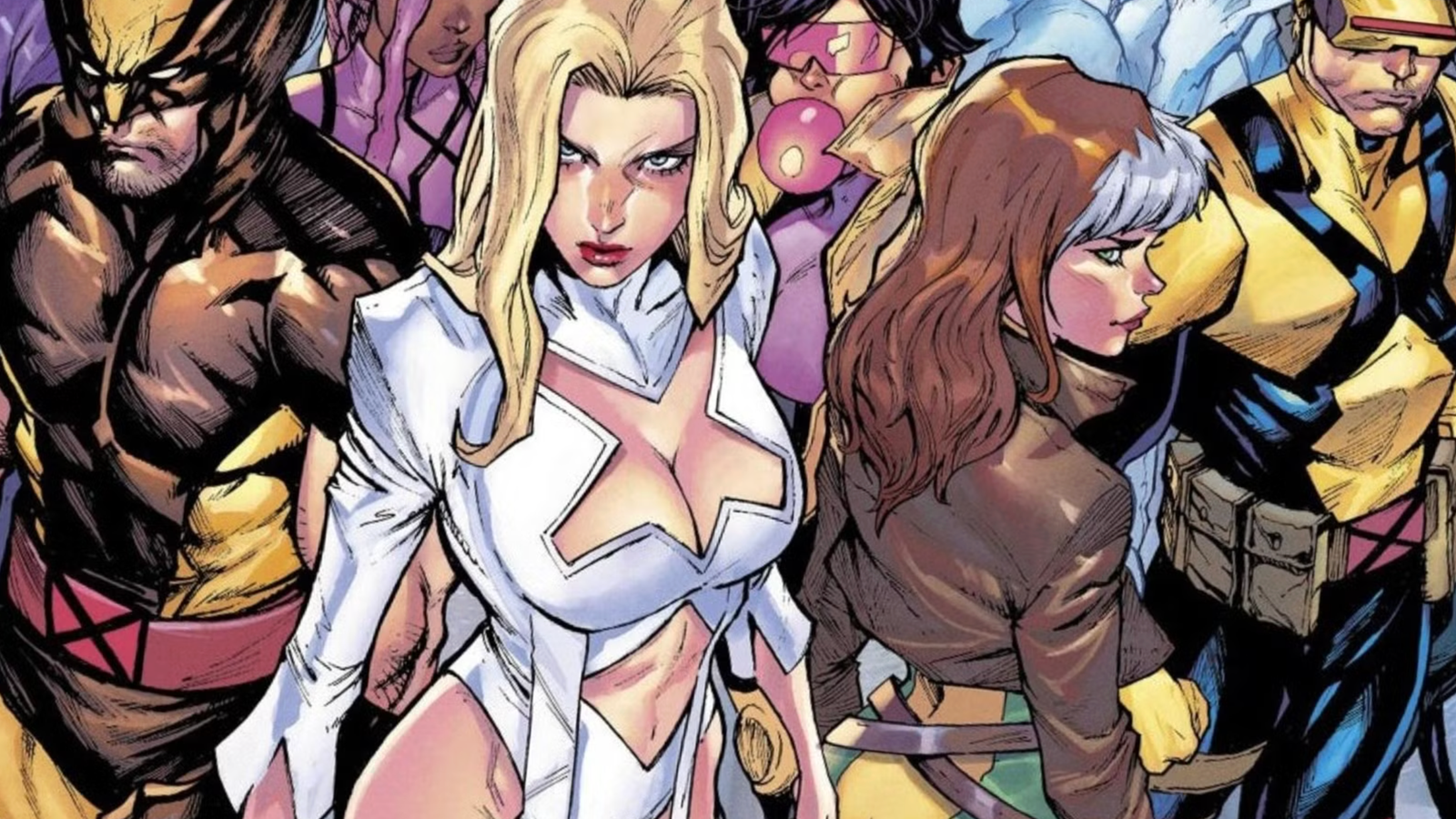
Emma Frost Redemption Arc Coming From X-Men Comics to Movies
Avengers: Doomsday is not even out yet, but news about what comes next for the Marvel Cinematic Universe is already arriving. On July 31, Deadline reported that Samara Weaving has been cast as Emma Frost in the forthcoming reboot of the X-Men film franchise. More mutant casting news has since followed.
That leads naturally to the question of whether Weaving’s Frost is planned as an antagonist, an ally, or someone in between. Since she plays a significant role in the next era of the MCU, reviewing Emma’s history in the comics helps show how she evolved from a villain of the week to a front-line member of the X-Men, and how that differs from her history in Fox’s X-Men films.
This overview acts as a brief summary for newcomers rather than an extensive dossier. The Stepford Cuckoos are omitted for brevity. For readers interested in Emma’s story, all of her crucial appearances—especially Grant Morrison’s run on New X-Men—are available digitally via Marvel Unlimited.
The origins of Emma Frost
Emma Frost first appeared in comics in Uncanny X-Men v1 #129 (1979). That issue also marks the first appearance of Kitty Pryde, Sebastian Shaw, and Marvel’s Hellfire Club. The Hellfire Club is a secret society in New York whose membership is limited to the exceptionally rich. Its governing Inner Circle names its ranks after chess pieces.
The Hellfire Club from Stranger Things is named after Marvel’s version. Marvel’s version is named after an organization from a 1966 episode of the UK television show The Avengers. That show named its fictional club after a series of real-world 18th-century secret societies.
Emma was born in Boston as one of four children of Winston Frost, an old-money billionaire, and his wife Hazel. Winston was abusive toward all of his children. As a child, Emma was shy, withdrawn, and dreamed of becoming a teacher.
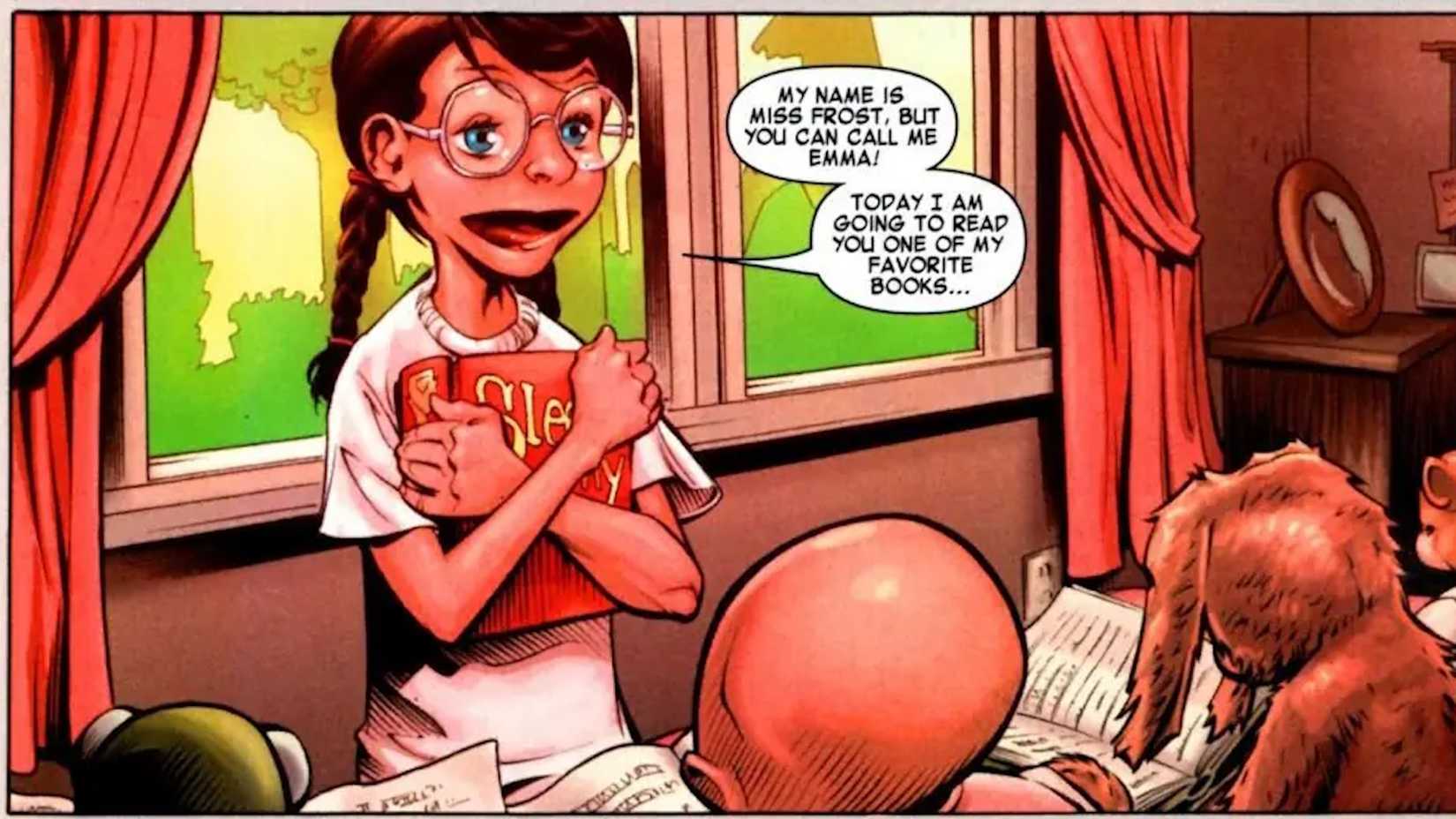
All four of Winston Frost’s children turned out to be mutants. Emma’s telepathic powers manifested during an angry outburst that knocked everyone in her boarding school unconscious. That brought Emma to the attention of Charles Xavier before he formed the X-Men. Emma and her father turned down Xavier’s invitation to attend his school.
Emma ran away from her father’s house after understanding she had powers. After a brief attempt at college, Emma dyed her hair blonde, got cosmetic surgery, and worked as a stripper in New York City. She eventually took a dancing job at the Hellfire Club, where she met Shaw. Shaw and Emma teamed up immediately and took over the Hellfire Club as its Black King and White Queen.
The White Queen
The Hellfire Club members adopted archaic costumes to signify their rejection of modern morality. Shaw stated in New Mutants v1 #22 that society means nothing and the individual means everything.
Shaw regarded other mutants as resources to be exploited rather than actual people. His goal was to recruit as many young mutants as possible to serve as his minions.
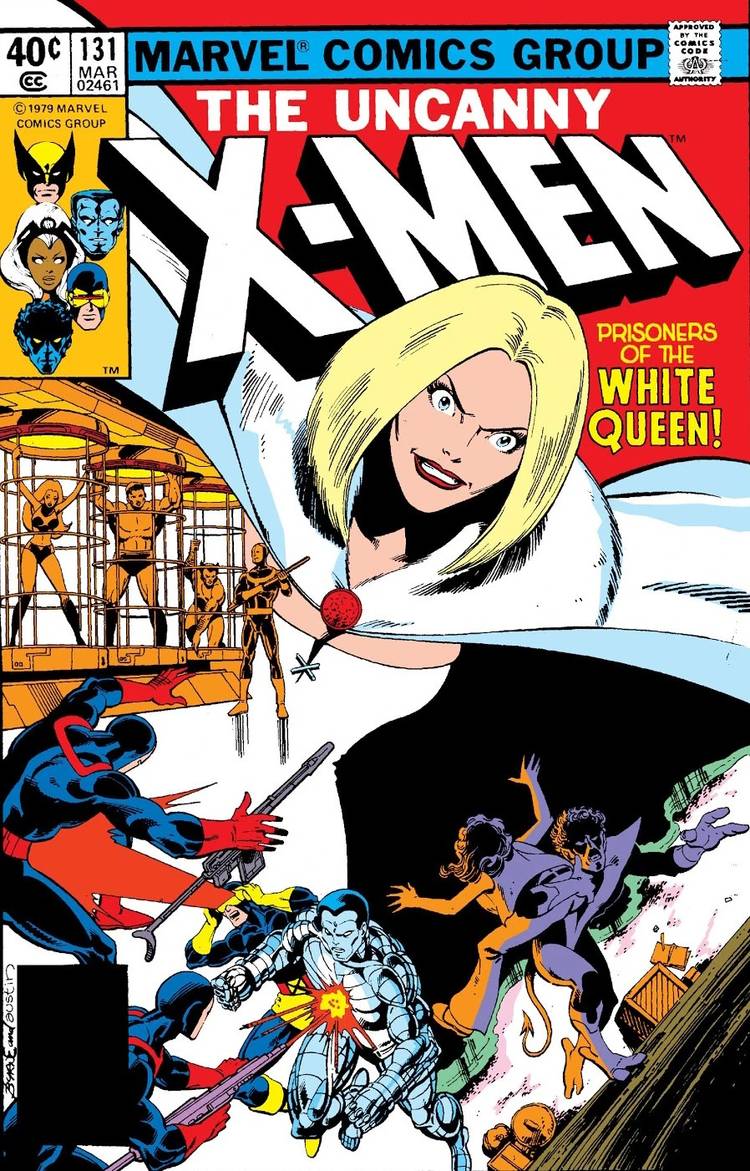
The X-Men stood in Shaw’s way, so he sent Emma to recruit or eliminate them. When several X-Men traveled to Chicago to meet Kitty Pryde, Emma attacked with a squad of mercenaries. Emma won the first round against the X-Men, but she lost a subsequent telepathic duel against Phoenix and was briefly assumed dead.
Emma’s Mutant Academy
Emma later resurfaced as the headmaster of her own school, the Massachusetts Academy, which she convinced Shaw to fund. She trained a team of young mutants called the Hellions and occasionally tried to poach students from Xavier’s school.
That era ended when the Hellfire Club was attacked by the time-traveler Trevor Fitzroy, who killed most of the Hellions. Emma nearly died and spent a year in a coma.
Emma eventually woke up and helped defeat an invasion by the alien Phalanx, who targeted the next generation of mutants. After rescuing them, Emma reopened the Massachusetts Academy as a branch of Xavier’s school, serving as the setting for the 1990s comic Generation X. That comic became the basis of a 1996 TV movie starring Finola Hughes as Emma.
Following the academy’s closure, Emma moved to the mutant nation of Genosha to teach young telepaths. She was teaching class when a new kind of Sentinel overran Genosha. Emma survived because she suddenly developed a secondary mutation that allowed her to transform her body into organic diamond.
Adaptations like X-Men: First Class and Marvel Rivals make Emma’s diamond form a core part of her abilities from the start. Readers unfamiliar with the comics often find it surprising that she did not always have this power.
Motivated by a desire to find and murder the perpetrators of the Genosha attack, Emma joined the Xavier Institute as a teacher and an X-Men member. She entered a relationship with Scott Summers that lasted for nearly 20 years in real time, which ended before the Krakoan era of X-Men.
Emma Frost in the X-Men movies
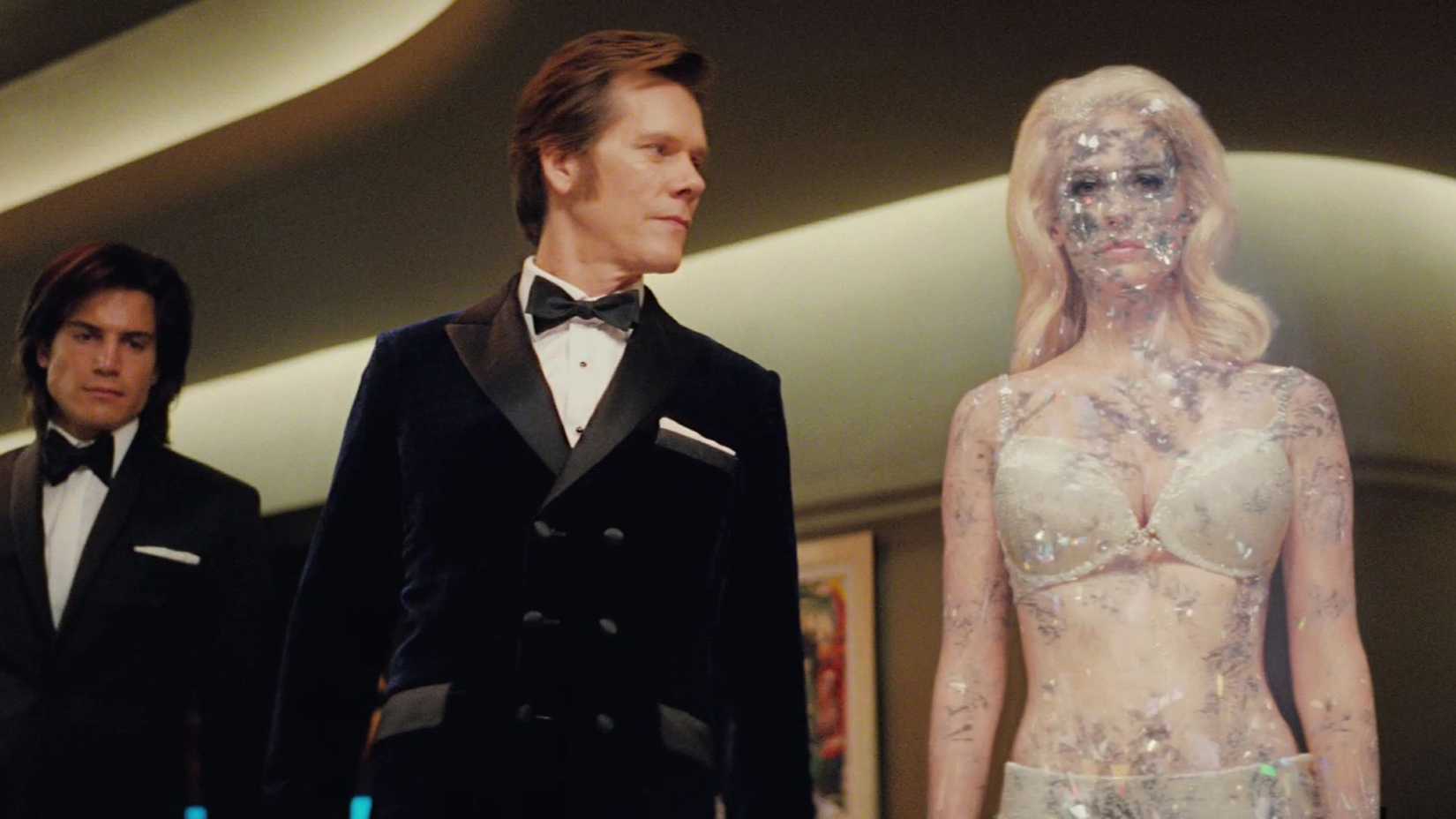
Emma Frost’s history in the X-Men film universe is shorter and begins earlier in X-Men: First Class. She meets Shaw before encountering Xavier and immediately embraces Shaw’s ideology of mutant supremacy.
By 1962, Emma supports Shaw’s plan to start World War III to usher in mutant supremacy. Following Shaw’s death, Magneto recruits Emma into his Brotherhood. The sequel, Days of Future Past, establishes that she died the following year, likely killed by Bolivar Trask.
The primary difference between the film version and the comics is that comics Emma is a teacher first. While she acted as a villain, she has a soft spot for children, and the loss of the Hellions drove her turn toward antiheroism. The Fox films lack this trait, presenting Emma as a straightforward mutant supremacist and manipulator.
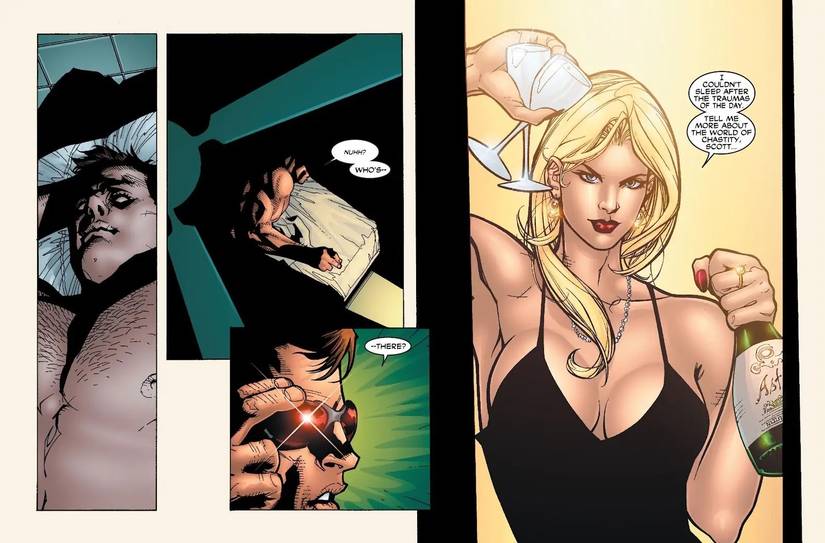
That background makes Emma Frost a wild card for the MCU. Given the franchise’s history with complex antagonists, Emma fits opposite Xavier as both a teacher and a ruthless telepath. She also served in Magneto’s Brotherhood in media such as the 1992 Konami arcade game, leaving room for a villainous role.
The cast so far includes Scott, Jean, and Emma. Readers of Grant Morrison’s run will recognize those characters from a prominent love triangle involving telepathic drama and time travel.
Source: Polygon
Related articles
 Why Kingdom Hearts Deserves an Anime Adaptation After 25 Years
 Onimusha: Way Of The Sword Isn’t A Horror Game, But It Definitely Has Its Horror Moments
 It Takes Two Developer Working on Co-Op Game Orbitals for Switch 2
 Sony Announces Release Date for Pokémon Competitor Aniimo Before GTA VI
 Analyst Reports Weak Sales for Halo: Campaign Evolved
 Developers Reveal New Details About Star Wars: Zero Company
 Phantom Blade Zero Surges on Steam as Players Place Mass Pre-orders
 Netflix Shuts Down Two Gaming Studios, Including Night School, Developer of Oxenfree