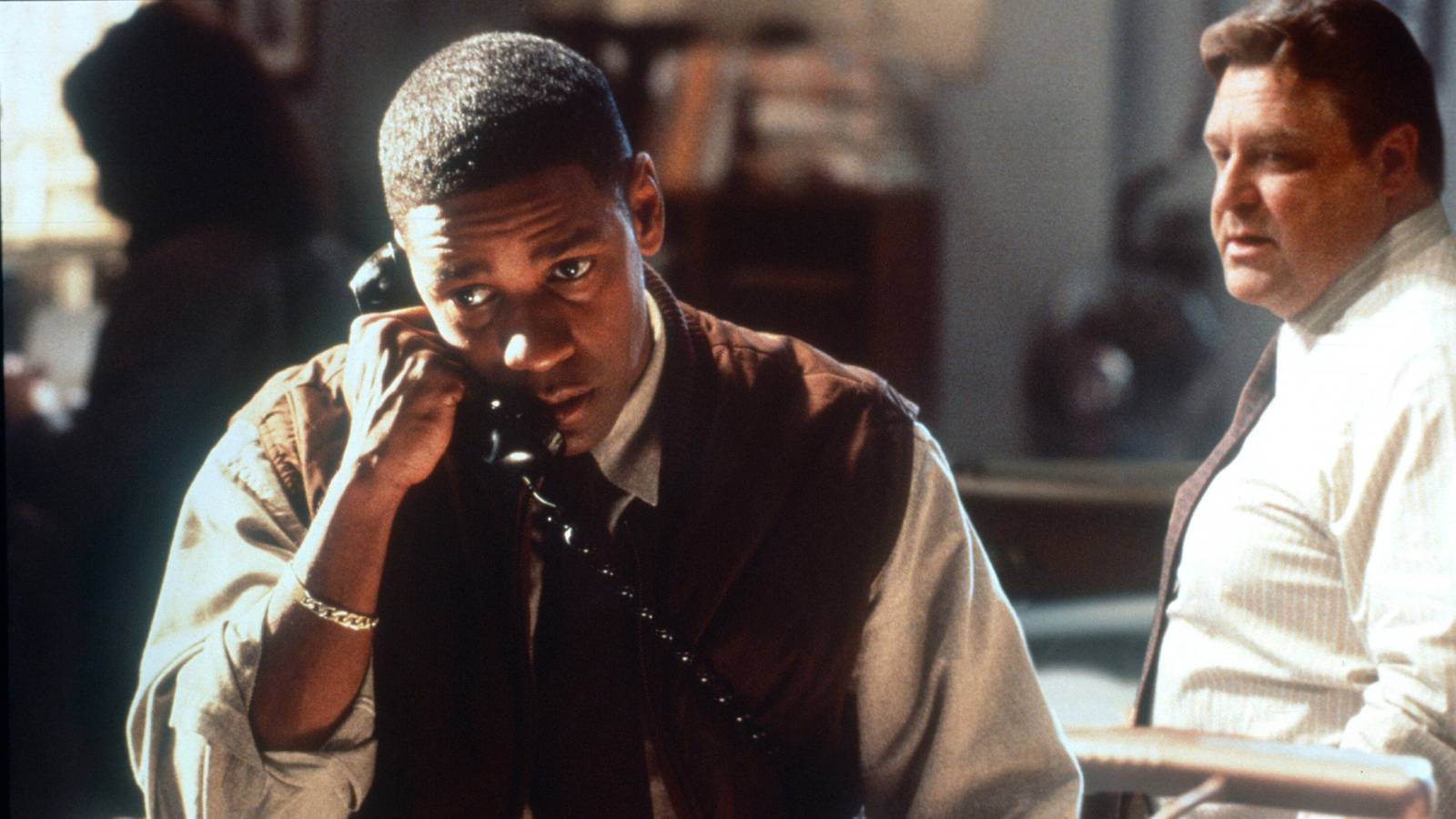
Denzel Washington’s Underrated Detective Thriller Beat Spider-Man: Brand New Day to the Punch by 38 Years
Spider-Man: Brand New Day has officially swung into cinemas, giving audiences one final Marvel blockbuster experience ahead of Avengers: Doomsday. Destin Daniel Cretton’s film plunges the iconic wall-crawler into a refreshingly grounded narrative, pitting him against an elusive adversary whose shifting nature turns every encounter into a high-stakes psychological hazard.
Mild spoilers ahead for Spider-Man: Brand New Day.
Without revealing too much, the most deeply unsettling aspect of the movie involves a malevolent force that leaps effortlessly between consciousnesses, tormenting both Spider-Man and Peter Parker in profoundly violating ways.
While psychic manipulation and body-swapping are thrilling devices in comic book adaptations, they strike a remarkably primal nerve: the terrifying realization that someone you know might suddenly become an utter stranger. Cinema has explored this loss of self-determination before in standout features like Jordan Peele’s Get Out and Curry Barker’s Obsession. However, a late-90s neo-noir thriller tackled this exact brand of paranoia with an intensity few films have replicated since. If Brand New Day left you fascinated by the sheer terror of possessive identity-theft, this forgotten gem demands your attention.
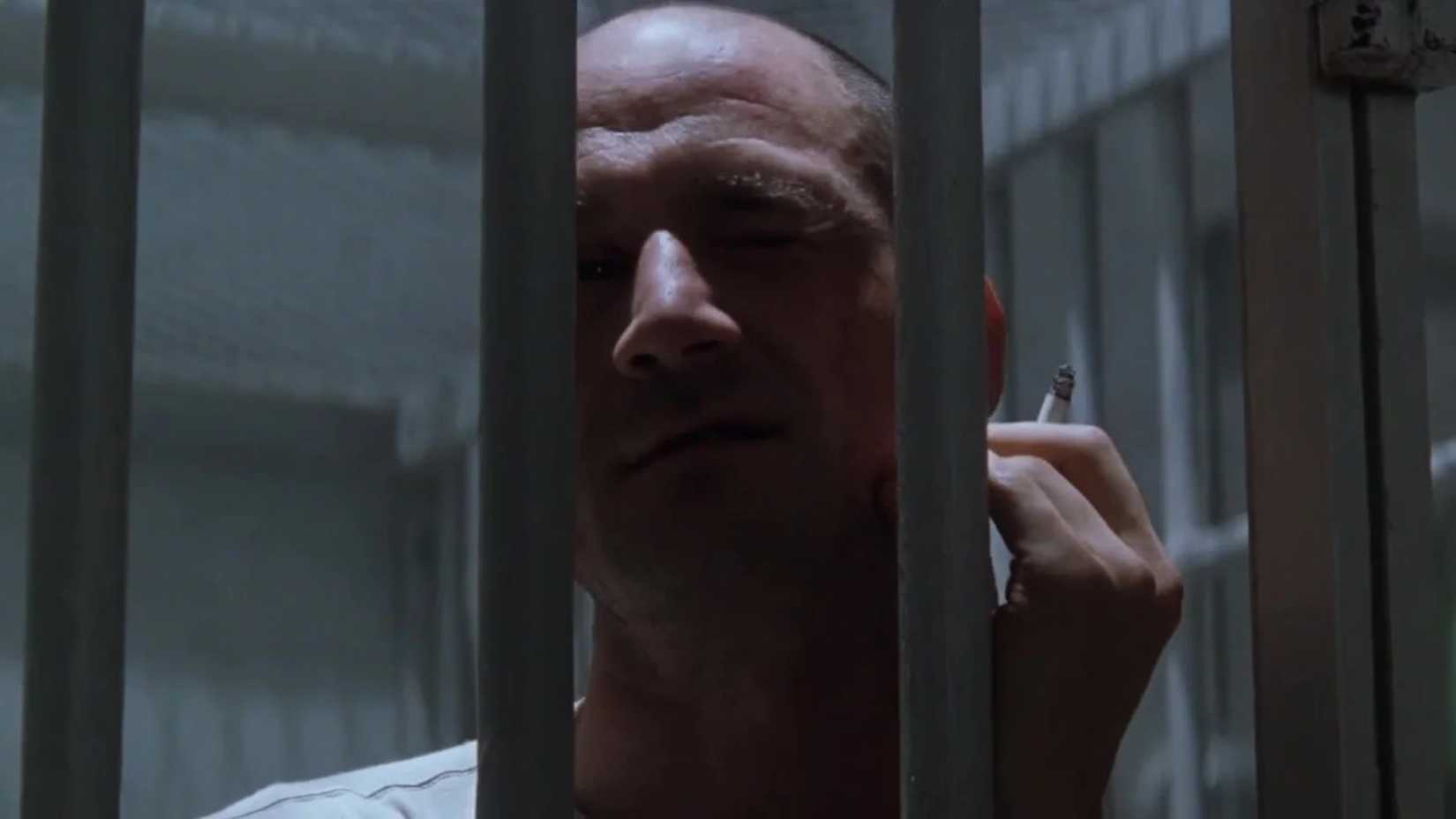
Directed by Gregory Hoblit and released in 1998, Fallen centers on Philadelphia homicide detective John Hobbes (Denzel Washington) shortly after he secures the conviction of Edgar Reese (Elias Koteas), a sadistic serial killer responsible for a wave of horrific atrocities. As Reese is led toward his impending execution, he taunts Hobbes in obscure, ancient tongues, flashing an unsettling grin that hints at a catastrophic truth far beyond mortal comprehension. Even as he cheerfully hums the Rolling Stones’ “Time Is on My Side” with chilling nonchalance, Reese’s life slips away in the gas chamber, granting Hobbes a temporary sense of closure.
That peace is short-lived. Soon, a fresh series of murders erupts, mirroring Reese’s exact signature and forcing Hobbes to realize a copycat is on the loose. But as the investigation widens, eyewitness testimonies conflict wildly, complete strangers treat him with eerie familiarity, and cryptic clues turn up at every crime scene. What initially looks like a routine hunt for a dangerous imitator steadily unravels into something otherworldly, backing Hobbes into a corner where he must confront an ancient, malicious entity that defies both police protocol and the laws of physics.
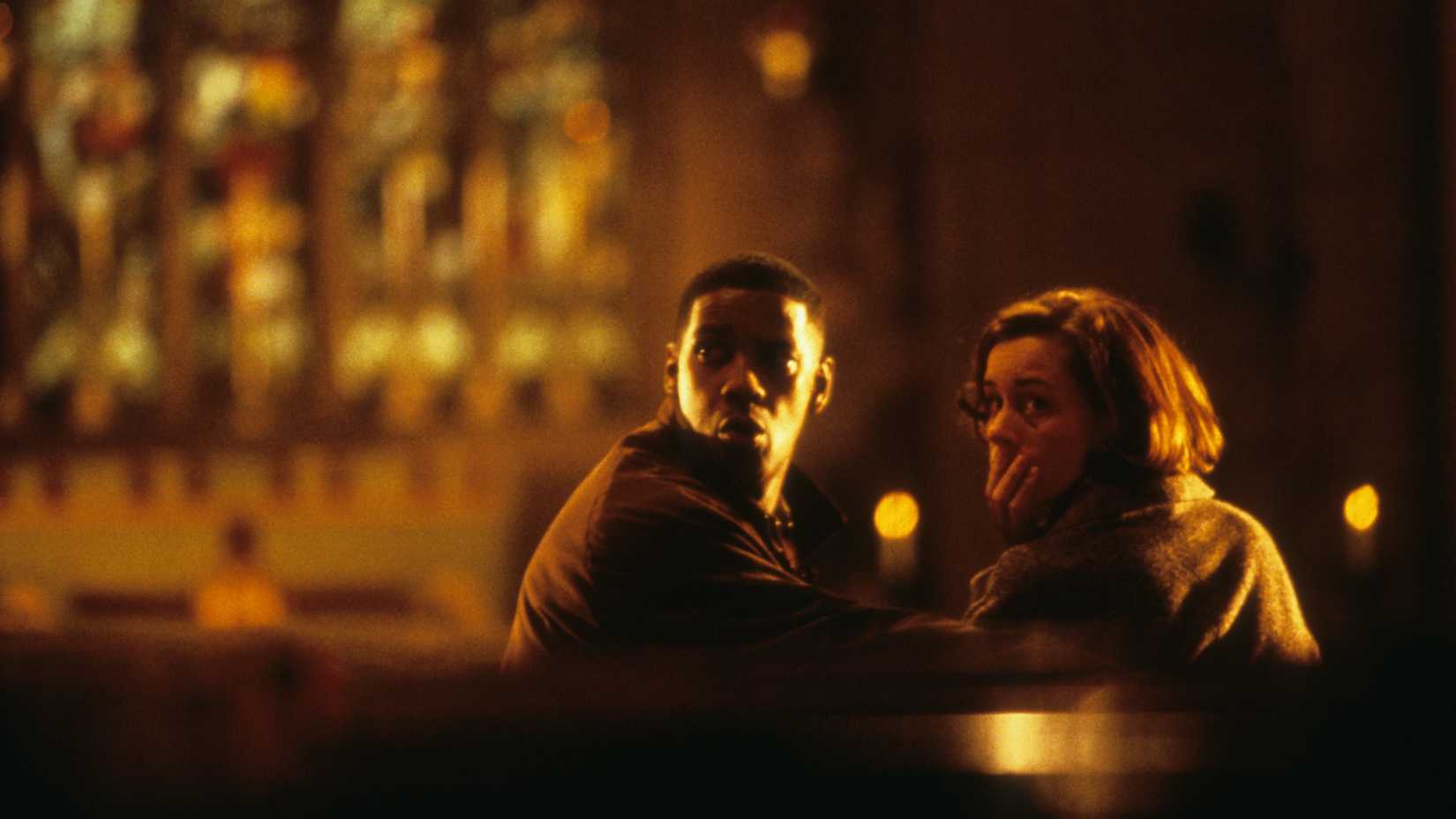
Positioned among Denzel Washington’s finest work, Fallen often gets overshadowed by high-octane hits like Training Day, Man on Fire, and The Bone Collector. Yet, Washington brings a compelling blend of sharpness, empathy, and raw vulnerability to Detective Hobbes. Watching him relentlessly pursue a truth that systematically dismantles everything he knows makes for an exceptionally gripping watch.
Director Hoblit skillfully weaves supernatural dread into the framework of a classic police procedural rather than leaning on cheap jump scares. Screenwriter Nicholas Kazan channels the cynical, doomed atmosphere of classic film noir masterpieces such as Double Indemnity (1944), The Big Sleep (1946), and Out of the Past (1947). By the time the film fully reveals its supernatural hand, viewers are already completely hooked by the intricate mystery.
The true genius of Fallen lies in its seamless, invisible transitions. The antagonist is terrifying for the exact same reason the new menace in Brand New Day is so effective: it can inhabit anyone. A pedestrian on a busy avenue, a fellow commuter on a train, a trusted colleague, or even a beloved pet. Suddenly, everyday environments transform into suffocating landscapes of suspicion, bathing every scene in an enduring, existential dread that keeps the movie remarkably fresh.
This mounting atmosphere draws subtle parallels to the wave of atmospheric J-horror that gained prominence around the same period. While it sidesteps traditional folklore imagery, Fallen treats terror as an invisible contagion spread through mere proximity. Much like Kiyoshi Kurosawa’s Cure—and later, Pulse—the movie derives its power from a pervasive force quietly infiltrating mundane reality.
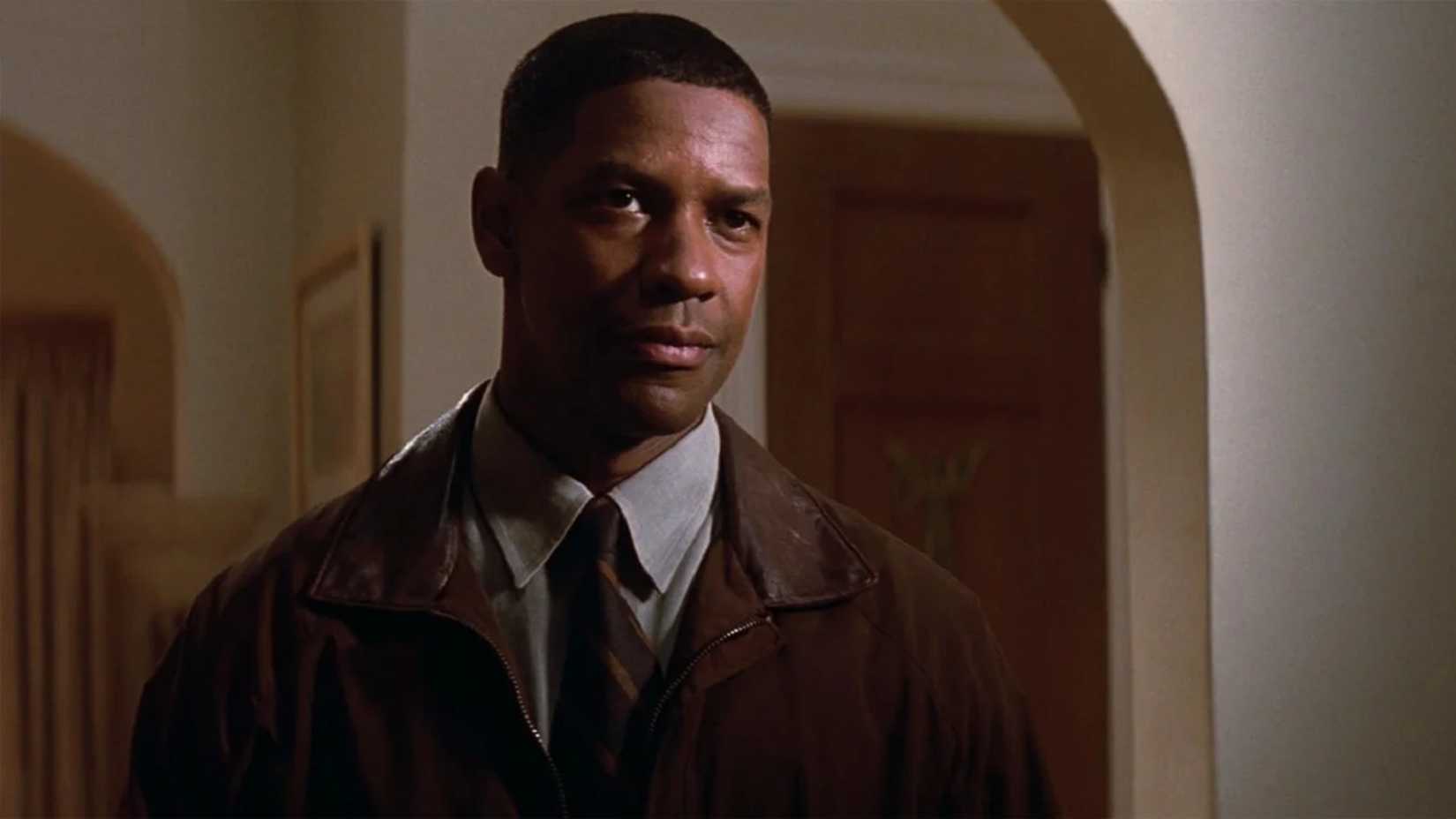
Contemporary critics were largely lukewarm, leaving the film with a modest 43% rating on Rotten Tomatoes. Over time, however, audiences have embraced its distinct charms. Fallen feels less like a dated late-90s artifact and more like a visionary project ahead of its time, skillfully fusing noir sensibilities, horror conventions, and theological dread into a wholly unique package.
While Spider-Man: Brand New Day utilizes mind control to push its hero to the brink, Fallen demonstrates the sheer devastation of that concept stripped of comic-book flair. Under Hoblit’s direction, psychic possession becomes an absolute violation of autonomy, forcing you to look at a crowded street and question whether the person beside you is truly human.
Decades after its debut, Denzel Washington’s overlooked thriller endures as a masterclass in paranoia, proving that the most terrifying villains don’t just take lives—they steal your very existence.
Fallen is currently streaming on Netflix
Source: Polygon
Related articles
 Bethesda Workers Protest Microsoft Layoffs, Warn Games Will Suffer
 EA Employees Fear Tighter Control Over Game Development After Saudi Acquisition
 Red Dead Redemption Developer Calls Working at Rockstar Unacceptable
 Star Wars: Galactic Racer Developers Explain Why Anakin Is Absent
 Beast of Reincarnation receives major patch ahead of DLSS and FSR Frame Generation support
 Analyst Explains Why Sony Is Moving PlayStation Away from Physical Discs
 Kingdom Hearts Returns to Steam Top Sellers
 Phantom Blade Zero to Receive Physical Disc Release