
D&D’s Return to Ravenloft Fails to Live Up to Its 5e Predecessor
Expectations for Ravenloft: The Horrors Within were sky-high. As the inaugural release of Dungeons & Dragons’ “Season of Horror,” this volume represents the first flagship product under the game’s new seasonal structure. It also marks a significant milestone as the first major Wizards of the Coast hardback of 2026, appearing after a relatively quiet period for the world’s most iconic tabletop RPG. This launch coincides with a sweeping reorganization of the brand’s leadership, signaling a fresh creative direction following the 2025 departure of veterans Chris Perkins and Jeremy Crawford.
While Ravenloft: The Horrors Within serves as a gateway into the future of D&D 5.5e, it takes a somewhat unconventional route: rather than debuting entirely fresh lore, the first installment is a reimagining of the critically acclaimed 2021 release, Van Richten’s Guide to Ravenloft. By recycling substantial portions of its predecessor, the book functions more as a refined companion piece. It succeeds in offering meaningful enhancements, though it occasionally falters when measured against the exceptional quality of the original guide.
Launched on June 2 for D&D Beyond Master Tier subscribers ahead of its June 16 retail debut, the book deepens the campaign setting by expanding the “Domains of Dread.” It successfully migrates established content into the current 5.5e mechanical framework while introducing fresh domains, villains, and character options. With a robust offering of 16 Domains, 17 darklords, seven subclasses, four unique species, four backgrounds, 11 feats, 68 monsters, and 47 maps, the package offers undeniable value. The Ultimate Bundle further sweetens the pot with a DM screen, a custom tarokka deck, and comprehensive digital and physical map sets.
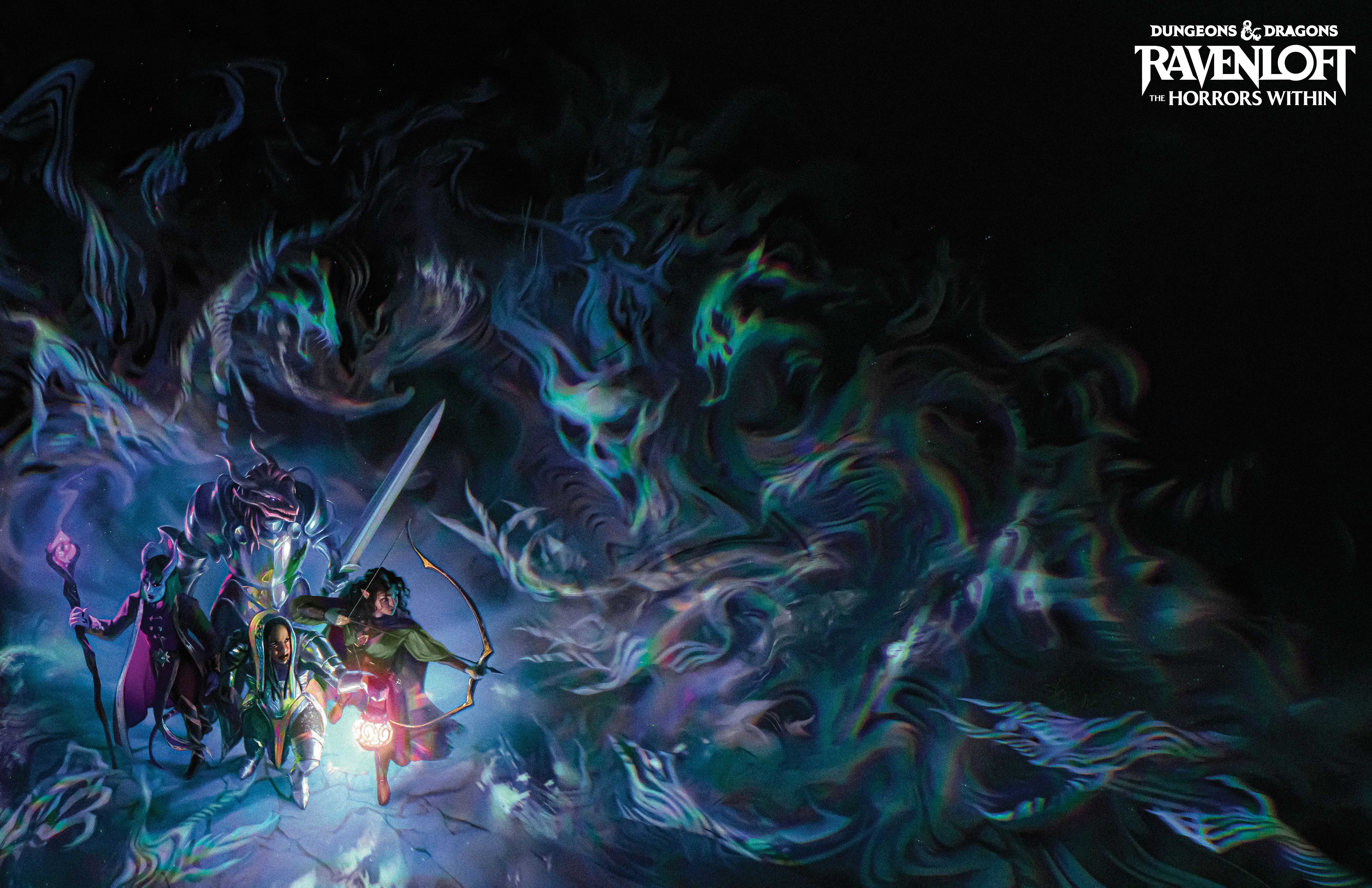
The book opens with an atmospheric primer on the Domains of Dread, emphasizing the suffocating influence of the Mists. Chapter 1 focuses on character options; while many of these were previously playtested in Unearthed Arcana, the highlight is the introduction of the “lupin.” This wolf-like humanoid species offers engaging tactical potential, including a potent bonus-action howl capable of imposing disadvantage and a lethal unarmed strike, making them a formidable addition to any adventuring party.
Dark Gifts return as variant origin feats, though they feel slightly stripped of their narrative flair. Where Van Richten’s focused on thematic roleplay, the 5.5e update prioritizes mechanical efficiency. For instance, the “Symbiotic Being” gift replaces the more nuanced, roleplay-heavy “Symbiotic Agenda” with a simplified trigger tied to rolling a natural 1. While this streamlines the experience for novices, it sacrifices some of the atmospheric tension that made the mechanic memorable. Additionally, the inclusion of “Haunted Bastions” provides an intriguing expansion to the base-building mechanics found in the Dungeon Master’s Guide.
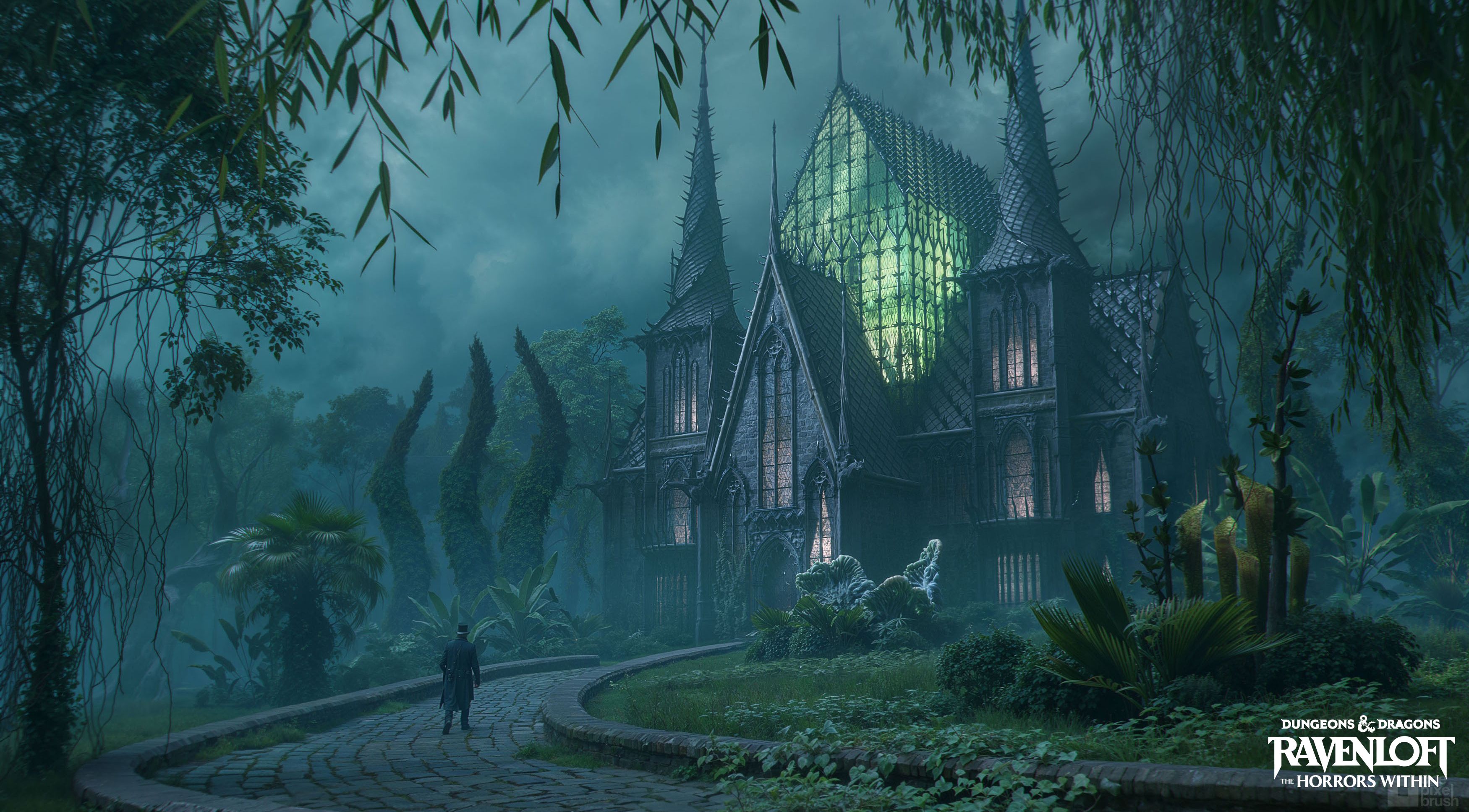
Chapter 2 explores 16 Domains of Dread, providing maps, historical context, and the now-standard mini-adventures characteristic of the current edition. A brilliant inclusion is the deeper integration of the tarokka deck. Each domain is now keyed to specific cards, which can either guide players toward locations or reveal dark truths about the local darklord. If a party draws a domain’s opposing card during a reading, the darklord is instantly alerted, allowing them to exert their will directly onto the group. It is a masterful touch that weaves the tarokka deck into the fundamental fabric of the setting.
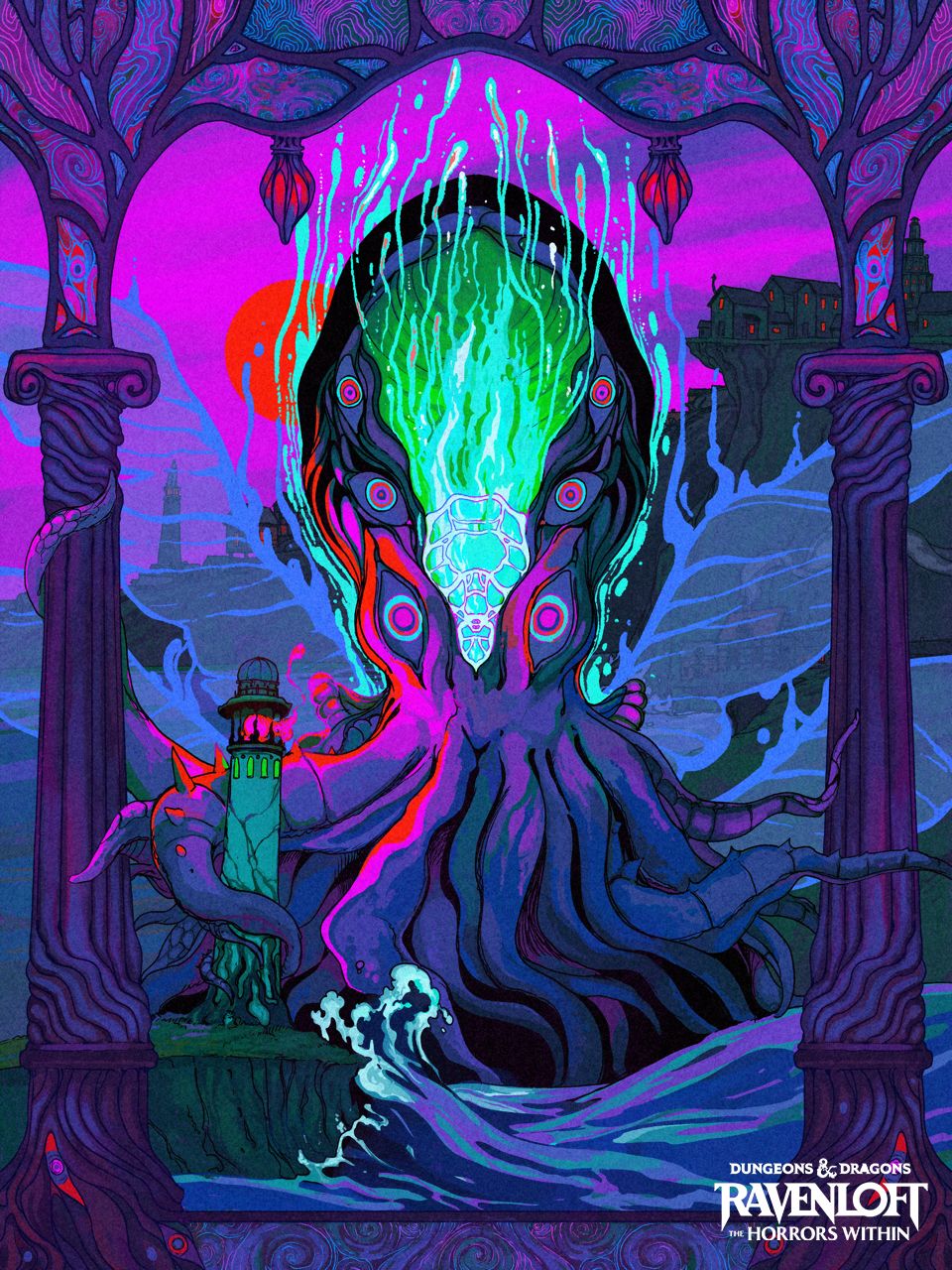
While some fan-favorite domains have been relegated to minor entries, the introduction of Innsmouth, the Shadowlands, and Sithicus offers fresh soil to till. However, the Lovecraftian Innsmouth feels like a mismatch for D&D. By reducing the cosmic terror of Cthulhu to a mere stat-block encounter, the book inadvertently diminishes the awe-inspiring nature of the entity. In contrast, the Shadowlands are a triumph, channeling dark, Arthurian fairy-tale energy and bringing back the legendary sentient sword, Ebonbane, as a primary antagonist.
For long-time fans, the expanded coverage of Darkon—specifically the tragic history of the lich Azalin Rex and his frozen, explosive lair, Castle Avernus—is a nostalgic masterclass. Unfortunately, the DM tools in Chapter 3 are somewhat lackluster. The removal of the “horror toolkit,” which previously offered elegant guidelines for managing stress and curses, feels like a missed opportunity. The shift toward providing instructions rather than player-facing “toys” is a regrettable trend in the new edition’s design philosophy.
While Chapter 4 offers guidance on creating custom domains, much of the text feels lifted directly from previous iterations, albeit with a fresh coat of paint. For those who already own Van Richten’s, this repetition may sting, though the quality of the new monster manual—which introduces over 30 terrifying creatures, including the unsettling Gug—largely compensates for the redundancy. The artwork throughout the volume is nothing short of breathtaking, capturing the distinct, eerie aesthetic of every domain with remarkable consistency.
Ultimately, Ravenloft: The Horrors Within is an excellent entry point for those new to the setting or the 5.5e ruleset. For veteran DMs, it serves as a competent, if slightly sanitized, companion to the original. While it may prioritize “gamification” over atmospheric depth, it remains a valuable resource that successfully manages the complex task of reintroducing Ravenloft to a new generation of players.
Source: Polygon
Related articles
 Ace Combat 8 Tops Steam Chart and Sets Series Concurrent Player Record
 Free-to-Play Monster Hunter Outlanders Scheduled for Late October Mobile Release Alongside Gameplay Footage
 Filming Wraps on Season 3 of Wednesday as Netflix Releases New Photo of Jenna Ortega
 Insider Reports Sony May Revive Ape Escape Series
 Fourth Wing Author Confirms Major Fan Theory in New Book
 Marvel Releases Video Recapping Vision’s Evolution Ahead of Vision Quest Premiere
 Cosplayers Bring Baldur’s Gate 3 Characters Karlach and Astarion to Life
 Fast & Furious TV Series Ordered at Peacock for 2028 Release