
Crunchyroll’s Top-Rated Isekai Needs a Christopher Nolan Twist to Regain Its Edge

For years, Re:Zero – Starting Life in Another World has transcended the typical isekai tropes by grounding itself in a relentless, often agonizing premise. Its protagonist, Subaru Natsuki, isn’t just a standard hero finding his footing in a new realm; he is trapped in a cyclical nightmare where death—frequent and visceral—is his only real ability.
When a narrative hook is as potent as “Return by Death,” the risk is that the story becomes overly tethered to its own gimmick. Throughout the first three seasons, Subaru’s evolution was defined by his struggle to transcend this power rather than becoming dependent on it. However, season 4 opted for a drastic pivot, channeling the disorienting, fractured memory narrative of Christopher Nolan’s Memento to return to its harrowing origins.
Produced by White Fox and adapted from Tappei Nagatsuki’s light novel series, Re:Zero follows Subaru, an ordinary shut-in thrust into a high-stakes fantasy world. Unlike his genre peers, he gains no legendary sword or overpowered magic; his “gift” is merely the ability to rewind time to specific checkpoints upon death. He remains an inept fighter, entirely devoid of traditional skills, forced to navigate a brutal political landscape where his lack of combat prowess is constantly highlighted.

Initially, Subaru treated his deaths like a roguelite game, treating every expiration as a failed run from which he could derive data. However, the series rarely lets the viewer—or Subaru—off the hook. Each death is a traumatic, agonizing experience that takes a heavy psychological toll, moving beyond simple puzzle-solving into the realm of profound personal tragedy.
By season 2, the frequency of these deaths began to subside, signaling a crucial shift in character development. Season 3 took this progression further, positioning Subaru as a competent strategist who utilized magic and weaponry rather than brute force. By the time the dust settled in the city of Priestella, he had matured into a role that didn’t demand his constant demise. His death count dropped significantly compared to the earlier, more chaotic seasons.

When season 4 debuted in 2026, the pacing felt sluggish, bordering on aimless. Exploring a mysterious tower to resolve a complex magic-related threat lacked the visceral stakes of the Priestella arc. It briefly felt as though Re:Zero had morphed into a generic fantasy series, losing the very edge that set it apart.
This all inverted in the closing moments of episode 7. As Subaru finds his memories of the new world—and the memory of his traumatic power—wiped clean, he is thrust back into a state of total vulnerability. The brilliance of this arc lies in the psychological collapse: he is forced to relearn how to trust his companions while facing a lethal antagonist who exploits his ignorance. The discovery of a message carved into his own arm mirrors the tactile, desperate self-documentation seen in Memento, grounding the supernatural stakes in a deeply human sense of dread.

This twist effectively revitalized the season, but it raises uncomfortable questions about the show’s identity. Re:Zero previously earned its keep by showing Subaru grow through the trauma he endured. By hitting the reset button on his progress, the narrative suggests that his growth was only valid so long as the cycle of torture continued. It implies that the show’s success is intrinsically linked to its ability to subject its lead to extreme suffering.
Ultimately, Re:Zero remains trapped in a paradox: it has a premise that is too iconic to abandon, yet too dependent on shock value to sustain indefinitely. Whether this reset is a clever subversion or a regression into old habits will define the series’ legacy, determining if it remains an innovative staple of the genre or a show that simply forgot how to evolve.
Source: Polygon
Related articles
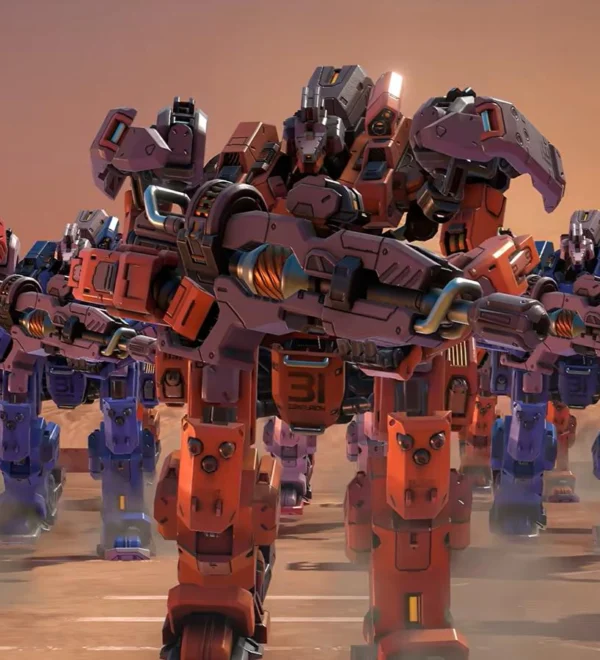 Mechabellum Adds Planet Conquest Mode With Co-op Support
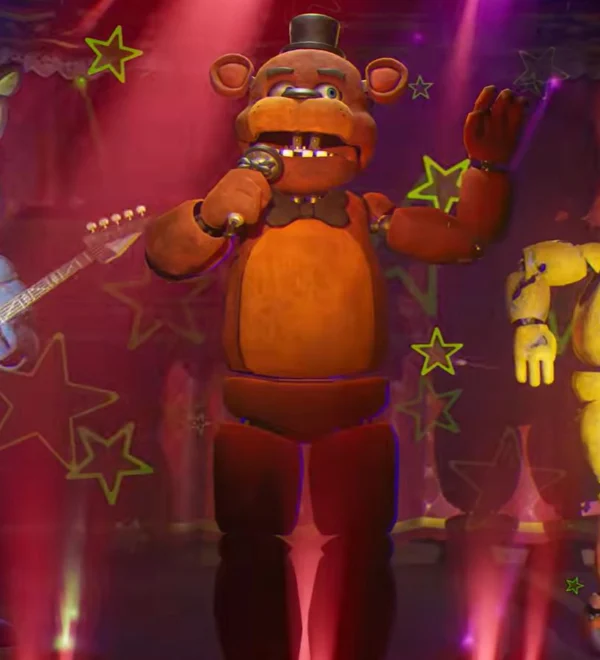 Fortnite to Feature Five Nights at Freddy’s Collaboration Alongside New Fortnitemares Trailer
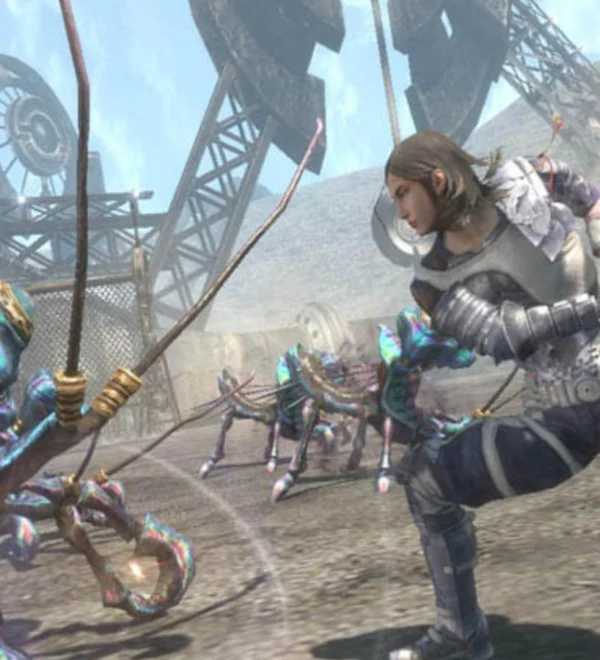 Lost Odyssey Ported to PC After 19 Years with Modern Xbox 360 Features Added
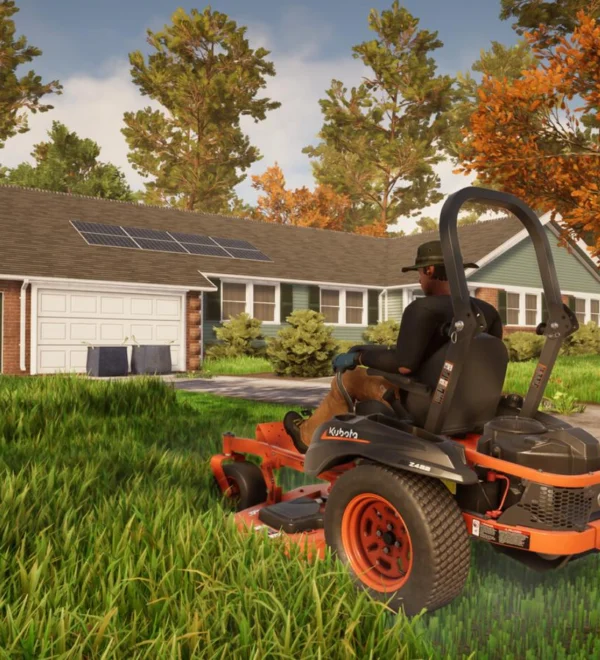 Lawn Mowing Simulator 2 Released on Steam and Consoles
 Lanterns Episode 7 Ending Explained: What Does John Stewart Find in Hal Jordan’s Vault
 Modder Adds Seamless Co-Op to Monster Hunter: World on PC After 8 Years
 Dark Device Repair Simulator Don’t Pick Up Releases Steam Demo
 Classic The Far Side Comics Focus on Feline Behavior