
Backrooms director Kane Parsons answers three specific questions about the movie

If early box-office forecasts hold true, the unsettling, atmospheric horror hit Backrooms is poised for a massive debut—an impressive feat for a $10 million production born from an obscure 4chan thread. As audiences flood theaters, expect the digital discourse to swirl around the film’s cryptic details and overarching themes. We caught up with directors Kane Parsons and Will Soodik to delve into the movie’s deeper mysteries, moving beyond their franchise aspirations to pick their brains about the strange, shifting reality of the film itself.
1. Why the birds?
When Clark (Chiwetel Ejiofor), a furniture shop owner, accidentally stumbles through a basement portal into the sprawling, yellow-hued void of the Backrooms, he finds an empty, liminal nightmare. Yet, alongside his therapist Mary (Renate Reinsve), he encounters a few stranded seagulls. Why are these birds present when no other wildlife—save for a stray fly—seems to exist?
“There is intentionality behind the choice of seagulls,” Parsons explains. “Birds carry a specific type of imagery we wanted to lean into. Logically speaking, there’s nothing inherently preventing living things from crossing over. If you can walk through a wall, you can end up here. Humans, flies, and birds are simply the unfortunate souls who happened to slip through.”
When asked if these creatures are native to the Backrooms, Parsons remains cryptic: “We don’t know that for sure. The implication within the film is that they arrived from outside, but I love the theory that they could be endemic to the space itself.”
2. Crafting the Reality
Having cut his teeth creating the original viral videos using Blender, Parsons faced a new challenge for the big screen: balancing CGI with physical production. “A significant portion is practical,” he notes. “If you see an actor interacting with an object, it’s real. We utilized four massive soundstages, totaling 30,000 square feet, to bring these rooms to life.”
While the sets provided a tactile, grounded feel, Parsons didn’t abandon his roots. He utilized digital effects for more ambitious sequences, like the yawning chasms. “There’s a skepticism toward VFX, but I see digital tools as an extension of craftsmanship. Using the same methods I honed in Blender felt like a fitting tribute to the source material. It created a hybrid experience that feels both grounded and hauntingly surreal.”
3. The Unstable Threshold
Unlike the high-tech, man-made portals found in Parsons’ YouTube series, the movie’s entrance is an spontaneous, invisible, and strangely stable rift. It defies the typical “trapped forever” horror tropes, leaving the audience to wonder why the door stays open at all.
“The YouTube series is centered on an industrial effort in San Jose, where a group is actively trying to harness these portals,” Parsons explains. “In the film, the portal is an anomaly—unpredictable and inherently unstable. There’s a constant, underlying tension that this access could vanish at any second.”
Ultimately, the Backrooms serves as a metaphor for the modern, repetitive nature of our digital existence. “We live in a culture that spirals into derivative, self-referential cycles,” Parsons adds. “The Backrooms mimics this—it’s a space that copies and degrades reality until it loses all meaning. Keeping the portal stable was essential for that societal critique. It reflects our own desire to keep searching for meaning in a world that is essentially a feedback loop of its own design.”
Backrooms is currently playing in theaters.
Source: Polygon
Related articles
 Warner Bros. New Owners Will Retain DC Studios Leadership, Keeping James Gunn Safe
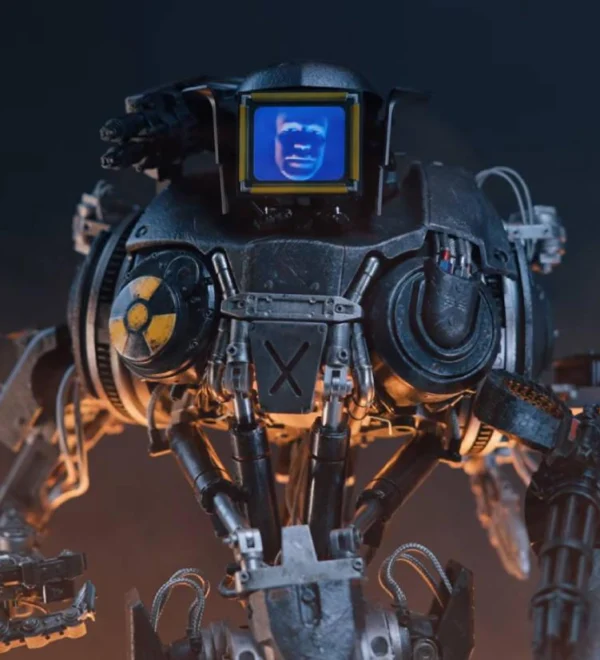 Hot Toys Adds Interactive Tech to Robocop and RoboCain Figures From Robocop 2
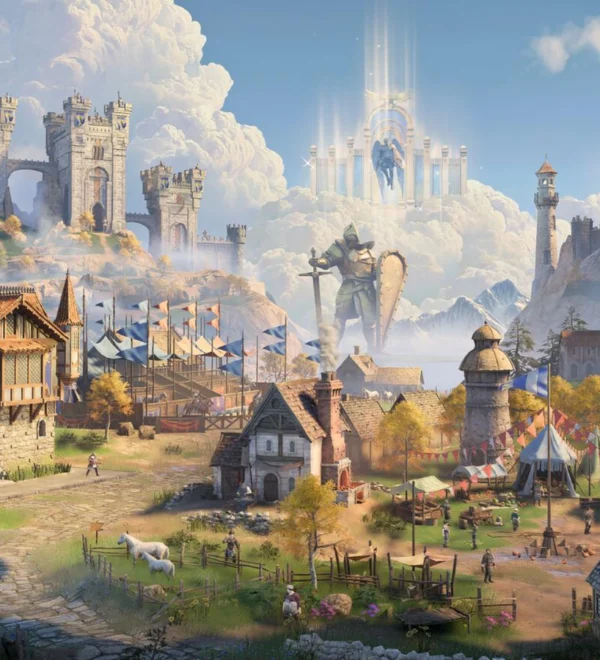 Creator of Heroes 3 Plays Remake and Shares Feedback
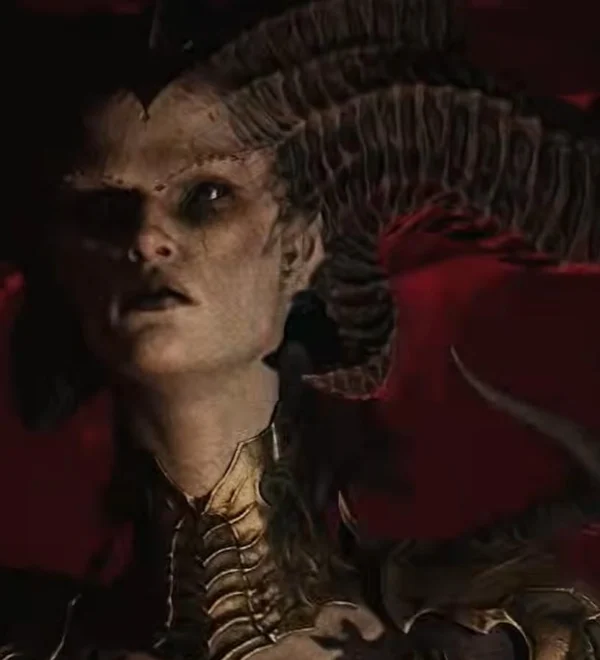 Dead by Daylight Announces Collaborations with Diablo IV and Stranger Things in VHS-Style Trailer
 Sicario 3 in Development with Taylor Sheridan Writing Script
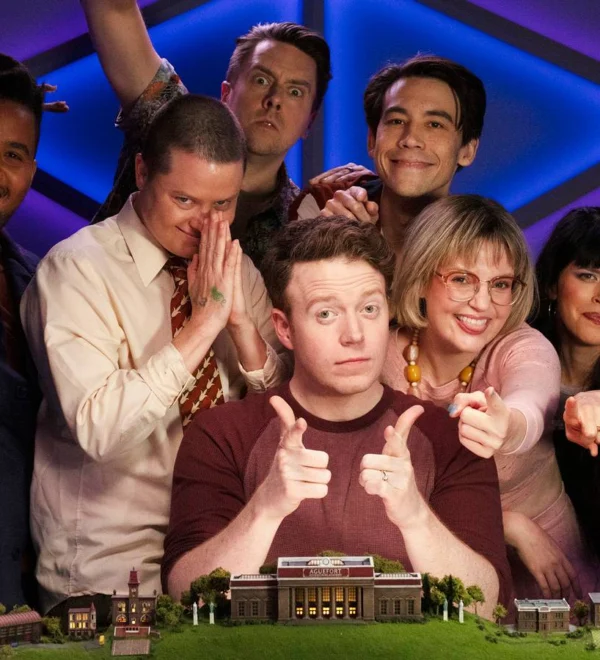 Guide to the Best Dimension 20 Seasons for New Viewers
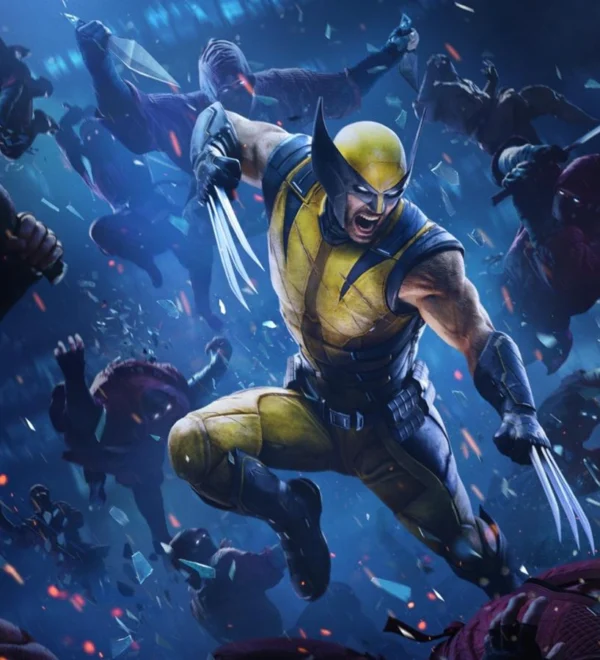 Retailer discounts Marvel’s Wolverine two weeks after release
 Miami Heat to Host GTA VI-Themed Vice City Night and Special Match Ahead of Game’s Release