Apple’s Major 2026 Sci-Fi Series Already Faces a Massive Flaw
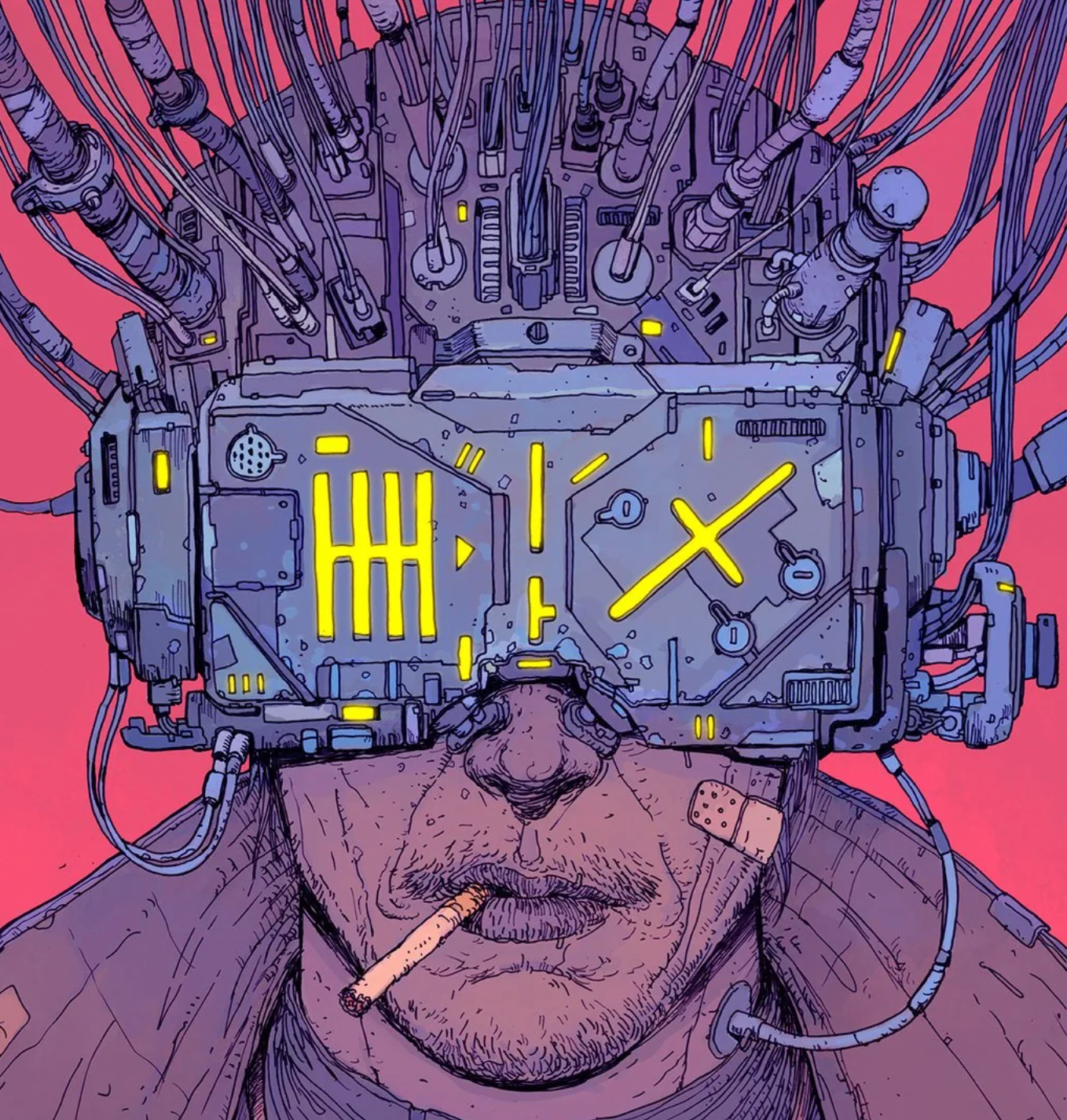
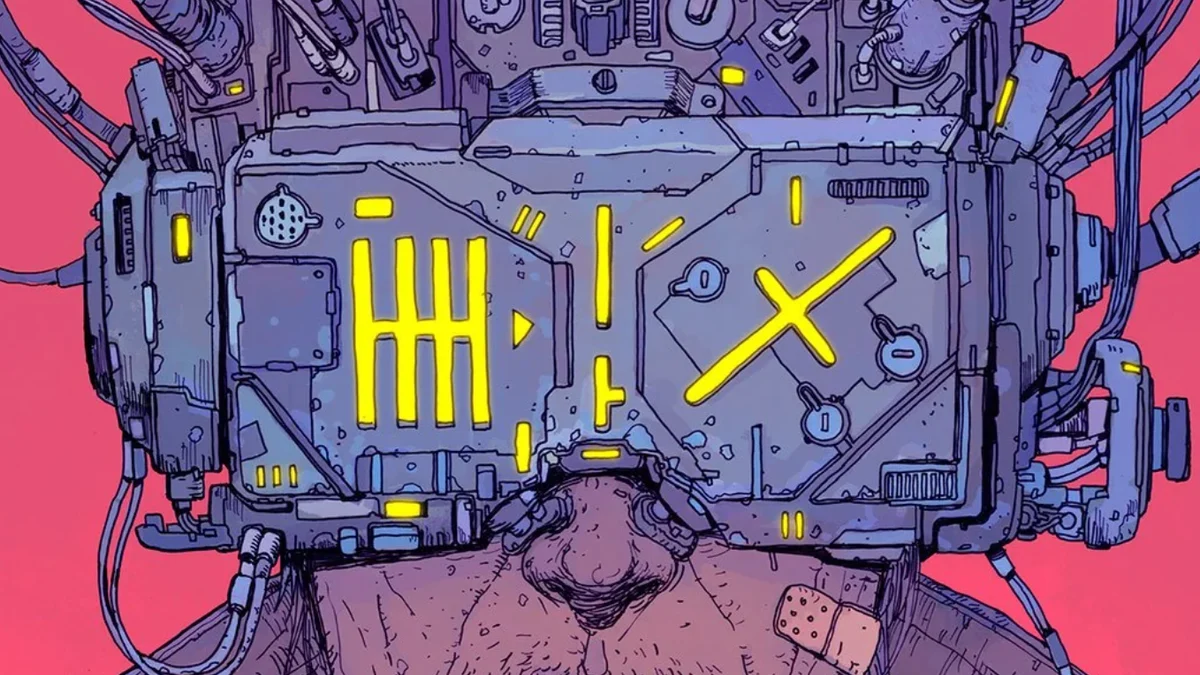
The term “cyberpunk” instantly evokes visions of rain-slicked neon streets, neural interfaces, and the blurred lines between humanity and machine. While this gritty sci-fi subgenre finds its roots in the New Wave literary movement of the 1960s and ’70s, its cornerstone philosophies were truly codified by William Gibson’s Neuromancer. Published in 1984 as the opening chapter of the Sprawl trilogy, Gibson’s seminal work popularized the concept of “jacking in” to a digital matrix and envisioned cyberspace as a perilous, lawless frontier.
Gibson was not the solitary architect of this now-ubiquitous aesthetic, but Neuromancer undoubtedly set the trajectory for the genre’s evolution. Iconic titles ranging from Ghost in the Shell to Cyberpunk: Edgerunners are deeply indebted to Gibson’s dystopian vision of high-tech low-lifes and rogue artificial intelligences. Despite its massive influence, the novel has famously languished in “development hell” for decades. Filmmakers such as Vincenzo Natali (Cube, Splice) and music video visionary Chris Cunningham were once attached to helm adaptations, but these projects never materialized—largely because the book’s surreal, dense world-building seemed impossible to capture on film.
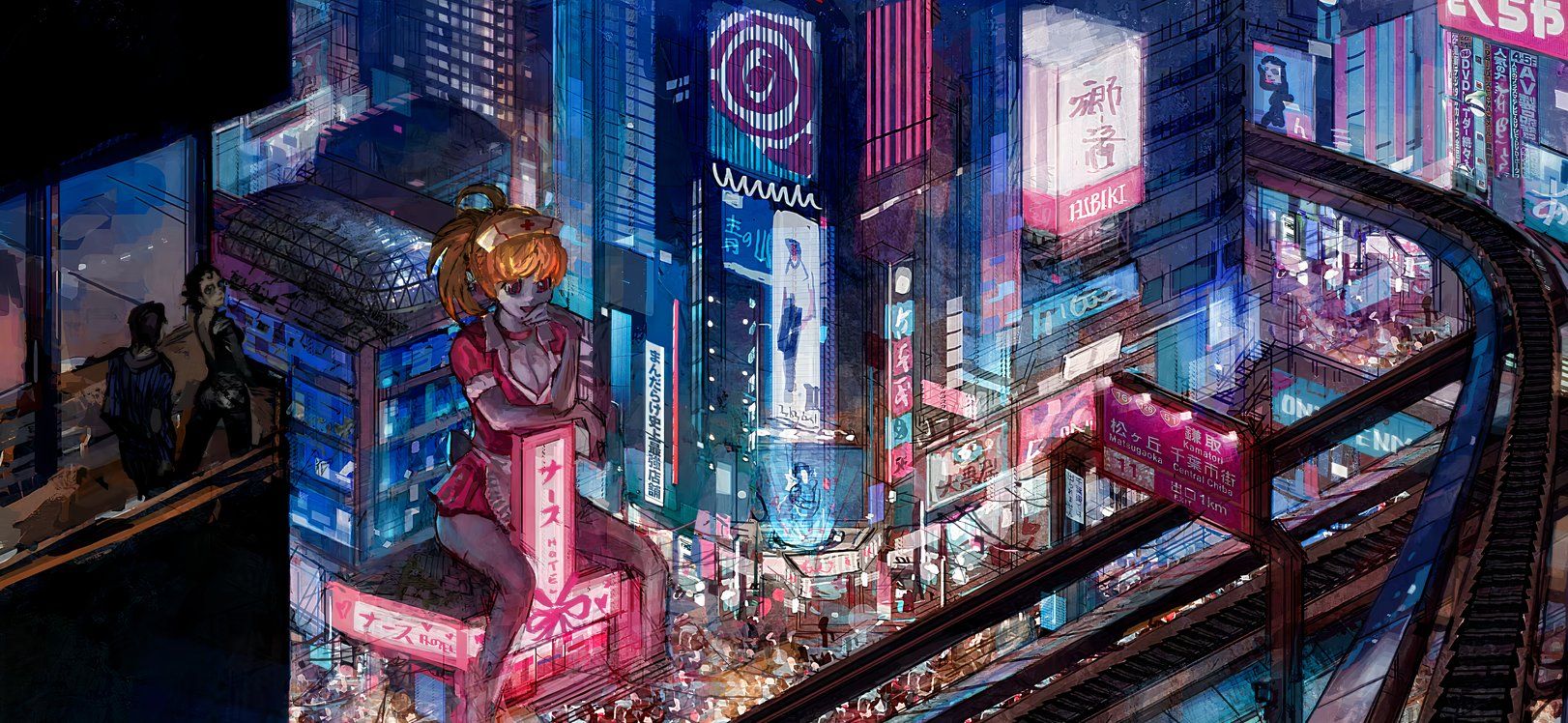
The tide is finally turning with a high-profile Neuromancer television series slated for Apple TV+ in 2026. The 10-episode production stars Callum Turner as Henry Dorsett Case, the disgraced hacker at the center of the storm. To mark the novel’s 41st anniversary, Apple shared a brief teaser showcasing Chatsubo, the Chiba City bar where Case’s journey begins. While expectations are high, the series faces a formidable challenge. Many fans argue that the fluid, reality-bending nature of the Sprawl is better suited to the boundless creativity of animation than the rigid constraints of live-action.
The narrative begins with a broken Case living on the fringes of society. A former “console jockey” who dared to steal from his corporate masters, he was punished with a mycotoxin that crippled his nervous system, severing his connection to cyberspace. This digital exile has left him desperate and suicidal. His luck changes when he is recruited by Molly Millions, a “street samurai” working for a mysterious benefactor. In exchange for a surgical cure, Case must navigate a high-stakes heist that leads him directly into the path of Wintermute—a powerful AI seeking to transcend its programmed limitations.
Gibson’s prose is notoriously psychedelic, making it a difficult fit for traditional cinematography. Consider Case’s internal struggle with his digital withdrawal:
“A year here and he still dreamed of cyberspace, hope fading nightly… he’d see the matrix in his sleep, bright lattices of logic unfolding across that colorless void… he was no console man, no cyberspace cowboy… But the dreams came on in the Japanese night like livewire voodoo, and he’d cry for it, cry in his sleep, and wake alone in the dark.”
This “consensual hallucination” of the matrix is a visual playground that often feels more natural in a stylized medium. While Cyberpunk 2077 successfully translated these concepts into interactive gameplay, live-action often struggles to depict cyberspace without it looking derivative or overly sterile. The Matrix remains a rare success in this regard, primarily because it reimagined the digital world as a literal, physical simulation rather than an abstract grid of data.
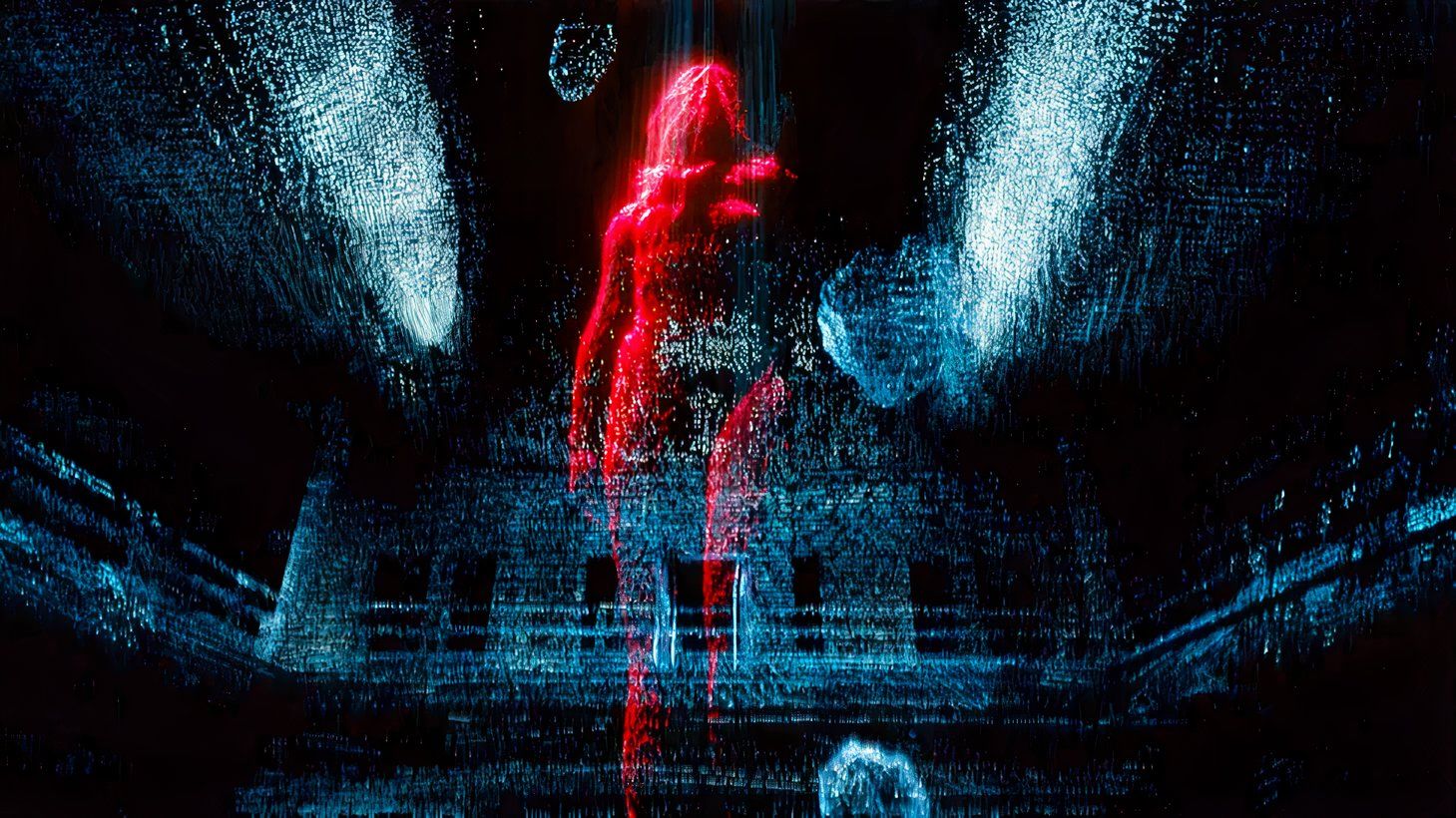
Beyond the digital realm, Neuromancer is a globetrotting odyssey that moves from the seedy alleys of Japan to high-orbit luxury habitats. The characters themselves are works of biomechanical art. Molly Millions features surgically implanted mirror-shades that seal her eye sockets, complete with a digital clock embedded in her field of vision. Another character, Peter Riviera, uses sophisticated holography to project haunting illusions directly into the minds of his audience. In live-action, these elements risk falling into the “uncanny valley,” often losing the impact they carry in the source material or in stylized animation.
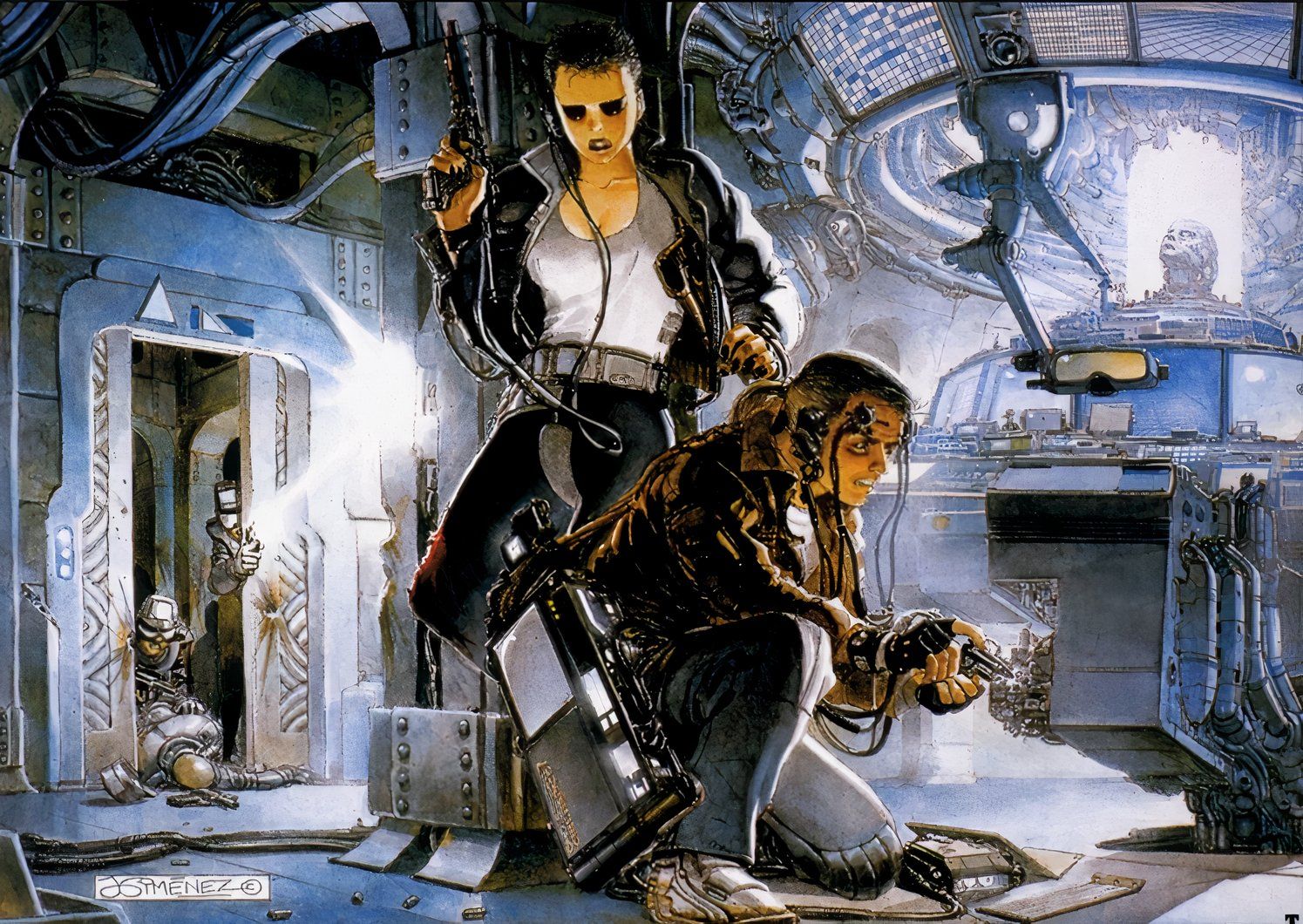
While franchises like Blade Runner and Altered Carbon have proven that cyberpunk can thrive on screen, Neuromancer is a unique beast. It is a story defined by its frantic energy and its scathing indictment of late-stage capitalism. To truly succeed, Apple’s adaptation must find a way to replicate Gibson’s distinctive “voodoo” aesthetic. If it manages to capture that lightning in a bottle, it could redefine the genre for a new generation; otherwise, it risks being just another piece of digital ghost-ware.
Source: Polygon
Related articles
 Rebel Wolves showcases optimization for The Blood of Dawnwalker in Unreal Engine 5
 GTA VI Leaks Proven True After Rockstar Games Confirms Inside Source
 Resonance: A Plague Tale Legacy Trailer Features Critical Acclaim
 New Star Trek Movie Described as Crimson Tide Meeting Training Day
 Reviewers Praise Marvel Tōkon: Fighting Souls Despite Flaws in New Trailer
 Everything Konami Showed At Its 2026 Press Start Showcase
 Everything Shown At The September 2026 State Of Play Japan
 Everything Announced At The September 2026 PlayStation State Of Play