7 Essential Noir Classics to Watch If You Loved Spider-Noir (#5 Is a Masterpiece)
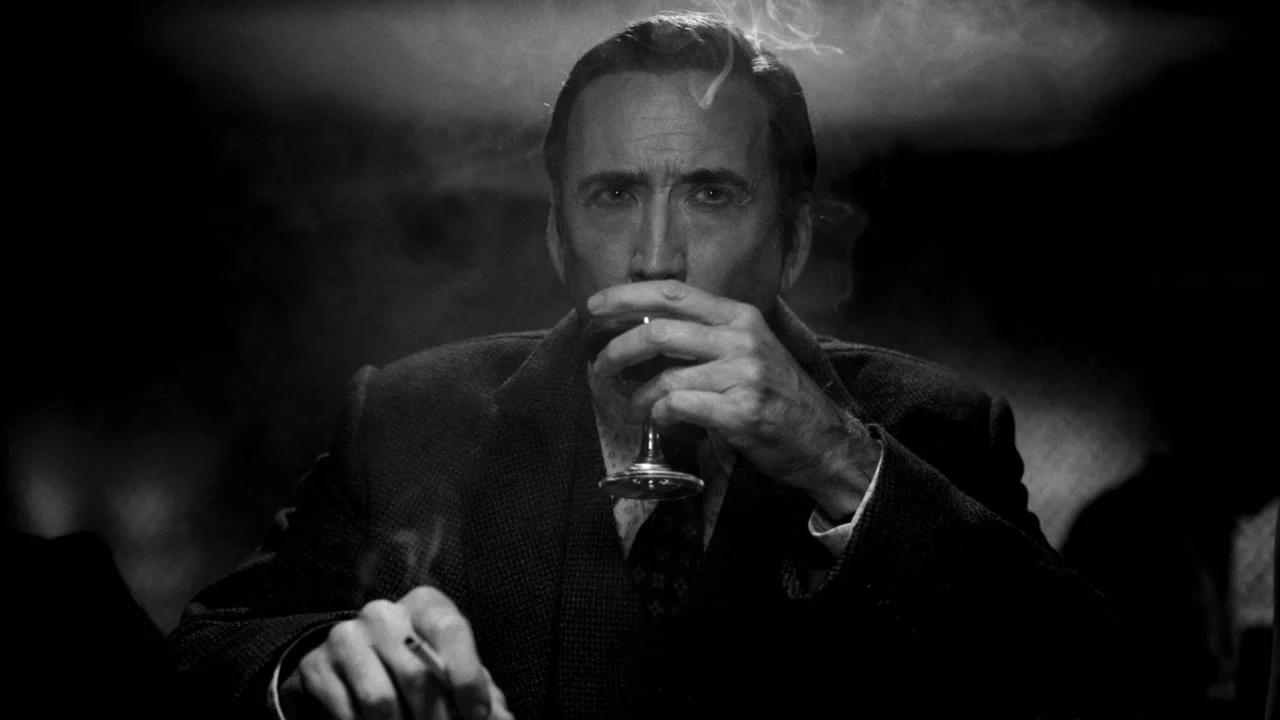
The series Spider-Noir has officially arrived on Prime Video. While it diverges significantly from the standard Spider-Man cinematic outings, it remains deeply rooted in the stylistic DNA of the genre that inspired it—minus the aerial web-swinging, of course. Characterized by hardboiled investigations, morally grey protagonists, chiaroscuro lighting, and introspective voiceovers, the series is a love letter to classic “film noir.” Emerging in the 1940s and 50s, the genre is synonymous with cynical crime dramas centered on world-weary private eyes, all reflecting the grim disillusionment born from the Great Depression and the shadow of global conflict.
In a recent interview with Polygon, the director of Spider-Noir’s opening episodes unveiled the primary cinematic influences behind the show’s aesthetic. Below, I’ve compiled those essential picks alongside a few personal recommendations for those who have finished the series and are eager to chase that same atmospheric high.
1
Chinatown (1974)
Directed by Roman Polanski, Chinatown features Jack Nicholson as J.J. “Jake” Gittes, a private eye navigating the sun-drenched corruption of 1930s Los Angeles. When a seemingly simple infidelity case involving Faye Dunaway’s Evelyn Cross-Mulwray spirals into a conspiracy of murder and institutional rot, Gittes finds himself in over his head.
For those new to the genre, Chinatown serves as an accessible entry point. It captures a modern sensibility while remaining deeply reverent to the noir archetype. It is widely considered one of the greatest films in cinematic history for its ability to marry the conventions of a detective thriller with a deeply unsettling psychological narrative. As a definitive piece of “neo-noir,” it is easy to see why Spider-Noir’s director, Harry Bradbeer, cited it as a key blueprint for his own stylistic direction.
2
Casablanca (1942)
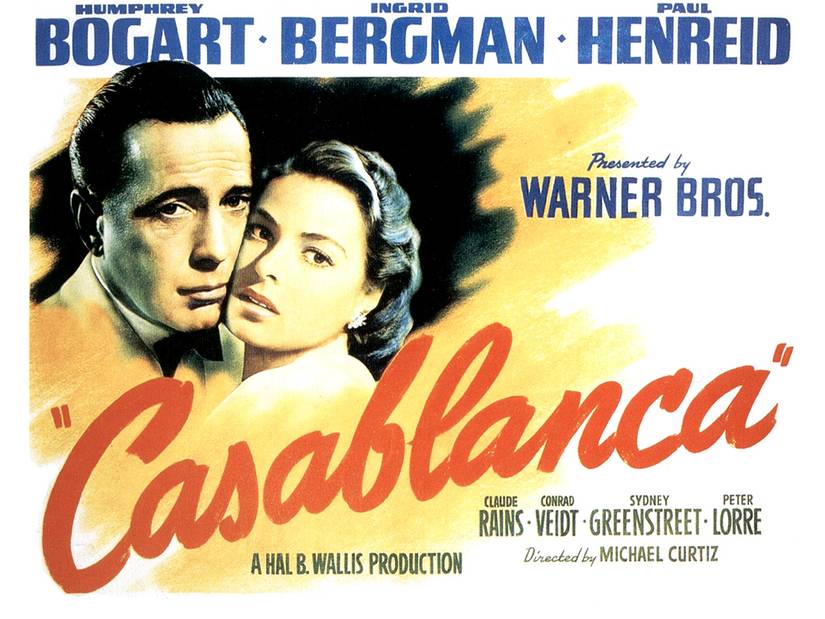
Another monumental entry in Bradbeer’s list is Casablanca, directed by Michael Curtiz. It remains the gold standard for romantic dramas, focusing on an American expatriate (Humphrey Bogart) running a nightclub in Morocco during WWII, who is unexpectedly reunited with his former love (Ingrid Bergman) as she seeks safe passage for her husband.
While often categorized as a war-time romance rather than strict noir, it masterfully employs the genre’s visual syntax: the long shadows, the smoke-filled rooms, and the weary, cynical demeanor of the protagonist. Nicolas Cage’s performance in Spider-Noir draws clear inspiration from Bogart’s legendary portrayal of Rick Blaine, capturing that elusive mix of world-weariness and hidden nobility.
3
Touch of Evil (1958)
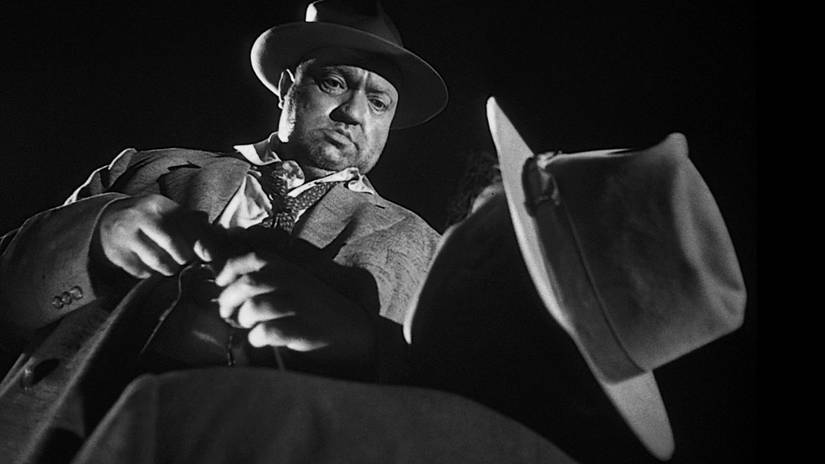
Written and directed by Orson Welles, Touch of Evil is a cornerstone of the noir era. The story follows a Mexican prosecutor (Charlton Heston) whose honeymoon in a border town is derailed by a high-stakes investigation into a car bombing, leading to a dangerous clash with a corrupt local officer. The film is celebrated for its virtuosic cinematography—featuring iconic, stylized camera work and extreme lighting contrasts—elements that heavily influenced the shadowy, claustrophobic atmosphere of Spider-Noir.
4
The Killing (1956)
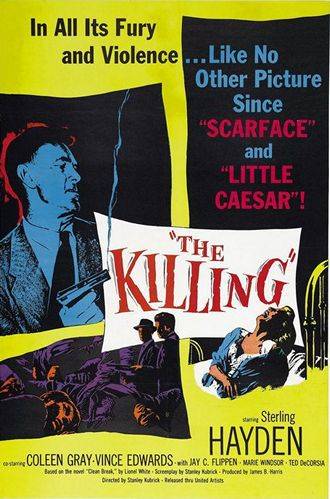
Stanley Kubrick’s The Killing represents the final direct influence mentioned by Bradbeer. This tight, gripping heist film centers on an ex-convict who recruits an motley crew for a high-stakes robbery at a local racetrack. Released when Kubrick was just 28, the film was ahead of its time, praised for its brutal realism and nonlinear narrative. Its grit and tension likely provided the framework for the criminal empire of Silvermane within the Spider-Noir universe.
5
The Maltese Falcon (1941)
Often considered the quintessential noir, The Maltese Falcon redefined the detective genre. Humphrey Bogart’s Sam Spade departed from the brilliant, untouchable sleuths like Sherlock Holmes, introducing a character who was flawed, cynical, and deeply human. While not explicitly mentioned by Bradbeer, the shadow of Sam Spade looms large over any modern iteration of a hardboiled detective, including the protagonist of Spider-Noir.
Subscribe for more Noir explorations
Get curated viewing guides and deeper dives into the genre’s history delivered to your inbox.
6
The Thin Man (1934)
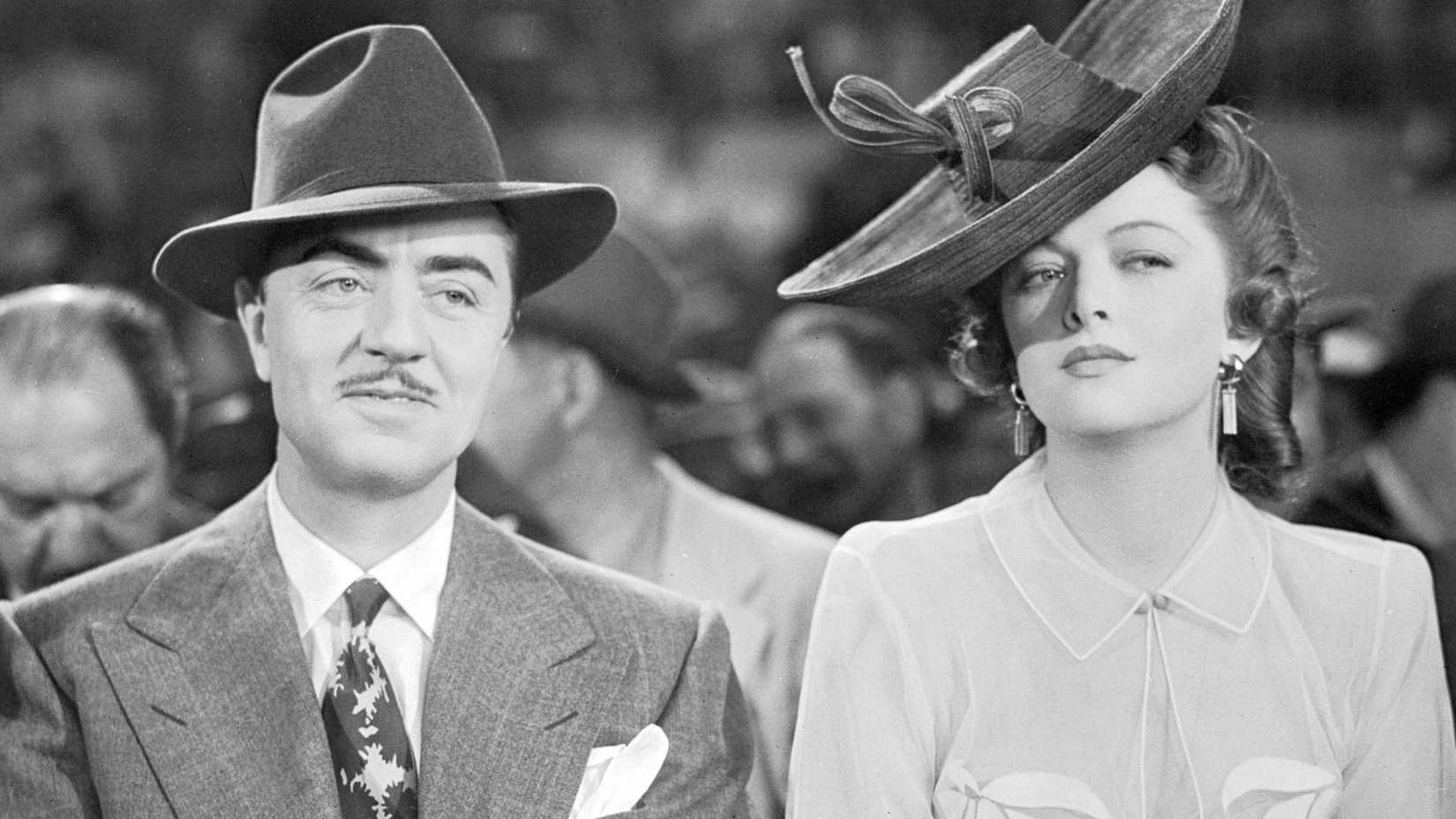
W.S. Van Dyke’s The Thin Man is a classic example of “proto-noir.” While it features the familiar tropes of a missing persons investigation, it prioritizes sharp, witty banter over pure gloom. It’s a delightful inclusion if you enjoy the fast-paced, dialogue-driven humor that punctuates the darker moments of Spider-Noir.
7
Who Framed Roger Rabbit (1988)
Finally, for those who find the monochromatic aesthetic of the genre a bit heavy, Who Framed Roger Rabbit is a masterclass in blending noir sensibilities with something entirely new. Set in the golden age of 1947, it features a gritty, alcohol-dependent detective (Bob Hoskins) investigating a complex mystery, proving that the spirit of noir can survive even in a world of cartoons.
Source: Polygon
Related articles
 Warhorse Founder Hopes GTA VI Sets New Industry Price Standard
 God of War Sons of Sparta Played on PC at 340 FPS and Demon’s Souls Remake Shown at 120 FPS Using NVIDIA Tech
 List of PC Game Ports Created Without AI Emerges Online
 NEON Developing Two SCP Feature Films
 Fantasy Papers, Please-style game Lil Guardsman coming to smartphones in November
 Sony and Amazon Developing Spider-Man Clone Series Featuring Ben Reilly and Kaine Parker
 Sifu Launches on Mobile Devices on October 12
 New Fast and Furious Release Now Streaming on Peacock