
7 Best Live-Service Games That Died Too Soon, Ranked
Live-service games can become places we return to for years, building memories with friends and strangers alike. But when a publisher decides that keeping the servers online is no longer worthwhile, those worlds can disappear almost overnight. Unlike a traditional game on a shelf, an online-only favorite may be impossible to revisit once its service ends.
Some closures follow a long decline, while others arrive just as a game seems to be finding its footing. These seven titles had their flaws, but each offered something worth remembering.
7. Mobius Final Fantasy
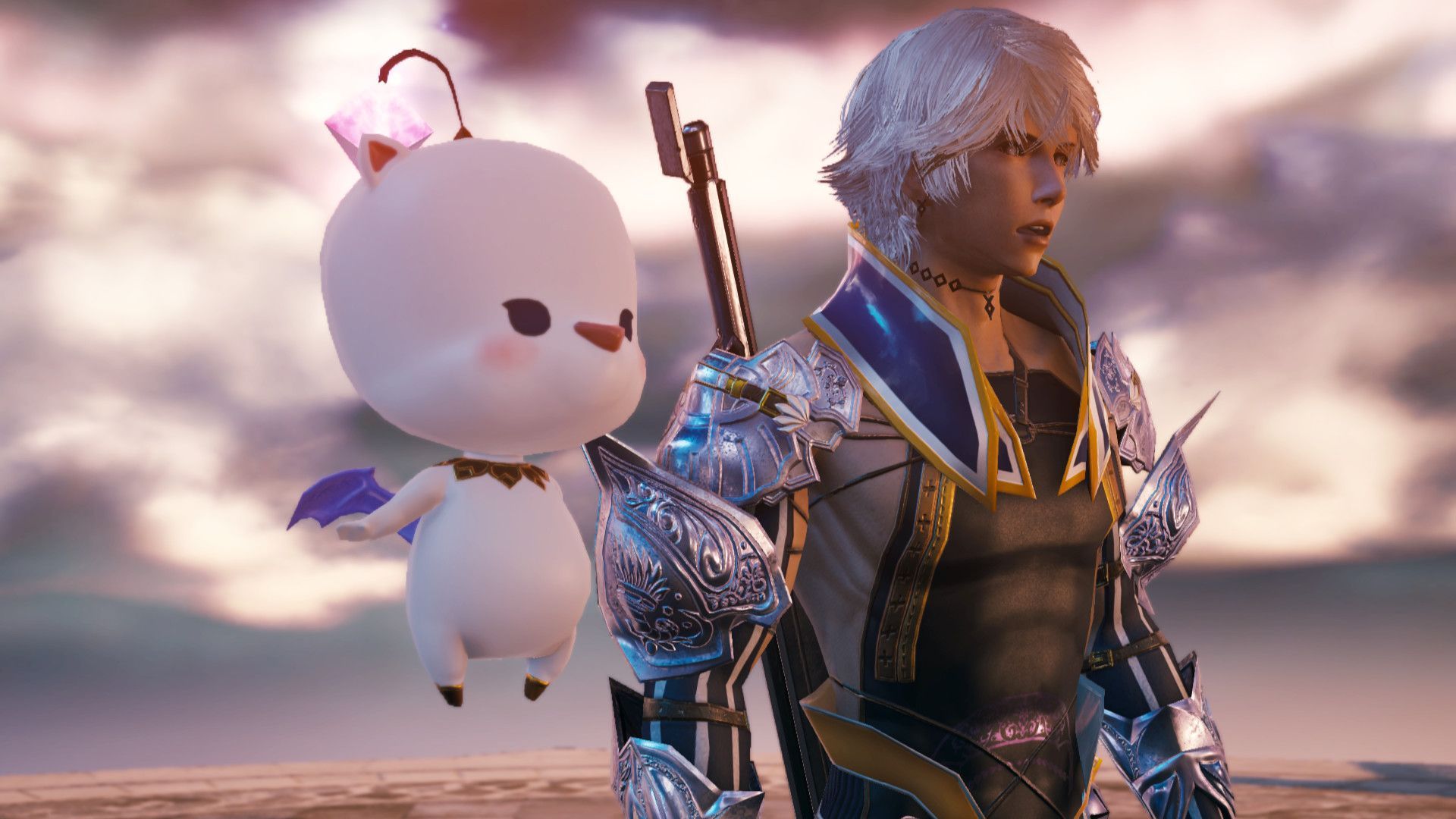
Service ended: June 30, 2020
The Final Fantasy series has explored live-service gaming on several occasions, with mixed results. Among its lost titles, Mobius Final Fantasy stands out as an especially promising adventure that deserved a longer life.
Released in Japan on June 4, 2015, the mobile game brought together series veterans Yoshinori Kitase and Kazushige Nojima. Their work drew on the original Final Fantasy, reimagining familiar ideas and characters, including Garland and the Warriors of Light, for a new story.
A Steam version followed in Japan in November 2016 and reached North America the next February. Its striking presentation and substantial gameplay translated well to PC, although the gacha system remained central to the experience. A controversial job class based on Tidus from Final Fantasy 10 also frustrated some players who preferred not to spend money.
Across two substantial story acts, Mobius built a world worth revisiting. When its servers closed, however, players lost access to the entire game.
6. Highguard

Service ended: March 12, 2026
Wildlight Entertainment brought experience from Titanfall and Apex Legends to Highguard, a game that attracted nearly 100,000 concurrent players during its first week. That audience quickly shrank, however, and studio backer Tencent withdrew funding, according to a Bloomberg report. Layoffs followed, and the servers closed within weeks of launch.
Built in Unreal Engine 5, Highguard combined first-person combat with base destruction, resource gathering, equipment upgrades, and tactical teamwork. Players took the role of Wardens in a setting that mixed fantasy imagery with modern firearms.
Its rapid decline had several apparent causes, including unsatisfying progression, limited voice communication, and punishing matches that demanded coordination from newcomers. A final update addressed many progression complaints, but it arrived too late to change the game’s fate.
5. Destruction AllStars
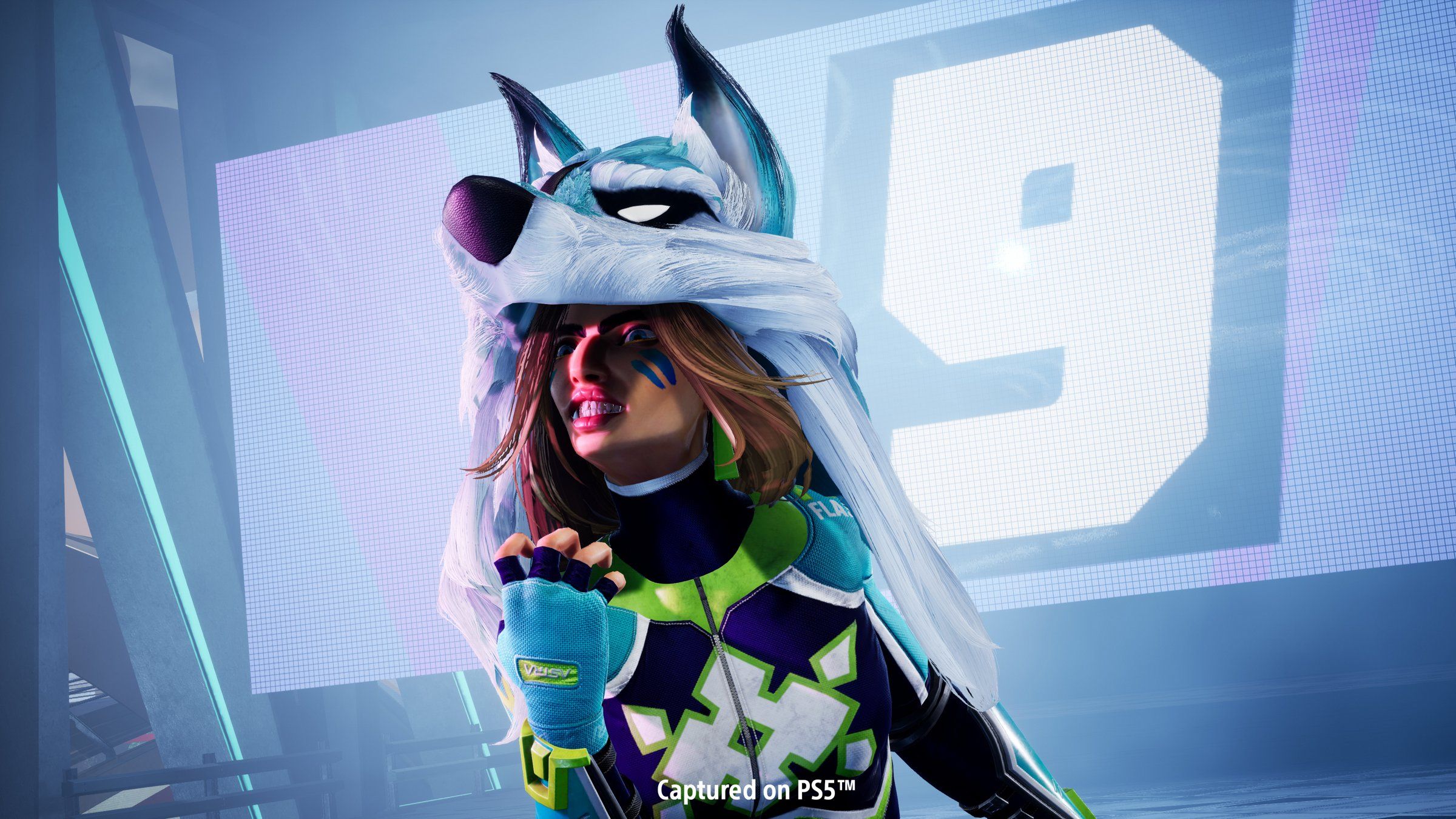
Scheduled service end: November 25, 2026
Rather than draw on its established roster of PlayStation characters, Sony introduced a new cast for Destruction AllStars, a colorful arena brawler built around vehicular mayhem. It was an ambitious departure, though one that struggled to maintain momentum.
Sixteen competitors could tear around arenas in cars, leap out to traverse the environment on foot, collect items, and even steal an opponent’s vehicle. The driving was a highlight, benefiting from the experience of developers who had worked at Bizarre Creations on games such as Project Gotham Racing and Blur.
The on-foot sections proved less popular, while repetitive play and microtransactions also drew criticism. The game has been removed from digital storefronts, with its remaining server support scheduled to end on November 25, 2026.
4. Marvel’s Avengers
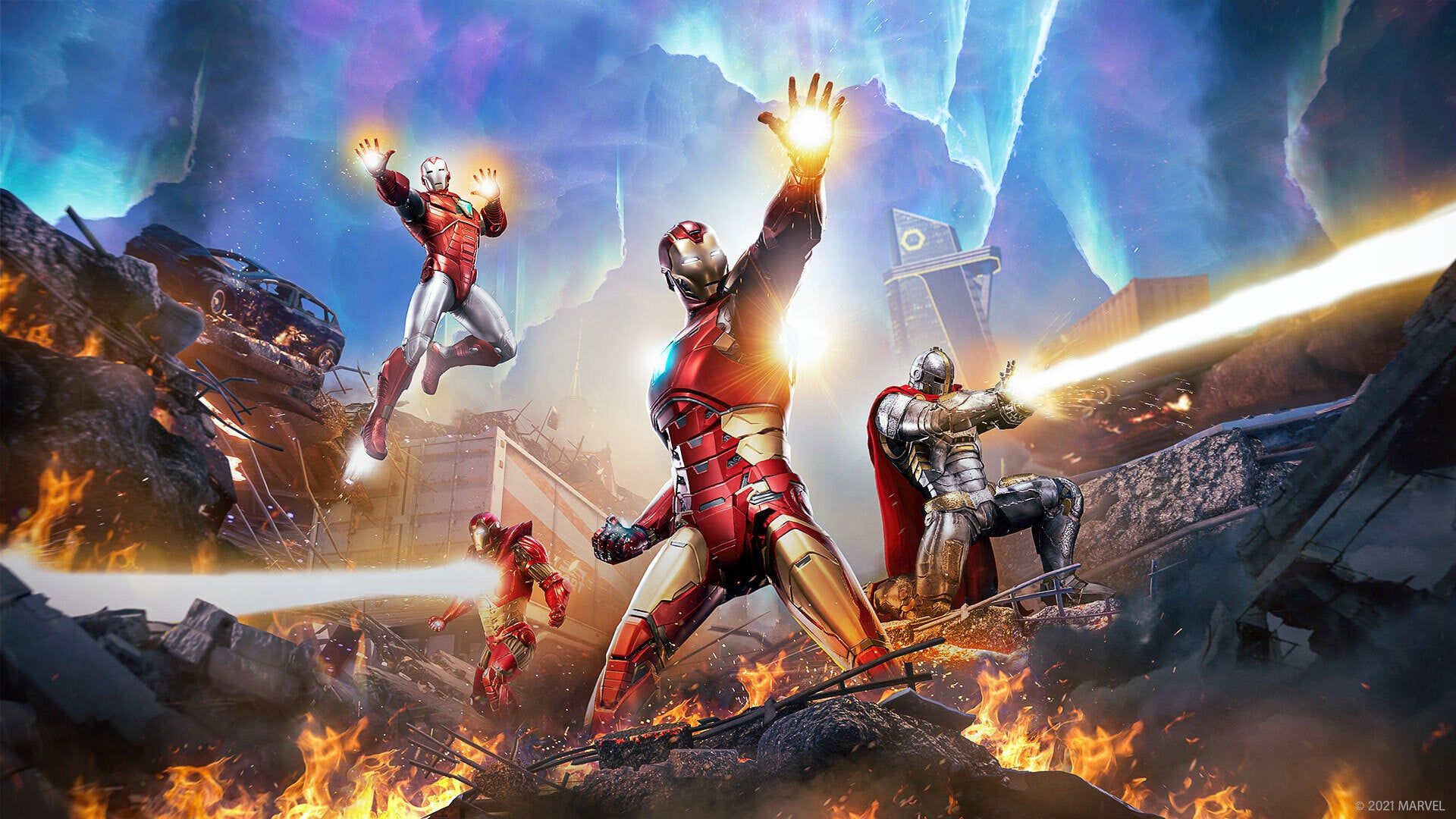
Official support ended: September 30, 2023
Square Enix has found lasting success with some ongoing games, including Final Fantasy 14, but Marvel’s Avengers faced a much more difficult journey.
Crystal Dynamics and Eidos created a strong single-player campaign centered on Ms. Marvel and her efforts to reunite the Avengers. That story gave the game a compelling heart and showed how much potential its superhero cast had.
The multiplayer side was less successful. Repetitive missions and modest rewards made progression feel like a grind, while cosmetic purchases and microtransactions sat uneasily alongside the full-price release. Bugs and the disruption of the COVID-19 pandemic added to the challenges. Square Enix lost millions on the project and later sold its North American development studios.
3. Paragon
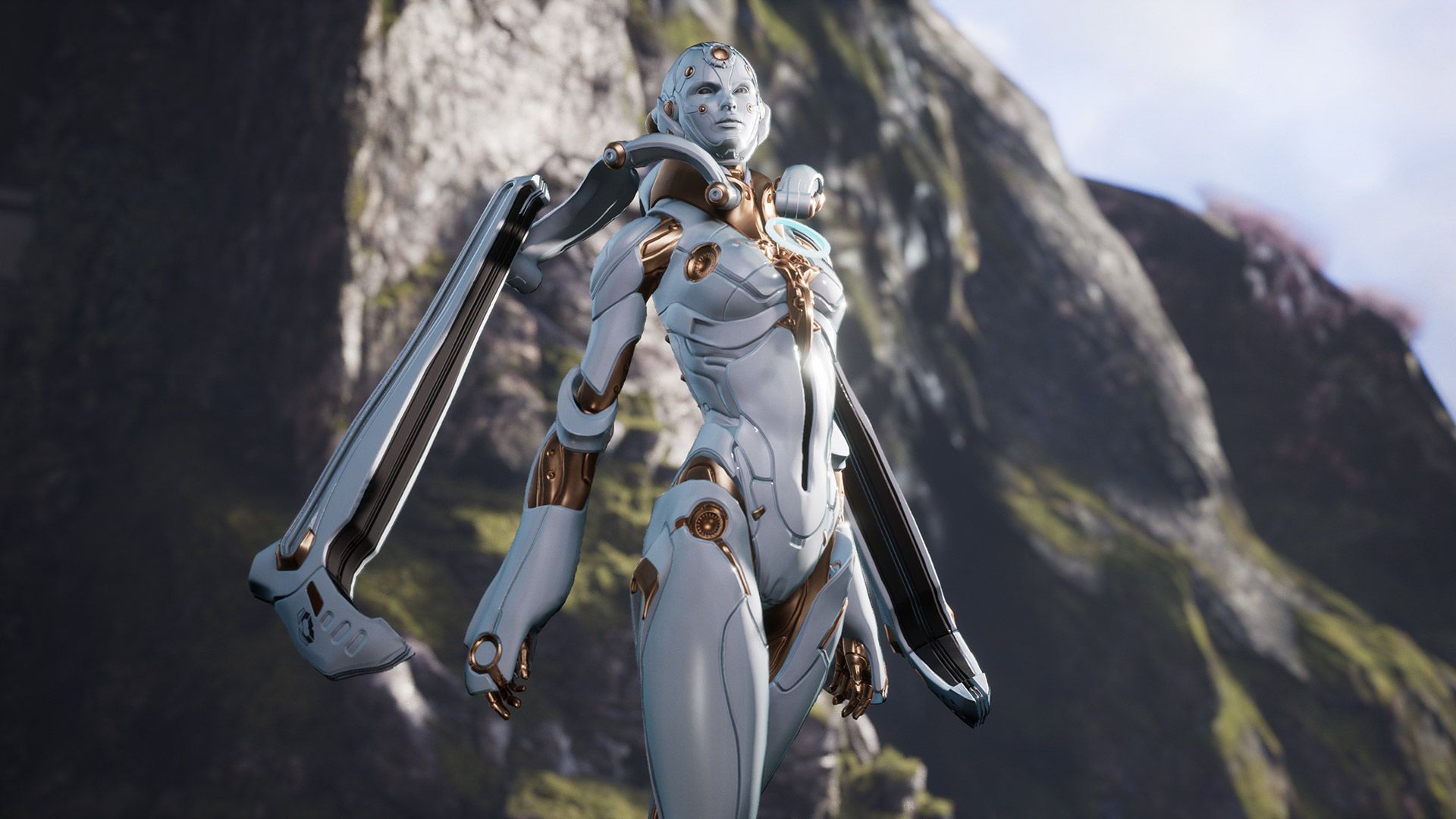
Service ended: April 27, 2018
Paragon earned a devoted following, which made its closure particularly disappointing. Launched in 2016, Epic Games’ third-person MOBA paired impressive visuals with a roster of distinctive heroes and spectacular abilities.
Its maps made effective use of vertical space, giving players opportunities to ambush opponents from unexpected angles. For its community, that combination of movement, strategy, and character design gave the game a personality of its own.
Yet Paragon had to compete for attention inside Epic with Fortnite, which became a far larger success. As the latter grew, Epic shifted development resources toward it, leaving Paragon without the future its fans had hoped for.
2. Evolve
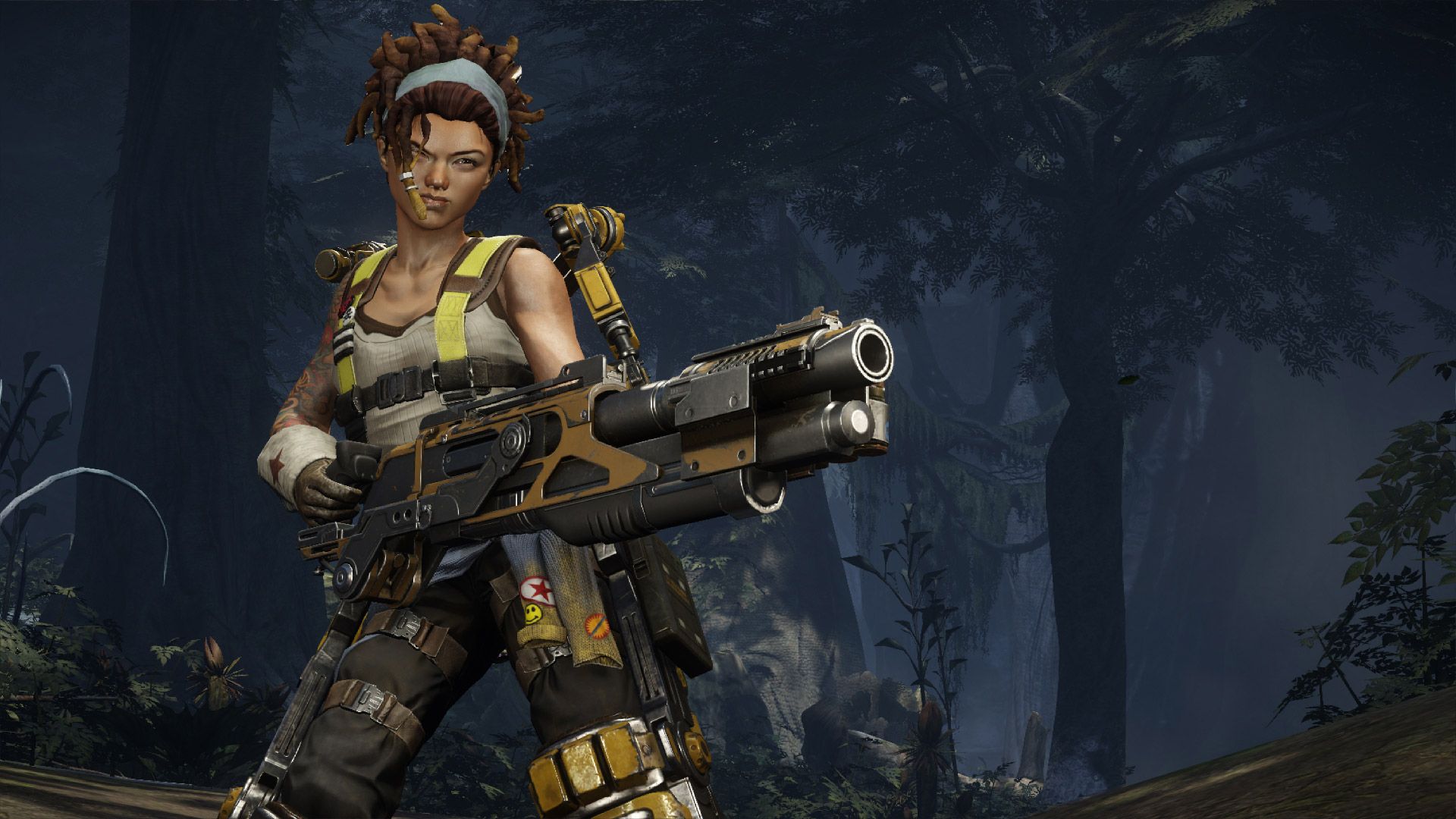
Dedicated servers closed: September 3, 2018
After helping create the original Left 4 Dead alongside Valve, Turtle Rock Studios set out to make another memorable multiplayer experience. Its next major project, Evolve, arrived with considerable expectations.
Instead of battling hordes of zombies, a team of hunters pursued a single powerful monster controlled by another player. The asymmetrical premise was appealing, and publisher 2K Games shipped millions of copies. Its pricing, however, proved contentious: buying all available launch content could add more than $130 to the $60 base price.
The matches had their own problems. A monster player who stayed hidden long enough could make a round feel slow, and repetition eventually wore down some of the excitement. Even so, the underlying concept had room to grow through continued balancing and updates.
Evolve relaunched as a free-to-play game in 2016, but its dedicated servers closed in 2018. A later attempt to revive server support in 2022 did not lead to a lasting return, with activity ending again in July 2023.
1. Gotham City Impostors
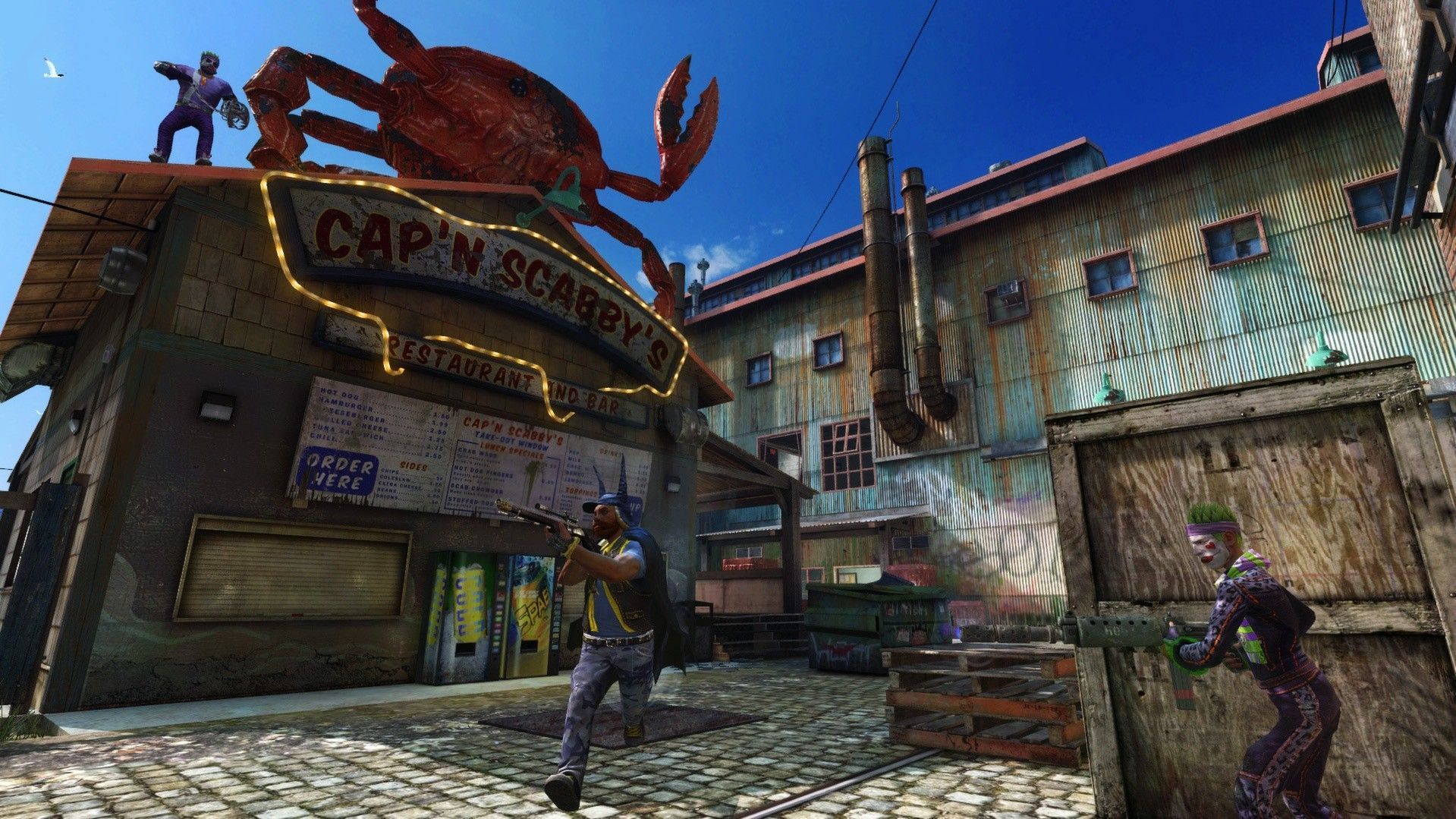
Original online service ended: July 25, 2014
Monolith Productions gave Gotham a playful twist with Gotham City Impostors, a multiplayer shooter featuring two rival gangs: the Bats and the Jokerz. Rather than playing as Batman or his arch-enemy, players took control of their enthusiastic imitators.
Matches moved at a frantic pace. Players could skate across outdoor arenas, grapple to elevated positions, and glide between buildings, turning each encounter into a lively scramble. The homemade superhero and villain costumes gave the action plenty of personality.
Unfortunately, matchmaking difficulties and unreliable infrastructure made it harder for the game to thrive. The closure of the GameSpy servers it relied on in 2014 dealt another blow to its future.
Dedicated fans have since found ways to organize online games, including through Discord communities. For most players, though, this inventive take on Gotham remains a difficult favorite to revisit.
Source: Polygon
Related articles
 How Much Warner Bros. Lost on Supergirl
 No Man’s Sky May Come to Android as Well-Known Enthusiast Takes On Port
 Inart to Release T-800 Figure Inspired by The Terminator’s Tech Noir Scene
 Crimson Desert Wins PC Game of the Year at Golden Joystick Awards 2026
 10 Funniest Far Side Comics About Penguins
 Nintendo Explains Its Strategy as Sony and Xbox Lay Off Thousands of Employees
 Sony Cancels Fairgame$ Over Poor Quality, Avoiding Another Concord
 Sony Adds New PS Store Tab That Requires a Smartphone for Purchases