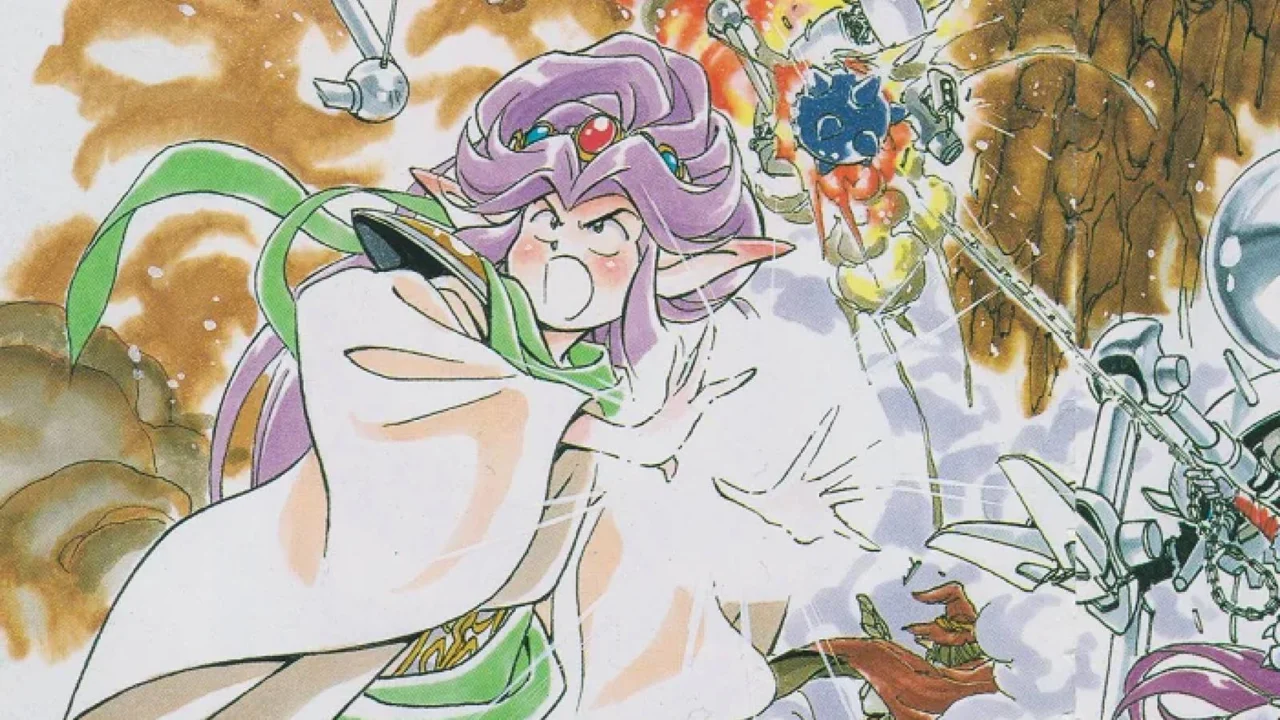
5 Forgotten ’90s Gems That Deserve a Comeback
The 1990s stand as a monumental decade for gaming, defined by the rapid evolution of three distinct console generations. We witnessed the twilight of the 8-bit era, the fierce 16-bit territorial battles between Nintendo and Sega, and the groundbreaking shift into the 3D landscapes of the PlayStation, Nintendo 64, and Saturn. While legends like Super Mario World and Metal Gear Solid defined the era, countless brilliant titles were overshadowed, never quite achieving the mainstream recognition they deserved. Here are five standout gems from the 90s that remain well worth revisiting today.
1
StarTropics 1990, NES
Image: NintendoIt is no stretch to say that StarTropics laid the groundwork for modern cult classics like EarthBound and Undertale. Helmed by Punch-Out!! creator Genyo Takeda, this action-RPG broke the mold by abandoning traditional fantasy tropes in favor of a quirky, 90s-inspired aesthetic complete with baseball references, yo-yos, and alien lore. The game is infamous for its punishing level design, where a single wrong turn into a hidden room can mean instant failure. Most memorable, however, is its legendary “fourth-wall-breaking” puzzle, which actually required players to physically dip a page from the game’s manual into water to reveal a secret code.
2
Indiana Jones and the Fate of Atlantis 1992, PC/Mac
Image: LucasArtsThis LucasArts point-and-click adventure serves as a spiritual precursor to modern iterations like Indiana Jones and the Great Circle. Featuring a gripping narrative and masterfully crafted puzzles, it perfectly captures the essence of the adventurous archaeologist as he outwits the Nazi regime. A standout feature is the decision-based path system: early in the story, players choose between routes focused on puzzle-solving, action, or partnership with Sophia Hapgood. This dynamic approach offers immense replayability, ensuring that every expedition through step pyramids and submarine-infested waters feels unique.
3
Aerobiz Supersonic 1994, SNES/Genesis
Image: KoeiKoei’s Aerobiz Supersonic puts you in the driver’s seat of a fledgling airline, tasking you with dominating the global travel market. By choosing different eras throughout the 20th century, players navigate historical hurdles like the Cold War or oil crises, forcing them to adapt their business strategies to evolving technology. While it functions as a competent simulator, the game truly shines as a competitive multiplayer experience. Sabotaging your friends by cutting into their most lucrative flight paths or establishing competing hotels in their primary hubs turns what could be a dry management sim into an cutthroat corporate battle.
4
Shining Force 2 1994, Genesis
Image: SegaSega’s answer to tactical RPGs like Fire Emblem is nothing short of exceptional. While it retains standard classes like mages and knights, Shining Force 2 thrives on its eccentricity—where else can you recruit a flying squid, a hovering turtle, and a phoenix that bears a suspicious resemblance to Sesame Street’s Big Bird? While it lacks the brutal “permadeath” mechanic of its competitors, the game compensates with expansive, intricate battle maps and a wealth of hidden secrets and recruitable allies. It remains a fan-favorite series that many of us hope will eventually see a modern revival.
5
Winning Post 1996, Saturn
Image: KoeiAs another deep management dive from Koei, Winning Post is the only entry in its long-running Japanese franchise to receive an official English translation. Think of it as a serious, spreadsheet-heavy alternative to Umamusume: Pretty Derby—sans the anime girls and gacha mechanics. The focus here is strictly on the grind: breeding horses, intensive training schedules, and tactical jockey selection. Players spend their time carefully managing lineages to compete in Japan’s most prestigious tracks and the iconic French Grand Prix. It is a deceptively dry but incredibly addictive experience, perfect for players who love documenting every statistic on their path to the winner’s circle.
Source: Polygon
Related articles
 SCS Software Showcases Prototype Interchanges for Turkey in Euro Truck Simulator 2
 Stranger Than Heaven to Feature Manageable Business System Similar to Yakuza
 Professor Layton and The New World of Steam Gameplay Shown in New 20-Minute Video
 Armed Fantasia Canceled After Several Years in Development
 Insider Gaming Predicts GTA VI Metacritic Score Below 90
 New Reports Shed Light on Hideo Kojima’s Physint and Rumored Xbox Budget
 Sony Discusses Future of Physical Discs With Publishers
 Director Jon Watts to Helm Star Wars Episode X, Reports Say