
30 Years Ago, a Fantasy Dragon Movie Copied Jurassic Park—and Got Away With It
When Steven Spielberg’s Jurassic Park premiered in 1993, it stood as an unparalleled technological milestone. For the first time, audiences witnessed computer-generated creatures seamlessly interacting with live-action actors, achieved through a sophisticated blend of digital effects, puppetry, and physical craftsmanship. Bolstered by the innovation at Industrial Light & Magic, Jurassic Park fundamentally redefined the potential of science fiction on the silver screen.
Yet, while Spielberg’s dinosaur opus launched a global juggernaut that persists three decades later, a somewhat overshadowed fantasy gem released shortly thereafter achieved a similar breakthrough for the fantasy genre. For many enthusiasts, the hallmark of a quintessential fantasy film lies in the majesty of mythological creatures—specifically, dragons.
Dragons have long captivated the imagination of Western literature fans. Before 1996, seeing a dragon rendered as a complex, nuanced character rather than a mere monstrous obstacle for a hero to conquer was virtually unheard of. That paradigm shifted with the release of the 1996 cult classic, Dragonheart.
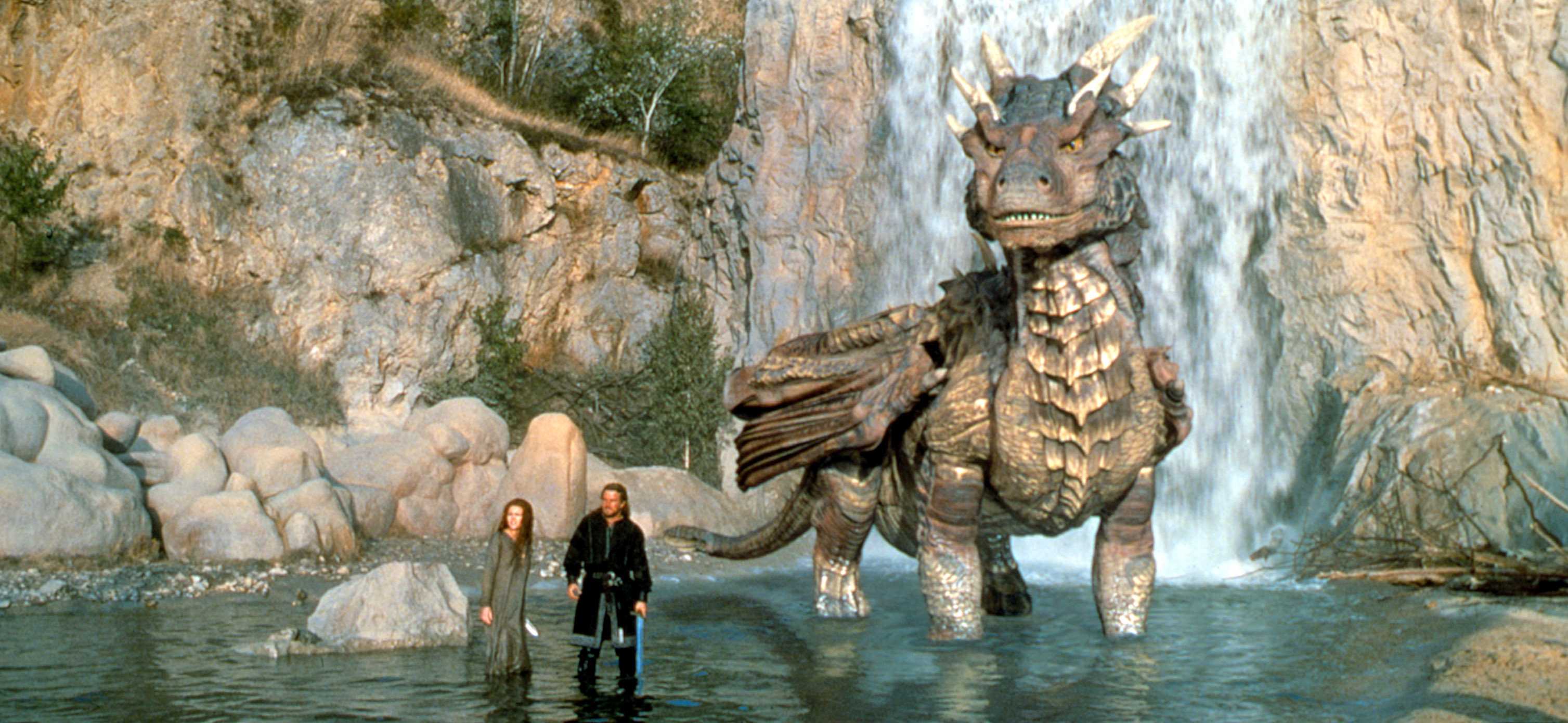
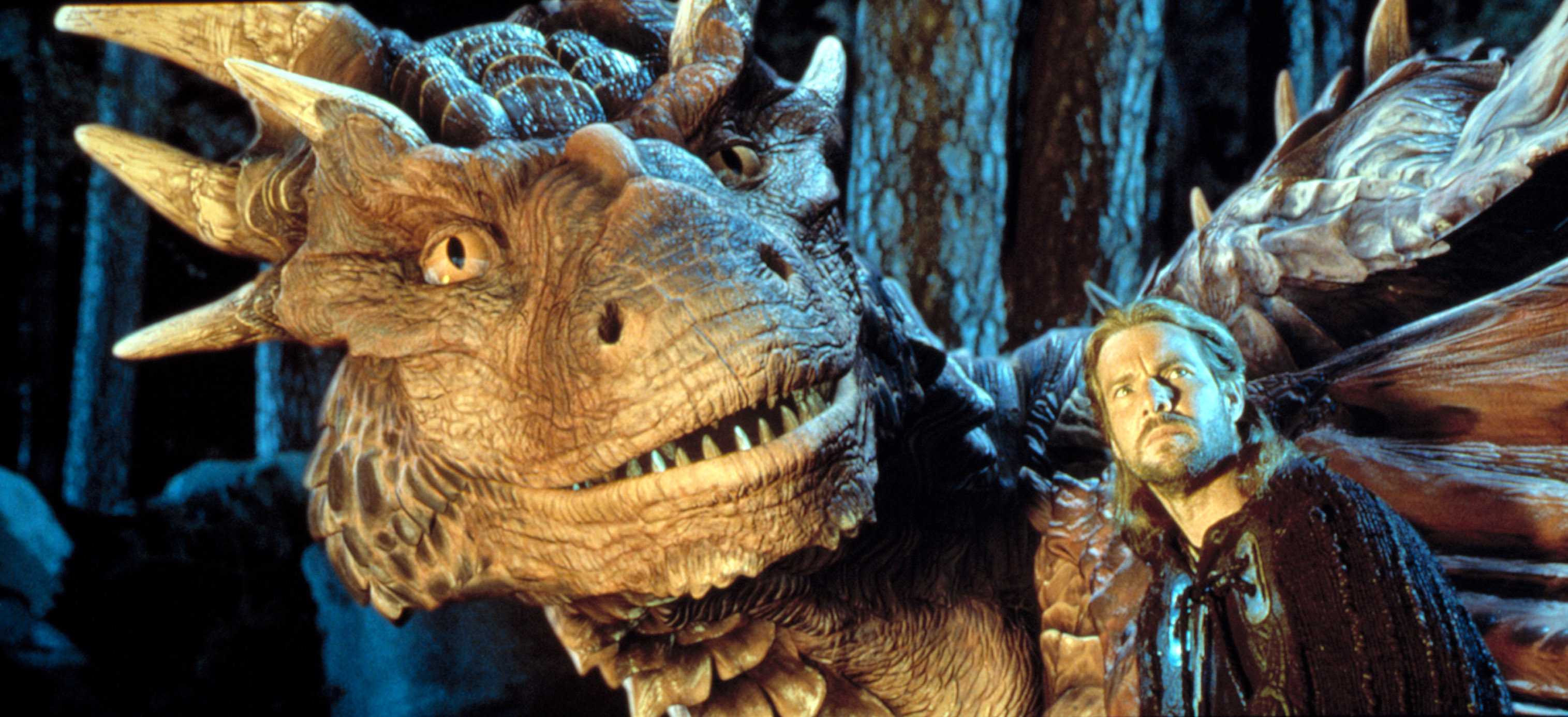
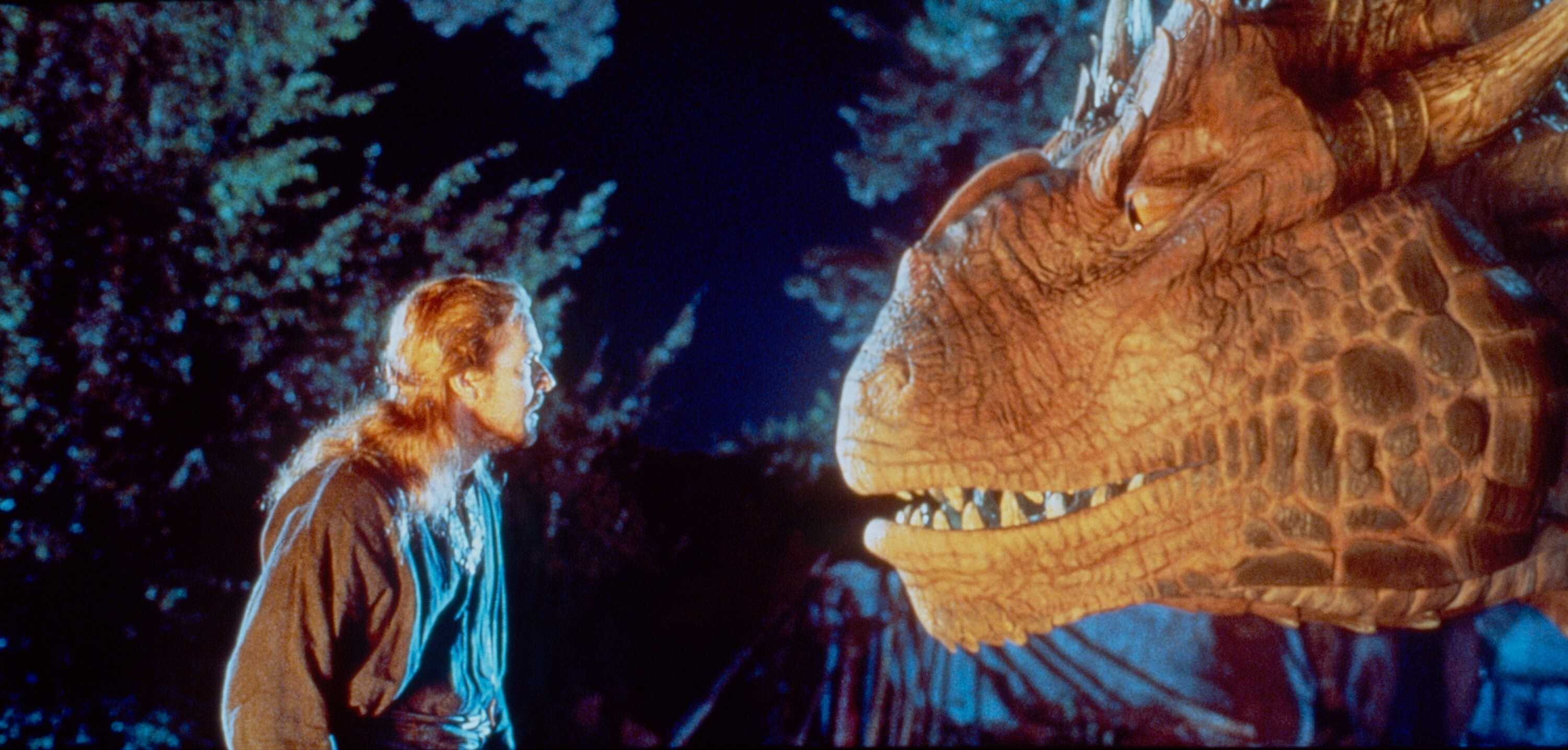
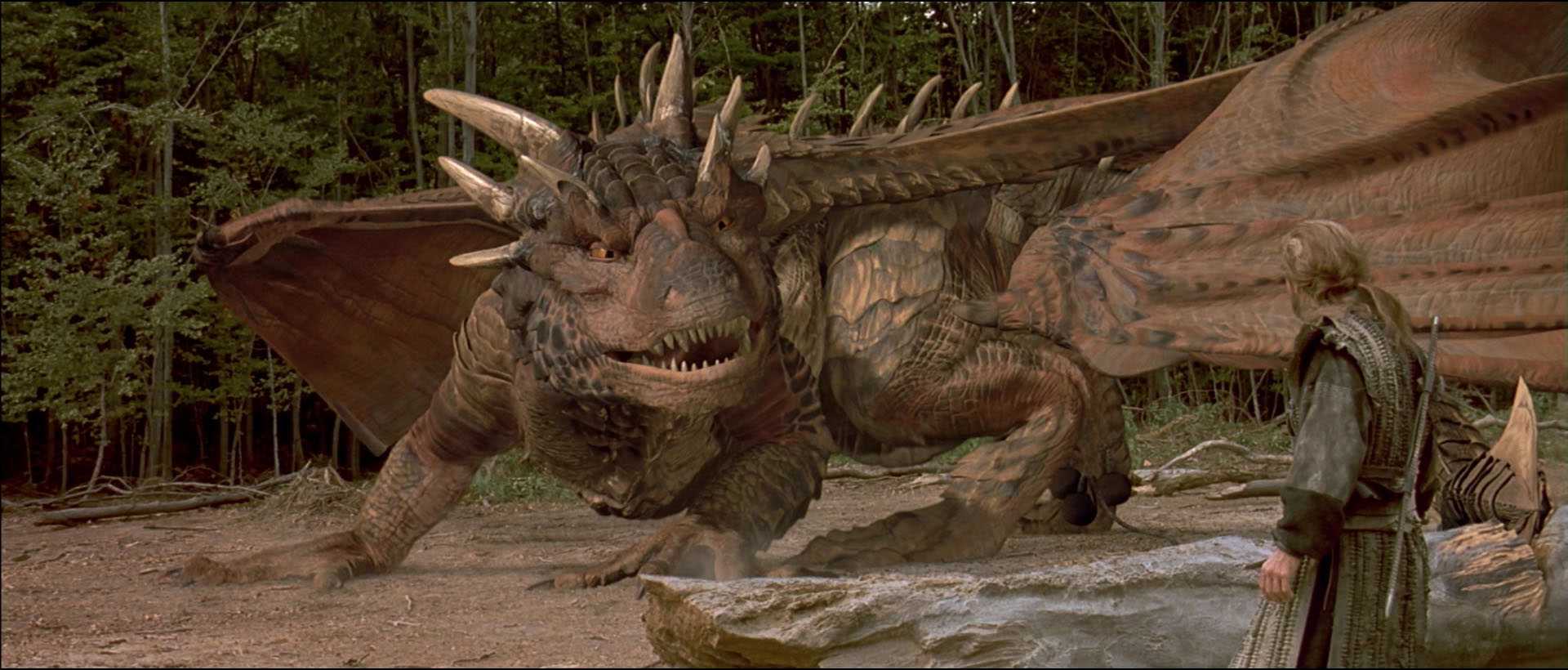
Set against a backdrop of feudal cruelty, Dragonheart chronicles the journey of Bowen (Dennis Quaid), a disillusioned knight who attempts to instill virtues of chivalry in his protégé, Prince Einon (David Thewlis). After a peasant revolt leaves the prince mortally wounded, Bowen and the Queen turn to the last dragon, Draco (voiced by Sean Connery), to save the boy. Draco pledges his own heart to sustain Einon, contingent on the prince ruling with justice. Years later, as Einon transforms into a tyrant, Bowen blames the dragon’s influence and turns to a life as a dragonslayer, setting the stage for their eventual, complex reconciliation.
As a viewer, I was profoundly moved by Draco. He was more than a creature; he was a living, breathing hero. His evolving bond with the cynical Bowen—shifting from bitter enmity to a deep, brotherly camaraderie—anchors the film. However, Dragonheart is equally significant for the gargantuan technical hurdle its creators had to clear.
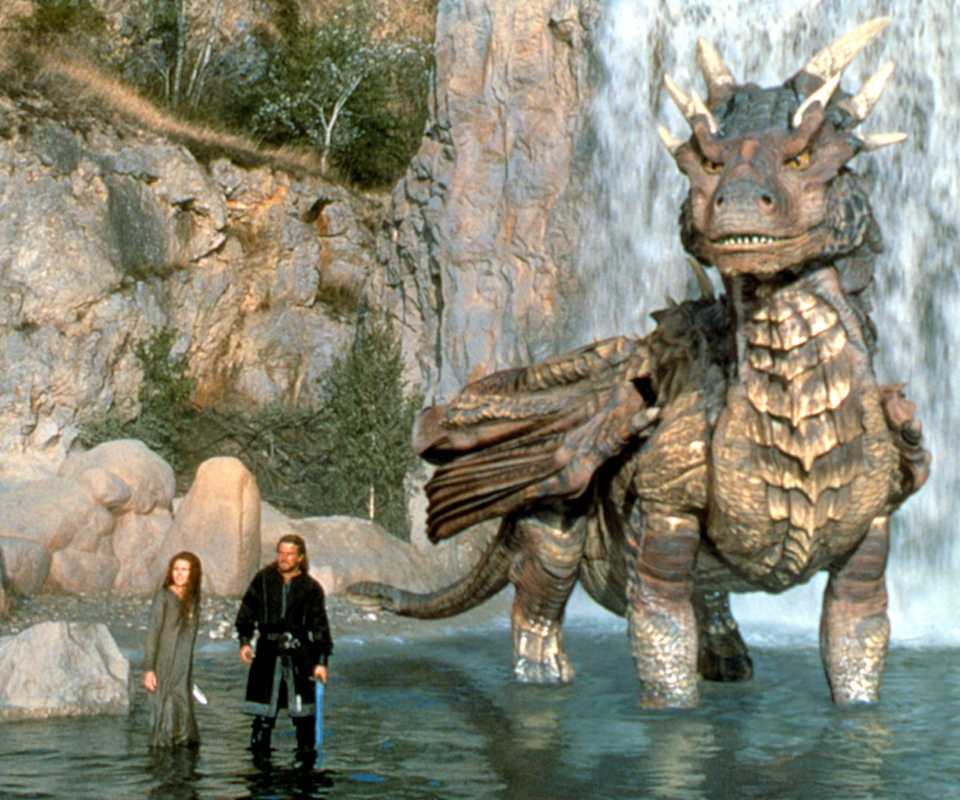
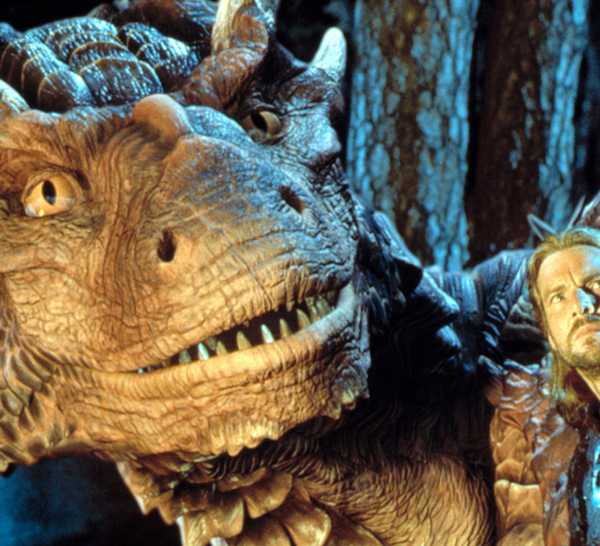
Universal Pictures loved the concept but was initially stumped by how to realize a dragon on a modest budget. They first turned to Jim Henson’s Creature Shop, the legendary team behind Labyrinth and The Dark Crystal. Sculptor Gary Pollard and his crew worked tirelessly, creating miniature puppets and a remarkably expressive, full-scale animatronic head. Ultimately, however, the studio felt these practical effects lacked the dynamic movement required to convey the character’s depth.
“We pushed ourselves to the limit for days and nights,” Pollard noted, “but the production team felt the physical limitations hindered the performance.”
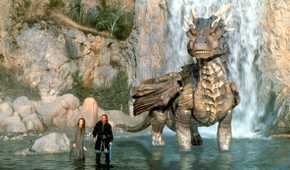

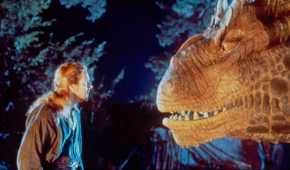
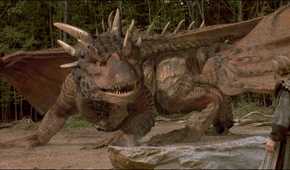
Producer Raffaella De Laurentiis remained determined. Inspired by the digital success of Jurassic Park, she pivoted toward Industrial Light & Magic (ILM). With only two weeks to deliver a proof-of-concept, visual effects supervisor Steve Price and animators James Straus and Jim Mitchell had to improvise.
“They essentially took the T-Rex asset from Jurassic Park as a base, adding various shapes and phonemes—A-E-I-O-U—to facilitate speech,” explains Rob Coleman, then an animator on the film, in a 2024 Lucasfilm interview.
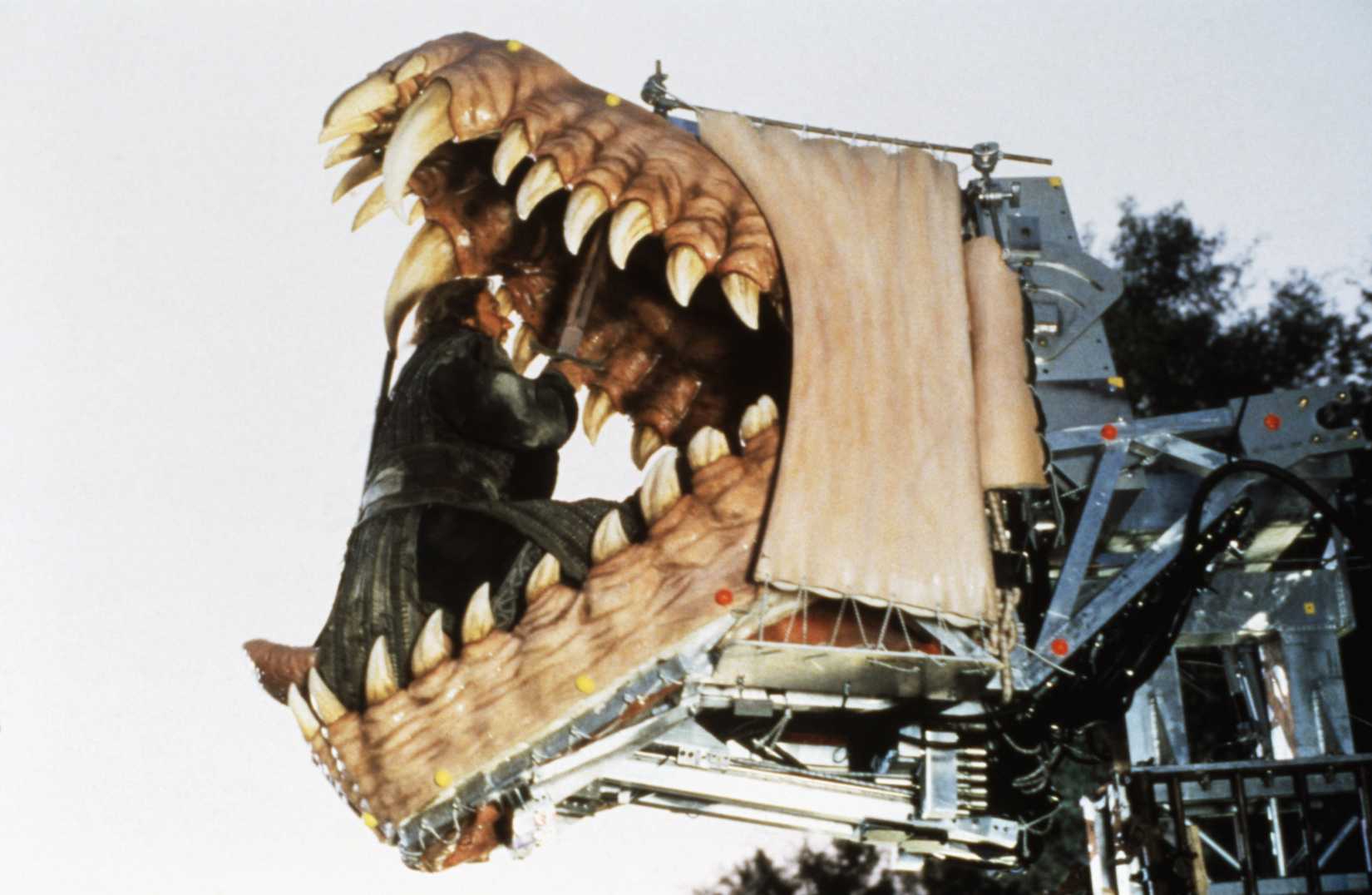
The breakthrough was monumental. Universal gained immediate confidence in the digital approach. To ensure Draco could match the nuance of Connery’s vocal performance, the team developed a custom tool dubbed “Cari” (Caricature). This allowed them to craft an animated mask for the dragon’s face, focusing on subtle expressions that would have been impossible to achieve with traditional techniques. By streamlining the facial animation process, ILM brought Draco to life with unprecedented emotive clarity.
While the path to completion was grueling, Dragonheart remains a landmark in cinematic history. Modern masterpieces like House of the Dragon owe a debt to the pioneers of Dragonheart. Although contemporary dragons may boast more pixels and larger budgets, the soul of the genre was forged in the ambition of a team that managed to turn a T-Rex head into one of cinema’s most beloved dragons.
Dragonheart is available to stream or purchase via Apple TV, Amazon Prime, Fandango, and Google Play.
Source: Polygon
Related articles
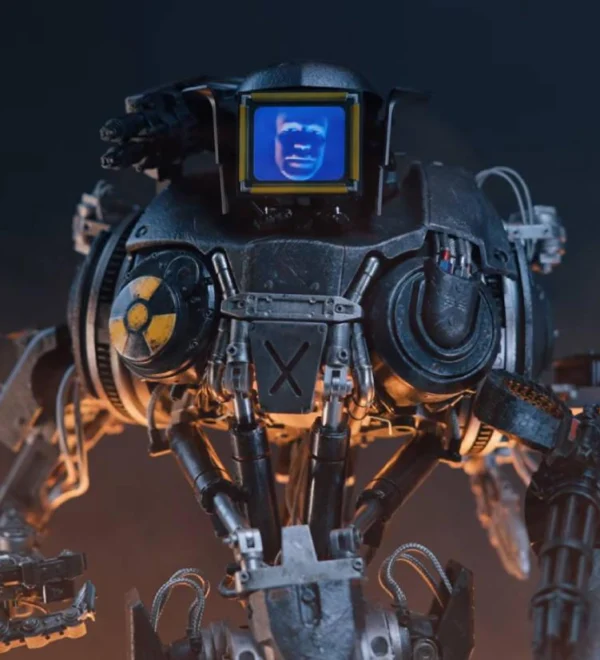 Hot Toys Adds Interactive Tech to Robocop and RoboCain Figures From Robocop 2
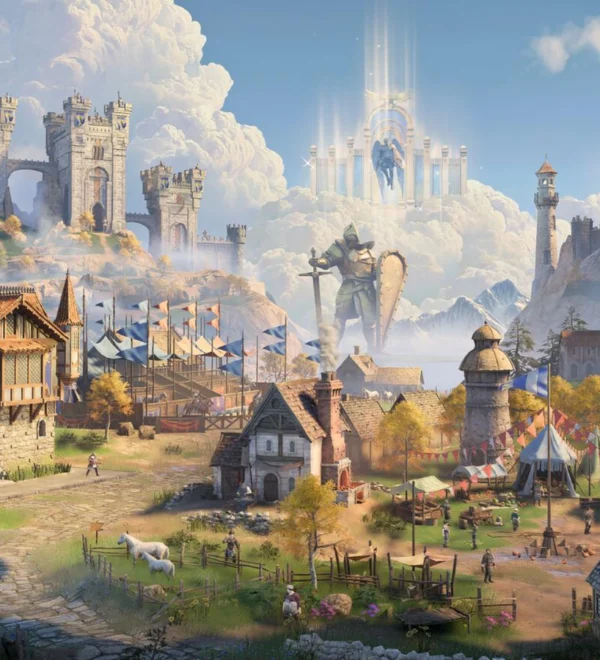 Creator of Heroes 3 Plays Remake and Shares Feedback
 Dead by Daylight Announces Collaborations with Diablo IV and Stranger Things in VHS-Style Trailer
 Guide to the Best Dimension 20 Seasons for New Viewers
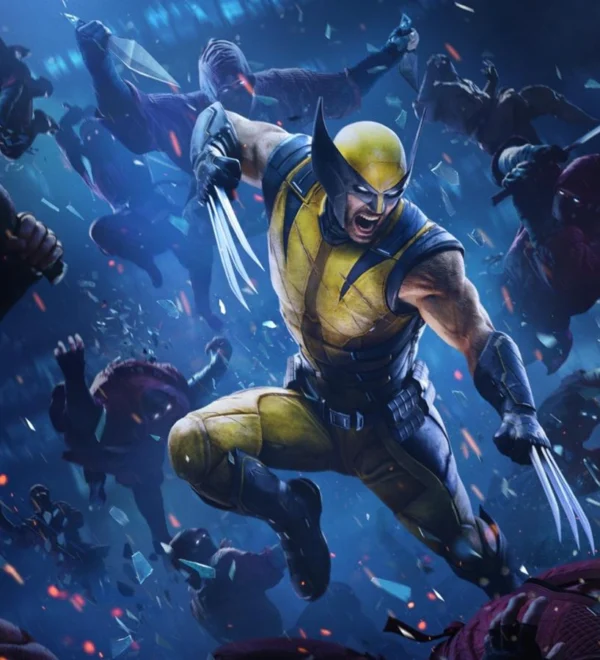 Retailer discounts Marvel’s Wolverine two weeks after release
 Miami Heat to Host GTA VI-Themed Vice City Night and Special Match Ahead of Game’s Release
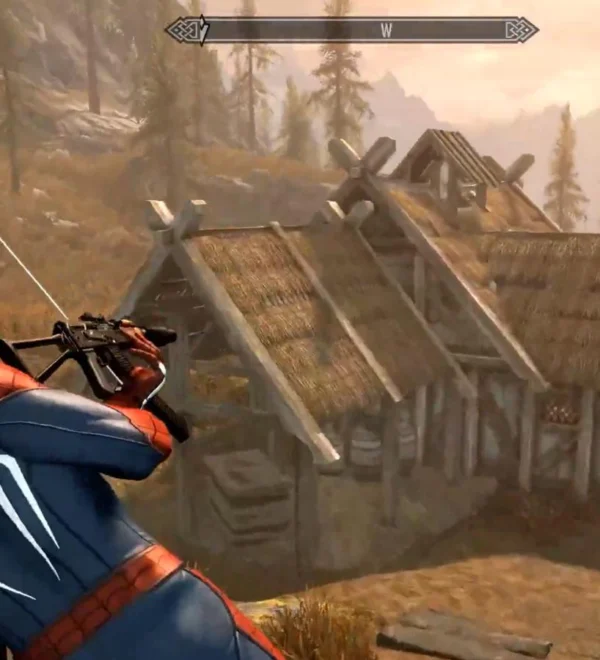 Modders use AI to combine Skyrim with Escape from Tarkov and Spider-Man
 GTA 6 Age Rating Leak Details Sexual Fetishes and Animal Injuries