25 Years Ago, This Critically Acclaimed RPG Heralded the End of an Era
They simply don’t craft role-playing games quite like Golden Sun anymore. Ever since Camelot and Nintendo delivered this celebrated masterpiece to the Game Boy Advance in August 2001, the genre has witnessed a gradual decline in both sheer output and daring innovation. As the scope of these adventures contracted, subsequent attempts to recapture past glory have frequently fallen short. That is a genuine tragedy, because Golden Sun rightfully earned every accolade bestowed upon it. It stands as a rare beacon of a modern-era RPG that took traditional foundational elements and forged them into something entirely unprecedented and mesmerizing.
The premise of Golden Sun is deceptively straightforward. A charismatic syndicate of stylish rogues seeks to reignite ancient elemental sanctums known as lighthouses. According to common lore, however, completing this ritual spells absolute doom; it threatens to unravel the fabric of the world. Since the antagonists’ ruthless maneuvers trigger a catastrophic cataclysm within a peaceful settlement right at the outset, neutralizing them becomes an urgent imperative. Furthermore, they resort to kidnapping innocent townsfolk—hardly the hallmark of benevolent travelers.
 Image: Camelot Software Planning/Nintendo
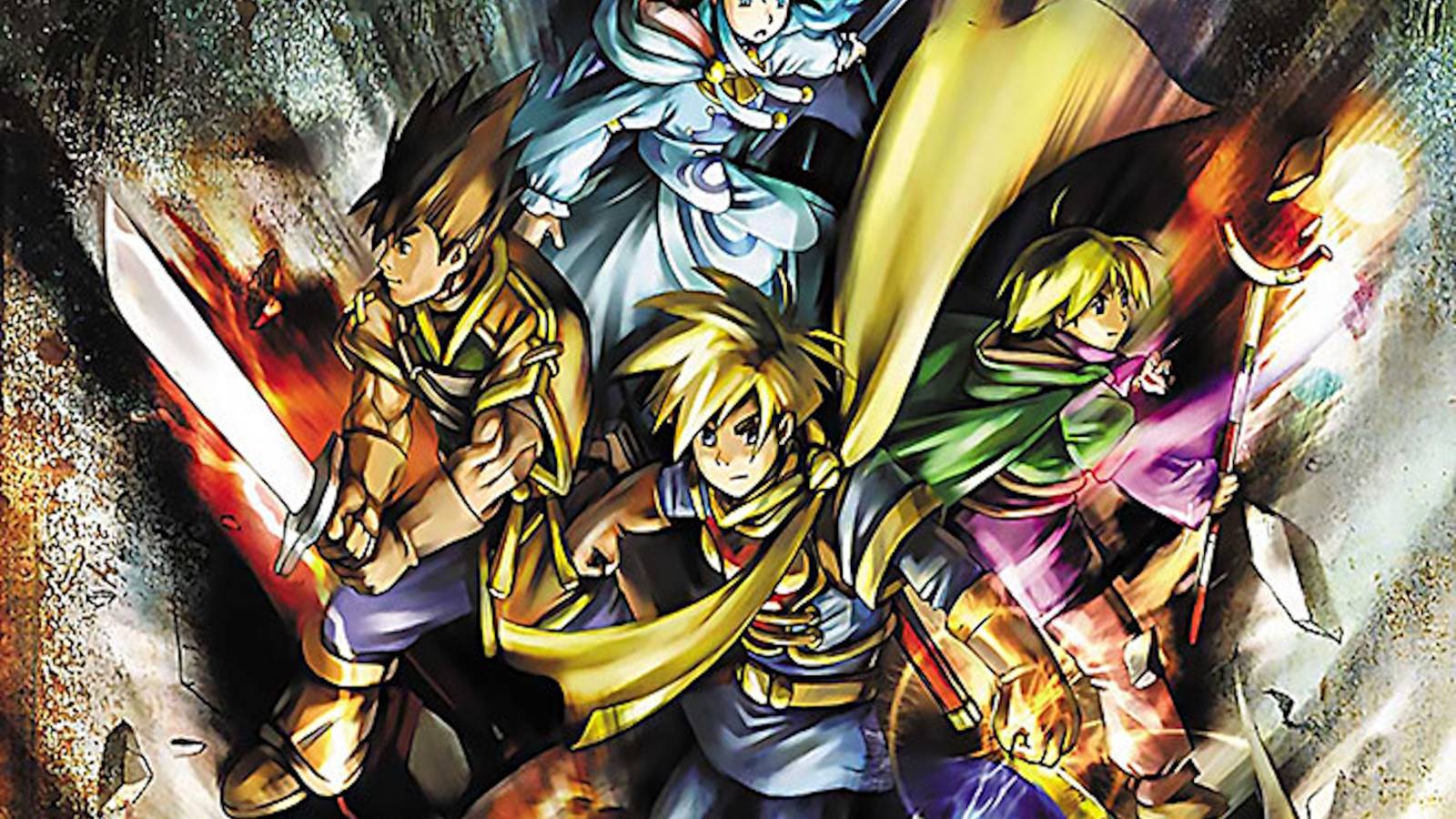
Consequently, Isaac and Garet—childhood companions hailing from the devastated hamlet—embark on a quest to thwart the villains and liberate the captives. Along their journey, they cross paths with a reserved wind adept and a stalwart cleric, plunging headfirst into increasingly bizarre phenomena. They encounter arboreal sentinels capable of pacifying entire communities through hypnotic pollen, formidable sea leviathans, and a morally ambiguous healer echoing ancient legends of a sunken metropolis. Sea rovers, nefarious outlaws, and esoteric monks also block their path. Crucially, the heroes discover magical Djinn: elemental sprites that bestow remarkable abilities both in and out of combat. Despite the disparate elements, Camelot deserves immense praise for grounding this eccentric universe in an unshakable internal logic that continuously preserves the player’s suspension of disbelief.
Golden Sun possessed every essential ingredient required to define a masterpiece of the genre.
- A remarkably refreshing universe and narrative arc
- A vast, rewarding overworld map incentivizing thorough exploration
- Intricately crafted environmental puzzles
- Flexible character progression offering a multitude of viable builds
- Deep yet briskly paced turn-based combat encounters
- Formidable optional superbosses
- Exceptional artistic and auditory direction
Admittedly, the title drew generous inspiration from industry pioneers. One can easily trace a direct lineage between Golden Sun‘s Djinn mechanics and the job systems found in Final Fantasy V, while sweeping overworld maps and hidden superbosses were hardly exclusive innovations. What truly distinguished Golden Sun—and what remains lamentably absent in contemporary releases—is the sheer creative vision that breathed distinct life into its familiar foundations.
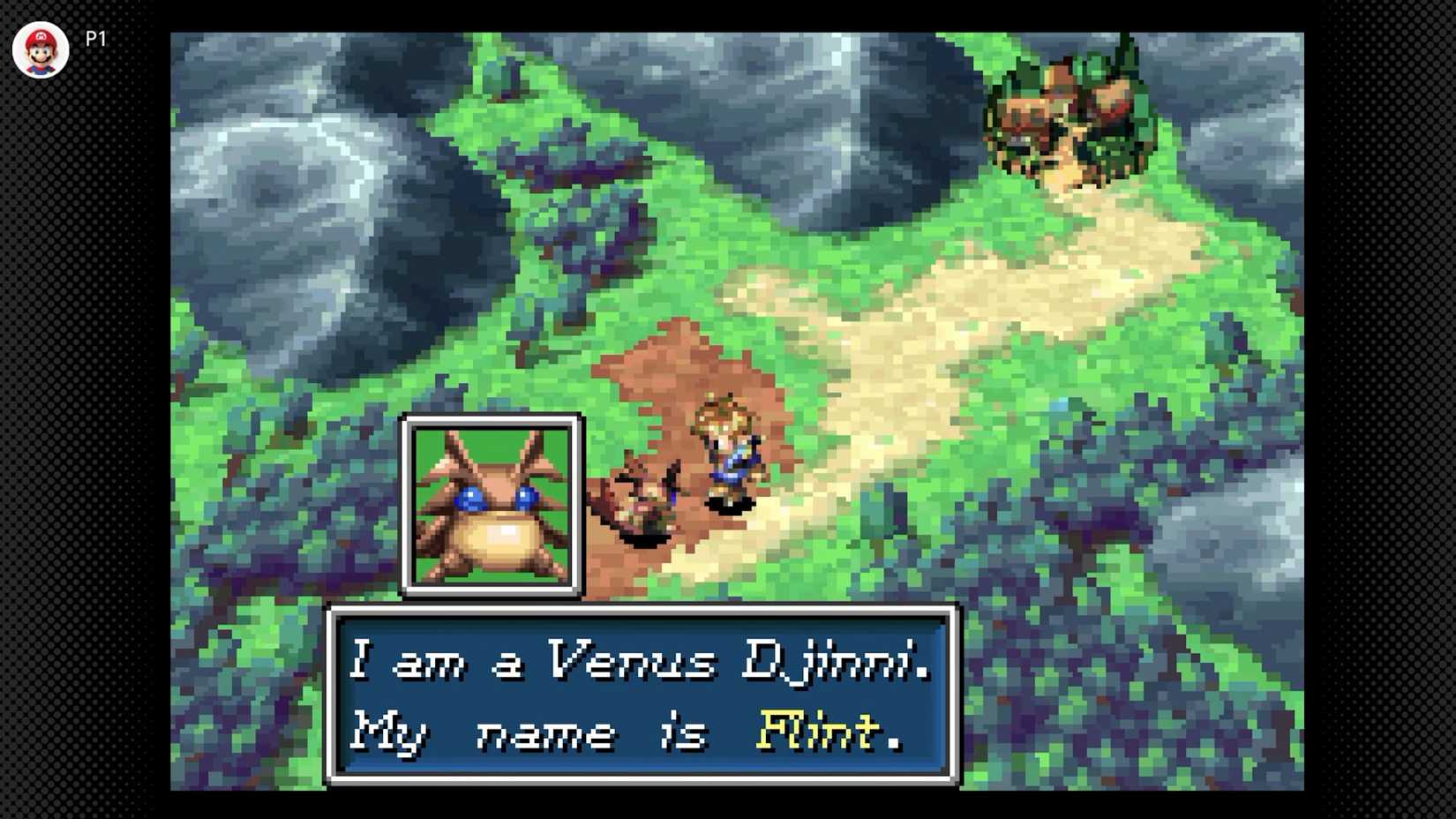 Image: Camelot Software Planning/Nintendo
Combat roles in Golden Sun are entirely dictated by Djinn loadouts. Stacking a character exclusively with earth-aligned spirits yields a planetary powerhouse tailored for specific stats, though doing so sacrifices access to broader elemental spells and leaves the party vulnerable to earth-resistant foes. Alternatively, cross-pollinating elements unlocks devastating hybrid classes, such as a lightning-fast samurai combining earth and wind affinities to deploy invaluable utility skills. Furthermore, individual Djinn possess distinct abilities that place them on standby, which enables players to summon cataclysmic entities once a threshold is met. However, until those spirits recover, their statistical contributions are temporarily lost to their host, forcing a sudden shift in party class dynamics. High-stakes encounters thus become a delicate balancing act of managing spells, summons, and tactical adjustments without exposing the party to overwhelming peril. This constant strategic tension, paired with stunning artistic direction and dynamic battle animations, elevates major skirmishes into unforgettable theatrical spectacles.
Class abilities prove equally vital outside of combat, as Camelot integrated Psynergy seamlessly into the game’s architectural puzzles. Occasionally, certain applications feel whimsical—such as utilizing “Move” magic merely to shove a heavy stone block. Yet the overall puzzle design is consistently clever enough to eclipse these minor contrivances. The challenges strike an ideal equilibrium, prompting genuine contemplation before rewarding the player with a satisfying flash of insight, all while avoiding punishing dead ends that necessitate starting over. A harmonious pacing between straightforward combat corridors and intricately designed puzzle dungeons ensures the adventure never feels monotonous.
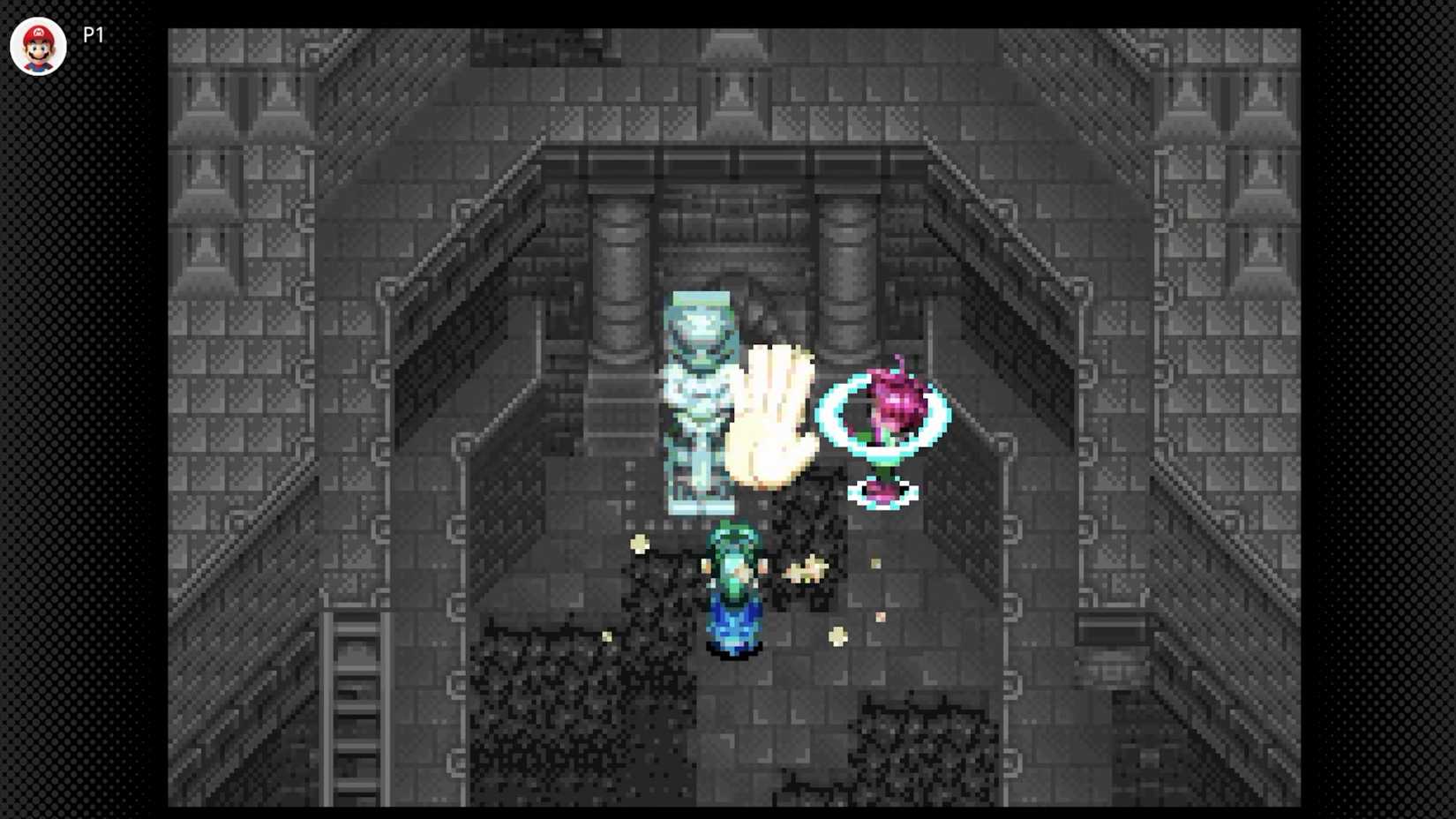 Image: Camelot Software Planning/Nintendo
Ultimately, Golden Sun did not inaugurate a golden age for the genre; rather, it served as a magnificent twilight for a specific school of traditional design. In the wake of 2001, traditional turn-based adventures in that distinct style steadily waned. Titles that managed to break through invariably belonged to established juggernauts like *Final Fantasy* or *Dragon Quest*. These franchises often alternated between erratic attempts to reinvent their core formulas or clung too rigidly to nostalgia, struggling to command the cultural spotlight against gritty, cinematic powerhouses like *Star Wars: Knights of the Old Republic* and *Mass Effect*. Over time, however, a fresh wave of developers emerged, eager to recapture the intrinsic sense of wonder defined by those early masterpieces.
Yet, few modern successors achieve much beyond superficial imitation. *Sea of Stars*, for instance, wears its influences from *Mario & Luigi* and *Chrono Trigger* proudly, but its combat system functions essentially as a familiar variation on a preexisting template rather than an evolution. *Chained Echoes* leans heavily on aesthetic atmosphere while offering a fairly conventional world, prioritizing a reduction in traditional grinding above all else. Conversely, *Clair Obscur: Expedition 33*—clearly inspired by titles like *Golden Sun*—stands as one of the few genuinely distinct role-playing experiences in decades, artfully fusing its diverse inspirations into something remarkably original.
Even so, *Expedition 33* doesn’t quite scale the exact same peaks. Most contemporary RPGs—including recent entries in the *Final Fantasy* series—have abandoned environmental puzzles entirely. Instead, they favor dungeon-crawler layouts that funnel players down linear corridors interspersed with standard enemy encounters and occasional switch-pulling interludes. While functional, this approach lacks true engagement, entirely overlooking the untapped potential of blending combat prowess with exploratory mechanics for a more cohesive adventure.
Fortunately, ambitious, deep-rooted role-playing games are experiencing a resurgence. Visionary developers, such as Studio Zero behind *Metaphor: ReFantazio*, are proving that preserving the timeless virtues of turn-based mechanics and implementing modern quality-of-life enhancements are far from mutually exclusive goals. The relentless industry scramble to replicate *Chrono Trigger* appears to be finally subsiding. While Camelot has largely pivoted away from original role-playing adventures to helm Nintendo’s *Mario Golf* and *Mario Tennis* franchises, a quarter-century later, the genre just might be welcoming a long-awaited sunrise.
Related articles
 Sony Seeks New Monetization Methods With Potential PlayStation Ecosystem Ads
 Sony Sued in Five Countries Over Physical Discs Removal
 Spider-Man Sets Domestic Box Office Record Reaching $500 Million Fastest in North America
 Director Zach Cregger Given Full Creative Freedom for Resident Evil Project
 Hotfix 1.0.4 Released for Gothic 1 Remake to Fix Quest Bugs
 Pre-release Trailer Released for Ribbon Hero
 Zenless Zone Zero Version 3.2 Teases First Character with New Specialization
 Kevin Feige Compares Fantastic Four to Spider-Man Films