2025’s Best Horror Movies Finally Break a Decade-Long Genre Trope

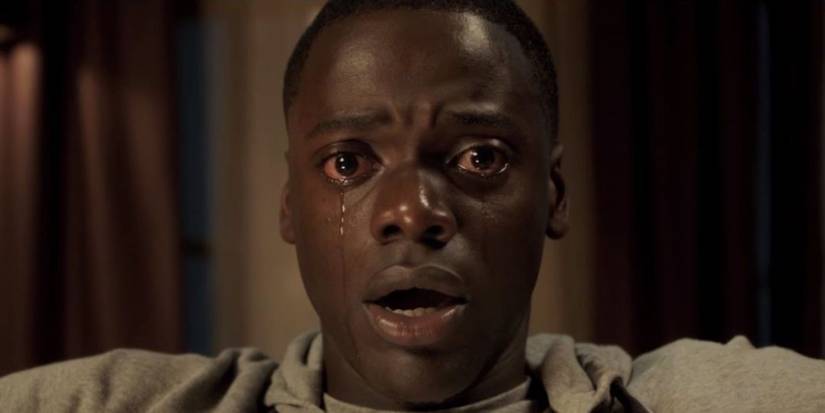
Jordan Peele’s 2017 masterstroke Get Out was a seismic event in cinema. Beyond its box-office dominance, it inadvertently birthed a pervasive and occasionally exhausting new subgenre of horror. Peele’s razor-sharp exploration of racial appropriation and performative liberalism became a cultural touchstone, proving that intellectually dense, thematically heavy films could thrive if wrapped in a terrifying package. Almost overnight, the “elevated horror” movement was codified, asserting a dominance over prestige genre filmmaking that has persisted for nearly a decade.
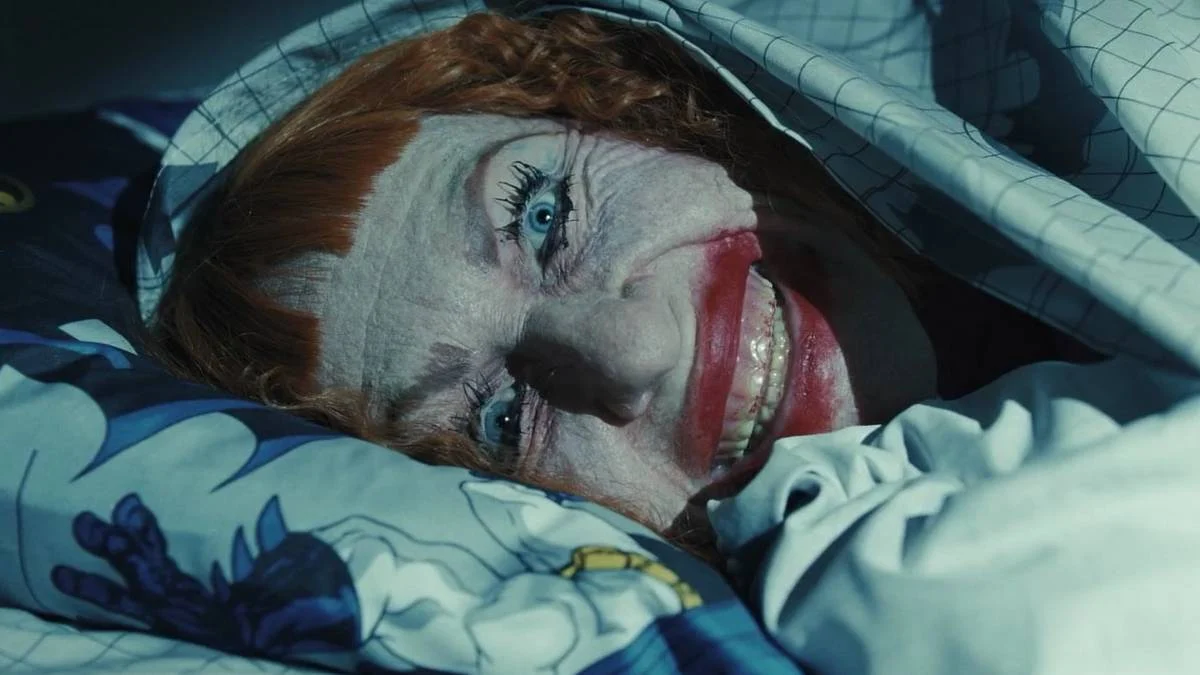
However, as we moved through 2025, that iron-clad grip finally appeared to be failing. A standout trio of high-profile releases—Sinners, 28 Years Later, and Weapons—achieved critical acclaim and commercial viability without leaning on the crutch of heavy-handed allegory. These are sprawling, immersive cinematic experiences with genuine substance, yet they are also, fundamentally, a vampire flick, a zombie epic, and a supernatural thriller. They prioritized being viscerally frightening, reminding audiences that in 2025, pure terror still has a seat at the table.
The wave of films trailing in Get Out’s wake were often grouped under the “elevated” banner, but their common thread was an insistent, almost clinical application of metaphor to themes like trauma or social inequity. In works such as Midsommar, His House, The Invisible Man, and Master, the “monster” was frequently a stand-in for grief, the refugee crisis, systemic oppression, or mental health struggles. The antagonist was rarely just a creature; it was a physical manifestation of a psychological scar. As critic Sam Nelson dryly noted, these often felt like “the Dracula is actually just your mother’s death” movies.
While many of these films were undeniably excellent—bringing visionary talents like Peele and Ari Aster to the fore—the formula eventually became a caricature of itself. Earlier this year, I examined Opus, a competent thriller where the monster seemingly represented the decline of traditional journalism in a celebrity-obsessed age. It was a poignant sentiment, but one that felt drafted from a rigid template rather than organic inspiration. This “horror by numbers” approach plagued other 2025 titles like Together (codependency as the beast) or Him (the horror of competitive sports).
Many filmmakers attempting to mimic Get Out failed to realize that Peele’s affinity for the genre is sincere; he isn’t using horror as a costume for his scripts. More importantly, Get Out isn’t actually metaphorical in the traditional sense. While the plot involves fantastical elements, racism isn’t a “monster” in the movie—racism is the reality. It doesn’t require abstraction to be terrifying. Peele is simply a master of tone, capable of building a gripping entertainment around a grim societal truth without needing a supernatural veil.
This refreshing, unapologetic directness is the engine behind Sinners, 28 Years Later, and Weapons. These films prioritize the narrative over the “message,” allowing their resonance to grow naturally from the characters and their circumstances.

Ryan Coogler’s Sinners does possess layers of meaning. By placing twin brothers in Prohibition-era Mississippi against Irish vampires, Coogler explores the erasure of Black cultural havens and the rootlessness of immigrant identity. Yet, the film never feels like a lecture. By setting a vampire tale in the Jim Crow South, the thematic depth emerges as a natural consequence of the setting rather than a forced thesis.
Furthermore, Coogler’s world-building avoids simple binary metaphors. If the vampires represent an insatiable hunger, the vibrant Black culture in the film is depicted as a potent, mystical force—one filled with both beauty and danger. It’s an expansive fantasy landscape, not a one-dimensional allegorical map.
In 28 Years Later, Danny Boyle and Alex Garland fuse the intensity of a zombie siege with the grit of a kitchen-sink drama. By focusing on a young boy’s desperate quest to save his family, the film offers a microcosmic look at a fractured society. However, the “infected” aren’t symbolic placeholders. Their role is to escalate the stakes, stripping away the comforts of civilization to reveal the raw, exposed nerves of the human characters beneath.

Of this trio, Zach Cregger’s Weapons faced the most resistance from audiences conditioned to hunt for a “hidden meaning.” Some critics were frustrated by its refusal to offer a neat thematic diagnosis, as if a horror film of this caliber was incomplete without an obvious social subtext to deconstruct.
Ultimately, Weapons succeeds because it is a frightening, masterfully told story. Cregger seeds the film with haunting, disjointed imagery—children vanishing into the dark, a floating assault rifle, the grotesque realities of aging—but he refuses to tie them into a tidy package. This ambiguity is where the film’s power lies. It captures the sensation of a society unraveling from within, leaving the viewer to sit with the discomfort rather than a solved riddle.

Horror movies have the capacity to be profound without being overtly “about” a single issue. The genre’s most talented creators understand this, and 2025 proved it. Sinners, Weapons, and 28 Years Later have revitalized a genre that was becoming trapped in its own quest for prestige. They remind us that while grief can certainly be a monster, there is a unique, primal power in a monster that is simply… a monster.
Source: Polygon
Related articles
 Nvidia Confirms DLSS 5 Support for RTX 40 Series
 Miami Officials Criticize GTA 6 Marketing Over Vice City Comparisons
 Sony Announces Lineup for Tokyo Game Show 2026
 Uta Macross returns as a rhythm game for PC and mobile
 DLSS 5 Works on Budget Graphics Cards, Not Just RTX 5090
 Cosmic Horror Game Black Walls Features Inescapable Labyrinth
 Forgotten Island Premiere Set to Arrive in One Week
 8 Best Anime to Watch Like Solo Leveling