10 Classic Shooters So Good They’ll Never Need a Remake
The 2000s were a defining decade for shooters. First-person and third-person classics flourished across multiple platforms, while the popularity of consoles such as the PlayStation 2, PlayStation 3, and Xbox 360 helped bring the genre to a wider audience. Many of those games remain benchmarks for the shooters that followed.
Some of the decade’s biggest hits have since received remakes, while others have been remastered to improve their visuals and performance without fundamentally changing the original experience. The games below still have enough personality, ingenuity, and staying power to make a complete remake feel unnecessary.
Games that have received remasters are eligible for this list; those rebuilt from the ground up are not.
1. S.T.A.L.K.E.R.: Shadow of Chernobyl
Release date: March 20, 2007
Platform: Windows PC
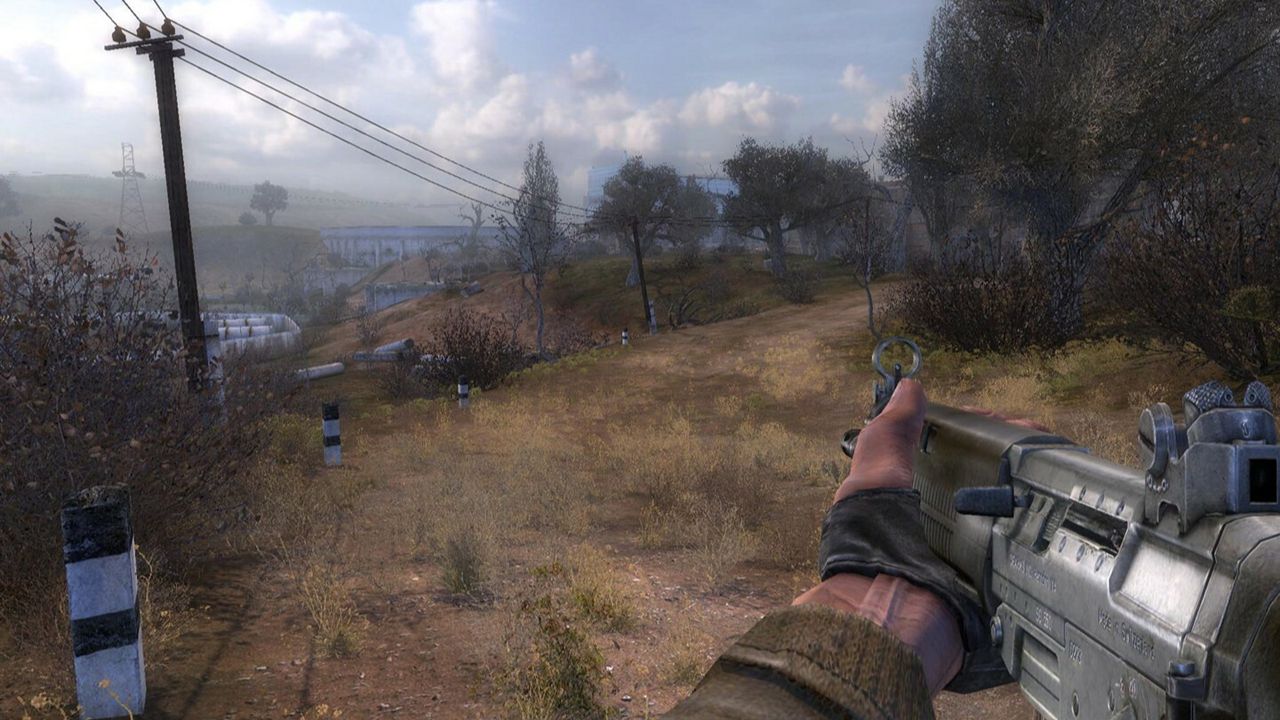
Few shooters capture a sense of danger quite like S.T.A.L.K.E.R.: Shadow of Chernobyl. Set in an alternate Chernobyl Exclusion Zone, GSC Game World’s first-person shooter combines gunplay with role-playing and survival-horror elements. Mutants, rival factions, strange anomalies, and coveted artifacts all compete for space in its radioactive wilderness.
Simply staying alive can feel like an achievement. Ammunition and medical supplies are scarce, particularly on higher difficulties, and a single firefight can quickly become fatal. The A-Life system adds to the atmosphere by making creatures and human opponents behave like inhabitants of the Zone rather than targets waiting for the player.
The game has its rough edges, from awkward enemy behavior to troublesome quests, but its unpredictability is part of its character. A remake might polish away some frustrations, yet it could also lose the unsettling eccentricity that helped make Shadow of Chernobyl a cult favorite.
2. Prey
Release date: July 11, 2006
Platforms: Windows PC, Xbox 360, Mac
Despite sharing a name with Arkane Studios’ acclaimed 2017 game, the original Prey is a very different adventure. Developed by Human Head Studios, it follows Cherokee mechanic Tommy Tawodi after he, his girlfriend, and his grandfather are abducted by an enormous alien spacecraft known as the Sphere.
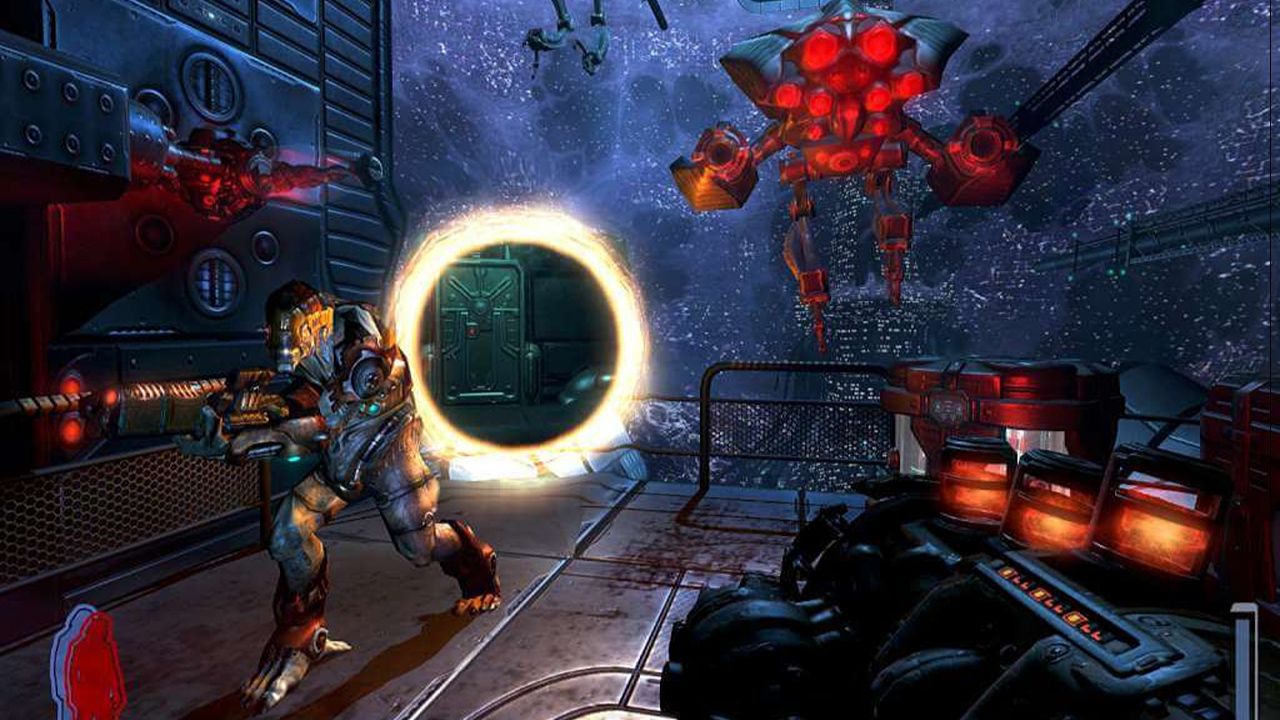
Once aboard, Tommy encounters a world that delights in turning familiar shooter conventions inside out. Portals reshape the battlefield, gravity shifts without warning, and walkways lead across walls and ceilings. His spirit-walking ability adds another dimension to exploration and combat.
Those ideas give Prey a distinctive identity. Firing through portals and fighting in rooms that seem to rotate around the player remain memorable experiences. Improved visuals might be welcome, but the original’s disorienting inventiveness needs no wholesale reinvention.
3. Crysis
Release date: November 13, 2007
Platform: Windows PC
Crytek’s Crysis became famous for pushing PC hardware to its limits. Its lush environments and striking visual detail set a formidable technical benchmark, but its appeal went beyond graphical spectacle. Expansive levels encouraged players to approach encounters on their own terms.
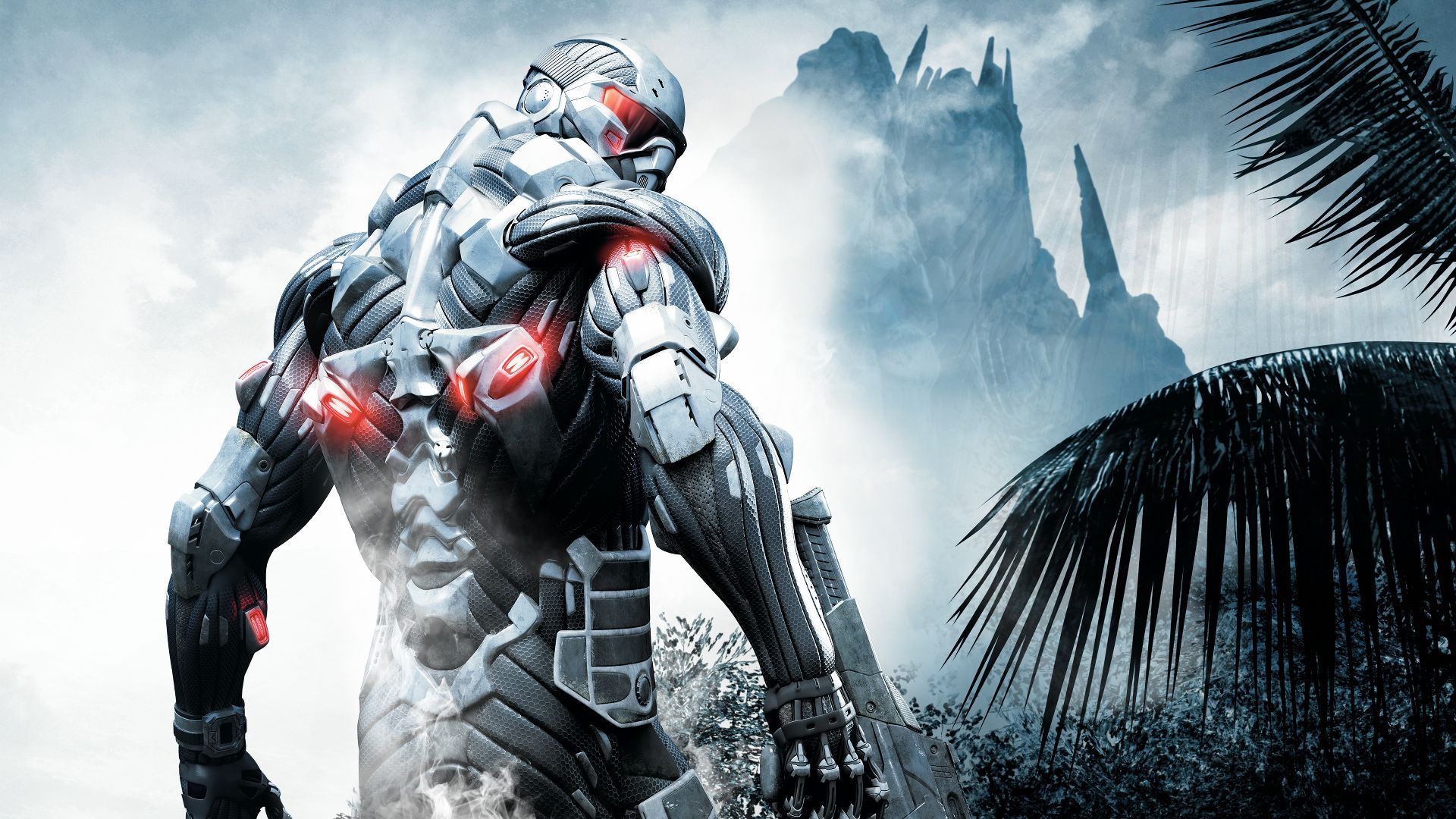
At the heart of that freedom was the Nanosuit worn by protagonist Jake “Nomad” Dunn. By managing its energy, players could enhance their armor, strength, and speed or activate a cloak to slip past enemies. Those abilities made confrontations with both human soldiers and alien threats feel flexible and unpredictable.
The combination of open-ended combat, impressive scenery, and the Nanosuit gives Crysis an identity that still holds up. Running it at maximum settings was famously demanding at launch, but its ambitious design remains just as important as its technical reputation.
4. Left 4 Dead 2
Release date: November 17, 2009
Platforms: Windows PC, Xbox 360, Mac
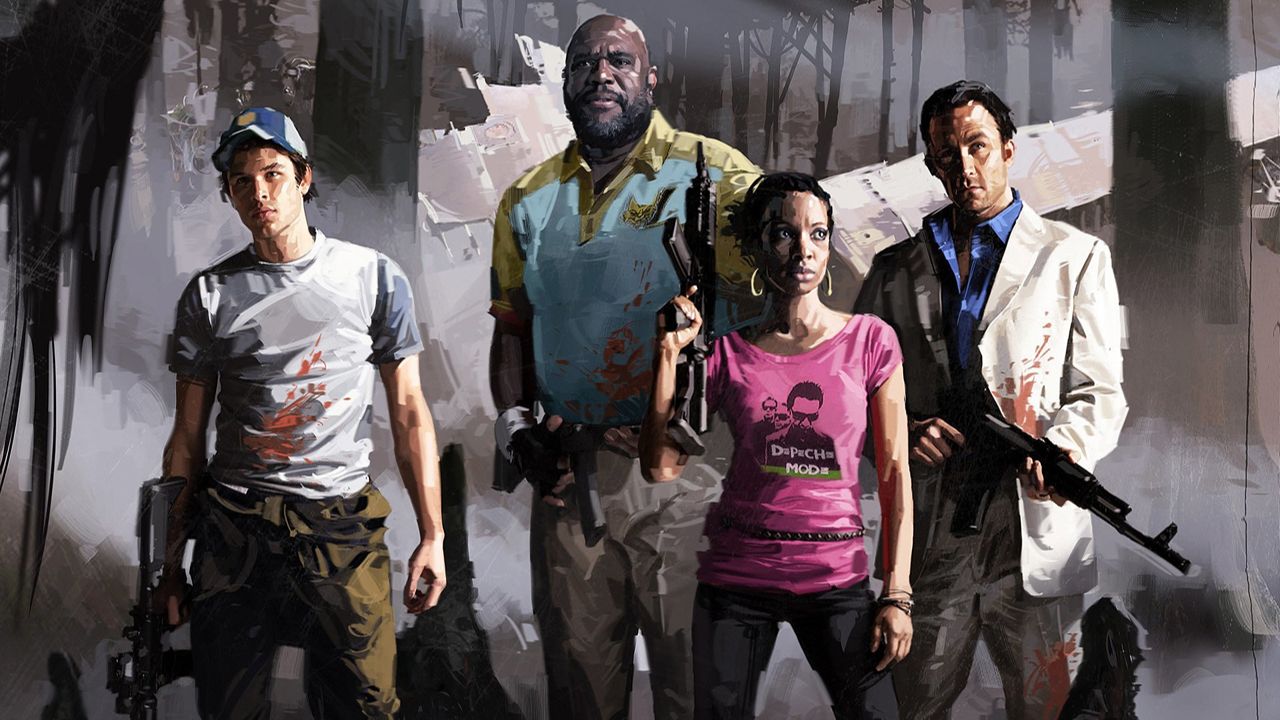
Valve’s original Left 4 Dead turned cooperative zombie survival into a frantic group activity. Its sequel arrived near the end of the decade and expanded the formula with new survivors, campaigns, weapons, melee attacks, and Special Infected.
The real star, however, is the pacing. The AI Director adjusts elements such as enemy placement and item availability, helping familiar routes produce fresh moments of tension. A campaign that felt manageable on one attempt can descend into chaos on the next.
The objectives are easy to understand, but surviving them together is another matter. A Tank can scatter a confident team in seconds, while a Smoker can drag an unsuspecting survivor away from safety. Add years of community-created content, and it is easy to see why the game’s cooperative formula still works without a ground-up remake.
5. F.E.A.R.: First Encounter Assault Recon
Release date: October 18, 2005
Platforms: Windows PC, Xbox 360, PlayStation 3
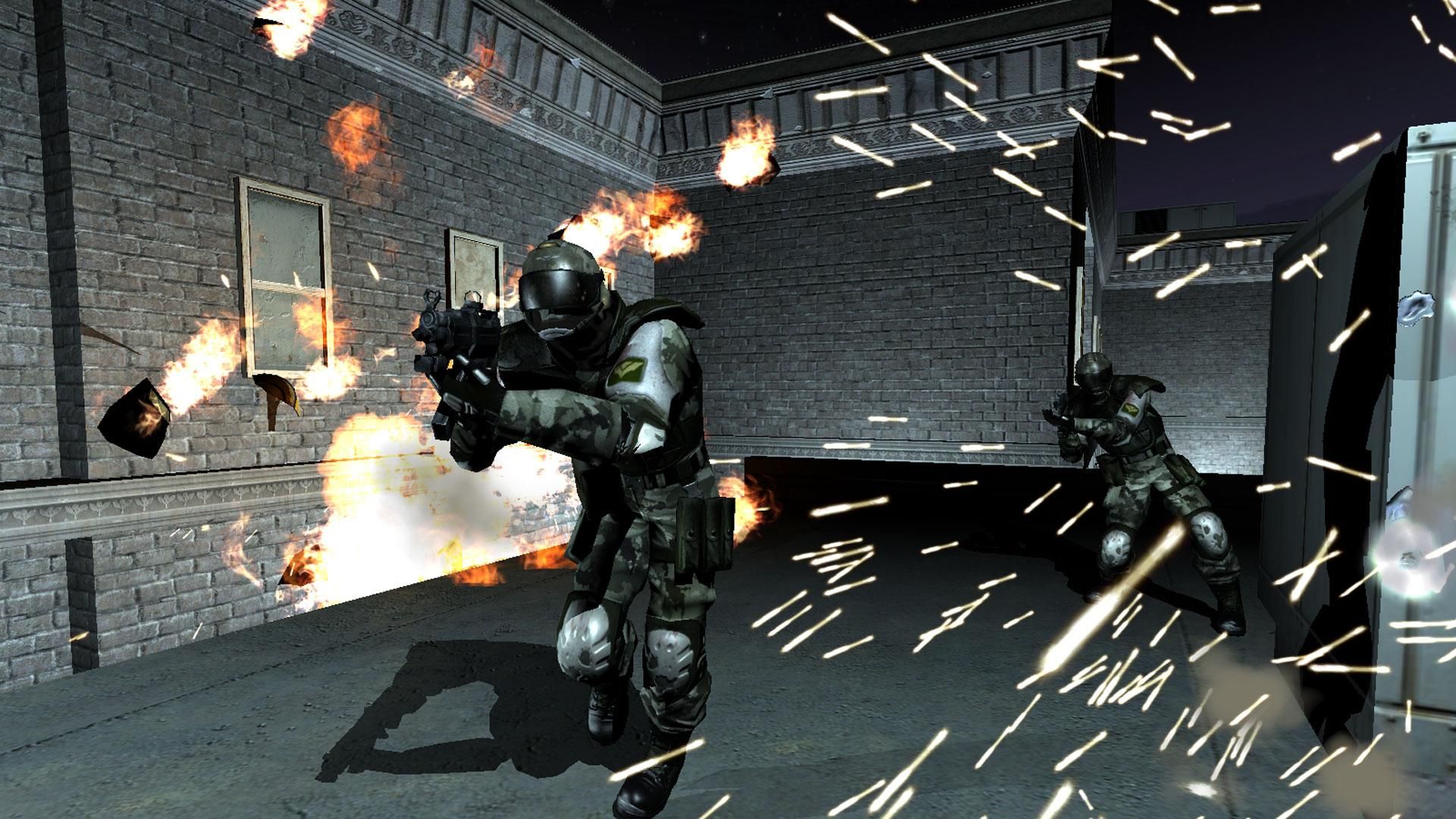
F.E.A.R. earned a reputation for enemies that seemed determined to outthink the player. Opponents flank, communicate, and seek cover, turning encounters into tense contests of positioning and reaction speed. The player has one significant advantage: reflex time, which briefly slows the action and creates an opportunity to turn a fight around.
Between those explosive battles, Monolith Productions builds an atmosphere of supernatural dread. A mysterious girl in red and a series of disturbing visions draw on the imagery of Japanese horror, making quiet corridors feel just as threatening as active combat zones.
That contrast is central to the game’s appeal. Silence can give way to a chaotic firefight in an instant, with debris flying as enemies close in. Plenty of shooters have borrowed from horror films or experimented with slow-motion combat, but few have combined those ingredients as effectively as F.E.A.R.
6. Call of Duty 4: Modern Warfare
Release date: November 5, 2007
Platforms: Windows PC, Xbox 360, PlayStation 3, Mac
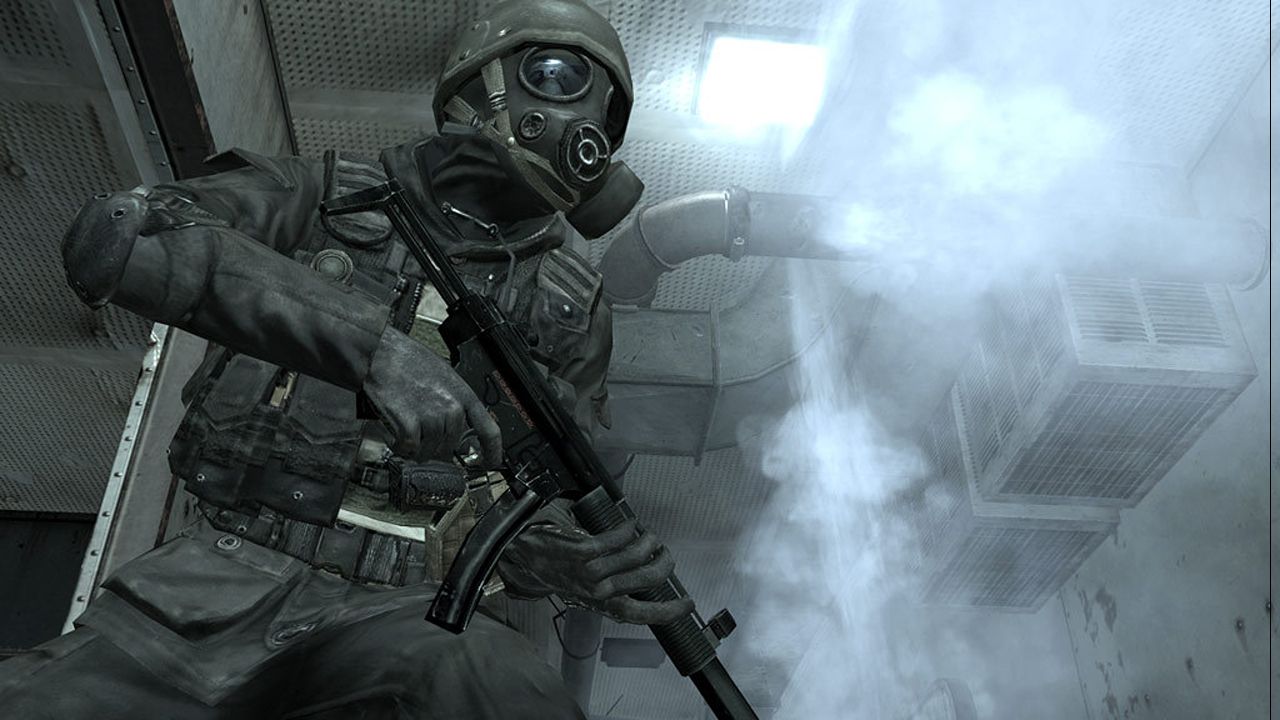
Call of Duty 4: Modern Warfare was not the first game in the series, but it helped establish the direction the franchise would follow for years. Infinity Ward paired responsive shooting with cinematic presentation and a campaign packed with memorable set pieces.
From the sinking cargo ship in “Crew Expendable” to the devastating events of “Shock and Awe,” the story rarely struggles to hold attention. Even the post-credits hostage rescue in “Mile High Club” leaves a lasting impression. Later sequels revisited the setting, but the original campaign’s tightly constructed spectacle remains difficult to surpass.
Sharp sound design and intense gunfights help the game retain its impact. A 2016 remaster updated its appearance, while the 2019 Modern Warfare reboot introduced a new continuity rather than retelling the original story. The 2007 game still stands confidently on its own.
7. Gears of War 2
Release date: November 7, 2008
Platform: Xbox 360
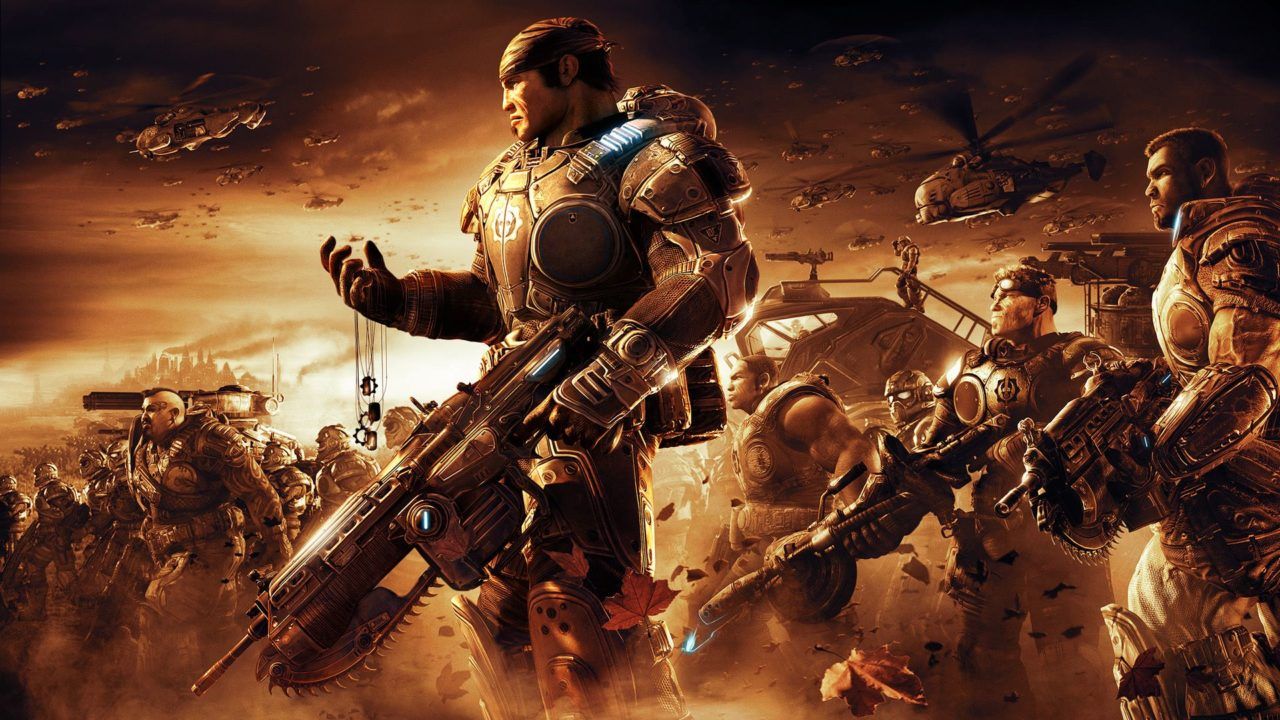
The first Gears of War established the series’ gritty identity, but its sequel expanded on it in memorable ways. Among its most influential additions was Horde Mode, which challenged players to survive successive waves of Locust enemies together.
The campaign also raised the stakes. In one particularly gruesome chapter, Marcus Fenix and his squad find themselves inside a gigantic Riftworm and must fight their way through its body. The aptly named “Intestinal Fortitude” delivers the kind of extravagant spectacle that became a hallmark of the series.
New weapons, chainsaw duels, larger battles, and a more ambitious story complemented the original’s weighty cover-based shooting. With its blend of cooperative survival and gleefully excessive action, Gears of War 2 remains one of the decade’s defining third-person shooters.
8. Halo 2
Release date: November 9, 2004
Platforms: Windows PC, Xbox
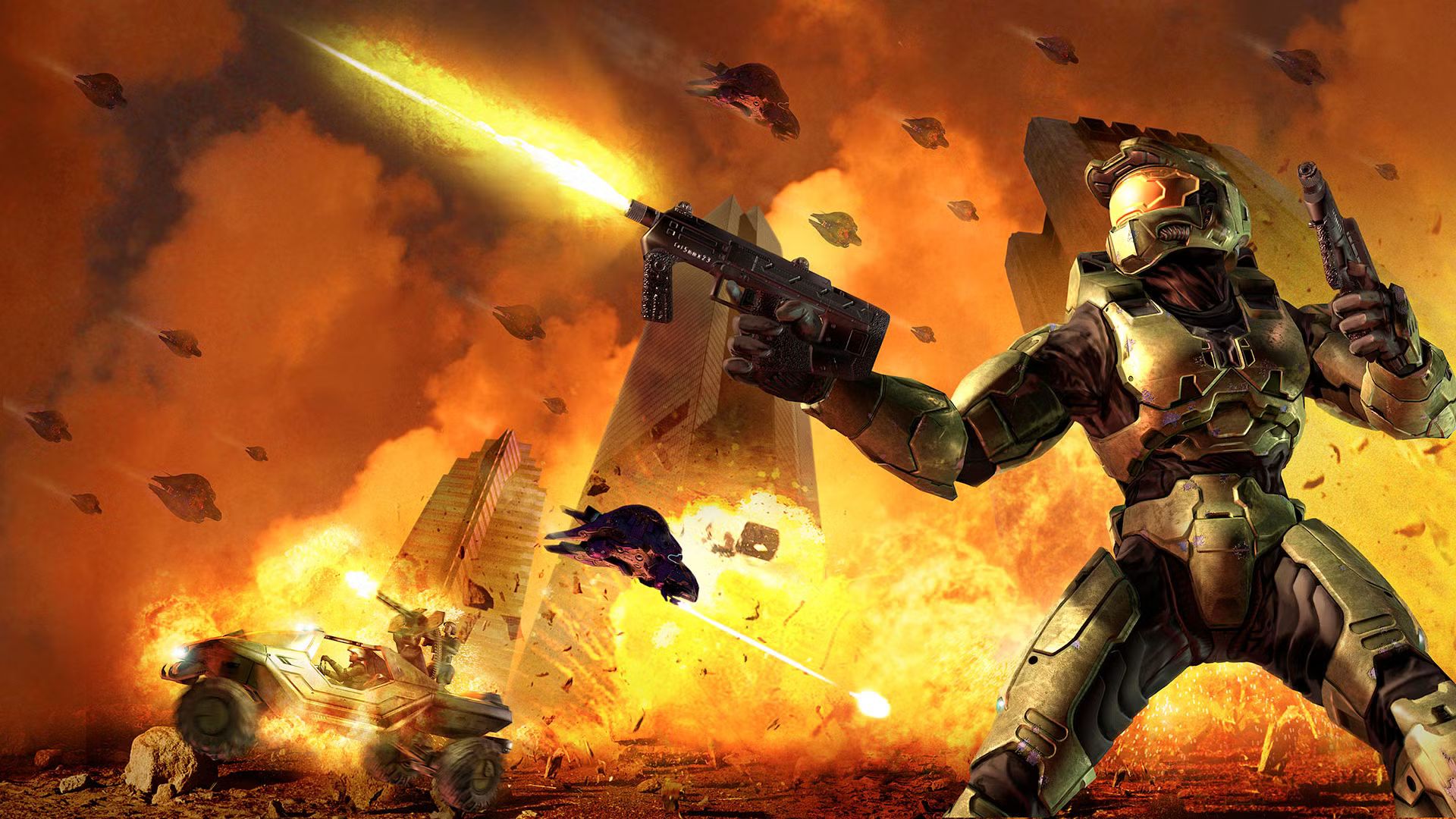
Halo: Combat Evolved established a science-fiction universe and a shooter formula that left a lasting mark. Halo 2 built on that foundation with a broader story, new perspectives, and combat that remains immensely satisfying.
One of Bungie’s boldest choices was allowing players to step into the role of the Arbiter, a disgraced Elite voiced by Keith David. His story gives the Covenant greater depth, revealing political and religious conflicts that were largely hidden when the series focused exclusively on Master Chief.
Not every narrative turn or boss encounter lands perfectly, but the sequel’s ambition is difficult to dismiss. Its expanded world, memorable battles, and the opportunity to wield an Energy Sword make Halo 2 a standout shooter in its own right.
9. BioShock

Release date: August 21, 2007
Platforms: Windows PC, Xbox 360, PlayStation 3, Mac
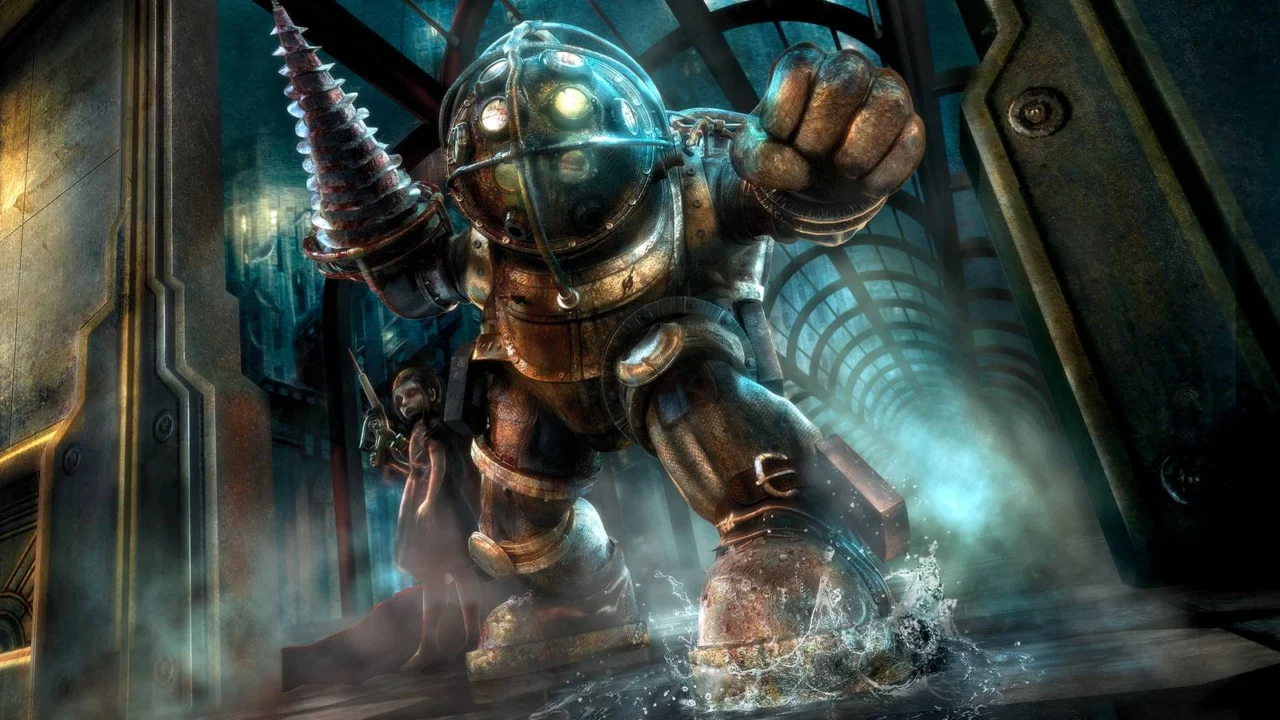
From its unforgettable introduction to the underwater city of Rapture, BioShock establishes a setting unlike almost anything else in the genre. Its decaying art deco corridors frame a story about ambition, ideology, and the collapse of an imagined utopia.
Combat encourages experimentation. Alongside conventional firearms, protagonist Jack can use plasmids to unleash electricity, fire, and telekinetic powers. Splicers, security systems, Big Daddies, and Little Sisters create opportunities to combine those abilities with the environment, whether by electrifying water or turning defensive machinery against an enemy.
Andrew Ryan’s vision gives Rapture its philosophical foundation, while the revelation tied to the phrase “would you kindly” remains one of gaming’s most memorable twists. A 2016 remaster refreshed the presentation, but the original’s atmosphere, flexible combat, and storytelling remain powerful without a complete rebuild.
10. Half-Life 2

Release date: November 16, 2004
Platforms: Windows PC, Xbox, Xbox 360, PlayStation 3, Mac
Valve’s Half-Life 2 expanded on its predecessor with a more expansive world, impressive visual design, and storytelling woven directly into the action. Gordon Freeman’s journey through a dystopian Earth introduced memorable allies and enemies while maintaining the series’ commitment to keeping players immersed in the experience.
Its varied campaign moves from the waterways of “Water Hazard” to the coastal roads of “Highway 17” and the treacherous beaches of “Sandtraps.” Each stretch brings a different challenge, whether Freeman is evading a pursuing gunship, exploring abandoned settlements, or avoiding the antlions beneath the sand.
Combined with inventive physics-based interactions and a vividly realized setting, those moments make Half-Life 2 one of the strongest shooters of its era. Its design remains compelling enough that a complete remake is far from essential.
Source: Polygon
Related articles
 Jason Schreier Discusses Microsoft’s Reported $500 Million Spending on Gears of War: E-Day
 Forza Horizon 6 Gets City Life Update With New Race Routes, Cars and IKEA Furniture
 Former Xbox Executive Calls Operations Under Asha Sharma a ‘Circus’
 29 Games Coming to Xbox Over Five Days, Including Unexpected New Releases
 Nintendo Switch Sports Resort Beats Final Fantasy Resonance on Japan’s Physical Sales Chart
 Smalland 2: Lost Realms Gameplay Shown as Grounded 2 Rival Takes Shape
 Former The Coalition Producer Says Xbox Engine Costs Add to Hundreds of Millions in Spending
 Nintendo Quietly Updates Switch 2 to Make Battery Replacement Easier