World of Kylia Ascendant Combines MTG and D&D at PAX West 2026
2026 feels like an HD remake of the late nineties and early 2000s in several crucial ways. My old boot-cut jeans are inexplicably back in fashion, live-action Spider-Man and Resident Evil movies are hitting theaters, no one will shut up about Wolverine, and the last nerd convention I went to hosted a direct battle between several competing collectible card games.
At PAX West in Seattle, most of that battle unfolded inside Summit, the newer of the Washington State Convention Center buildings. Its tabletop floor featured official booths for Riftbound, OverPower, Rush of Ikorr, and the Gundam Card Game. In previous years, Magic: The Gathering had more or less taken over the TCG space at PAX. Now multiple contenders are visibly gunning for its throne.
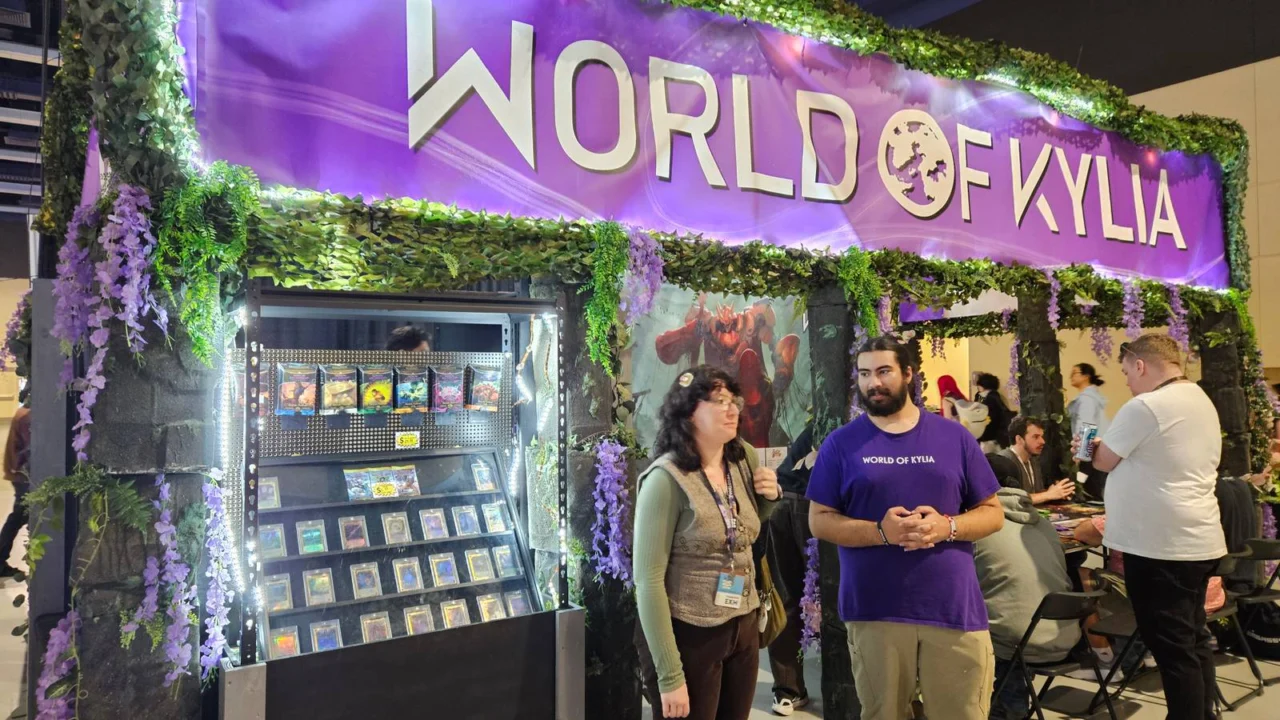
One of the more interesting challengers was hiding a few blocks away. The World of Kylia booth sat half-hidden in the Arch building expo hall. Here, the local Washington company iQ Pictures showed off their card game Ascendant, which just celebrated its second anniversary.
Creator Chase Lambert-Crittenden explains that the world of Kylia began as a side project while he was working toward an animation degree in California. Kylia is an inhabitable world in a distant galaxy that produces a valuable plasma-like substance called Genki. In the present day, Kylia is home to multiple native and alien species who coexist across seven separate nations.
The initial plan was for Kylia to be the setting for a series of cartoons or a full-length movie. That plan remains active, but the card game was developed first, funded by iQ Pictures animation work.
Battling to ascend
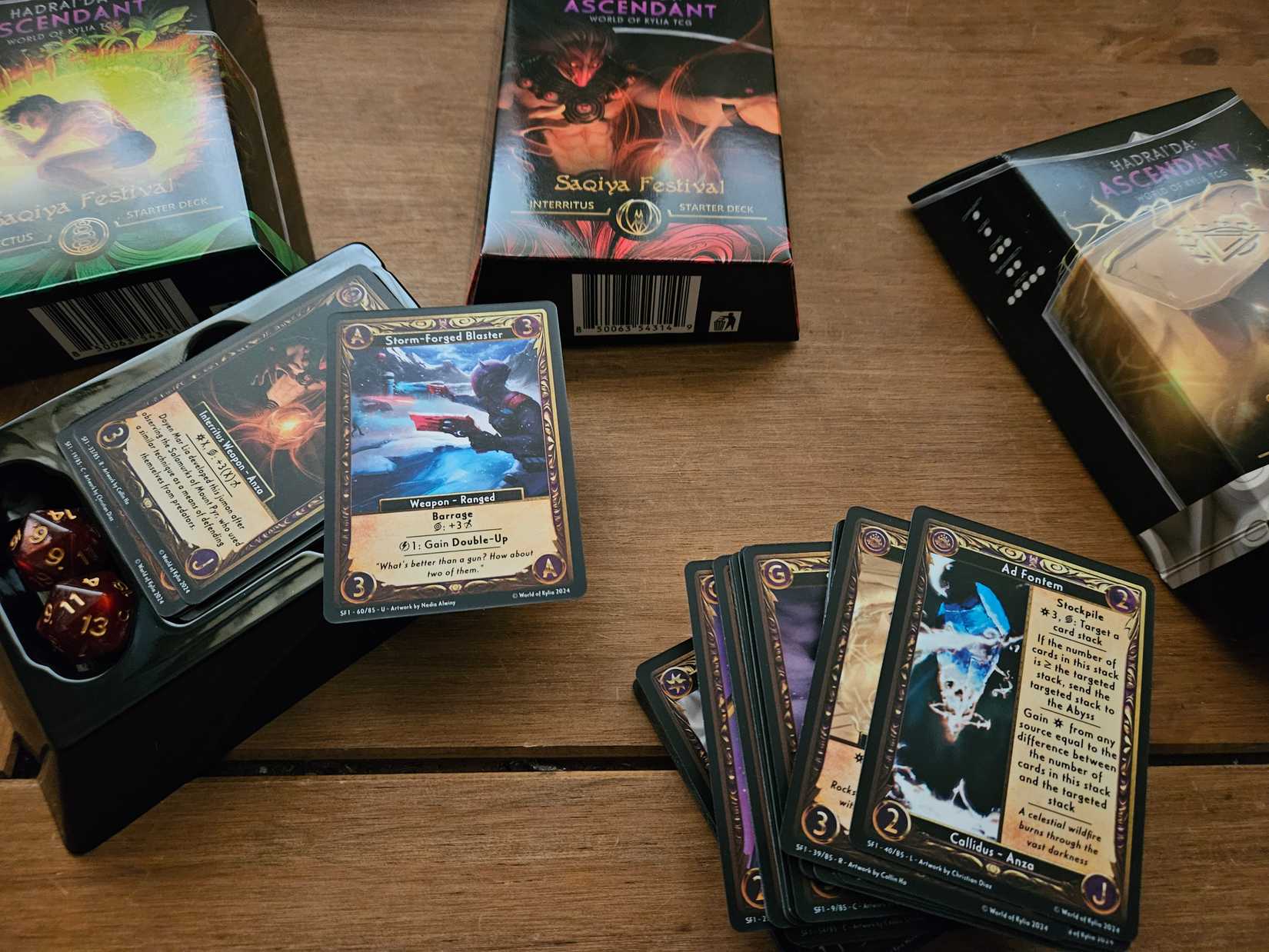
Ascendant can be played one-on-one, two-on-two, or as a battle royale. Players familiar with other deckbuilders will find themselves on familiar ground, but a couple of rules take some getting used to.
The first major rule involves how the game handles resources. The cost indicated on each card represents the number of copies of that card required to put it into play. If the cost is two, you need two copies. If the cost is eight, you need eight, similar to certain auto-battlers. Fortunately, hands in Ascendant have no upper limit, and every player draws a card at the start of every turn. Even without building a deck for rapid card draws, you work through your arsenal fairly quickly.
Some cards require an additional resource generated via Generators. These can be tapped each turn to generate Genki, which fuels several card abilities.
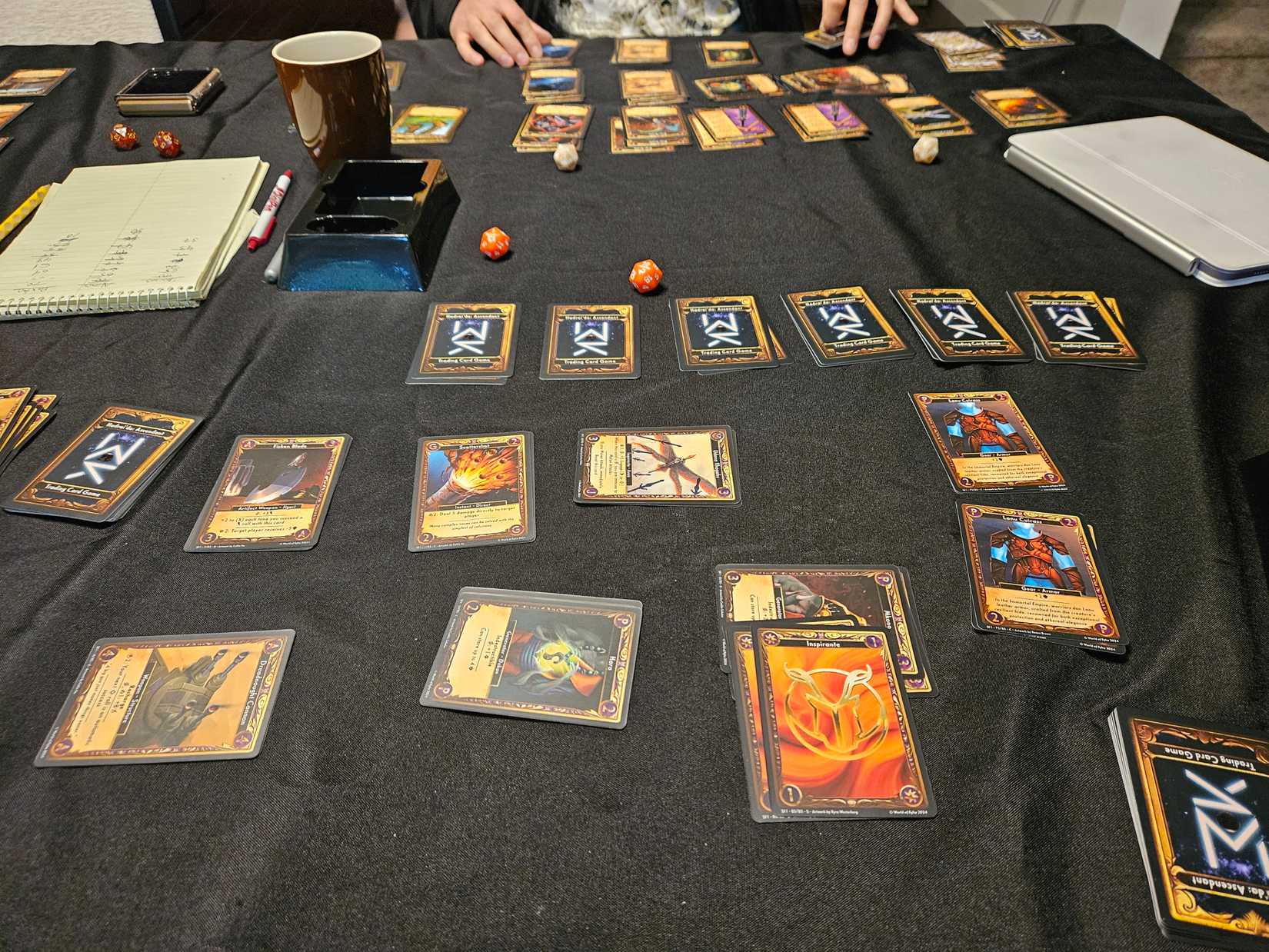
Alternatively, you can build a deck that does not use Genki at all. I played my first game of Ascendant against Lambert-Crittenden at PAX West using an iQ Pictures deck built entirely around equipment, machines, and a pair of steampunk energy revolvers, featuring no complicated cards or Generators. In a world of wizards, summoned monsters, and alien warlords, I was apparently playing as Cowboy Batman.
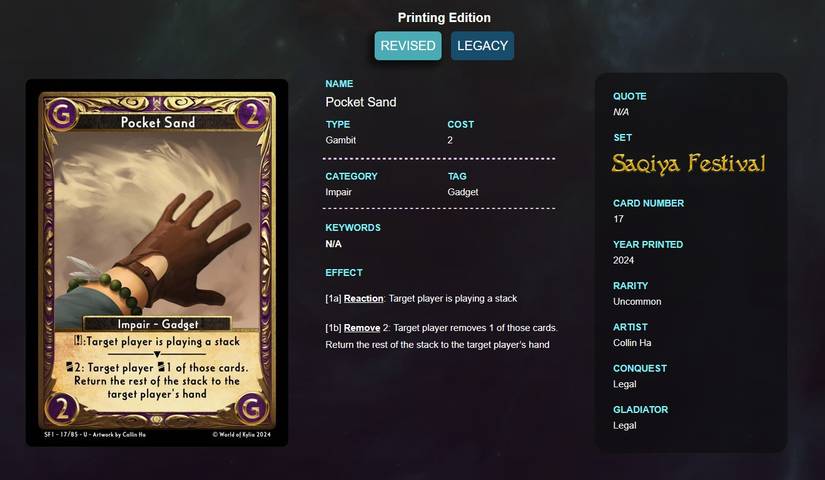
I won that game due to pure dumb luck and possibly being Batman. Ascendant uses 20-sided dice to resolve attacks, and I consistently rolled higher than Lambert-Crittenden. That roll advantage and a timely dose of Pocket Sand secured the win.
When one player attacks another in Ascendant, both sides roll a 20-sided die. The higher roll wins. If the attacker succeeds, their target takes damage equal to the difference between their roll and the attacker’s roll. If I roll an 18 and my target rolls a 10, they take eight points of damage. All players start with 70 life, and whoever remains standing wins.
The tricky part comes from the various ways a player can modify that roll. You do not need a specific creature or card to attack, but every card on the field provides potential ways to add or subtract from your roll.
The late game is when Ascendant strategies get complex. Tap one card, burn another, use a couple of passive abilities, and then roll your die with the highest bonuses you can manage while hoping for the best. Early on, that 70 life feels like an impassable barrier, but endgame creatures allow players to hit opponents for 20 points of damage or more in a single turn.
Ascendant has a few under-explained mechanics, such as Speed, meaning you will likely spend your first two or three games constantly referring back to the manual. A handy PDF is linked on the back of every card box via a QR code. Ascendant also features a lot more lore than actual story at this stage of its development.
Despite this, the game is easy to pick up, moves quickly, and incorporates random dice rolls that give newer players room to succeed. If you want a new TCG, Ascendant makes a solid entry into the field.
Source: Polygon
Related articles
 The Apothecary Diaries Season 3 Receives New Trailer Ahead of Premiere
 Sekiro: No Defeat anime series scheduled to premiere in January 2027
 DC Studios Releases Final Trailer for Body Horror Film Clayface
 Sabrina Carpenter Joins Cast of Tom Holland’s Fred Astaire Biopic
 Football Manager 27 Expected to Run on Older PCs Due to System Requirements
 Game Informer Announces Exclusive GTA VI Details Ahead
 World of Warcraft Forever’s Plan to Bring ‘Classic Plus’ to New and Old Players
 GTA VI Collector’s Edition Items Prompt Fan Speculation Over Reused Rockstar Concepts