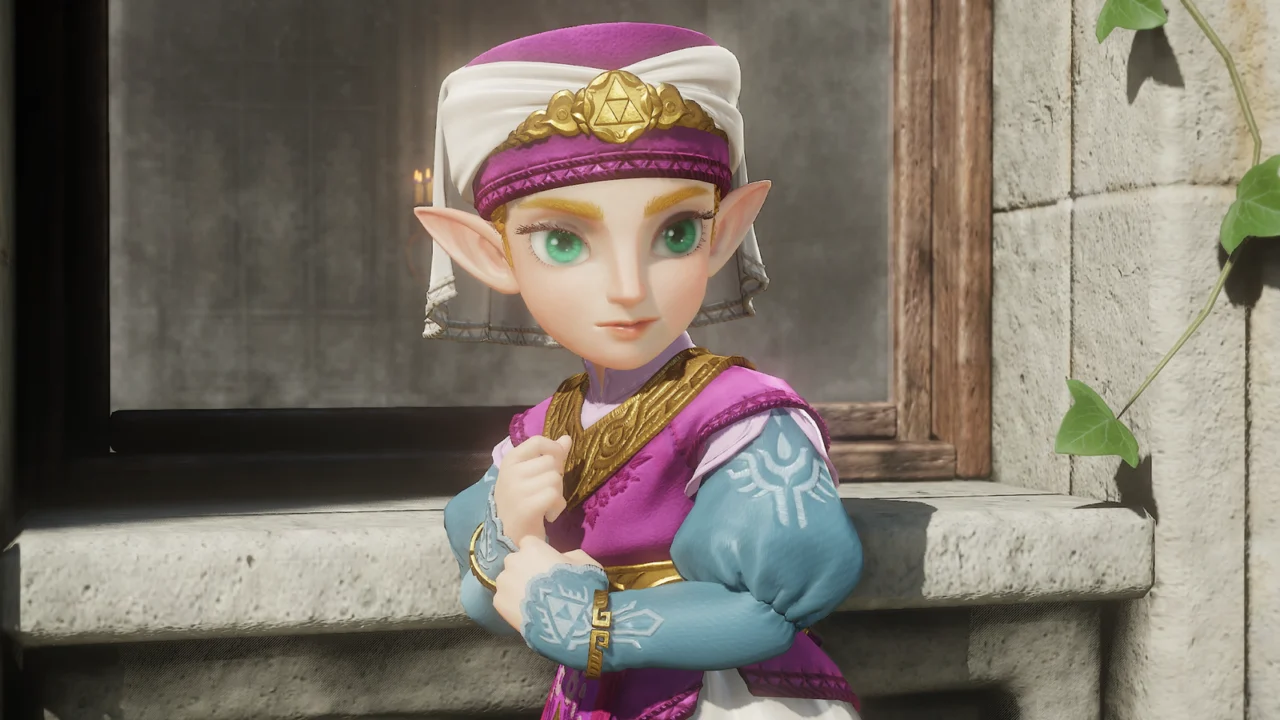
Why Is The Legend of Zelda: Ocarina of Time So Great?
Spend enough time in gaming communities and you’ll hear The Legend of Zelda: Ocarina of Time described as one of the greatest games ever made. The announcement of a Nintendo Switch 2 remake and its warm critical reception brought that familiar praise back into focus. Many people discovering the adventure for the first time have come away agreeing with its long-standing reputation. What receives less attention is exactly why it deserves that reputation.
The answer goes beyond nostalgia. Ocarina of Time anticipated major trends in game design while avoiding some of the excesses that now accompany them. Its approach to storytelling, exploration, and discovery still offers valuable lessons for developers today.
Like many enduring stories, Ocarina of Time draws on familiar traditions. It is a fairy tale touched by tragedy, a coming-of-age adventure, and a fresh arrangement of classic archetypes. What makes it distinctive is how it uses play itself to express those ideas.
When Link enters adulthood, Hyrule has changed. His friends have scattered, its people have suffered, and once-familiar places have become dangerous. Ghosts roam Hyrule Field, while stronger monsters occupy areas where young Link once wandered without fear. Other changes are more personal: adult Link can ride a horse, wear different clothing, wield larger tools, and use weapons and combat techniques unavailable to his younger self.
Even leaving the slingshot behind carries meaning. Childhood has its own tools and possibilities; adulthood brings different ones. Link’s new equipment and his horse open routes he could not have explored before, whether because of physical barriers or because he was not yet ready to face the dangers beyond them.
These changes create a satisfying sense of progress, but they also make growing up something the player experiences rather than merely watches. Many coming-of-age stories rely on a character’s personal revelations or accumulated wisdom. Link’s restrained personality leaves less room for that approach, so the game instead asks players to navigate a changed world, adapting to new freedoms and limitations while remembering what came before. Few games have woven their story and interactive design together in quite the same way.
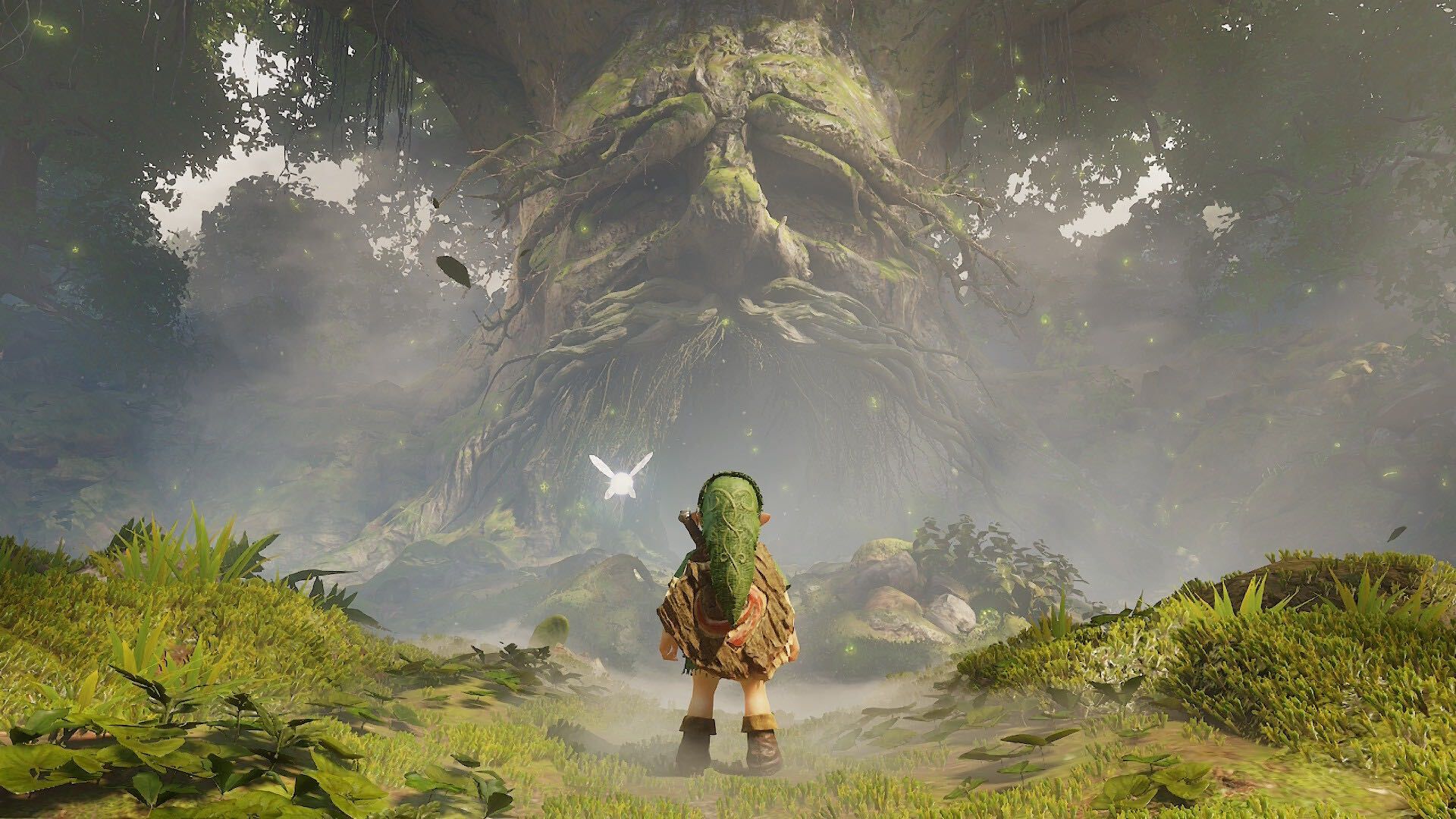
The game was also forward-looking in its approach to exploration. It finds a comfortable middle ground between a strictly linear adventure and an open-ended world. It does not explain every solution, yet its relatively compact environments make it possible to find a dungeon’s path or solve a puzzle through observation and persistence.
That same design encourages accidental discoveries. Conversations with residents and unusual details in the landscape can lead to side quests without a trail of markers directing players toward them. The resulting sense of discovery feels closer to games such as Disco Elysium than to many tightly signposted adventures, old or new.
Side activities are generally brief, and their rewards can be modest, limited, or delightfully silly. The pleasure lies in engaging with Hyrule: investigating an overlooked corner, talking to its inhabitants, or making sense of a subtle clue. The game rarely asks players to complete an enormous task or collect a mountain of objects just to justify a diversion.
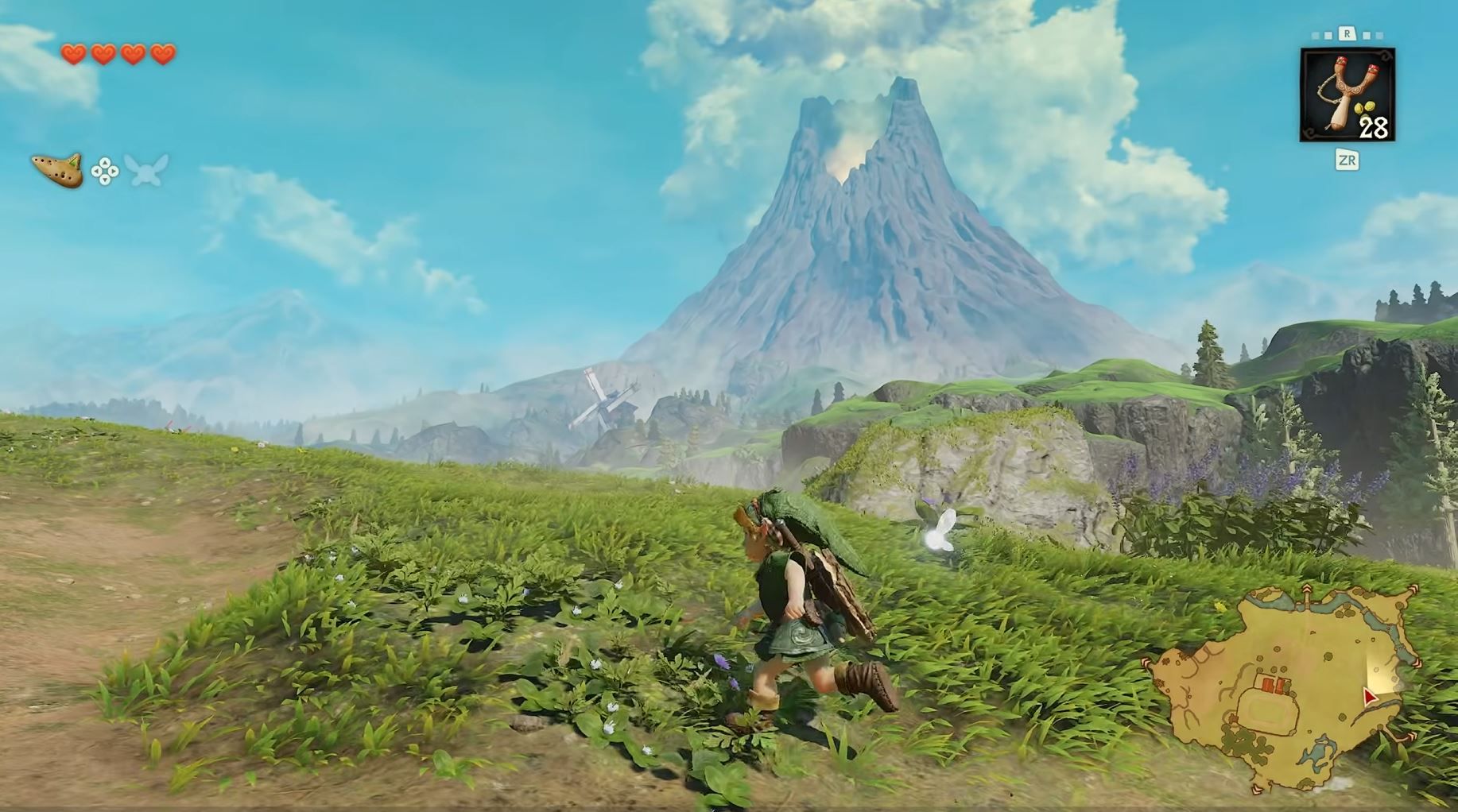
Sell four masks for the vendor in Hyrule Castle Town, for example, and your efforts lead to another mask that is more amusing than practical. It feels appropriate because the task itself does not demand an unreasonable investment of time. Similarly, discovering a cow in a hidden hole on Death Mountain is entertaining in its own right. A little milk for an empty bottle is simply an added benefit.
Nintendo built Ocarina of Time around curiosity and the pleasure of exploring. Its world does not need to overwhelm players with activities to make their attention worthwhile. That focus on enjoyment over sheer volume remains a useful lesson for modern game design.
The Legend of Zelda: Ocarina of Time endures because it does so much within a manageable scope. It uses the qualities unique to games to tell its story and makes exploration rewarding without turning every discovery into a checklist. Nostalgia may be part of its appeal, but its design offers plenty of reasons for new players and developers alike to keep returning to Hyrule.
Source: Polygon
Related articles
 Festival for Games Made Without AI Emerges After Steam Next Fest Controversy
 New God of War Runs on PC at 4K and 240 FPS
 Remedy Explains Who Is Standing in the Way of Quantum Break 2
 Could Half-Life 3 Have No Loading Screens? Insider Shares New Details
 Silent Hill Gets Ray Tracing and Improved Textures
 New NVIDIA Driver Causes FPS Drops in Call of Duty: Modern Warfare 4
 8 Far Side Comics About Fruits and Vegetables
 Is NVIDIA Cutting Graphics Card Shipments Again? GeForce RTX Prices Could Rise