
Toy Story 5 is the Most Important Film of the 21st Century
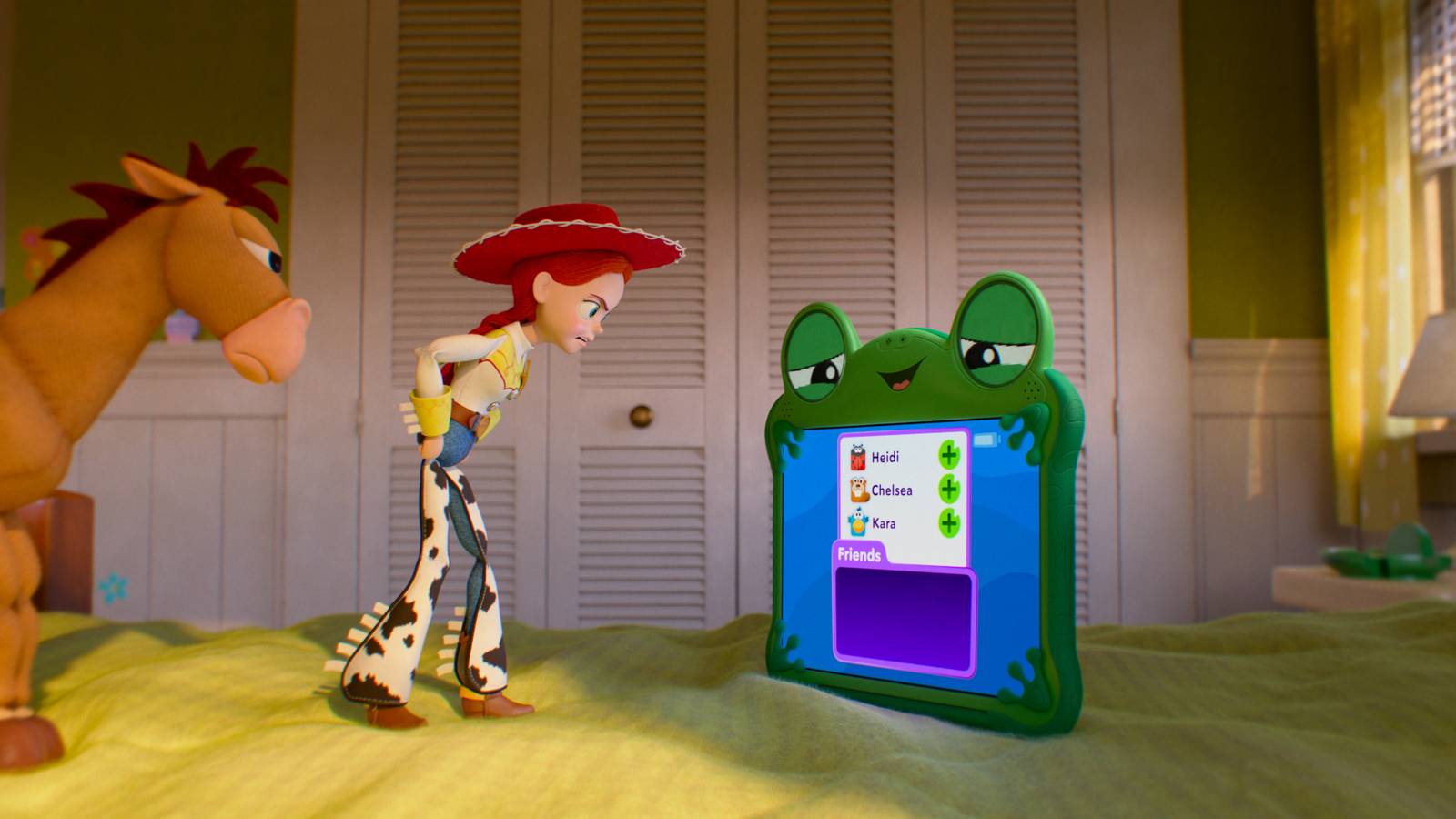
The dawn of the iPhone in 2007 signaled a seismic shift in the fabric of childhood. Suddenly, the dinner table became a hub for endless scrolling, social media validation, and the hypnotic glow of instant dopamine. We were collectively blindsided, watching as age-old social boundaries dissolved into a landscape of hyper-connectivity and digital distraction.
Nearly two decades later, Toy Story 5 arrives to hold a mirror to this transformation. By scrutinizing the adults who invited this technological saturation into the family home, directors Andrew Stanton and Kenna Harris have crafted more than just a billion-dollar blockbuster. They have delivered perhaps the most socially resonant and vital American film of the 21st century.
This is far from a mere morality play. Toy Story 5 functions as a profound critique of modern parenting, an elegant tribute to the necessity of imaginative play, and a desperate plea for children to reconnect with the world beyond their screens. Refreshingly, the film avoids vilifying the youth. Bonnie is not a character flaw; she is simply an eight-year-old responding naturally to the addictive design of “Lilypad,” the tablet that has become her primary companion. The true narrative tension lies in the realization that while parents may be physically present, they have largely failed to comprehend the digital tools they placed in their children’s hands.
Bonnie: Caught in the digital crossfire
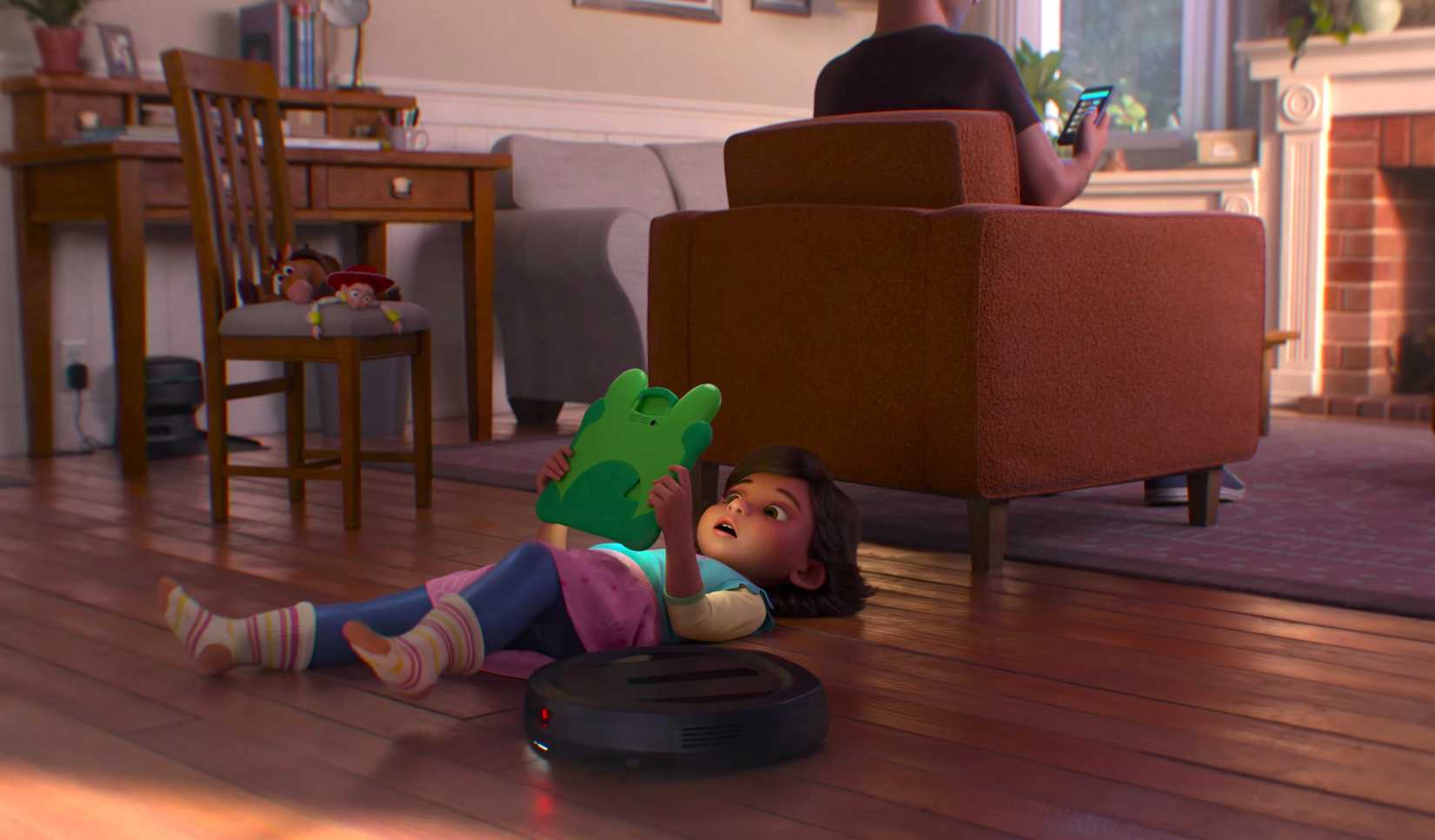
Critics who dismiss Toy Story 5 as another “phones are bad” retread are missing the forest for the trees. Much like the warnings once issued about tobacco marketing, the film highlights how Big Tech has systematically engineered products to capture the developing minds of a generation. Seeing Woody and his friends struggle against the addictive pull of a tablet is not just a clever plot device—it is a stinging indictment of a culture that has replaced physical engagement with algorithm-fed convenience.
We are a society dulled by alarmism, yet strangely blind to the real threats our children face in the digital wild. Parents who fret over organic vegetables while remaining indifferent to the content their children consume online are missing the point. Toy Story 5 posits that this willful ignorance is the true crisis.
Jessie’s journey is particularly compelling. Initially acting as a reactive, panicked parent—attempting to strip away all technology and force a return to “the good old days”—she eventually learns that prohibition is a futile strategy. Much like WALL-E, the film paints a stark picture of a world where physical play is becoming an artifact, replaced by the blue-tinted void of glowing screens.
Pixar takes on the modern parenting paradigm
Drawing on the research popularized in books like Jonathan Haidt’s The Anxious Generation, the film explores the devastating correlation between the rise of social-media-ready devices and the surge in adolescent anxiety. The “play-based childhood” of previous decades has been supplanted by virtual socializing, leaving a generation of children more connected than ever, yet profoundly isolated.
While the legislative debate around the Kids Online Safety Act continues to stir controversy, Toy Story 5 refocuses the argument on “digital literacy.” It is not about banning the screen; it is about teaching children how to exist in a forever-connected world without losing their sense of self. The film suggests that parenting in this era requires more than setting time limits—it demands active engagement and a willingness to understand the very platforms that influence our children’s development.
Ultimately, Toy Story 5 stands as a monumental achievement in animation. It serves as a necessary reminder that while the world changes, the fundamental human need for awe, connection, and unscripted play remains timeless. Even if the world is shifting toward a landscape of generative AI and constant digital surveillance, the core message holds firm: protect the sanctity of childhood, and always, always find time to play.
Source: Polygon
Related articles
 Former Rockstar Developer Reveals Details About Cancelled GTA Tokyo
 ‘Daemons of the Shadow Realm’ Anime Renewed for Second Season
 Matt Reeves Releases New Image for The Batman Part II on Batman Day
 PlayStation 3 Emulator Runs Twisted Metal at 70 FPS on PC
 World of Warcraft: Forever Beta Launch Crashes Servers, Developers Express Surprise at Popularity
 New Galaxy Express 999 Anime Movie Announced
 Valve Developers Express Surprise Over Players’ Joy at Minor Updates
 EA Sports FC 27 Receives Mixed Reviews on Steam Amid Criticism