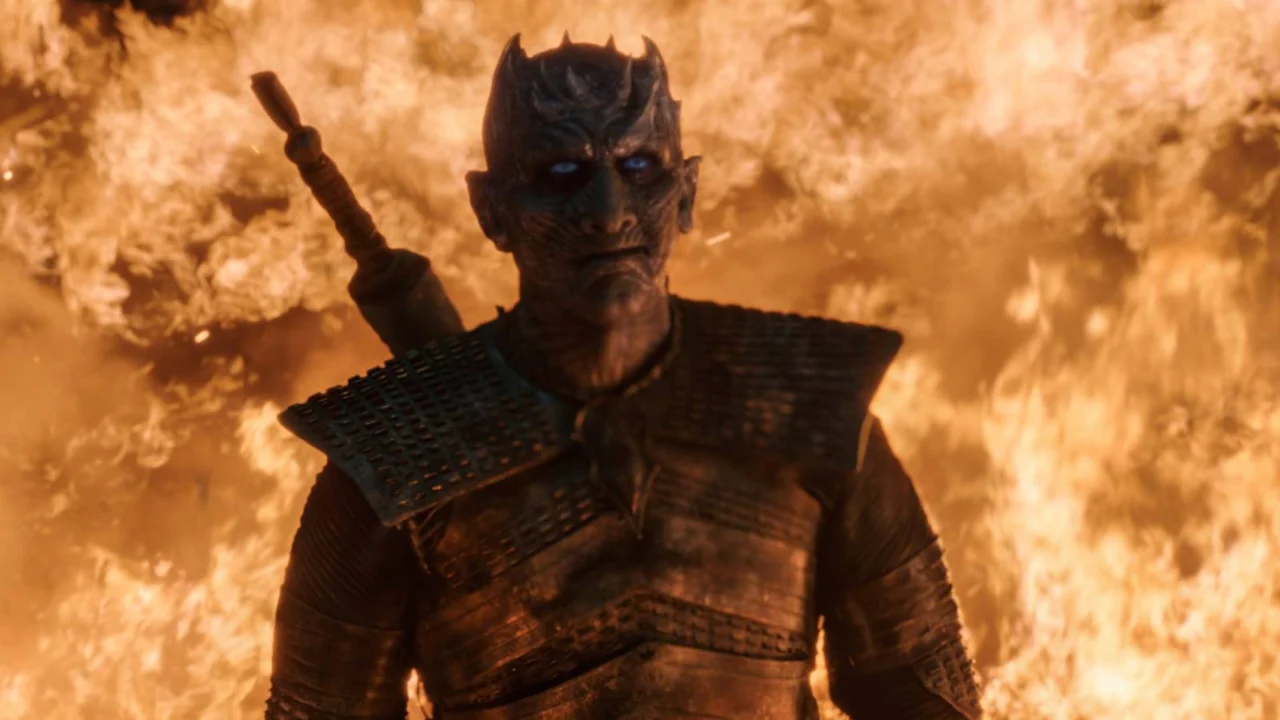
The Search for the First Truly Great Game of Thrones Video Game
For several years, Game of Thrones sat comfortably at the peak of pop culture. Adapted from George R.R. Martin’s sprawling, unfinished A Song of Ice and Fire saga, the HBO juggernaut defined the monoculture landscape from its 2011 debut through 2019. However, its eighth and final season left a bitter taste for many, marred by rushed narratives and character arcs that felt like a betrayal of the show’s earlier, more calculated brilliance. (Purists will rightly argue the rot had already set in by season 5, but that is a debate for another time.)
Even after that divisive finale, HBO and its parent company, Warner Bros. Discovery, have been determined to keep the franchise alive. While the spin-offs House of the Dragon and A Knight of the Seven Kingdoms have found their footing, they still lack the sheer, inescapable cultural dominance the original series enjoyed at its height.
Yet, despite the series’ immense footprint, it has never successfully transitioned into the realm of top-tier gaming. The world of Westeros is tailor-made for a sprawling, immersive RPG in the vein of The Witcher 3 or Kingdom Come: Deliverance 2, but gamers are still left waiting for a definitive experience. Developers have made several attempts to capture the magic, yet we are still waiting for a title to truly reign supreme.
Early efforts to adapt the series were underwhelming. The 2011 strategy game A Game of Thrones: Genesis and the 2012 RPG Game of Thrones both failed to leave a mark, hovering in critical mediocrity on Metacritic.
Telltale Games eventually threw their hat in the ring with Game of Thrones: A Telltale Games Series, an episodic narrative that unfolded during the aftermath of the show’s infamous Red Wedding. While it offered a decent experience, it leaned heavily on the studio’s established “interactive movie” template. If you aren’t a fan of choice-driven narratives that require a prerequisite knowledge of the TV show’s lore, there is very little here to sink your teeth into.

Since then, the franchise has been relegated to a flood of mobile titles—Ascent, Conquest, Beyond the Wall—and browser-based MMOs. While these have their niche, they rarely offer the depth or narrative gravity that fans crave from a serious Westerosi adventure.
The free-to-play Game of Thrones: Kingsroad is perhaps the most visually impressive attempt yet, offering AAA-style hack-and-slash mechanics. Unfortunately, it has been hampered by aggressive microtransactions and a polarized reception, proving that the “free-to-play” label often comes with significant gameplay compromises.
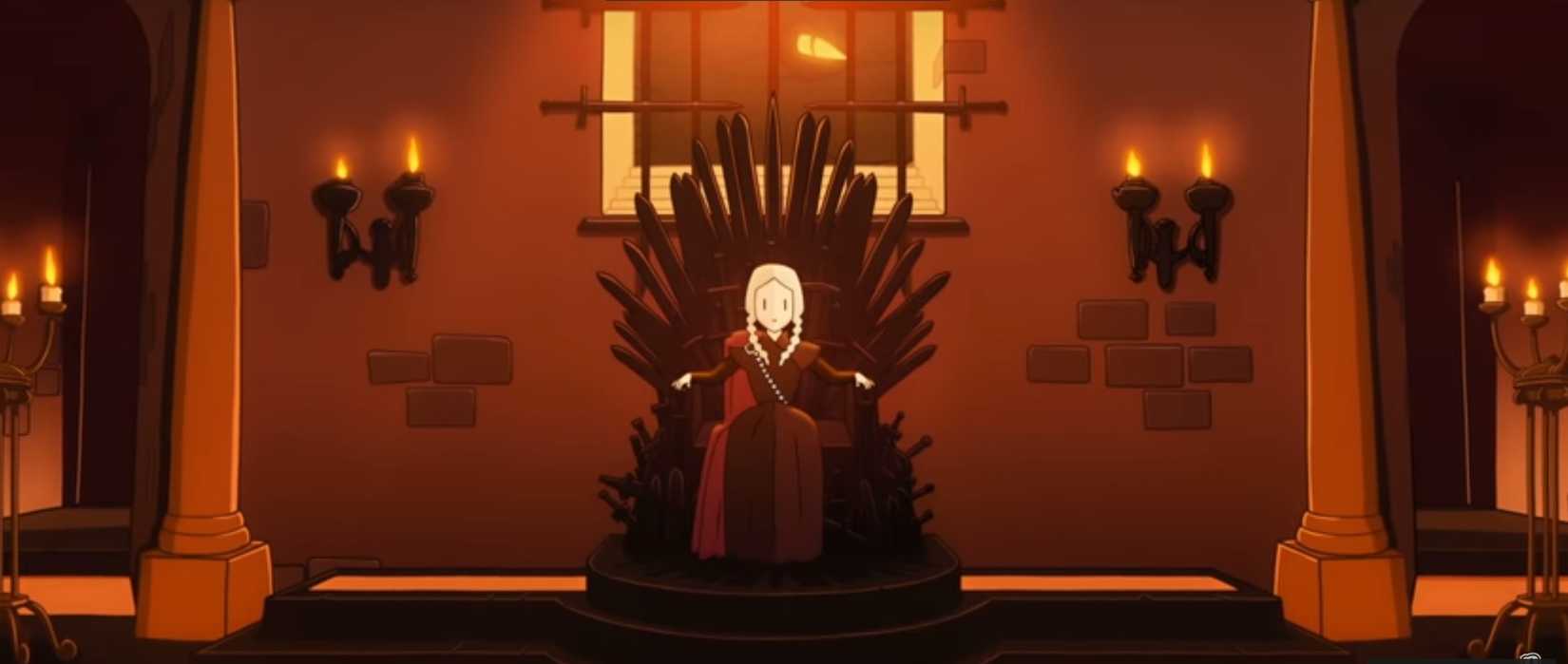
Surprisingly, the best digital iteration of the franchise is Reigns: Game of Thrones. By applying the clever, binary-choice “swipe” mechanics of the Reigns series to the political landscape of Westeros, it manages to capture the constant, high-stakes decision-making of the show perfectly. It is a rare gem in a catalog of otherwise uninspired tie-ins.
Looking ahead, Warner Bros. has signaled that Game of Thrones remains one of its four core pillars for future gaming development. With the upcoming real-time strategy title Game of Thrones: War for Westeros on the horizon, there is at least an acknowledgment that the genre’s scale fits the source material. Still, many fans—myself included—remain hopeful for a true open-world epic. We want to tread the mud of the Riverlands, serve as a sellsword, and soak in the atmosphere of Martin’s world with the same level of polish we’ve seen in the genre’s greatest triumphs.
Source: Polygon
Related articles
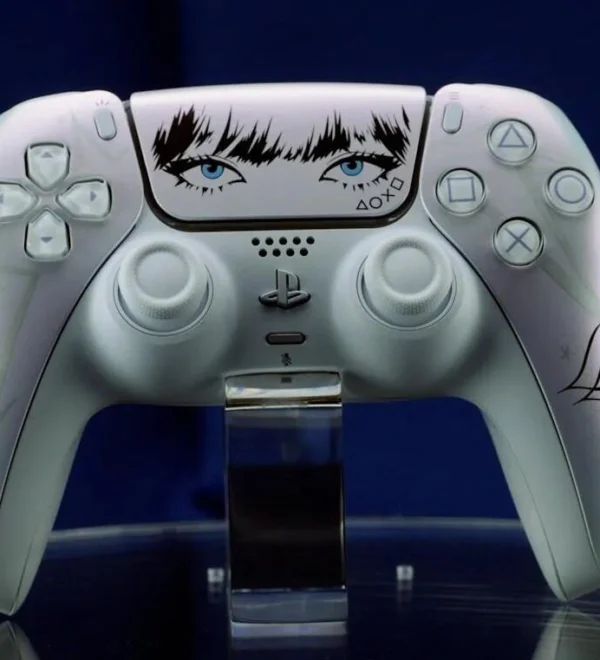 Sony Reveals Another DualSense Controller Design As Fans Again Demand Games
 Silent Hill: Townfall Receives First Reviews as Horror Game Earns Early Praise
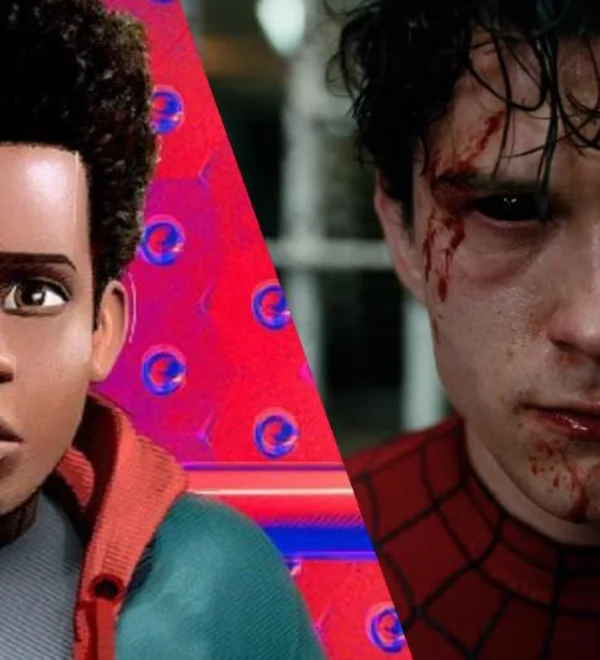 Spider-Man 5 Reportedly to Feature Peter Parker and Miles Morales
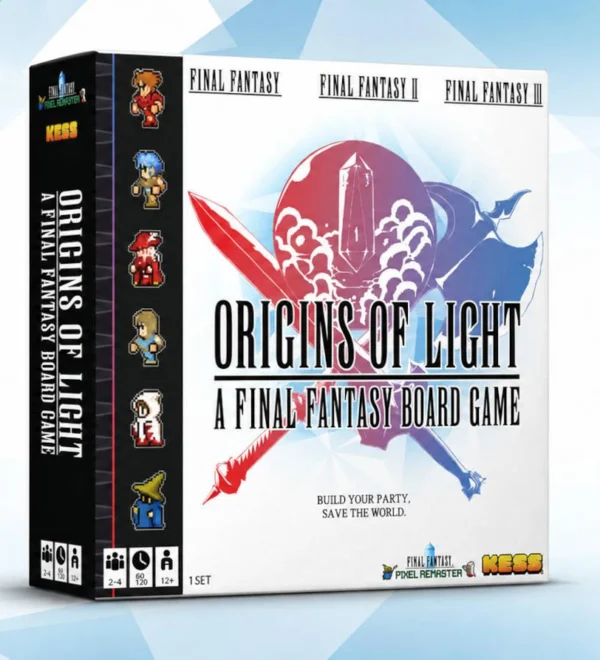 Crowdfunding Campaign for Origins of Light: A Final Fantasy Board Game Set to Launch in October
 Double Fine Raises $50,000 for Voice Actress Who Agreed to Work for Free
 Why The Greatest Sci Fi Opening Line From The 1950s Still Endures
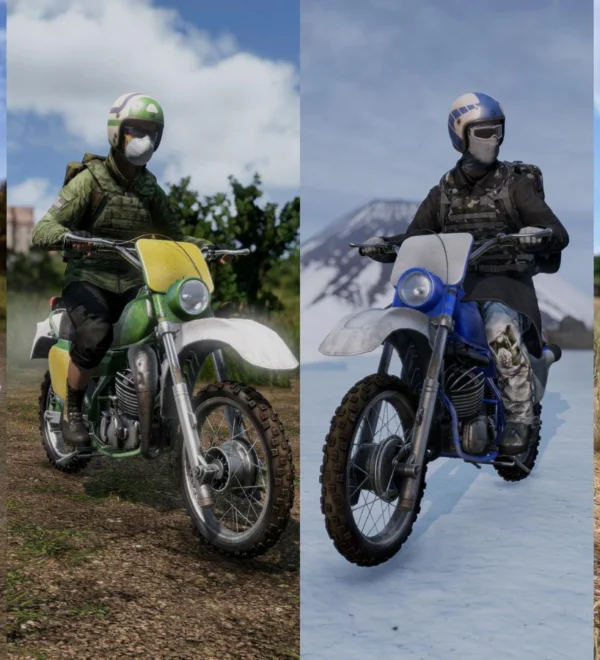 DayZ Developers Explain Why Bicycles Were Cut and Motorcycles Added for Badlands DLC
 Demon Slayer Infinity Castle Movie Leaked Release Date Points to September 2027