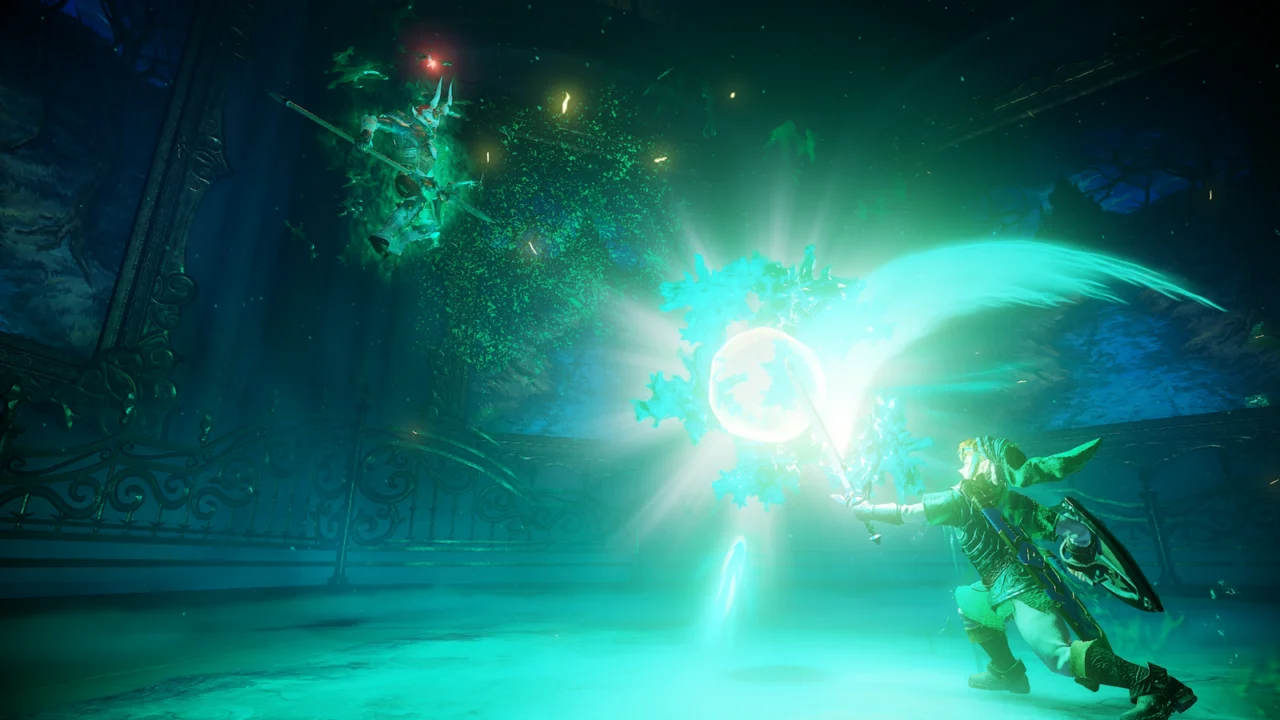
The Legend of Zelda: Ocarina of Time Thankfully Avoids FromSoftware’s Influence
I’ve spent plenty of time swinging a virtual sword this year. Action games such as Onimusha: Way of the Sword and Phantom Blade Zero make blade-to-blade combat feel wonderfully precise, with steel ringing out and sparks bursting from every clash. Yet my favorite sword fights this year aren’t in either of those games. They’re in The Legend of Zelda: Ocarina of Time.
The Switch 2 remake refines the combat from Link’s 1998 adventure without losing what made it work. The Master Sword feels weightier than ever, thanks to crisp sound effects and striking visual feedback whenever it lands. But the remake leaves Link’s moveset largely intact, meaning there’s no parry—a staple of many modern action games. That absence gives Ocarina of Time’s straightforward swordplay a freshness I didn’t expect.
By the standards of many contemporary action games, Ocarina of Time asks little of players mechanically. Link has a charged spin attack and a jumping slash, but his basic approach is simple: lock on, swing, and connect. You can raise your shield or use an item to vary your tactics, yet many encounters still come down to landing well-timed strikes—just as they do when you face a Deku Baba.
I wondered how much Nintendo would update that system for the remake. Combat overhauls have become a common feature of remakes and remasters, as seen this year in projects such as The Witcher 3: Wild Hunt Remastered and Assassin’s Creed Black Flag Resynced. Nintendo takes a different path, keeping Link’s offense close to the original. That approach can feel unfamiliar if you’re used to modern games where parries and counterattacks are nearly obligatory.
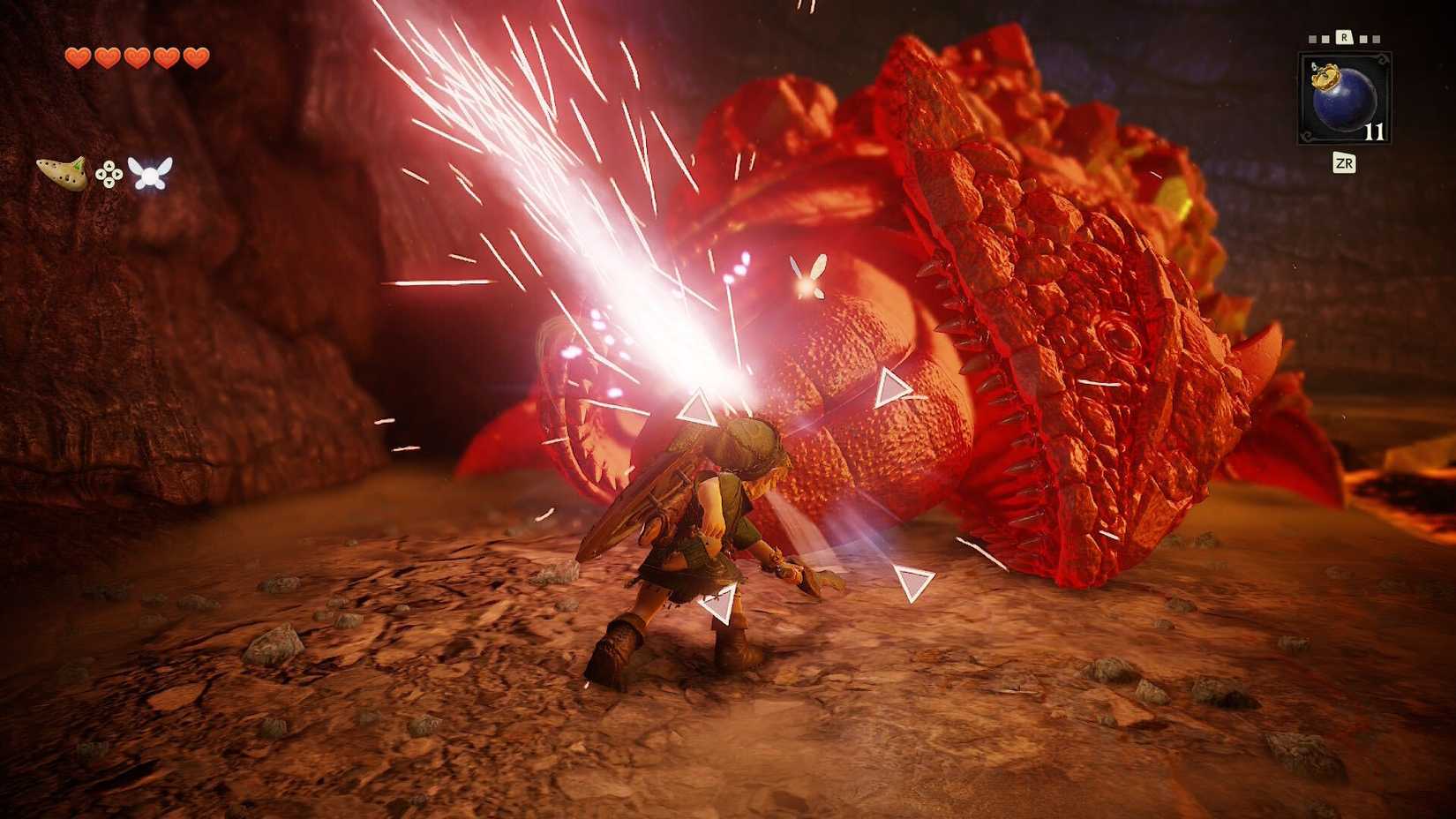
Once you adjust to its old-school rhythm, the system’s quiet sophistication becomes clear. Fights aren’t drawn-out contests between equally matched warriors. Link is a practiced swordsman who can defeat most enemies in just a few clean blows. Success comes from watching carefully, waiting for an opening, then striking at the right moment. His evasive moves—sidesteps and backflips—are just as important. A few encounters with Stalfos are enough to teach you their patterns and the timing needed to dodge, then counter.
In my review, I compared the experience to Punch-Out!!. The classic NES game remains compelling because each opponent has distinct tells, and winning means learning to recognize and respond to them. Every bout becomes a dance, with your opponent setting the rhythm and you learning the steps. Ocarina of Time works much the same way: it rewards careful timing and attention rather than frantic attacks.
Several battles put that rhythm to the test, particularly the late-game Iron Knuckles, whose heavy blows can punish a mistimed dodge. The most memorable challenge, though, is Dark Link in the Water Temple. For once, you face a swordsman who seems every bit as precise and capable as you—because he’s your shadow. Patience is essential. Swing recklessly, and Dark Link will make you pay, answering your mistakes with unnerving confidence. The encounter feels like a carefully choreographed fencing match. Once you understand its tempo, the rest of the game’s combat falls into place.
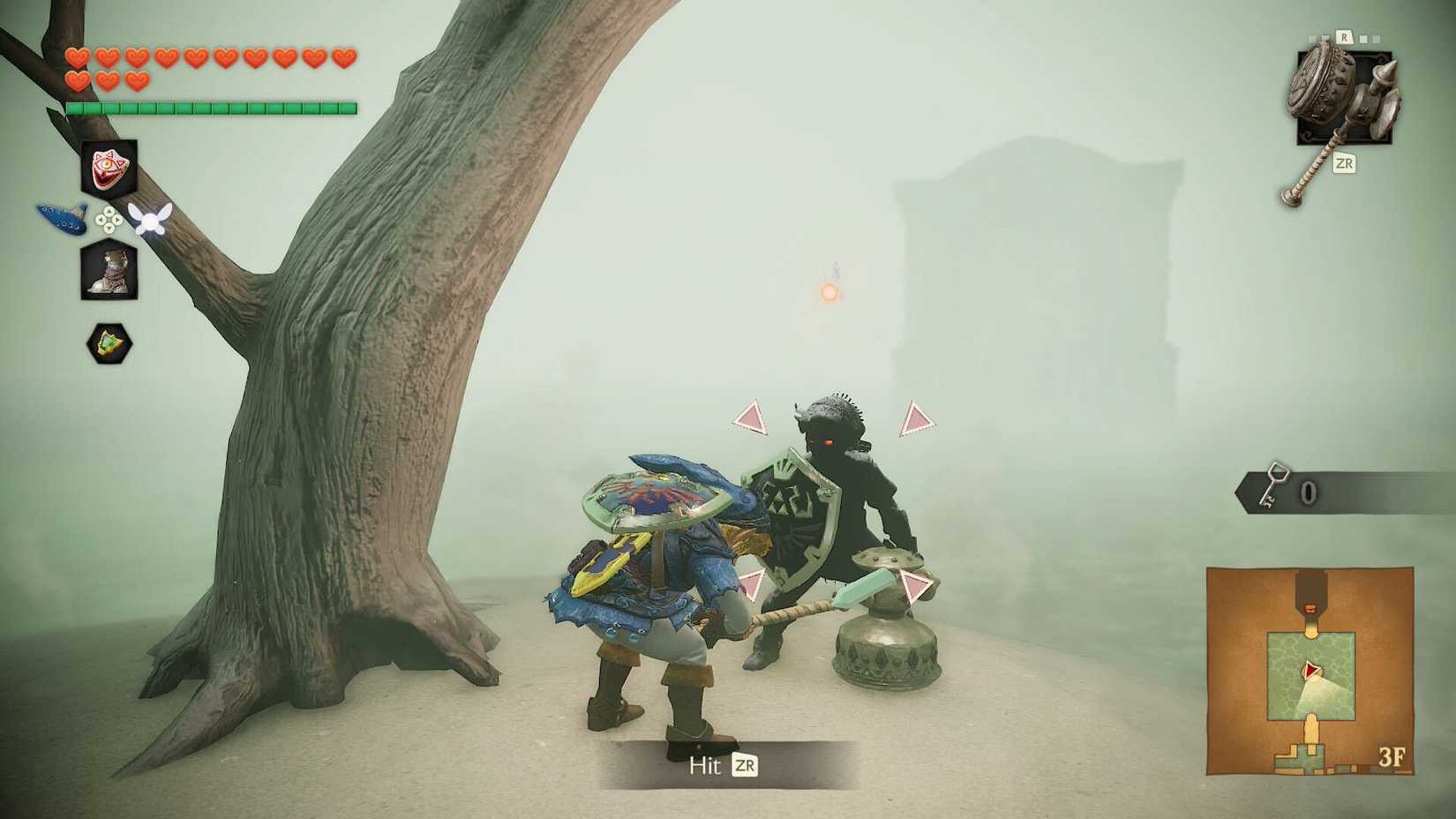
The combat may be simple, but Nintendo gives each sword strike a satisfying sense of force. A sharp thwack and a burst of colorful particles accompany every hit. Even Young Link’s attacks against weaker foes feel lively, as though the blade has split open a piñata. Those details make each successful blow feel meaningful instead of like another chip of damage against an enemy that can absorb endless punishment. That’s a contrast I noticed while playing Game Freak’s summer action game Beast of Reincarnation, where some bosses can feel as if they’re defeated by a thousand tiny cuts.
It may seem odd to describe a combat system shaped by 1998 as refreshing, but it stands apart in a landscape where so many action games feel built from the same ingredients. Players who want a wide range of combat options may find Ocarina of Time restrained, but its battles have a character all their own. The focused design suits Link, a swordsman who knows exactly when to act. When every strike has purpose, who needs a parry?
Related articles
 Battlefield 6 Fan Wins Lawsuit Against EA Over Allegedly Baseless Lifetime Ban, Urges Others to Do the Same
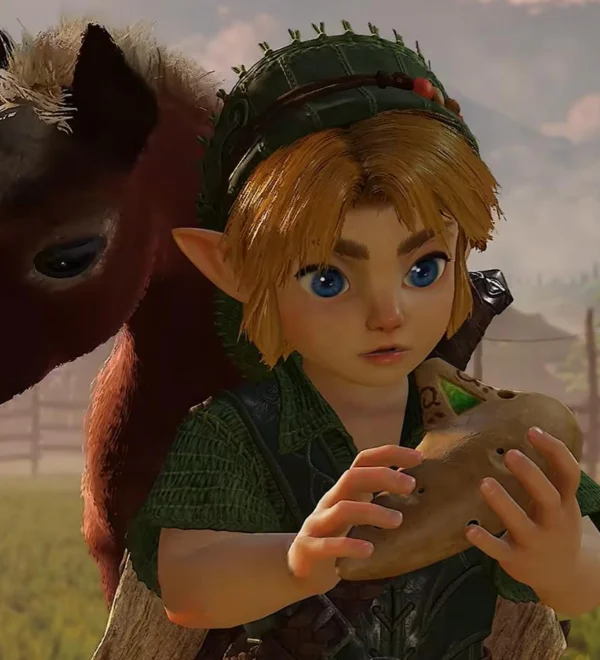 The Legend of Zelda: Ocarina of Time Remake Has UK’s Second-Biggest Zelda Launch, Ahead of Breath of the Wild
 Insider Discusses GTA VI End Credits Length: Could They Be Shorter Than Suicide Squad: Kill the Justice League’s?
 GTA VI Dataminer Shares Findings About GTA Online
 NVIDIA Launches Investigation Amid Reports of Jensen Huang’s Close Ties to Alleged Spy
 Microsoft Reveals Full List of 37 New Games Coming to Xbox This Week
 Christopher Nolan’s The Odyssey Sets Home Release Date
 PlayStation Cancels Fairgames, Live-Service Shooter From Jade Raymond’s Former Haven Studio