
The Game That Could Dethrone Forza Horizon
In the hierarchy of racing games, Forza Horizon currently trails only Mario Kart in mass appeal. However, within the realm of realistic driving titles—those set against the backdrop of the tangible world—it remains peerless. This dominance is underscored by the phenomenal trajectory of Forza Horizon 6, which has enjoyed a meteoric rise on Steam alongside its established stronghold on Xbox and Game Pass, all while maintaining anticipation for a future PlayStation 5 release.
It is remarkable to reflect on the series’ evolution since its 2012 inception. Originally positioned as a spin-off of the circuit-focused Forza Motorsport—a franchise designed to challenge Gran Turismo—it began as an ambitious underdog vying for market share against EA’s juggernaut, Need for Speed. Today, those rivals occupy its rearview mirror. While the venerable Gran Turismo 7 remains a powerhouse that continues to perform robustly, it is the Forza Horizon blueprint that currently defines the genre’s standard.
The secret to Forza Horizon’s longevity is no mystery: it masterfully balances technical sophistication with an accessible, fun-first philosophy. By marrying stunning open-world environments with a vast, expertly curated fleet of real-world vehicles, developer Playground Games—now bolstered by the expertise of Forza Motorsport veterans at Turn 10—has maintained a level of quality control so stringent that it recently achieved the rare milestone of four consecutive titles surpassing a 90-plus Metacritic score.
At this juncture, dislodging Forza Horizon seems like a fool’s errand. Yet, a challenge is inevitable, precisely because the series suffers from a singular, glaring limitation: it rarely pushes the envelope of innovation.
While Playground constantly refines its formula, the series has arguably seen only two transformative shifts: the introduction of true off-road free-roaming in Forza Horizon 2 and the transition to a “live-service-lite” model with the weekly seasonal playlists in Forza Horizon 4.
Familiarity can breed complacency. While Forza Horizon 6 is an exemplary title, it is undeniably a “known quantity.” I suspect its critical reception might have been more tempered had there not been such an extensive four-and-a-half-year hiatus since the last installment. I once believed Playground was simply adhering to the “if it ain’t broke, don’t fix it” mantra, but recent insights from the studio’s former leadership suggest that internal friction arose from a desire to evolve the series beyond its established boundaries.
Gavin Raeburn, a seasoned industry veteran who helmed Dirt, Grid, and F1 at Codemasters before co-founding Playground Games in 2009, eventually departed in 2022. Following Microsoft’s acquisition of Playground and the launch of Forza Horizon 5, Raeburn struck out to establish a new venture: Lighthouse Games. Situated just a stone’s throw from his previous workplace in Royal Leamington Spa, his new studio is positioned to challenge the status quo.

Reflecting on his departure in an interview with Forbes, Raeburn suggested that a primary driver for his exit was Xbox’s reluctance to embrace radical change. “I felt I’d gone as far as I could with Horizon,” he noted. “I wanted to push further, but I wasn’t able to implement the changes I envisioned at Xbox.”
Raeburn asserts that he possesses the blueprint for the “next generation” of driving games, promising a leap in quality comparable to the transition from Dirt 2 to the original Horizon. Backed by Tencent and staffed by a cohort of Playground and Codemasters alumni, Lighthouse Games is clearly aiming high.
Raeburn argues that it isn’t just corporate caution holding these franchises back, but an inherent resistance to change within studios. He points to the dangers of success, noting how institutions can fall into a trap of complacency: “You build a studio, your tech, and your culture for a specific time. But over the years, things settle into concrete, and the innovation stagnates.”
While Raeburn remains tight-lipped regarding his specific designs for the future, he is clearly confident that his former colleagues have missed the mark. He suggests that established players, including his old team at Playground and Ivory Tower (the studio behind Ubisoft’s The Crew), are currently vulnerable to the “mistakes” that Lighthouse is specifically engineering its tech to avoid.
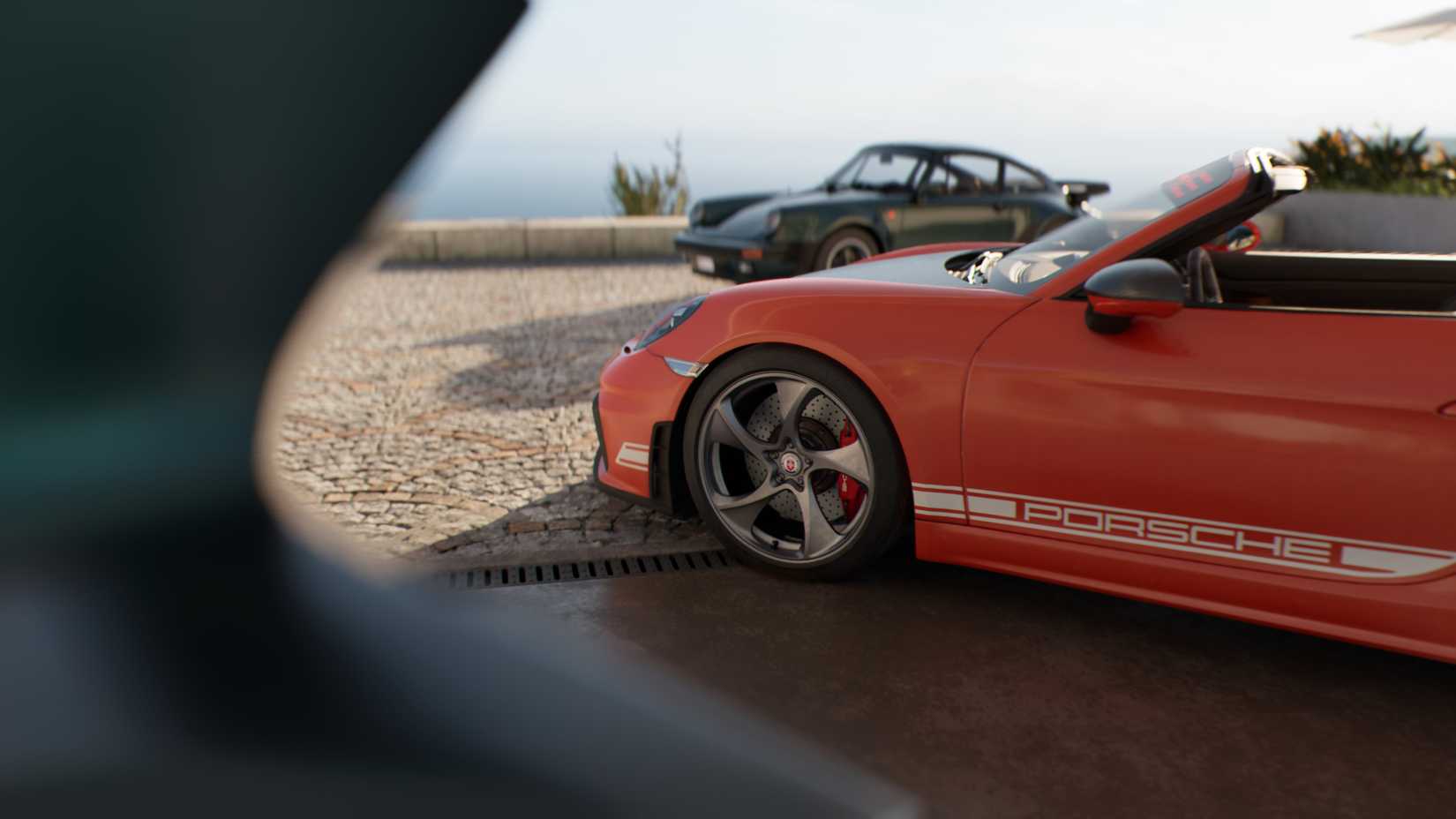
Lighthouse isn’t the only newcomer attempting to disrupt the Forza hegemony. Maverick Games, established by former Forza Horizon 5 creative director Mike Brown, is also based nearby in Warwick. They are currently preparing to reveal an open-world project that reportedly leans heavily into narrative-driven gameplay—a bold, high-risk strategy that has historically been a graveyard for many racing titles. Meanwhile, Ivory Tower continues to refine The Crew, a series that has long served as a vital alternative for those seeking an escape from the Forza ecosystem.
However, if there is a true “Forza killer” on the horizon, it is likely being built just a ten-minute walk from Playground’s headquarters at Lighthouse. Raeburn has a proven track record of identifying the future of the genre; I wouldn’t bet against him doing it again.
Source: Polygon
Related articles
 Rumor: Xbox Project Helix to run games at up to 240 FPS
 Dynasty Warriors Producer No Longer Interested in Remasters
 Micron Warns of RAM Shortage and High Prices Through 2028
 The Witcher 3 Reaches Record Player Count as Game Director Promises Surprises
 Sony Replaces Hunt: Showdown 1896 with Low-Rated Game for PS Plus in Japan
 Cosplayer portrays Yennefer from The Witcher 3
 11 Essential White Cards Every Magic: The Gathering Player Should Know
 Gears of War: E-Day Features Dynamic City Destruction Throughout Campaign