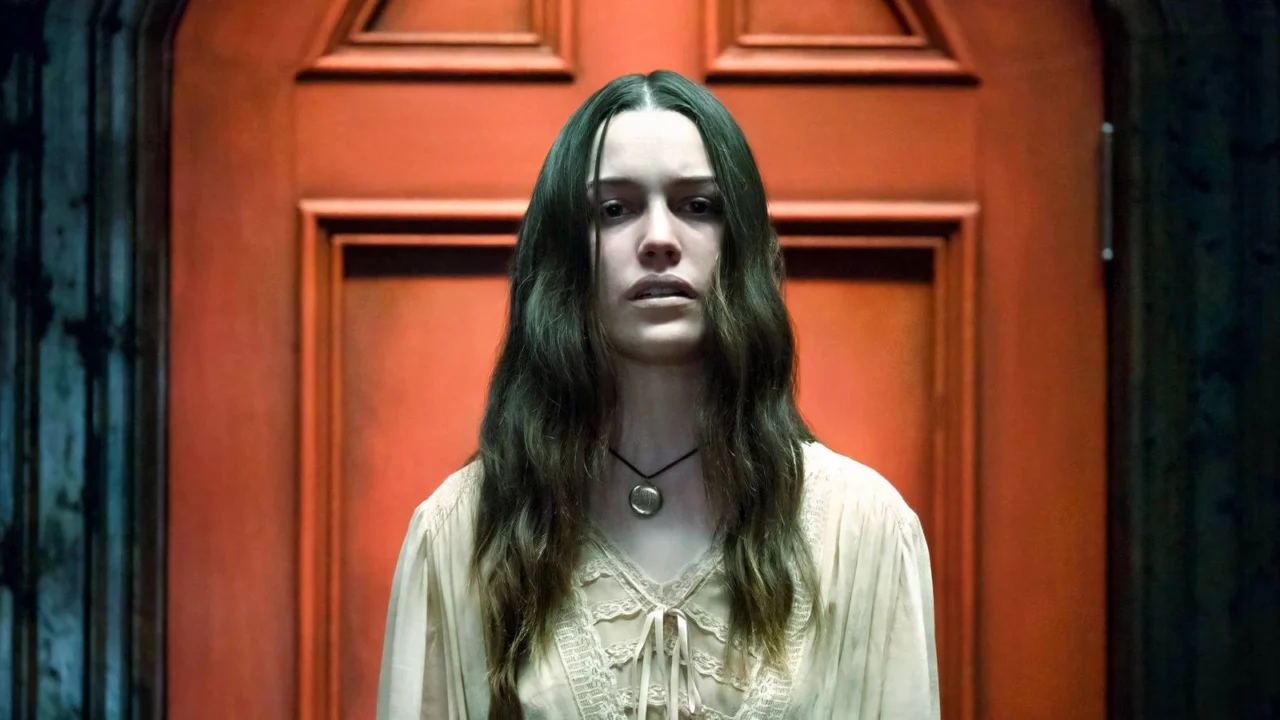
The Best Haunted House Story on Netflix Is the Perfect Weekend Binge

What does it truly mean to be haunted? In horror cinema, we are conditioned to associate hauntings with desolate mansions or decaying estates teeming with vengeful spirits and dark histories. From the snow-blind isolation of The Shining to the spectral dread of The Others, these tales often blur the lines between physical terrors and psychological unraveling. Yet, the most devastating hauntings are those that bridge generations, using the gravity of past trauma as a wedge to drive families into ruin.
Shirley Jackson’s 1959 gothic masterpiece, The Haunting of Hill House, has been adapted countless times, but its core remains unchanged: the house itself is a character. Jackson masterfully links protagonist Eleanor Vance’s internal instability with the mansion’s disorienting, claustrophobic geometry. Whether the entities lurking within Hill House are literal specters or manifestations of a fractured psyche, the architecture itself acts as a sentient predator, hungrily pulling its residents into its labyrinthine secrets.
Mike Flanagan’s Netflix reimagining stays faithful to the book’s atmospheric dread, yet he pivots the narrative to center on the Crain family. By reframing the haunting through the lens of generational grief, he crafts a profoundly moving, binge-worthy tragedy that resonates long after the credits roll.
The 10-episode miniseries follows parents Hugh and Olivia Crain as they attempt to renovate Hill House in 1992. As the structure begins to feed on their collective fears, the children are scarred by experiences that redefine their adulthood 26 years later. Flanagan masterfully weaves these two timelines together, showcasing how the childhood terror inflicted by the manor has dictated the adult siblings’ disparate worldviews. It is a haunting exploration of how we are inextricably bound to the past, especially the moments we are most desperate to bury.
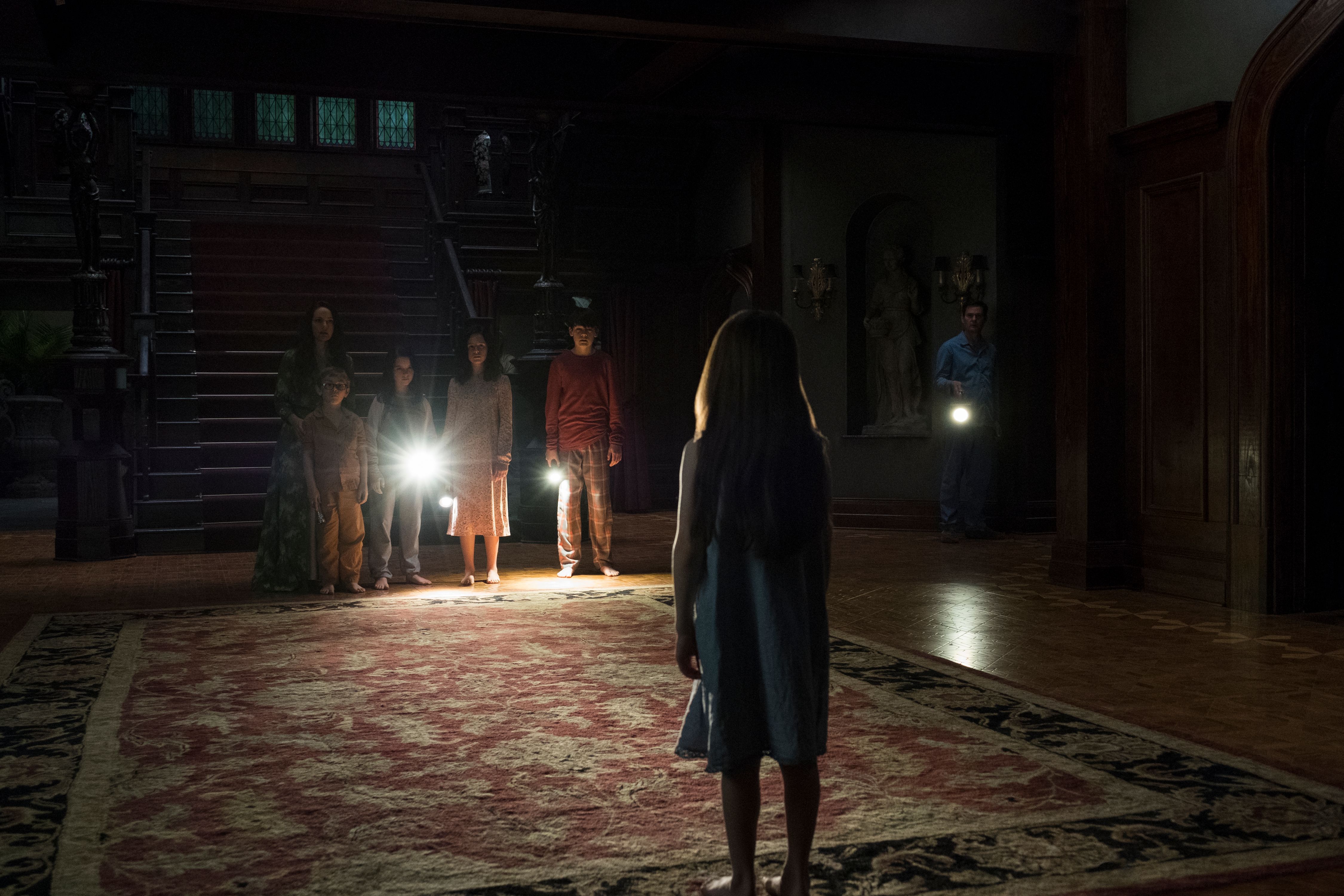
Image: Netflix
Flanagan’s fascination with grief as a conduit for horror extends beyond Hill House. In The Haunting of Bly Manor, the horror is rooted in the guilt of letting go, while in The Midnight Club, the terminal illness of the protagonists serves as the catalyst for storytelling as a coping mechanism. However, Hill House remains his most nuanced achievement. It forces its characters to reckon with their emotional defenses—from Nell’s paralyzing nostalgia to Steven’s cold, cynical detachment—with a thematic precision that few horror series manage to capture.
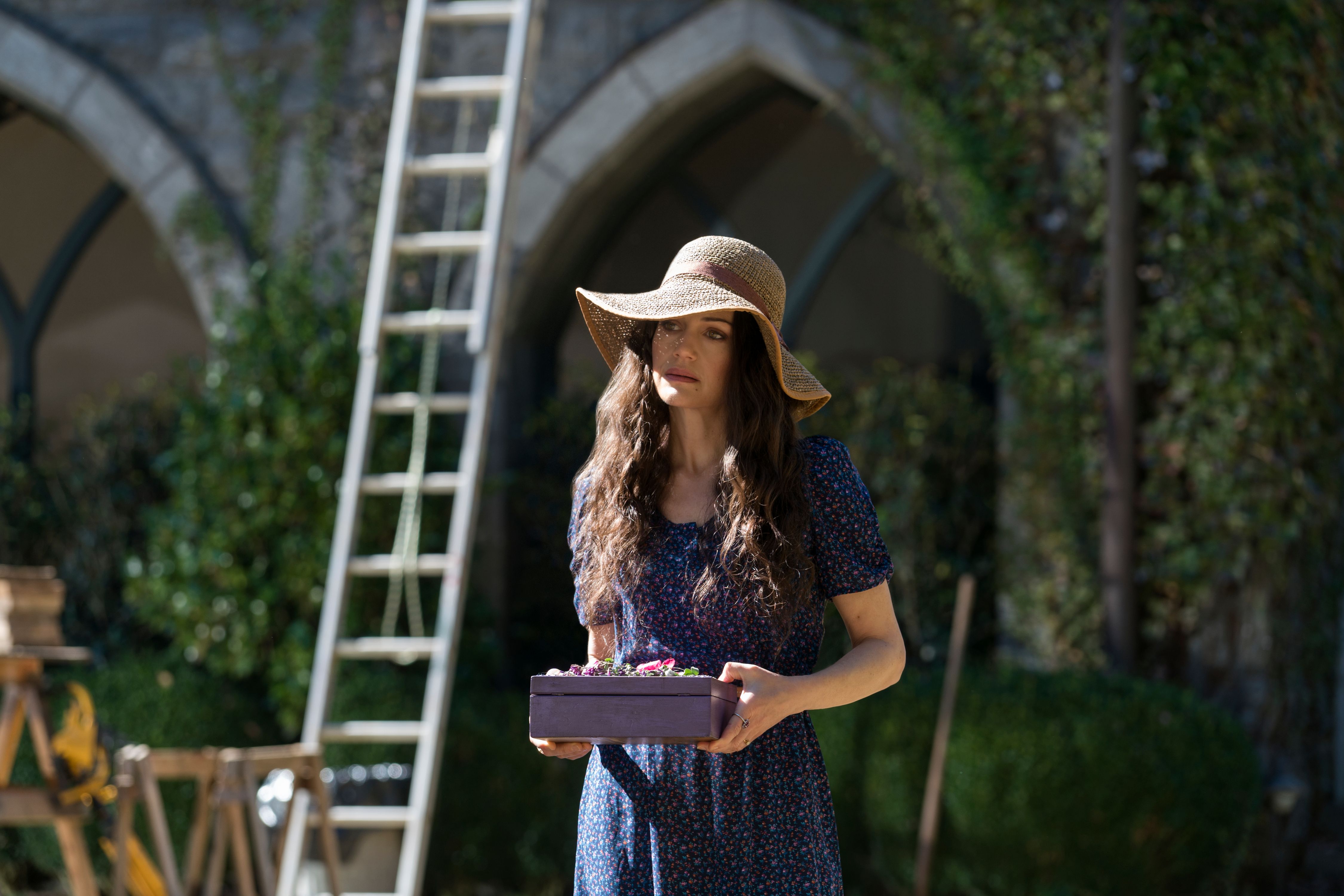
Image: Netflix
This is a haunted house story that largely eschews cheap jump scares in favor of building a thick, suffocating tension. Flanagan is more interested in the disintegration of family bonds than in simple monster-under-the-bed scares. He shows us that grief is rarely graceful; it manifests as blame, isolation, and, ultimately, a desperate, shared need for catharsis.
While The Haunting of Hill House is peppered with chilling apparitions, the true horror lies in the subtle symbolism and mirrored emotional beats between the two timelines. By treating pain as an abstract, unquantifiable force, Flanagan elevates the source material, reminding us that the most persistent hauntings aren’t found in the halls of old mansions, but in the echoes of our own memories.
The Haunting of Hill House is currently streaming on Netflix.
Source: Polygon
Related articles
 Police in GTA VI Will Remember Criminals and Make Escapes Difficult
 Sony Releases New Artwork for Marvel’s Wolverine Featuring PlayStation Characters
 Microsoft Denies Rumors of Major Xbox Game Pass Changes
 11 Posters Released for Season 3 of The Apothecary Diaries
 HBO Chief Discusses Release Schedule for New Harry Potter Seasons
 Street Fighter Movie to Release in Theaters in One Month
 10 BG3 Characters Fans Still Want as Companions
 Sony Unveils PlayStation Pulse and Pulse Edge Headphones, One Launching in 2026