Ridley Scott’s Failed Dune Adaptation Paved the Way for Blade Runner
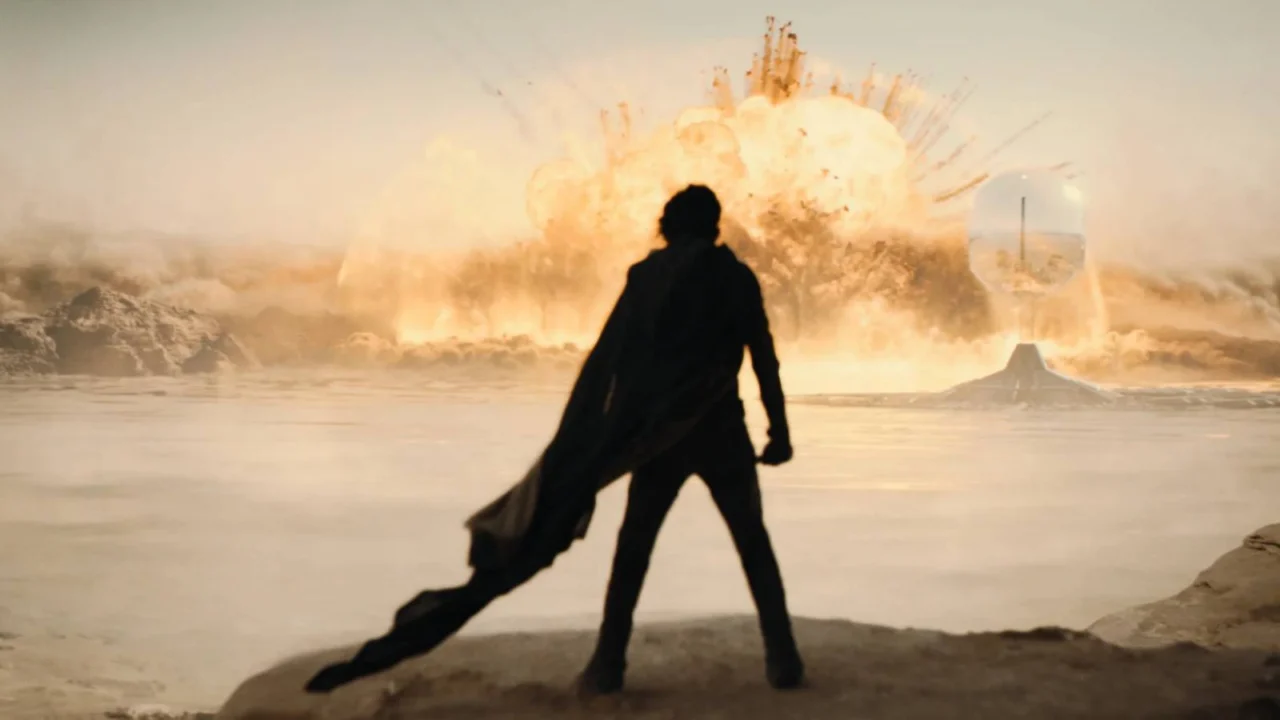
Denis Villeneuve’s Dune: Part 3 is set for release on Dec. 16, following his acclaimed adaptations of Frank Herbert’s space opera. Although David Lynch’s surreal Dune from 1984 has its defenders, Villeneuve’s films have been more successful with critics and audiences. They make significant changes to Herbert’s story while remaining largely faithful to its characters and themes.
Villeneuve adapted Herbert’s 1965 novel across Dune: Part 1 and 2. Dune: Part 3 draws on the author’s second book, Dune: Messiah. But before Lynch began work on his film in 1981, another sci-fi director had tried to bring the novel to the screen: Ridley Scott.
Scott wasn’t the first director to abandon a Dune adaptation
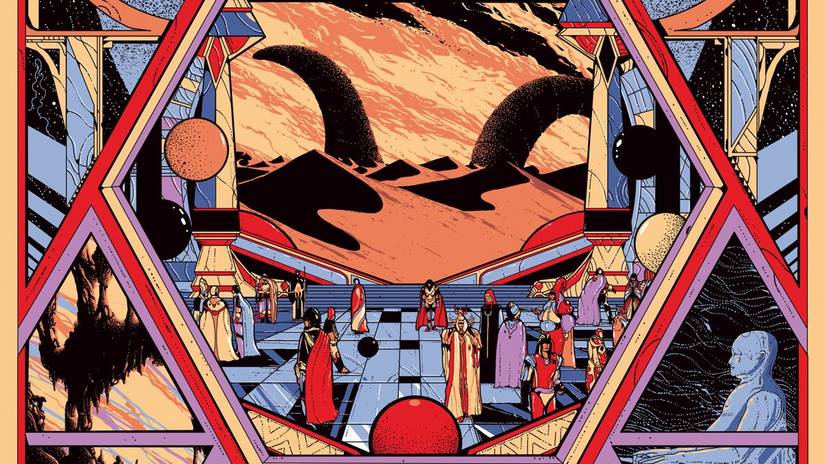
Herbert’s novel quickly attracted Hollywood’s attention. Producer Arthur P. Jacobs optioned the rights in 1972, but he died the following year. In 1974, French producer Jean-Paul Gibon began another attempt and hired avant-garde filmmaker Alejandro Jodorowsky to direct.
Jodorowsky’s interest in mysticism and surreal imagery, evident in films such as The Holy Mountain and El Topo, suited some aspects of Dune. He planned to cast his 12-year-old son as Paul Atreides and offered artist Salvador Dalí $100,000 an hour to play the Padishah Emperor.
Budget constraints brought Jodorowsky’s adaptation to an end. Frank Pavich later explored the effort in his 2013 documentary Jodorowsky’s Dune.
Dune could have reunited Scott and H.R. Giger
Scott made his directorial debut with the 1977 Napoleonic drama The Duelists, which won a Best Debut Film award at the Cannes Film Festival. The release of Star Wars that year inspired him to turn toward sci-fi. He signed on to direct Alien, based on a script by Dan O’Bannon.
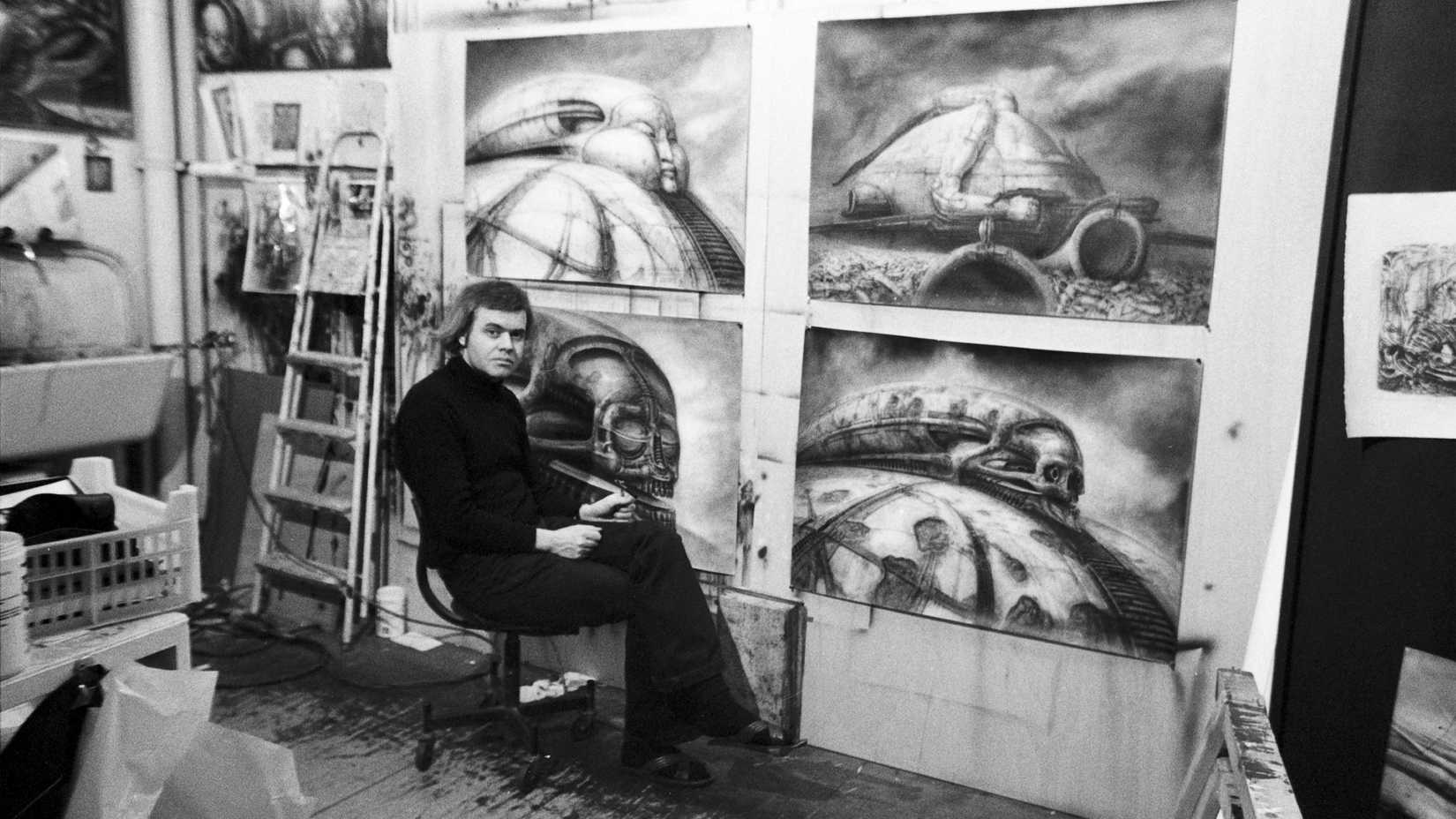
O’Bannon introduced Scott to Swiss artist H.R. Giger, whom the director recruited to design the film’s environments and creatures. Giger had already created designs for House Harkonnen sets for Jodorowsky’s Dune, and he produced concept art for Scott’s version as well. His Harkonnen castle featured many skulls, while his segmented, phallic sandworm resembled a relative of the Xenomorph.
Frank Herbert and Ridley Scott clashed over the script
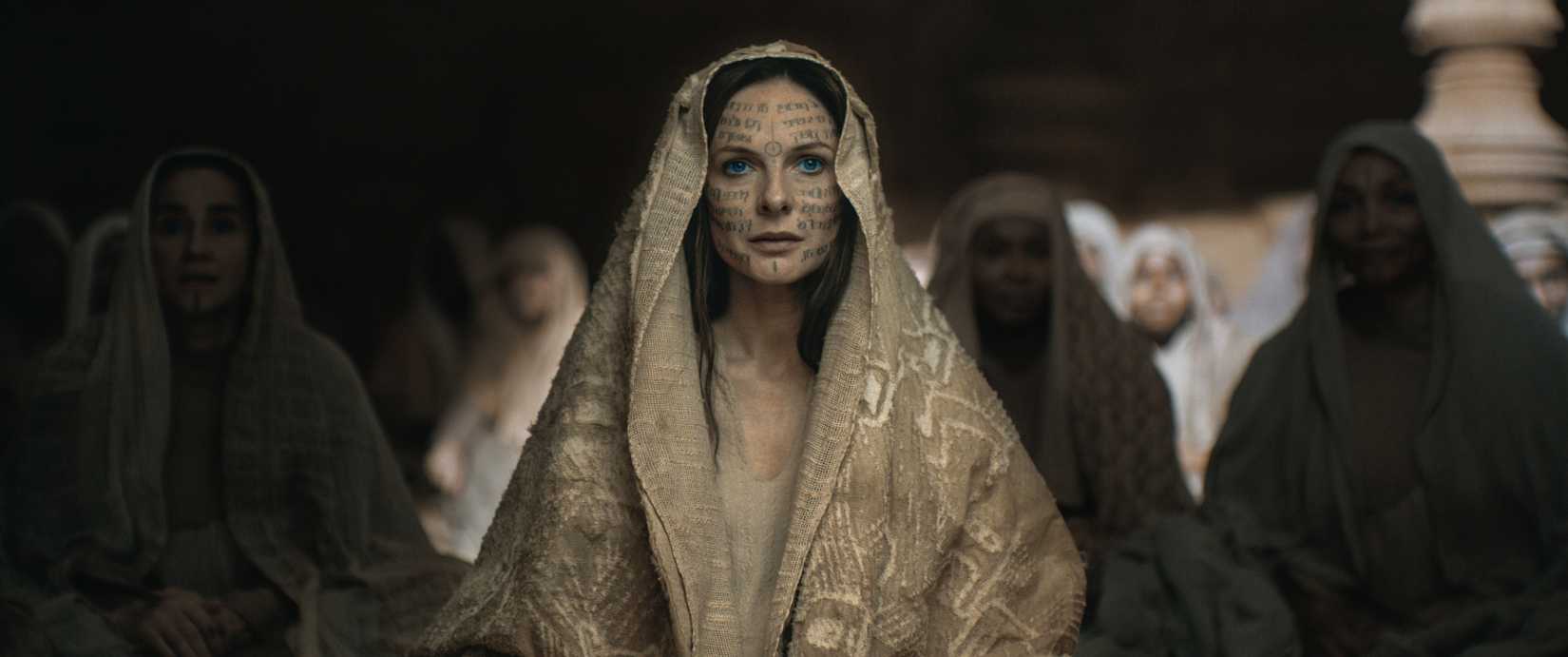
Italian-American producer Dino De Laurentiis acquired the film rights in 1976, after Jodorowsky’s adaptation fell apart, and recruited Scott to work on Dune. De Laurentiis hired Herbert to write an adaptation of his own novel. Like Villeneuve, Herbert split the story into two films, but his faithful script was long and had little action.
Scott wanted to keep only about seven scenes from Herbert’s screenplay. He approached Harlan Ellison, who had won acclaim for his 1967 Star Trek episode “The City on the Edge of Forever,” but Ellison declined. Scott then hired novelist Rudolph Wurlitzer to co-write a new screenplay.
Herbert disliked the result, particularly an early version’s addition of an incestuous relationship between Paul and his mother, Jessica. He also thought the script oversimplified the novel. It cut House Atreides war master Gurney Halleck and largely combined him with swordmaster Duncan Idaho. It also merged Jamis’ wife Harah with Chani, after Paul kills Jamis in a duel.
A different vision of Arrakeen
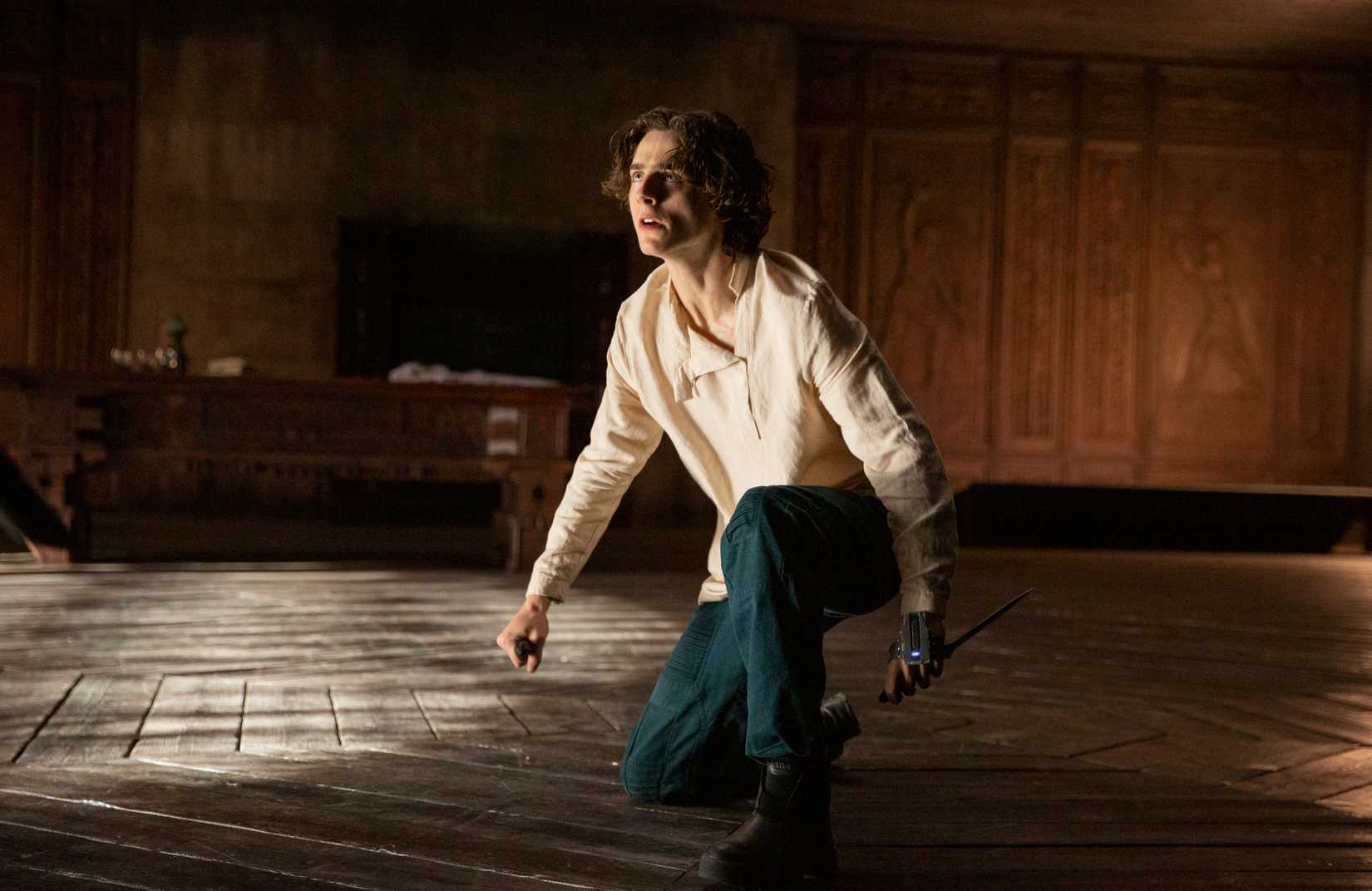
Scott envisioned Arrakeen on Arrakis as a medieval-style fortress surrounded by a squalid city where people begged for water. In Scott and Wurlitzer’s script, Paul and Duncan chase Harkonnen agents through the city before becoming involved in a barroom brawl with Fremen leader Stilgar.
The screenplay also featured multiple people with three breasts. A similar idea later appeared in Paul Verhoeven’s 1990 film Total Recall.
Tragedy and budget concerns led Scott to leave
De Laurentiis and Universal Pictures estimated that Scott’s Dune would cost $50 million, nearly $300 million in inflation-adjusted terms at the time of the article. De Laurentiis thought the budget could work but wanted to save money by filming at a studio in Mexico City. Scott was unimpressed with the facilities. By comparison, Villeneuve’s first Dune film cost $165 million.
Scott was also reluctant to commit to a production expected to last two and a half years after his older brother Frank died of skin cancer in 1980 at age 44. Scott left, and De Laurentiis hired Lynch to write and direct the film in 1981. Lynch’s adaptation cost about $41 million and grossed $30.9 million.
Scott instead turned to another sci-fi novel, Philip K. Dick’s 1968 book Do Androids Dream of Electric Sheep. His adaptation, Blade Runner, became a widely acclaimed film that helped establish the cyberpunk genre. It also inspired Villeneuve’s 2017 sequel Blade Runner 2049 and the upcoming series Blade Runner 2099.
Source: Polygon
Related articles
 NVIDIA Launches Investigation Amid Reports of Jensen Huang’s Close Ties to Alleged Spy
 Microsoft Reveals Full List of 37 New Games Coming to Xbox This Week
 PlayStation Cancels Fairgames, Live-Service Shooter From Jade Raymond’s Former Haven Studio
 Former PlayStation Boss Urges Sony to Abandon Tech Race for a $300 PS6
 Minecraft Is Back Among Japan’s Top Sellers, Outselling Dozens of New Releases
 4 Upcoming Fantasy RPGs Better Than Waiting for the Next Dragon Age
 Epic Games Plans to Bring Its Launcher to SteamOS and Other Platforms
 How to Get the Sinking Lure in The Legend of Zelda: Ocarina of Time