
ORANGE RANGE on the Reiwa Resurgence of 2007’s “Ikenai Taiyo” and Return to Sony Music Records for a Summery Project: Interview
ORANGE RANGE on Viral Moments, a Return to Sony and the Road to Their 25th Anniversary
Interview by Takuto Ueda — Billboard Japan

In a new feature for Billboard Japan, ORANGE RANGE — the five-piece group from Okinawa — reflect on a surprising resurgence in popularity as they approach their 25th anniversary. The band has been releasing both refreshed versions of familiar material and new singles, riding a wave of renewed attention across platforms and age groups.
On July 2 the band released a new music video for their signature song “Ikenai Taiyo” — a playful timing that nods to the Japanese numeric pun “7/2,” which evokes summer. The updated Reiwa-version clip centers on comedy duo Mayurika and packs 72 nostalgic references to early-2000s pop culture from Japan’s Heisei era. That throwback approach resonated strongly with listeners who grew up in the aughts, helping the video top Billboard Japan’s video views chart for two consecutive weeks and remain prominent thereafter.
At the same time, older tracks have found fresh life on social media: the 2008 cut “Oshare Bancho feat. Soy Sauce” has become a viral dance pick on TikTok, with influencers, idols and celebrities posting choreographed clips. The band’s renewed mainstream visibility is the result of several factors — enduringly catchy songs, a deliberate promotional push and Sony Music’s strategic coordination since ORANGE RANGE re-signed with the label.
After launching their own imprint, SUPER((ECHO))LABEL, in July 2010 and operating independently in recent years, ORANGE RANGE returned to Sony Music Records in May. Their first CD single with the label in roughly 12 years — “Maji de sekai kaechau 5 byou mae” — arrived soon after. The group is also promoting a Natsui Natsu★Project (roughly “Summery Summer Project”), leaning into upbeat, party-ready tracks including the new single “Hadashi no ceccoli” as they hype Reiwa 7 (2025).
On the revival of “Ikenai Taiyo”
“Ikenai Taiyo” from 2007 became one of your signature songs after featuring as the theme for the TV drama Hana-Kimi. How do you feel about its comeback in summer 2025?
RYO: Reading comments on YouTube and THE FIRST TAKE made it clear that many listeners are now in their 30s. Seeing that made me realize how deeply our music stuck with people. When younger fans read those comments, they understand who was listening to us back then — that kind of multigenerational recognition is a modern phenomenon and really touching.
NAOTO: I had a funny experience: a high-school relative messaged me on LINE saying they didn’t realize “Oshare Bancho feat. Soy Sauce” was ours. It was unexpected but delightful. [Laughs]
YAMATO: I’m grateful. We haven’t drastically changed our approach — we’re just riding this momentum. Going viral has been a novel experience, but we plan to keep doing what feels true to us.
HIROKI: There was a strategy behind our moves, so it wasn’t purely accidental. Still, the scale surprised us. We’ve earned this attention by continuing to work and by the strength of the songs themselves. Renewed interest gives us a better platform for future releases, which is exciting.
On rejoining Sony Music Records
You left gr8!records and then re-signed with Sony Music Records in May. Was that a calculated decision?
YOH: Think of the band like a robot: it grew larger and more complex as we gained exposure. Leaving to return to indie life allowed us to reconnect with people and reset creatively. The decision to re-engage with a major label wasn’t sudden — it’s been in our minds for some time. Returning to Sony felt like putting powerful tools back into our hands as we prepare for the next phase, including our 25th anniversary.
RYO: Leaving the major scene left us divided at times, but it taught us a lot. Now we understand one another’s strengths and weaknesses better. If we keep sharpening our skills, I think we’ll be unstoppable by the time big milestones roll around.
On performing for THE FIRST TAKE
You released THE FIRST TAKE versions of “Ikenai Taiyo” (July 18) and “Hana” (July 30). How did those sessions feel?
RYO: I was nervous.
YAMATO: I may have appeared tense because I’ve recently become more deliberate and thoughtful in performance. I’ve started analyzing things more and putting more pressure on myself, which probably showed.
NAOTO: That same younger relative messaged again to say they’d watched THE FIRST TAKE — it’s great to see younger listeners connecting with us.
YAMATO: One practical takeaway was noticing parts we sing on recordings but typically omit live. We discussed whether to mirror the record more closely in certain places — ideas we might incorporate into future shows.
On the Reiwa-version video and new material
How did the “Ikenai Taiyo (Reiwa ver.)” video come together?
HIROKI: The idea took shape months earlier. The team proposed several directions and many small decisions coalesced into the final concept. I’m curious how much was mapped out in advance.
SMR Staff: The Sony Music Records team was genuinely thrilled to work with ORANGE RANGE again. That enthusiasm fueled many of the creative choices. We wanted to revisit the band’s past material in a way that respected its legacy while opening the door for new music.
Staff (continued): We believed that polishing and reintroducing older songs would create momentum for the band’s new output — a gateway to fresh work. That was our guiding thought.
Tell us about the single “Hadashi no ceccoli.” What was the inspiration?
NAOTO: The label asked for an “old-school ORANGE RANGE summer bop.” It wasn’t an idea we would have pursued on our own, but we embraced it as an homage to our earlier sound. The process ended up feeling invigorating and proved that revisiting familiar elements can yield something new.
HIROKI: Lately we’ve been trusting our own instincts when writing. For this track we intentionally took on outside suggestions and experimented with vocal arrangements and slightly cheesy lyrical touches — a deliberate wink to our past while still having fun.
Looking ahead
What are your ambitions moving forward?
HIROKI: We also released “Hana” on THE FIRST TAKE, and I’ve joked that if someone searches for the girl group HANA, maybe they’ll stumble upon our “Hana” and click through. [Laughs]
YAMATO: Search results do overlap, so stranger things can happen.
HIROKI: If that helps us reach more listeners, I’ll take it. We’re focused on making music that resonates and building momentum toward our anniversary year.
This interview by Takuto Ueda first appeared on Billboard Japan.
Related articles
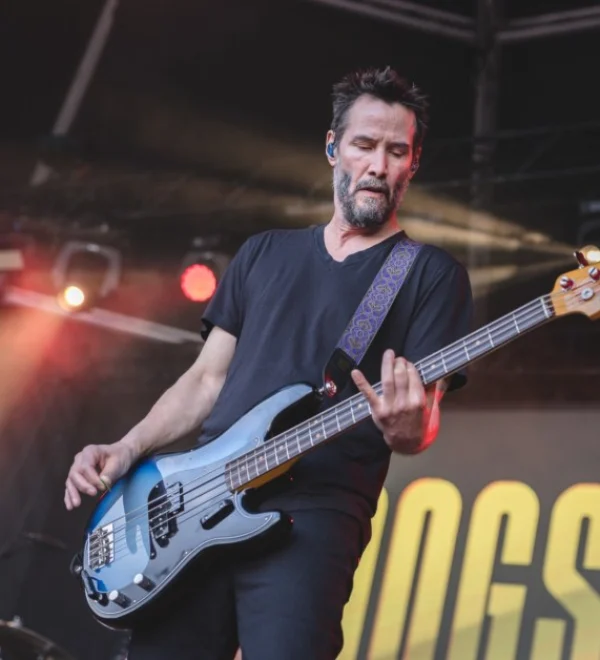 Peter Hook Dedicates ‘Love Will Tear Us Apart’ to Keanu Reeves at Show
 Ardalan, Life On Planets, and Industry Executives to Participate in Dance World Soccer Tournament Copa Del Rave
 Ella Langley, Fuerza Regida, and Post Malone Feature on the Southwest Sweat Playlist
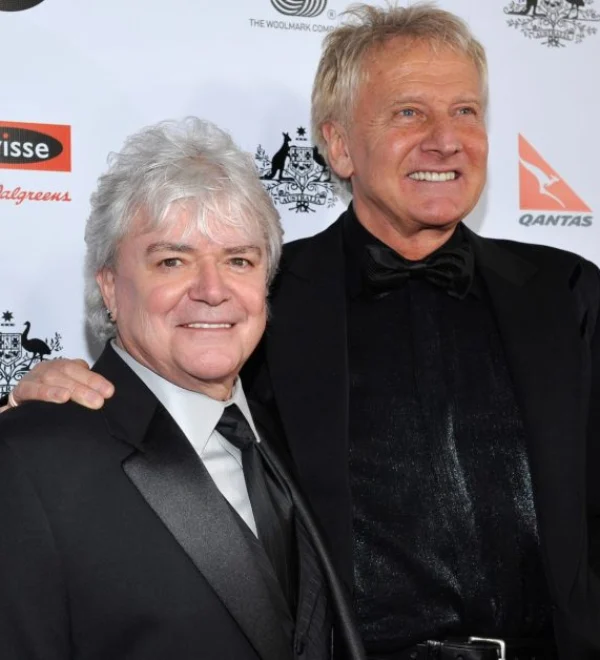 Air Supply to Receive Star on Hollywood Walk of Fame
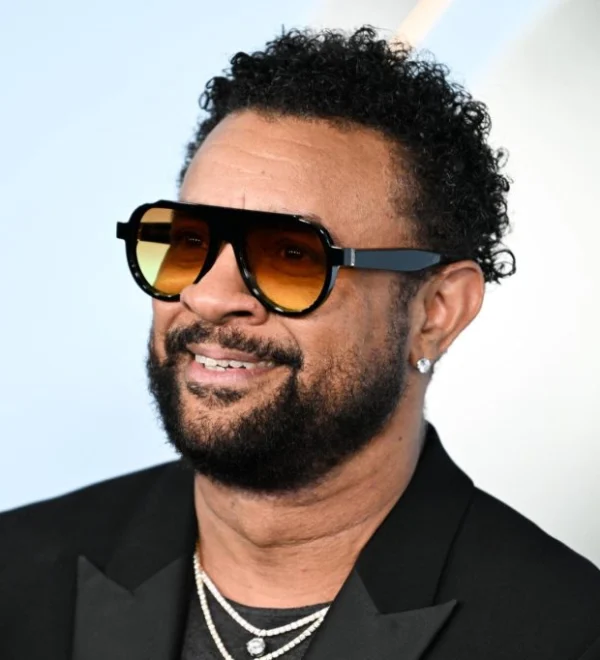 Vybz Kartel Addresses Shaggy Amid King of Dancehall Debate
 BOYNEXTDOOR Releases In the Present Tense
 Trinidadian Calypso Legend Mighty Sparrow Dies at 91
 Benny Blanco and Selena Gomez Celebrate Wedding Anniversary With Year-Old Cake Despite Martin Short’s Taste Test