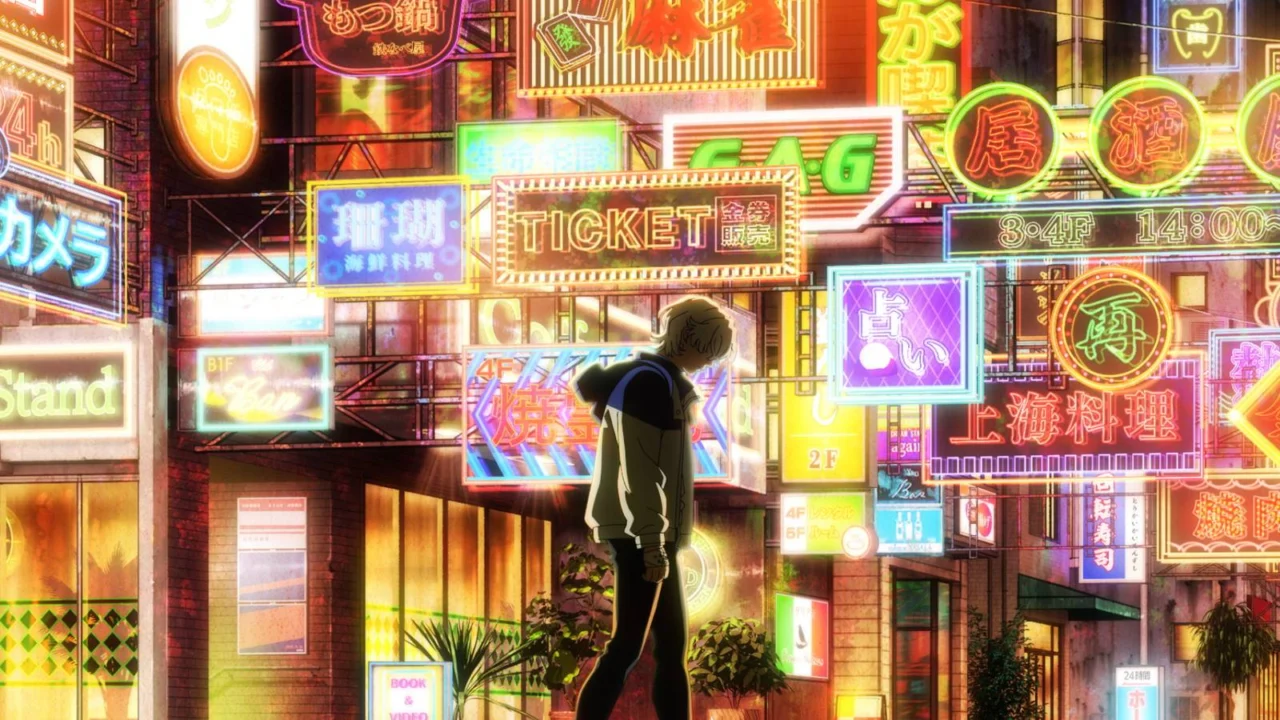
Netflix’s Fool Night Is a 12-Episode Sci-Fi Mystery
Some of my favorite science fiction stories, from Gattaca to The Leftovers, take an apparently impossible premise and explore how it changes everyday life. Netflix’s anime Fool Night follows that tradition.
A collaboration between anime studios Sunrise and Shaft, Fool Night imagines a future where the sun has long disappeared and volunteers are turned into plants to produce oxygen. Its bleak world gains a striking visual identity from the contrast between decaying human bodies and budding flora.
Netflix provided the first three of the series’ 12 episodes for review, and I’m hooked. The characters, unsettling world-building, and melancholy atmosphere make Fool Night one of the most promising new shows of fall.
A bleak world and unsettling beauty
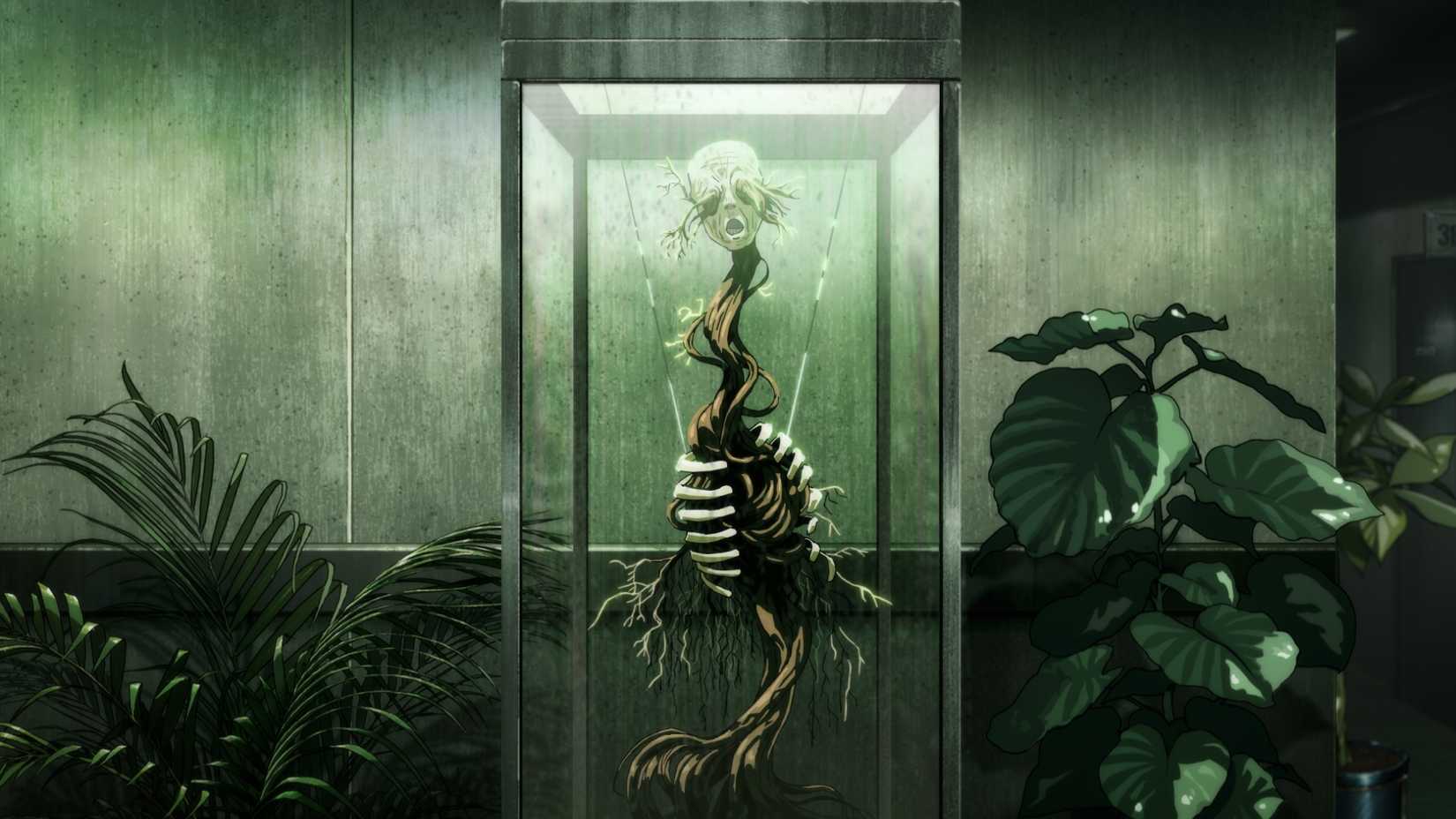
Based on the manga by Kasumi Yasuda and directed by Atsuyuki Yukawa, Fool Night tells an intimate story against the backdrop of an environmental catastrophe. Yukawa takes time to introduce the main characters and show how unexpected circumstances bring their lives together. The measured opening gives the people at the center of the sunless world room to emerge.
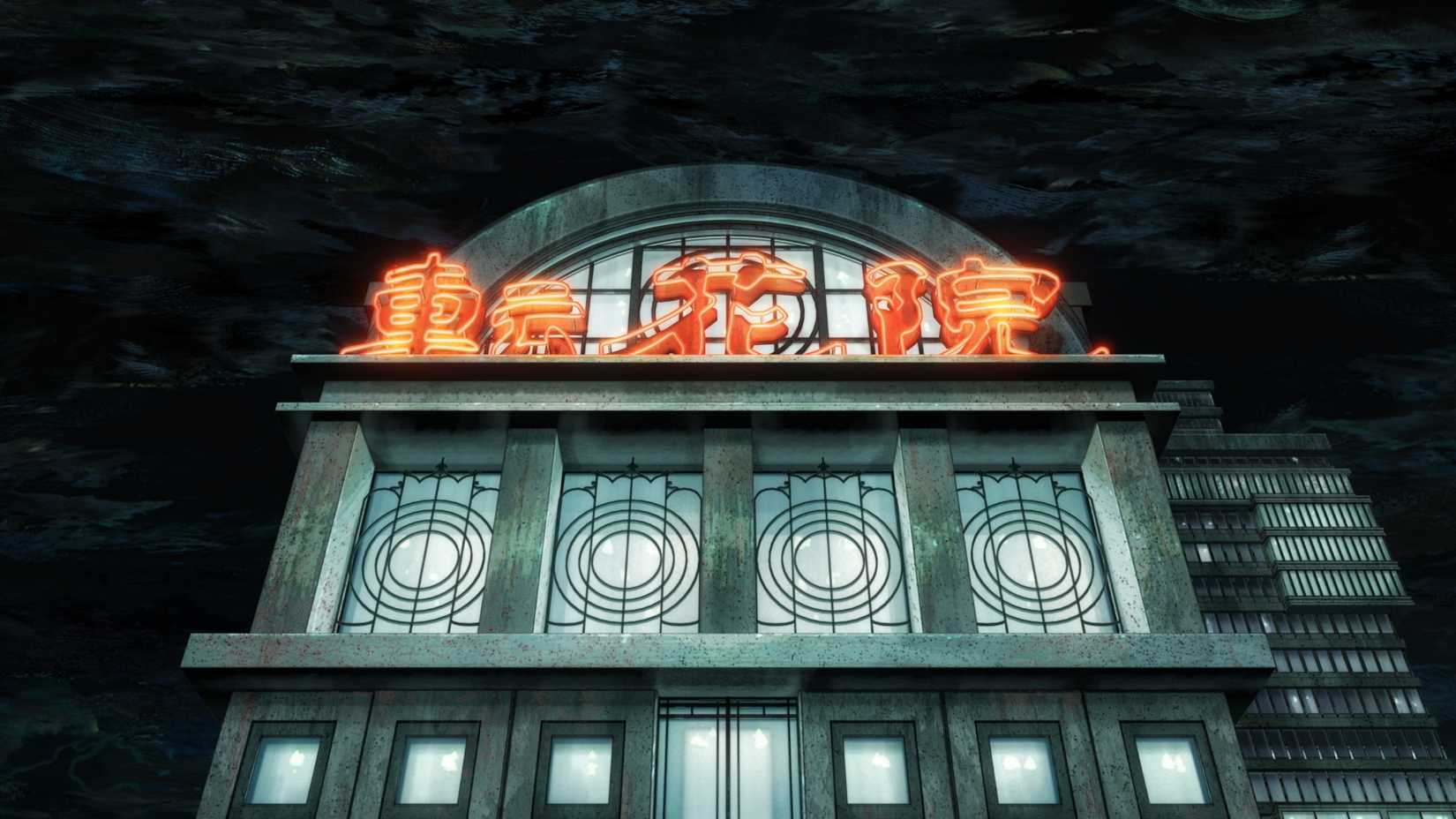
With oxygen growing scarce and most plant life dying, humanity has adopted a process called transfloration. Terminally ill volunteers receive 10 million yen to have a seed implanted in their bodies. Over two years, the seed grows until the person becomes a “spiritflor,” a sprout that helps replenish the oxygen humans need.
Spiritflor appear throughout the series, on streets, in abandoned alleys, and in apartment stairwells and corridors. Some have an eerie beauty, with foliage growing from what remains of their bodies. Others are barely recognizable beneath the vegetation. More disturbing still, they are alive.
The opening sequence shows how accustomed people have become to that sight. Outside a guitar store, a young Toshio Kamiya tells his friend Yomiko Horai that he will be a musician one day. Yomiko tries to temper his hopes, but Toshio is delighted by the thought. As they walk down an alley, he makes guitar noises and pretends to play while spiritflor bodies line the fences around them.
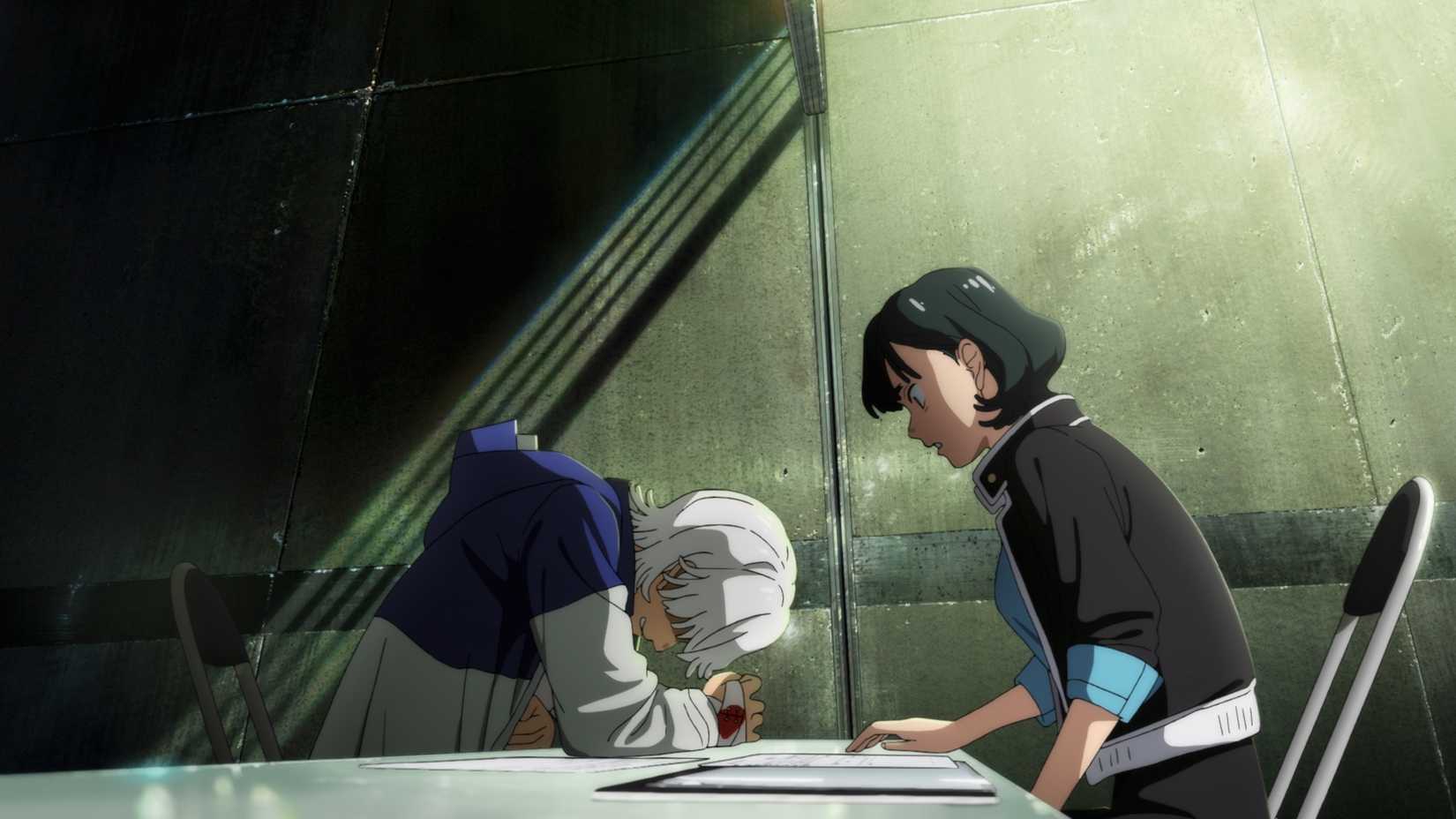
The children pay little attention to the bodies. They have grown up in a world where scenes like that are ordinary, and the contrast introduces the series’ premise without a lengthy explanation.
Two sides of a dying world
As adults, Toshio and Yomiko reunite after years apart. Their different positions reveal the class divide behind transfloration.
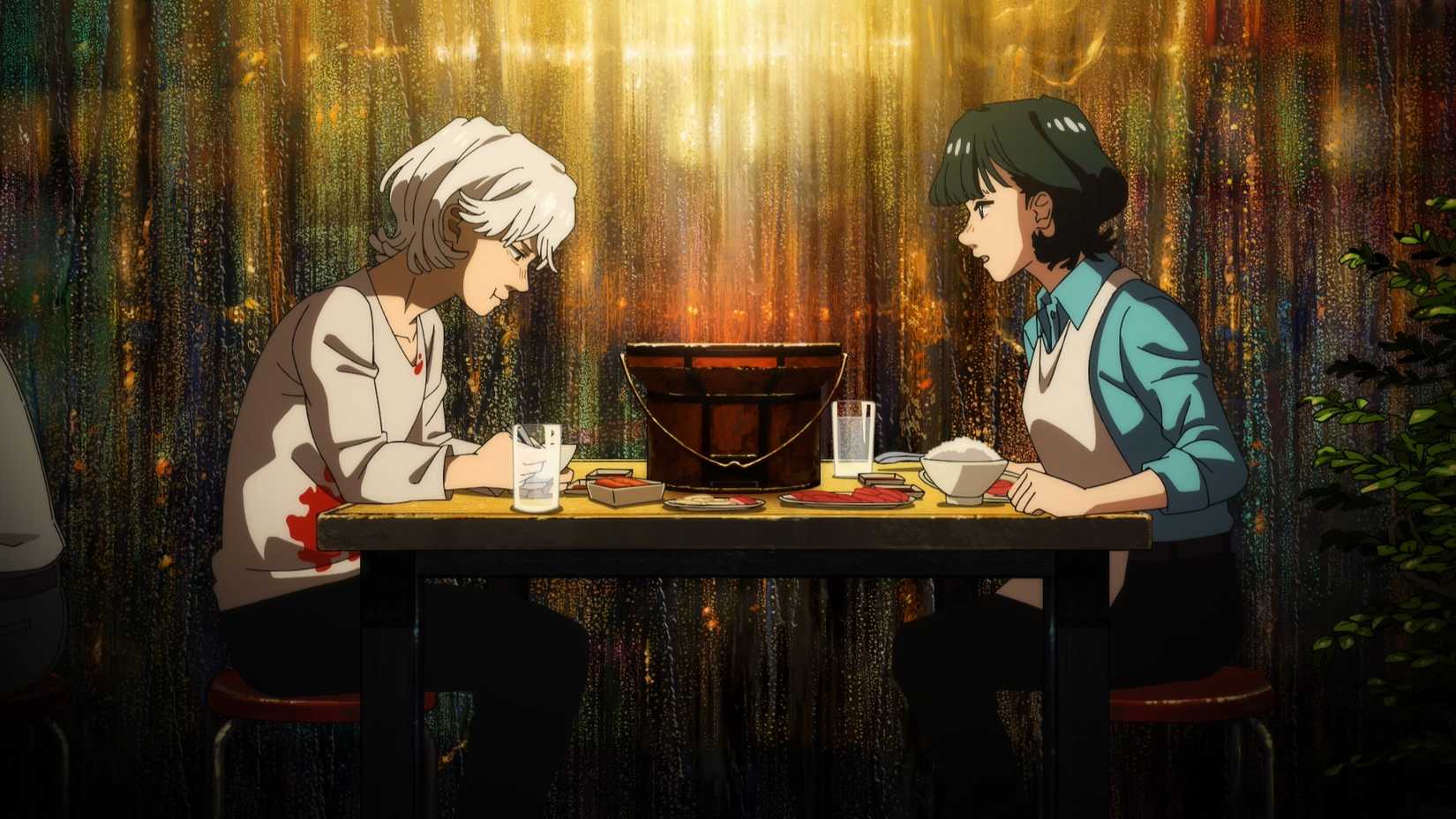
Toshio is a disillusioned factory worker burdened by poverty, systemic debt, and an abusive home life. With no viable future in sight, he sells his body to the state. He trades his remaining two years of humanity for 10 million yen, only to be robbed almost immediately after the procedure.
Yomiko works on the other side of the process. As a researcher at Transflora Medical Facility 4, she approves candidates and oversees procedures while facing questions about their morality.
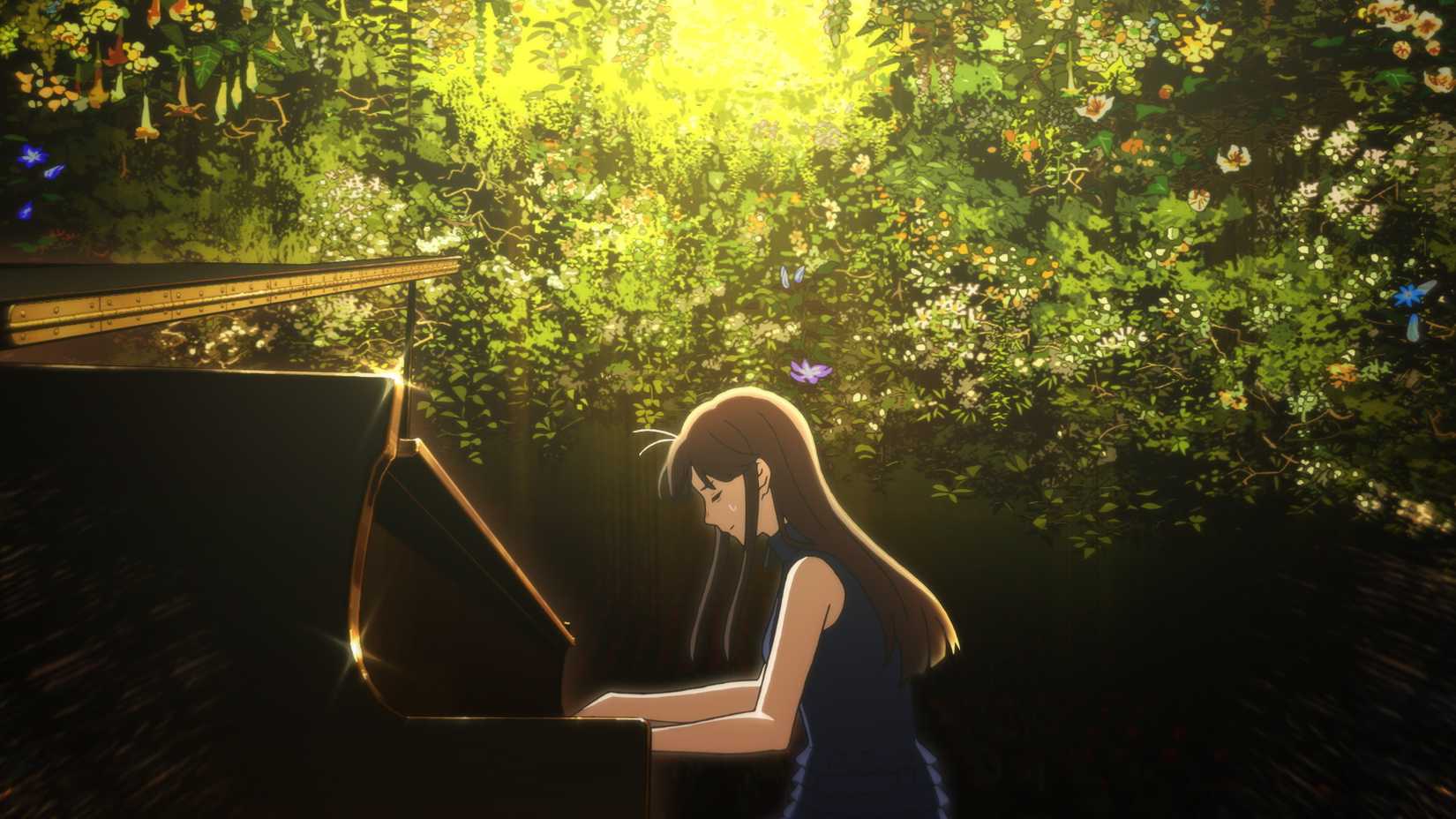
At first, Yomiko maintains a professional distance. When a colleague says he feels as though they killed someone during a procedure, she insists they have “extended” a life, relying on the language of personal choice. That distance collapses when Toshio appears in her waiting room and she sees someone she cares about driven to become a plant.
Their reunion develops into an intriguing partnership. After Yomiko discovers that the procedure has given Toshio the ability to hear spiritflor voices, she brings him into the facility’s work. With Unsection Chief Jin Hiragishi, they begin investigating darker mysteries behind the program, against the backdrop of a murder investigation that could change the world.
Sunrise and Shaft’s visual approach
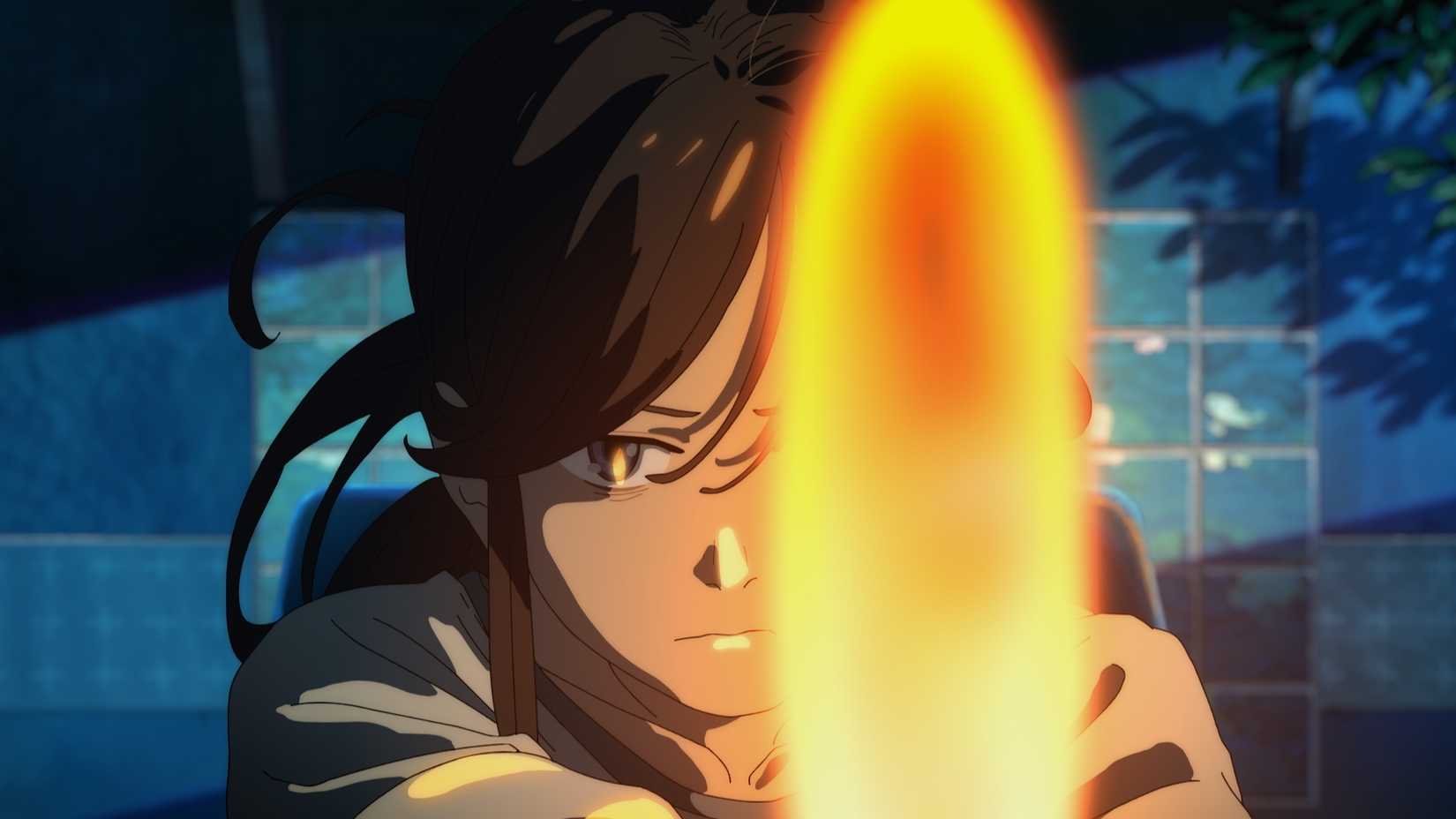
The collaboration brings together two studios with extensive histories. Sunrise is known for Gundam and Cowboy Bebop, while Shaft made the Monogatari series and Virgin Punk. Their work on Fool Night is especially impressive in its composition.
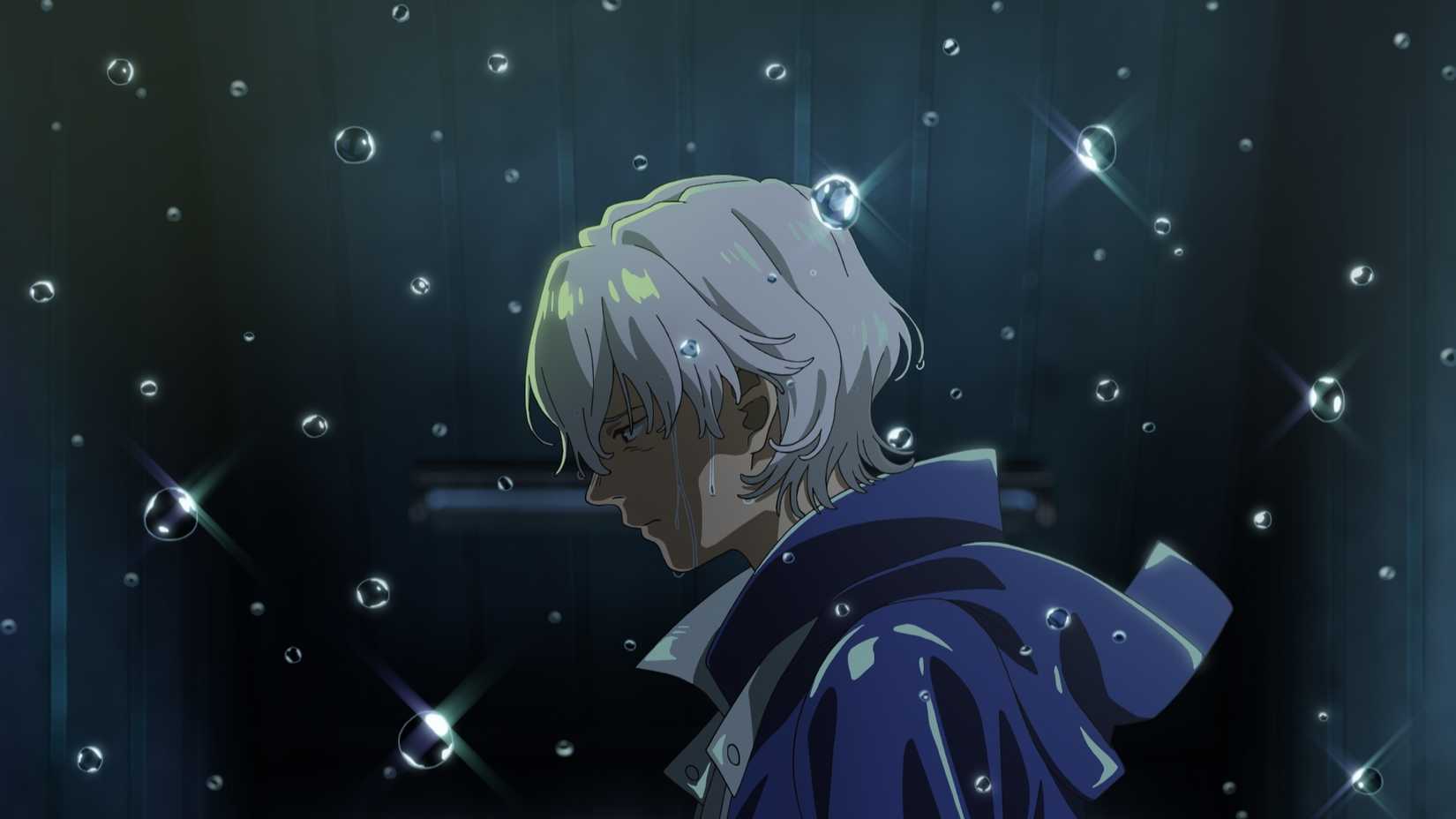
The series often places characters in unexpected parts of the frame, leaving large areas to scenery. Instead of always following the characters closely, it lets their surroundings carry meaning alongside the dialogue.
About halfway through the first episode, Yomiko asks a front desk clerk whether Toshio went through with transfloration. The two figures occupy a small portion of the left side of the screen, while an out-of-focus plant fills almost everything around them. The somber scene gains weight from that choice.
A similar approach appears in the opening alleyway scene. As the young Toshio breaks into a short sprint like a musician onstage, the camera tracks the steel fence to his left. Toshio jogs at the right edge of the frame. Such choices give the dystopia a distinctive visual identity and hint at the darkness beneath the children’s play.
A patient mystery
Fool Night reveals its larger mysteries gradually. The early episodes offer clues about an investigation into strange murders involving plant-based lacerations and a shadowy organization trying to stop transfloration. The series holds much of that story back until the final moments of episode three.
The restraint pays off. By then, the show has established how transfloration has changed society and why Toshio and Yomiko are caught up in it.
Three episodes in, it is too early to know where Fool Night will end up, and much of its sunless world remains unexplored. For now, its unsettling premise, complicated characters, and beautiful animation make a compelling start. I’m eager to see where the mysteries lead.
Fool Night arrives on Netflix on Nov. 26.
Source: Polygon
Related articles
 Empire Shares Exclusive Avengers: Doomsday Images and Patrick Stewart Tribute
 Adria Arjona May Lose Wonder Woman Role Before Superman Sequel Debut, Reports Say
 CD Projekt RED Acknowledges Huge Responsibility for The Witcher IV, Promises Not to Let Fans Down
 Update AMD Drivers to Prevent Radeon Graphics Cards From Wearing Out SSDs
 Report Says Developers Are Already Making Games for PS6 and Xbox Helix, Details AI Use
 The Blood of Dawnwalker Will Get a Full-Fledged Sequel
 CD Projekt Red Job Listing Sparks Speculation About The Witcher IV Release Date
 Amazon Changes Plans for Tomb Raider: Catalyst — Could Lara Croft’s Game Be Delayed?