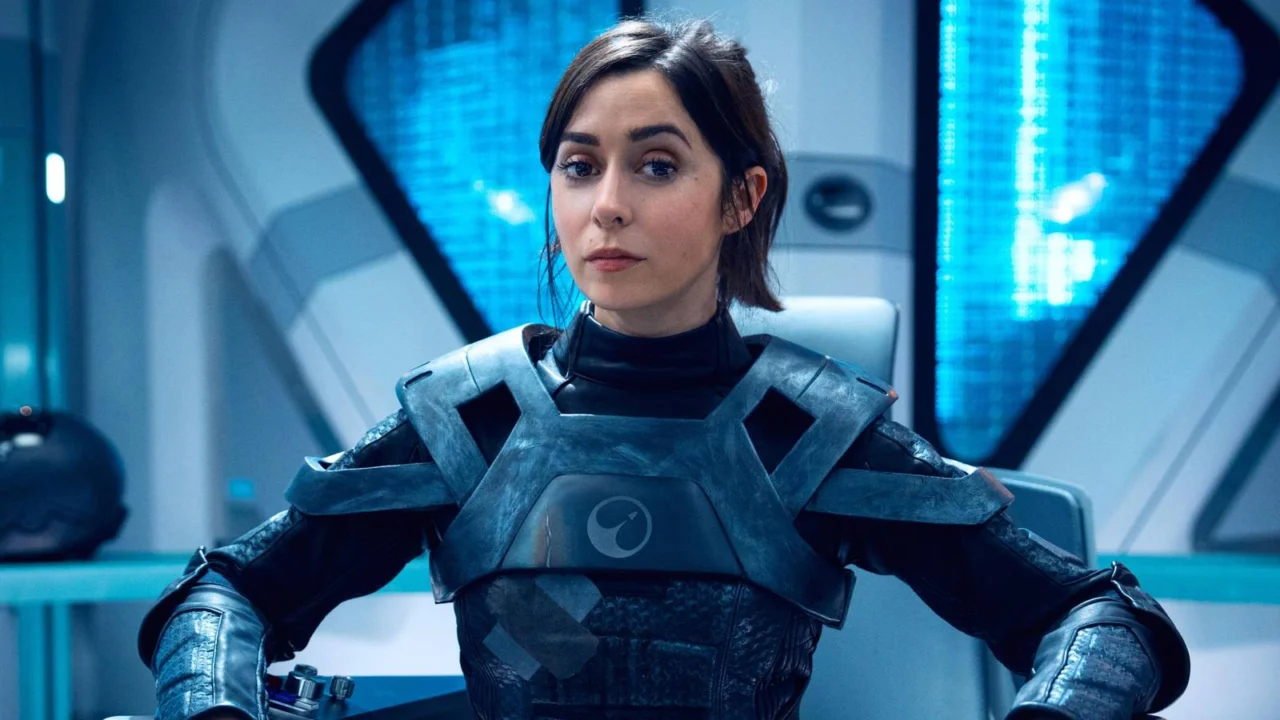
Netflix’s 34-Episode Sci-Fi Anthology Recommended for Weekend Viewing
Rod Serling’s The Twilight Zone set a standard for sci-fi anthologies. Its 156 episodes across five seasons explored a range of subgenres and tropes, telling stories that defied logic and the laws of nature. The series ended in 1964, long before Serling could address the technology that defines life in the 21st century.
Charlie Brooker’s Black Mirror emerged at the start of the 2010s as a modern successor. The 34-episode anthology borrows from The Twilight Zone while following its own path through society’s troubled relationship with technology. Across seven seasons, it considers how the internet has become embedded in everyday life. The series initially aired on Channel 4 before moving to Netflix.
Black Mirror’s dystopian visions
The technological anxieties in Black Mirror extend beyond malicious robots and malfunctioning software. The season four episode “Hang the DJ” begins with a grim look at a dating system that matches people and predicts when their relationships will end. Its apparent reliance on superficial compatibility leaves little room for unexpected chemistry or connections that develop naturally. A final twist recontextualizes what came before.
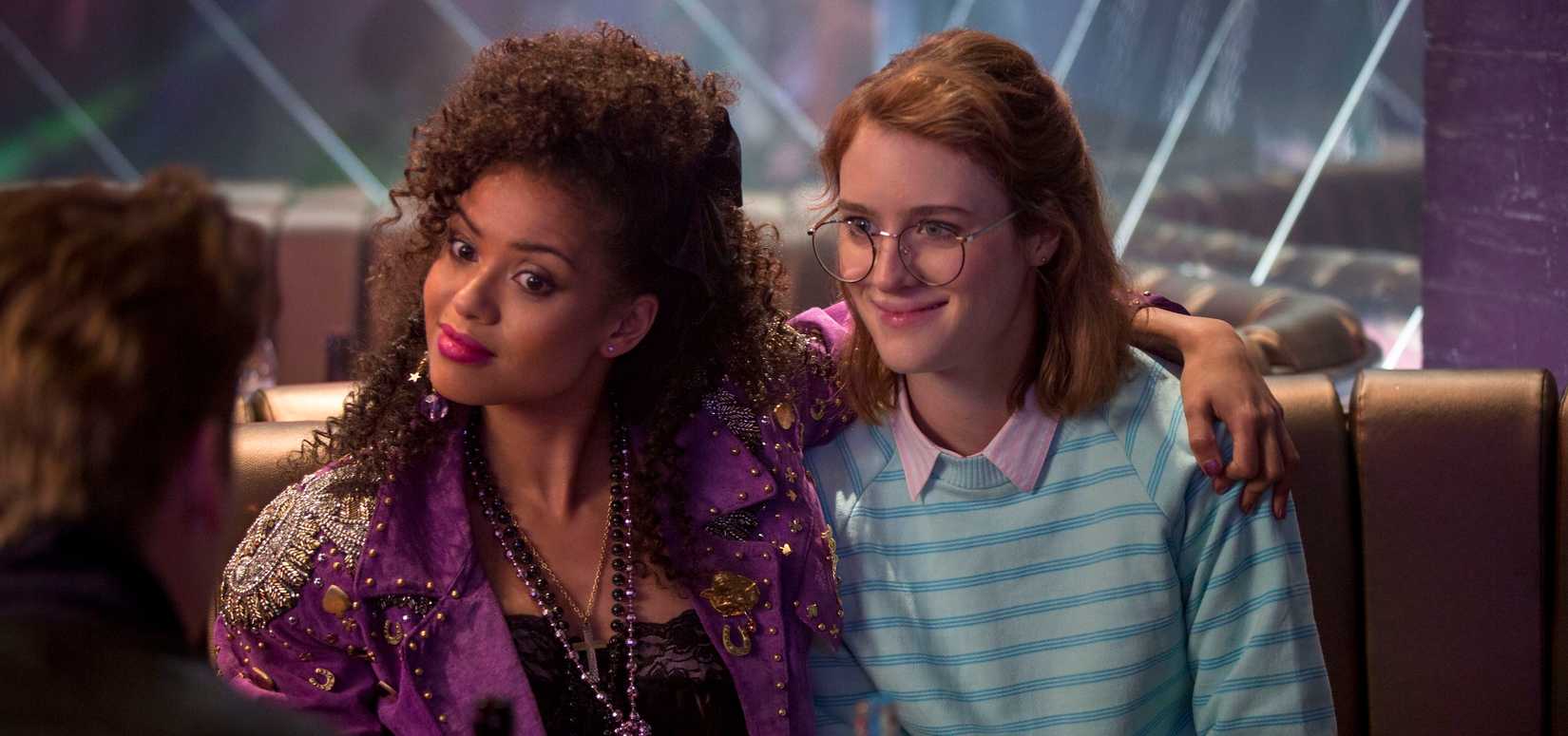
The season three episode “San Junipero” follows a queer romance that transcends bodies and time through technology that lets people upload their consciousness to a cloud server. The story leaves room to ask whether the technology offers a beautiful second chance at life or a corporate way to profit from nostalgia and memories.
How technology amplifies human behavior

Other episodes explore behavior in an age of technological surveillance. “White Christmas” examines extreme psychological isolation. “The Entire History of You” shows how technology can encourage an obsession with the past. “Nosedive” turns personal identity into a score-based measure of social status.
Black Mirror: Bandersnatch takes a different approach. The interactive, choose-your-own-adventure film uses audience choices to explore paranoia and the illusion of control. Its protagonist cannot escape psychological trauma or control their fate, while viewers encounter dead ends, loops and unavoidable tragedies. Netflix removed Bandersnatch in 2025.
Later seasons also examine celebrity worship, consumerism and the risks of being too vulnerable online. By season seven, some entries feel less sharp, perhaps because of uneven episodes and the way real life has caught up with fears about intrusive technology. Even so, stories such as “The National Anthem” and “Be Right Back” continue to find unsettling echoes in current life. An eighth season is in production.
For viewers drawn to introspective sci-fi and grim satire, Black Mirror offers uncomfortable questions about how close its imagined futures are to the present.
Black Mirror can be streamed on Netflix.
Source: Polygon
Related articles
 Insider Hints Star Wars: Knights of the Old Republic Remake Could Be Shown Soon
 New Online Shooter From AION 2 Publisher Playable in December
 Stellar Blade Developers Forced to Reconsider AI Use, Studio Head Explains Decision
 Valve Launches Steam Free Weekend With Games in Two Different Genres
 Ubisoft Could Have Gone Bankrupt Without These Two Games
 Jensen Huang Fired From NVIDIA for Lying, Reports Say
 NVIDIA Fixes GeForce Driver Bug That Wrote Up to 30 GB per Hour to SSDs
 Why Elon Musk’s Mother Is the New Face of Dress-Up Action RPG Infinity Nikki