

European commerce organizations are issuing a closing name for Members of the European Parliament to cross the Copyright Directive, which supporters say would tackle the so-called worth hole and carry large penalties for providers like YouTube.
With lower than 24 hours to go earlier than the European Parliament votes on a radical overhaul of copyright regulation, stakeholders on either side of the controversy are making one final push to affect determination makers.
On the music facet, European commerce organizations are issuing a closing name for Members of the European Parliament (MEPs) to cross the Copyright Directive, which supporters say would tackle the so-called worth hole and carry large penalties for person generated content material (UGC) providers like YouTube.
Naturally, expertise firms usually are not so eager on the reforms, which have the potential to remodel how web platforms host and distribute music, films and fan-made movies by requiring them to barter licenses with rights holders.
The proposed measures can even require UGC providers like YouTube and Dailymotion to introduce computerized content material recognition methods blocking any works that infringe copyright, in addition to to arrange “simple redress” methods for works mistakenly taken down.
Opponents to the reforms say that would put an finish to memes, remixes and different user-generated content material. Supporters of the Copyright Directive strongly refute these claims.
In the run-up to Wednesday’s vote, which takes place in Strasbourg, France, either side have been fiercely lobbying coverage makers, with worldwide commerce physique IFPI reporting that greater than 6 million emails have been despatched to MEP and officers from representatives of the tech sector as a part of an enormous “disinformation marketing campaign… unprecedented in scale and kind.”
IFPI cites figures beforehand compiled by umbrella group UK Music (utilizing the European Union’s Lobbying Transparency Register) reporting that YouTube proprietor Google spent greater than €31 million ($36 million) in 2016 to attempt to affect coverage. The EU register doesn’t report how a lot Google spent on direct lobbying in 2017 nor the primary half of this 12 months.
“No-one might have foreseen the size of the cynical and manipulative behaviour of some platforms to guard their pursuits,” says a joint assertion from IFPI, IAO (International Artists’ Organisation), IMPALA and EMMA (European Music Managers’ Association), printed Tuesday (Sept. 11).
“Online providers, similar to YouTube, permit customers to add music onto their providers, place adverts towards it that generate large income after which refuse to return a fair proportion to the producers and artists who create the work within the first place,” mentioned the assertion.
It goes on to warn: “The selection is obvious — can we permit ‘massive tech’ to bully and subvert this vote, or can we do the best factor and provides European tradition a good deal? This Wednesday, the selection is with MEPs.”
GESAC, the European Grouping of Societies of Authors and Composers, representing over 1 million authors, has additionally issued a last-ditch name for Parliamentarians to approve Article 13, probably the most contentious a part of the Copyright Directive, which removes protected harbor provisions and, most controversially, requires platforms to systematically detect and block any copyright-protected content material besides when a license settlement has beforehand been agreed.
“This vote is not going to solely be about defending creators and guaranteeing they’ve a fair proportion of the advantages generated by their works, it’s going to even be in regards to the safekeeping of democracy from heavy-handed tech big stress,” mentioned GESAC in a press release.
That’s not a view shared by YouTube’s chief enterprise officer Robert Kyncl, who final week published a blog post warning that some elements of the Copyright Directive, and Article 13 specifically, “doubtlessly undermine [the] artistic financial system, discouraging and even prohibiting platforms from internet hosting user-generated content material.”
Addressing creators, Kyncl writes, “This final result wouldn’t solely stifle your artistic freedom, it might have extreme, destructive penalties for the followers, the communities and the income you might have all labored so arduous to create.”
He factors to YouTube’s “subtle copyright administration instruments,” together with Content ID and the not too long ago launched Copyright Match Tool among the many mechanisms that YouTube already makes use of to handle and monetize re-uploads of creators’ content material.
Fugees‘ member Wyclef Jean has additionally spoken out on the difficulty expressing his perception that harder copyright laws “takes musicians within the unsuitable course.”
“The answer to the challenges of the web is not to tear it down, it is to construct on high of it. Instead of pointing fingers, we ought to be having productive conversations,” Jeans writes in an op-ed published last week by Politico.
IMPALA’s Executive Chair Helen Smith responded to that article in her personal op-ed, also published by Politico, stating copyright reform was not about “tearing down the web. What we’re asking lawmakers to do is to guarantee that it really works for everybody.”
“The EU’s copyright directive would make much-needed modifications within the construction of the music business,” says Smith. “Fans will be capable of uncover, share and revel in extra music. Licenses will mechanically cowl their uploads. Meanwhile, artists could have a say and seize extra income, irrespective of how massive they’re or the place they arrive from.”
She concludes, “All artists are born equal. It’s Europe’s job is to guarantee that means one thing within the on-line world.”
 Goo Goo Dolls Fans Criticize NBC Over Thanksgiving Halftime Show Snub: ‘Badly Handled’
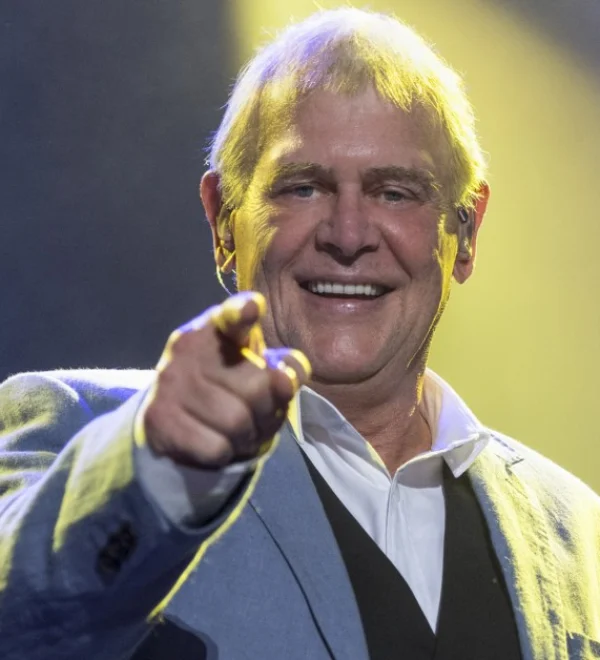 John Farnham’s Family Shares Rare Update on Singer’s Health
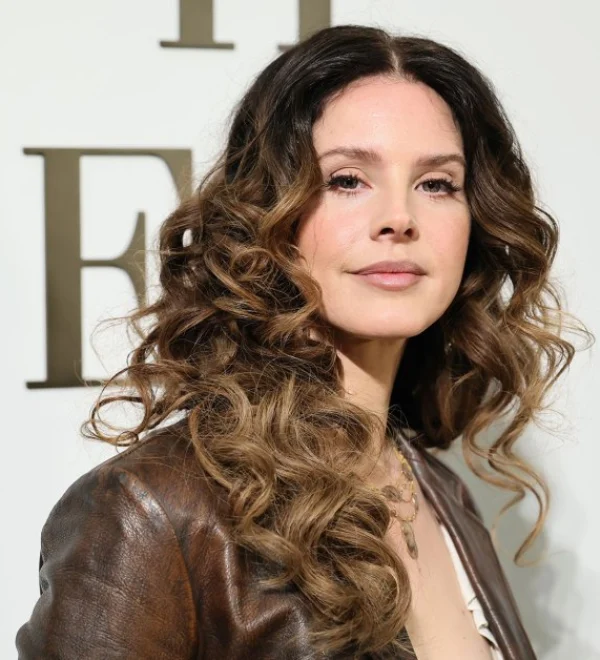 Lana Del Rey Says Her New Albums Are Getting Close to Completion and She’s Happy With Them
 Feid and Snoop Dogg Release Thanksgiving Collaboration ‘Gracias x Todo’
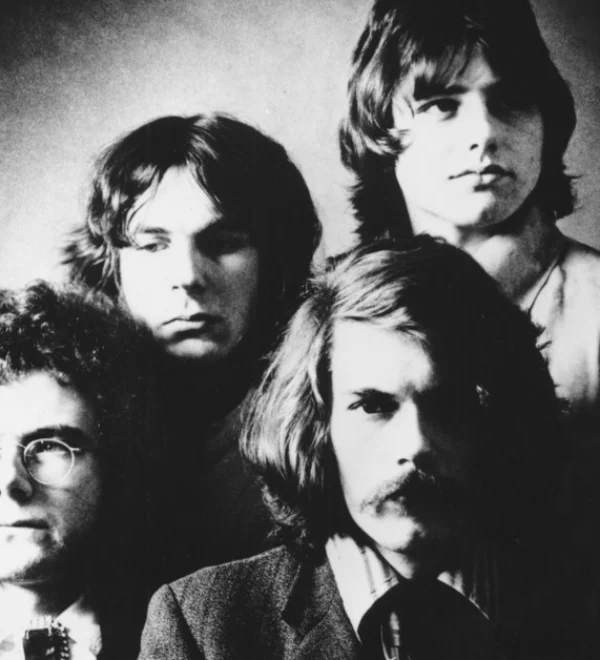 King Crimson Co-Founder and Original Drummer Michael Giles Dies at 84
 A Deep Dive Into Six Surprising Moments From Andy Taylor’s Career
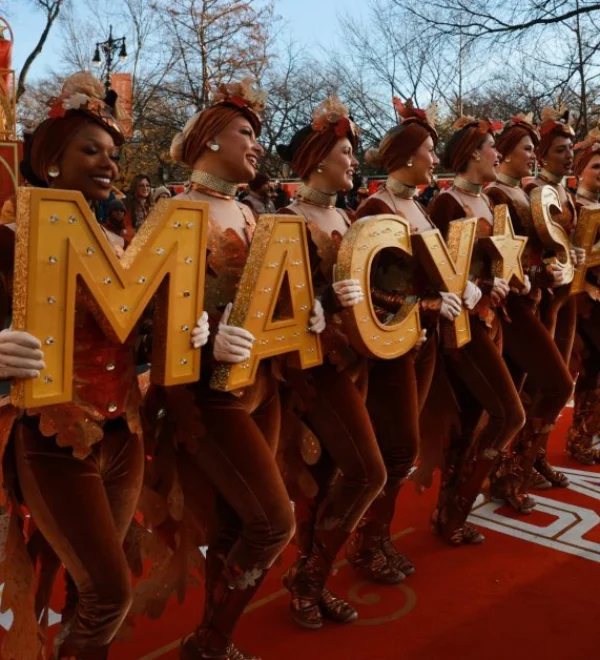 Macy’s 100th Thanksgiving Day Parade Postponed, New Date Announced
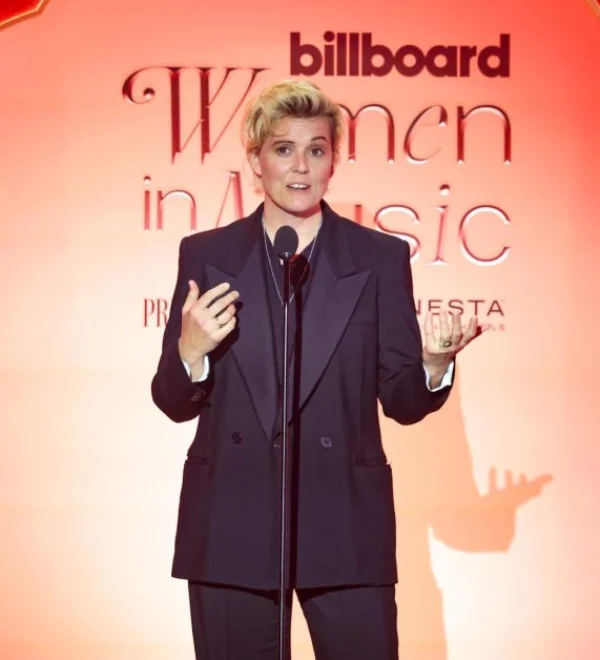 Brandi Carlile Criticizes ICE Over ‘Horrific’ Detentions in Seattle: ‘We Need to Do Something About It’