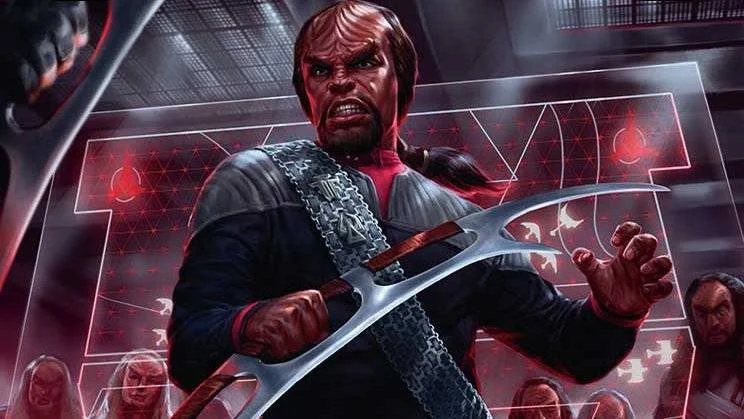
Magic’s Star Trek Set Is Also a Must-Watch Guide to the Sci-Fi Franchise
For six decades, Star Trek has taken viewers to unfamiliar worlds, introduced beloved characters and tangled its crews in enough temporal twists to challenge any Starfleet officer’s sense of time. Those journeys are now making their way into Magic: The Gathering.
Prerelease events for the Magic: The Gathering Star Trek set begin this weekend, ahead of its worldwide release on Nov. 13. The collection celebrates the franchise with cards depicting its iconic characters, vessels and adventures. It also includes 14 Saga enchantments drawn from 13 television episodes and one feature film.
In Magic, Sagas unfold across several chapters, with an effect taking place at the beginning of each turn. They often recount pivotal moments in the game’s lore. Past Universes Beyond sets have used them to revisit Marvel storylines and legends from Avatar: The Last Airbender. This time, each Saga draws on a particular Star Trek story—a natural fit for a series in which even a routine mission can quickly go awry.
Here are the 14 stories that inspired the set’s Sagas.
14. “The Naked Time” (Star Trek: The Original Series, 1966)
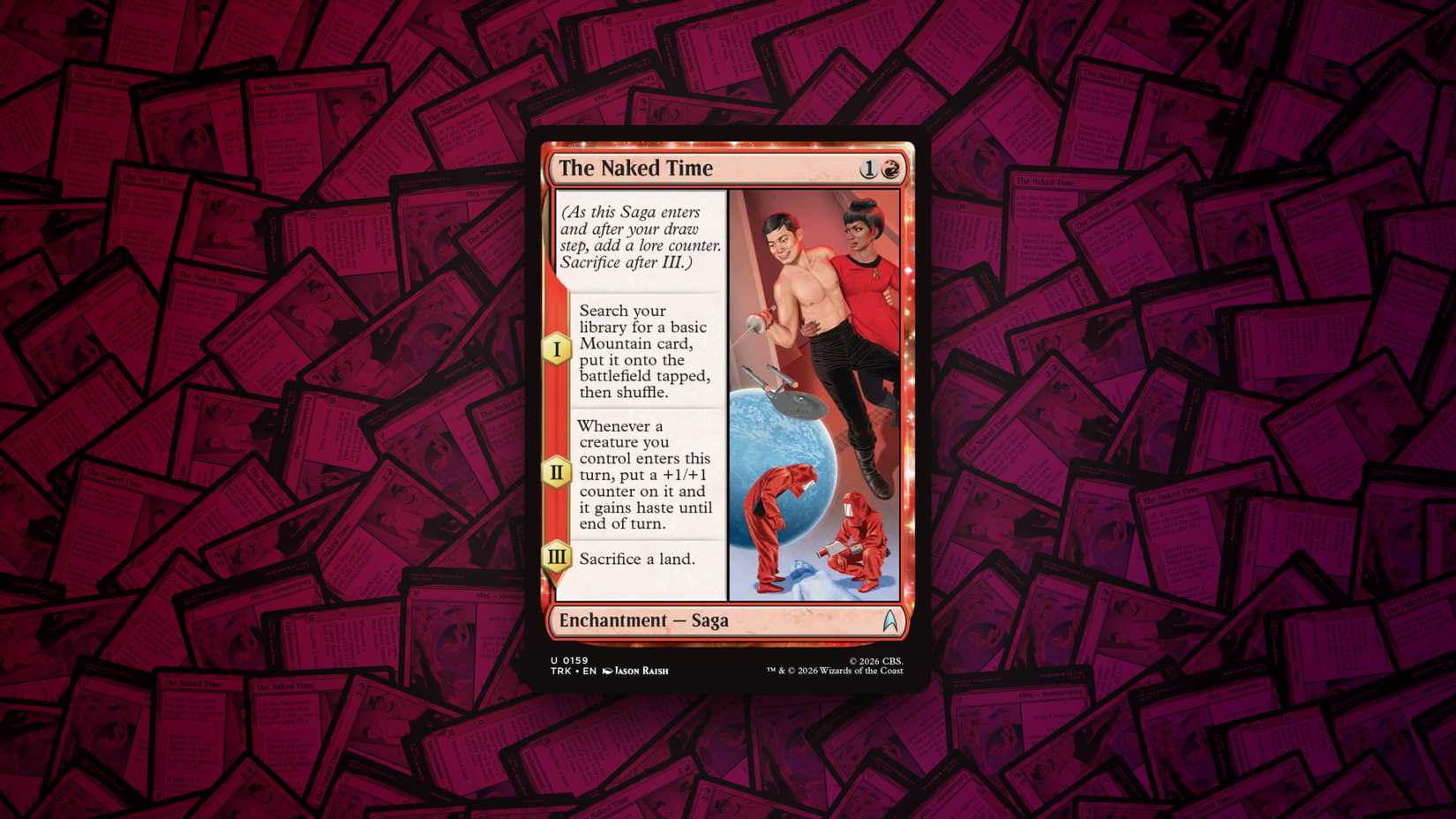
A strange infection sweeps through the Enterprise, stripping its crew of their inhibitions. Sulu (George Takei) takes up a sword and embraces his inner swashbuckler, while Spock (Leonard Nimoy) fights to keep his emotions in check. The episode reveals a more vulnerable side of the famously logical Vulcan—and reminds us that even Starfleet’s best can behave rather badly.
13. “Balance of Terror” (Star Trek: The Original Series, 1966)
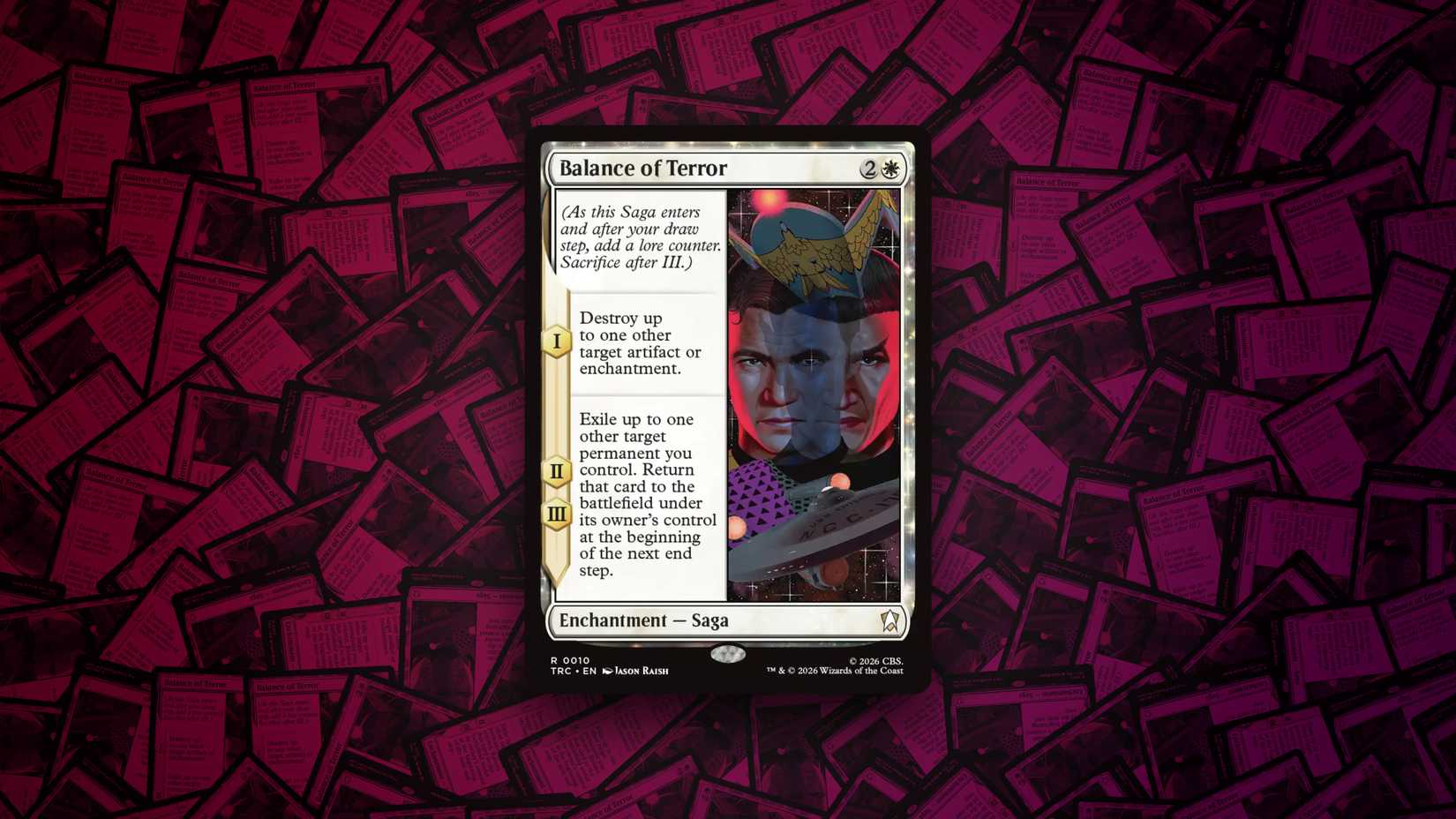
After a Romulan warbird strikes Federation outposts, Kirk (William Shatner) and its commander (Mark Lenard) face off in a tense battle of strategy and nerve. Drawing on submarine-war films, the episode introduces the Romulans and considers prejudice, responsibility and the respect that can emerge between adversaries caught in a conflict neither truly wants.
12. “The City on the Edge of Forever” (Star Trek: The Original Series, 1967)
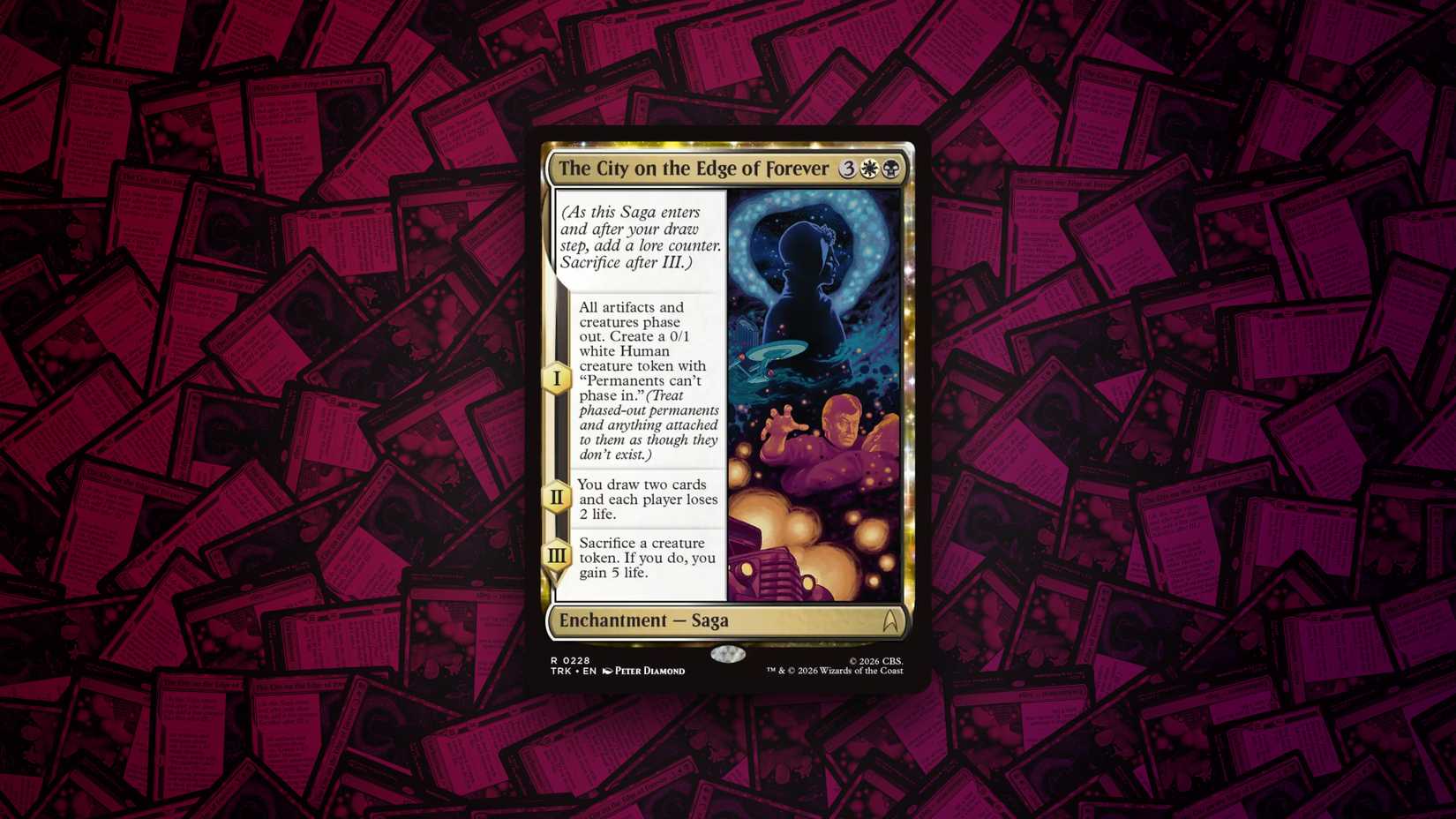
When McCoy (DeForest Kelley) accidentally changes the past, Kirk and Spock journey to Depression-era New York to set history right. Kirk falls for Edith Keeler (Joan Collins), but her survival would allow Nazi Germany to win World War II. The crew must restore the timeline, forcing Kirk to accept a loss that makes this one of the franchise’s most devastating stories.
11. “Amok Time” (Star Trek: The Original Series, 1967)
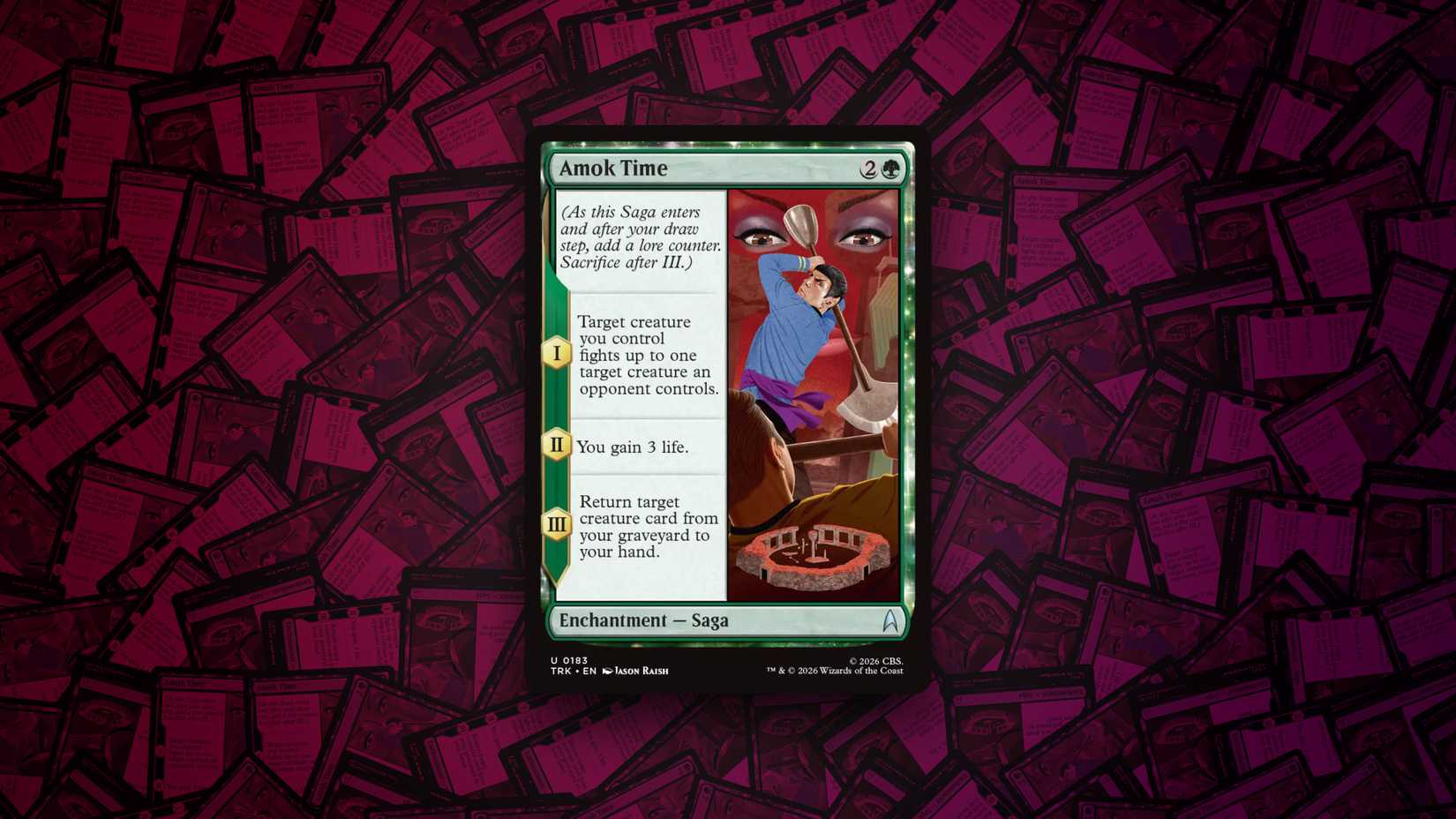
Spock’s unusual conduct leads the Enterprise to Vulcan, where he must confront pon farr, a biological imperative tied to mating. A traditional ceremony ends with Kirk as Spock’s opponent in a fight to the death. The episode deepens the show’s portrayal of Vulcan society—and features a battle soundtrack that is hard to forget.
10. The Wrath of Khan (Star Trek II: The Wrath of Khan, 1982)
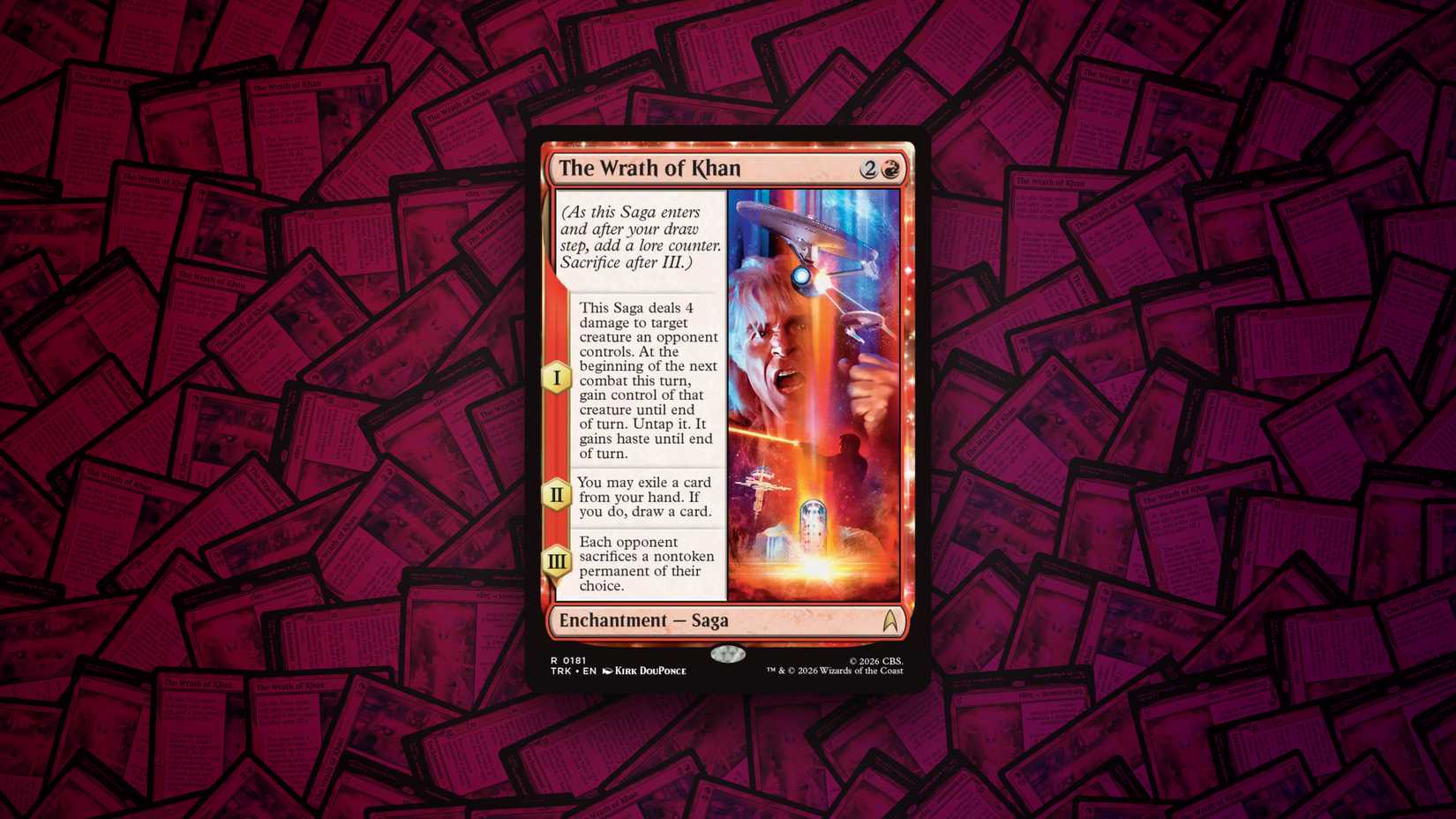
Khan Noonien Singh, played by Ricardo Montalban, returns to exact revenge on Kirk in one of the series’ most celebrated confrontations. Alongside its thrilling action, the film reflects on aging, loyalty and sacrifice. Its emotional climax comes when Spock gives his life to save the Enterprise.
9. “The Measure of a Man” (Star Trek: The Next Generation, 1989)
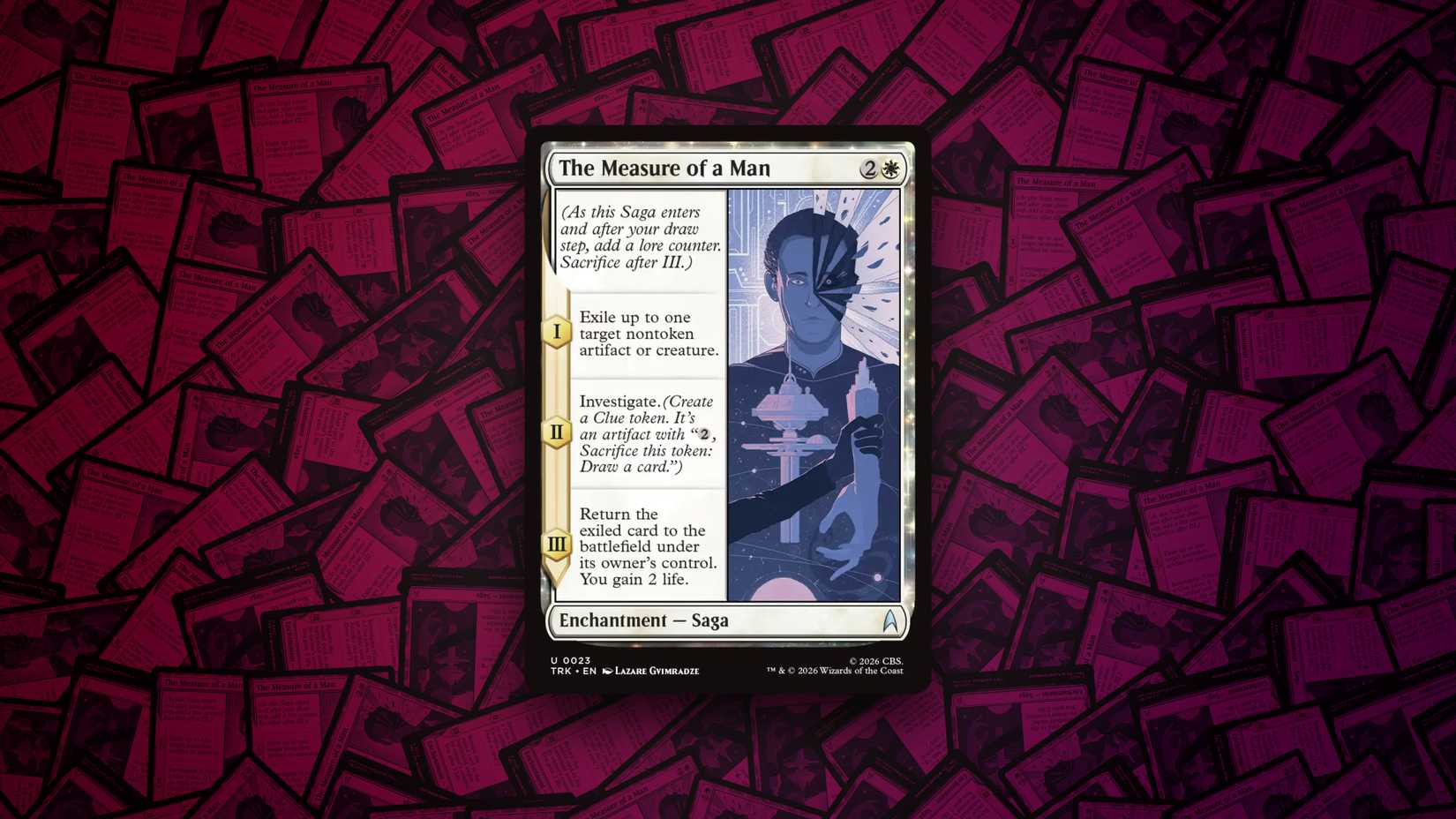
When Starfleet plans a dangerous procedure for Data (Brent Spiner), a hearing is called to decide whether the android can refuse. Picard (Patrick Stewart) argues his case, turning a courtroom dispute into a searching debate about artificial intelligence, personal freedom and the meaning of life. The episode’s central questions remain timely.
8. “Sins of the Father” (Star Trek: The Next Generation, 1990)

Worf (Michael Dorn) travels to the Klingon homeworld after his late father is accused of treason. Although he exposes a political plot, Worf accepts disgrace to shield the Empire. The story develops Klingon traditions and examines the difficult ties between family loyalty, personal honor and duty.
7. “The Best of Both Worlds” (Star Trek: The Next Generation, 1990)
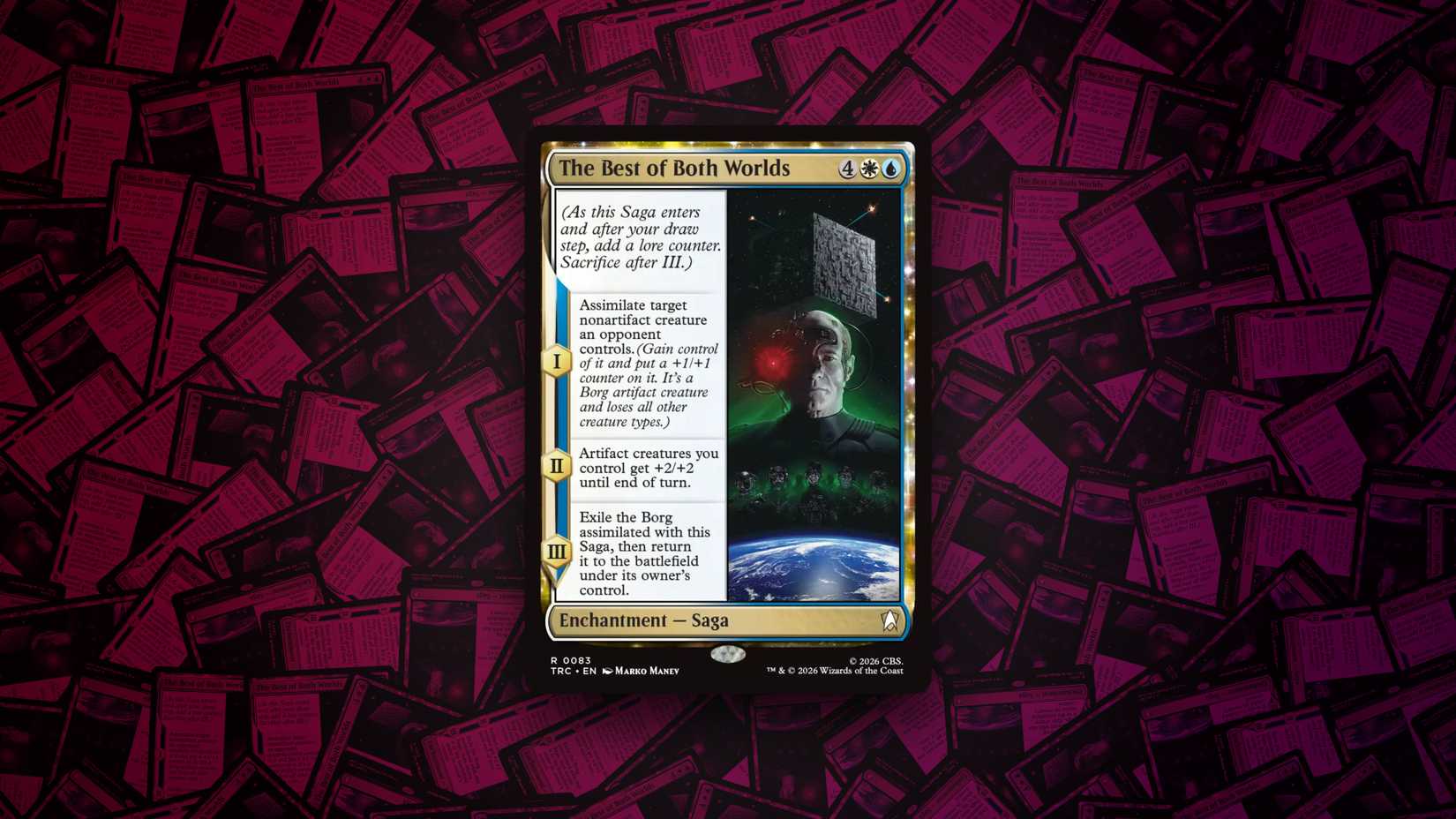
The Borg abduct Picard and remake him as Locutus, compelling the Enterprise crew to fight their own captain. This landmark two-part story delivers one of television’s most memorable cliffhangers, establishes the Borg as formidable foes and leaves consequences that shape Picard and the wider franchise.
6. “Unification” (Star Trek: The Next Generation, 1991)
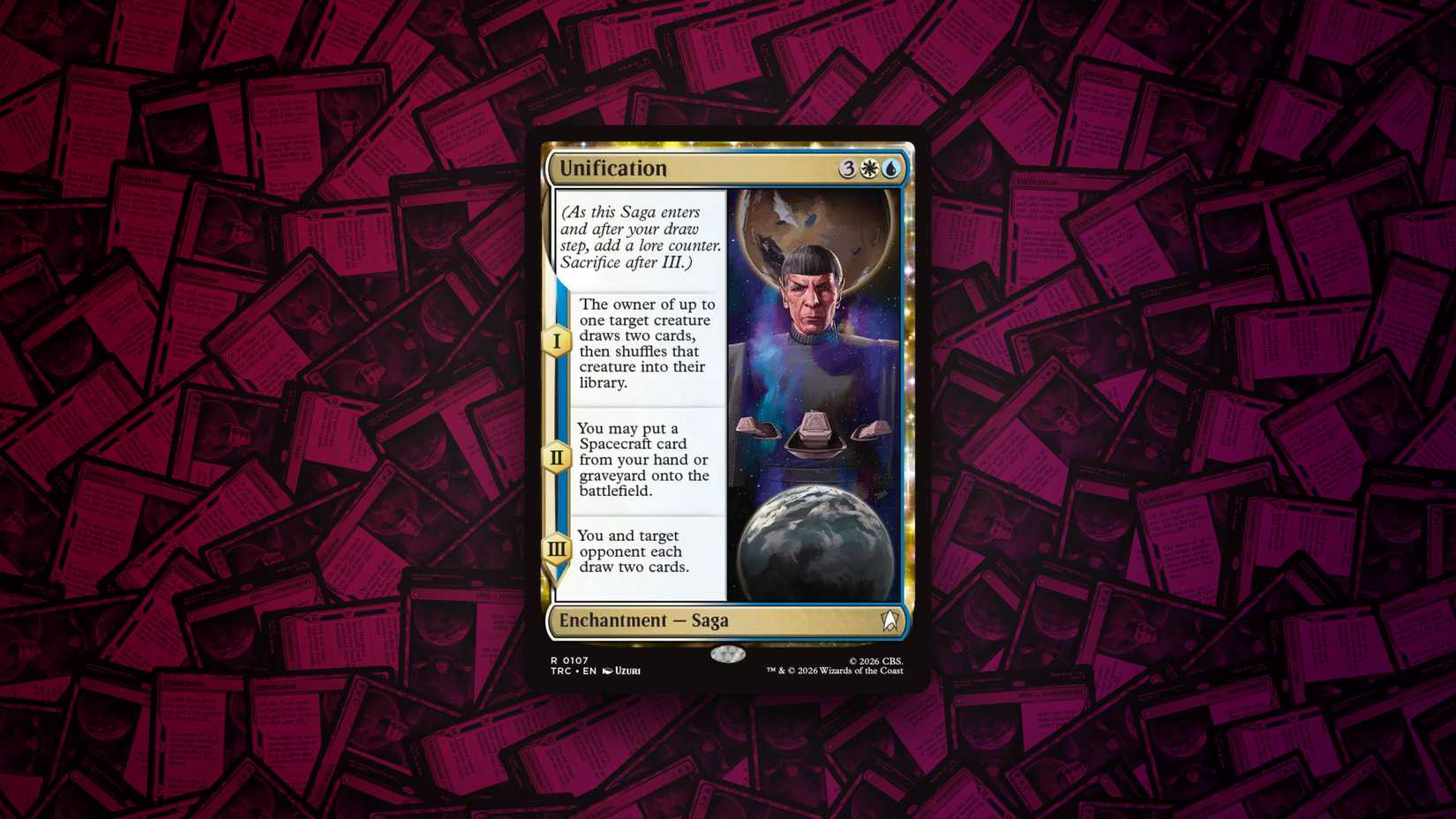
Leonard Nimoy reprises his role as Spock, who is secretly pursuing the reunification of Vulcans and Romulans. Picard and Data head to Romulus to find him and uncover a political scheme. The story brings Spock back to the screen while exploring whether two peoples, divided by generations of hostility, can make peace.
5. “The Inner Light” (Star Trek: The Next Generation, 1992)
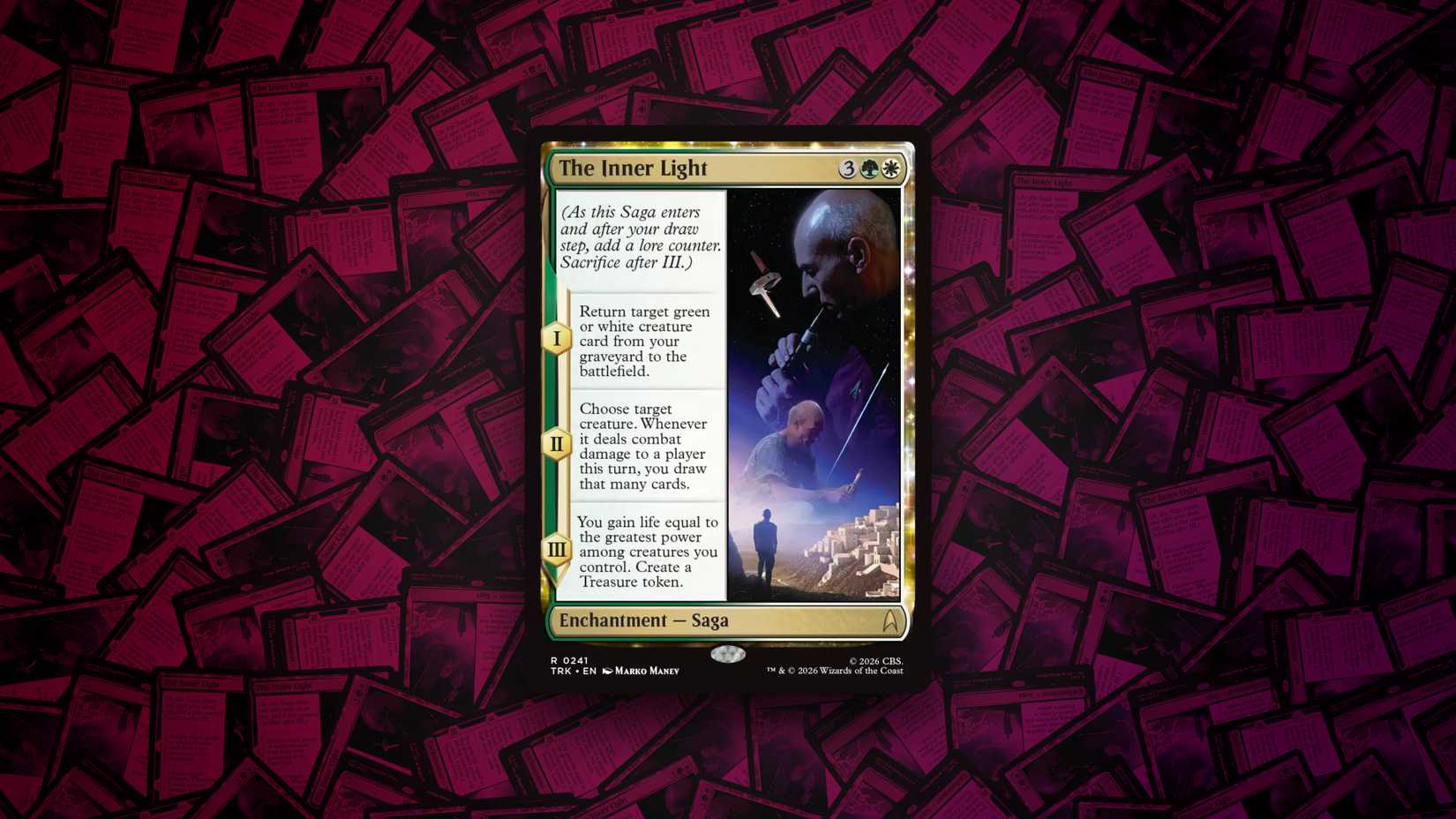
A mysterious probe gives Picard the vivid experience of living an entire lifetime on a dying world, surrounded by a wife, children and community. Only minutes pass aboard the Enterprise, but Picard experiences decades. It is a moving meditation on memory, identity and the profound meaning found in an ordinary life.
Source: Polygon
Related articles
 BioWare Co-Founder Names a Price for Bringing Back Mass Effect 5
 Until Dawn 2 Will Remain Single-Player as Developers Discuss Endings and PS5 Capabilities
 Bandai Namco Shuts Down Unknown 9: Awakening Developer Reflector Entertainment
 How to Get and Use the Song of Storms in The Legend of Zelda: Ocarina of Time
 Universes Beyond’s Most Intense Villain Officially Ranks Among Magic: The Gathering’s Top 10 Commanders
 WARDOGS Season 3 Launch Date Announced Alongside 185,000 Bans and a New Map
 Rockstar Officially Confirms GTA 6 Is Playable on Xbox One