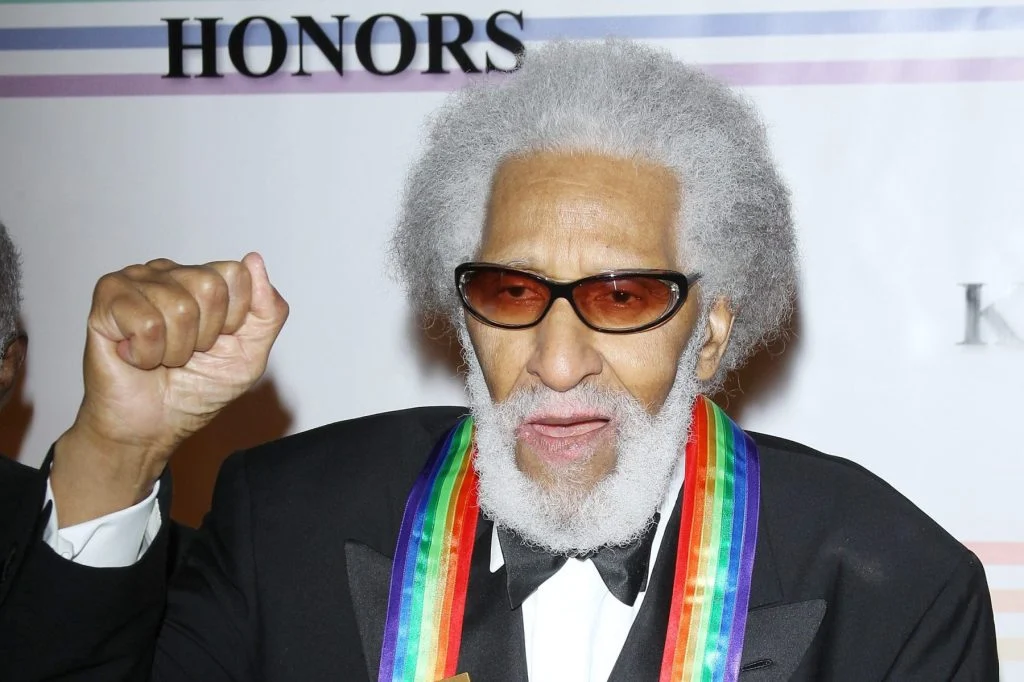

Sonny Rollins, the peerless tenor saxophonist whose profound improvisational genius and melodic architecture reshaped the landscape of jazz, has passed away at his home in Woodstock, New York. He was 95. His passing, confirmed by his official website, follows a period of living with pulmonary fibrosis.
With his departure, the final chapter closes on a legendary generation of post-war jazz architects. Having stood shoulder-to-shoulder with luminaries like Miles Davis, John Coltrane, and Thelonious Monk, Rollins remained a towering, singular force—a living bridge to an era of unparalleled creative exploration.
His illustrious career, spanning from his debut professional sessions in 1949 to his final live appearance in 2012, yielded over 60 albums as a bandleader, cementing his status as a permanent fixture in the jazz pantheon.
Born in Harlem on September 7, 1930, to parents of Virgin Islander descent, Rollins gravitated toward the saxophone in his youth. By his mid-teens, the tenor had become his primary voice. His precocious talent was evident early on; by age 20, he was already collaborating with giants such as Bud Powell and Thelonious Monk.
The 1950s solidified his dominance. His 1956 magnum opus, Saxophone Colossus, remains a cornerstone of the jazz canon, featuring the calypso-infused classic “St. Thomas.” This prolific period also saw him engage in high-stakes musical dialogues, most notably on the seminal record Tenor Madness alongside John Coltrane, and other essential works like Way Out West and The Freedom Suite.
Ever the restless visionary, Rollins famously stepped away from the spotlight in 1959 to refine his craft. He spent months practicing in solitude on the Williamsburg Bridge, a period of introspection that led to his triumphant 1962 return with the album The Bridge. This resurgence underscored his lifelong ethos: a relentless pursuit of artistic evolution that refused to settle for the status quo.
Over the decades, his contributions were recognized with numerous accolades, including a Grammy Lifetime Achievement Award (2004) and multiple wins for his instrumental prowess. In 2017, he ensured his legacy would endure by gifting his extensive personal archives to the Schomburg Center for Research in Black Culture.
Rollins is predeceased by his beloved wife, Lucille, who was his devoted partner for nearly four decades.
 Billie Eilish Debuts New Hair Color and Length
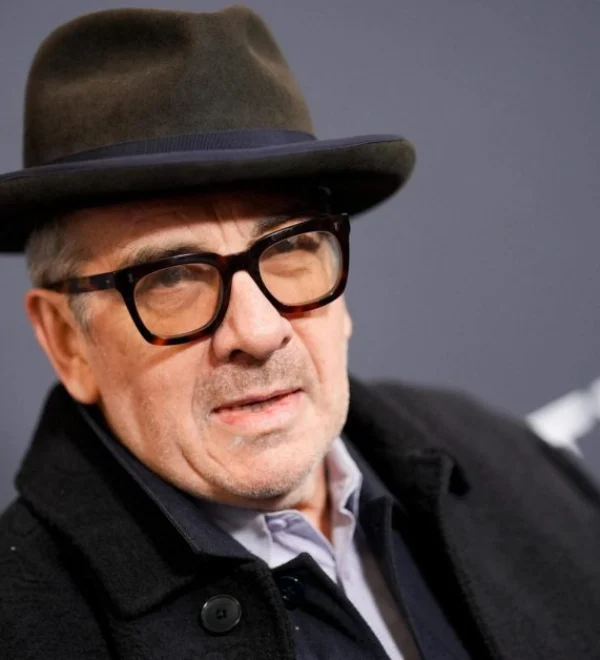 Elvis Costello Reveals He Pitched Himself For Bandleader Job On Canceled Late-Night Show
 Lorde Wears ‘Free Palestine’ Jacket Criticizing Robert Kraft Following Ed Sheeran and Macklemore Tour Controversy
 Kacey Musgraves Performs “Uncertain, TX” with Tejano Group Intocable
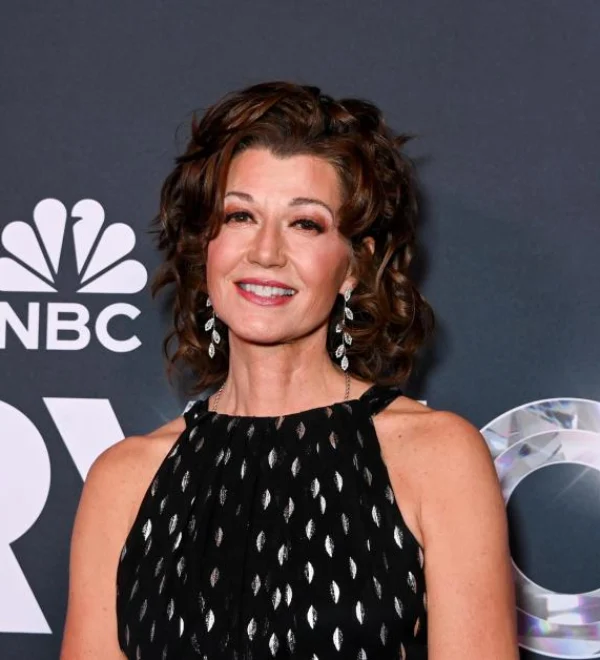 Amy Grant and Chris Isaak named honorees at Save the Music’s 2026 Hometown to Hometown Fundraiser in Nashville
 Hayley Williams Responds to DHS After ‘F–k ICE’ Concert Remark
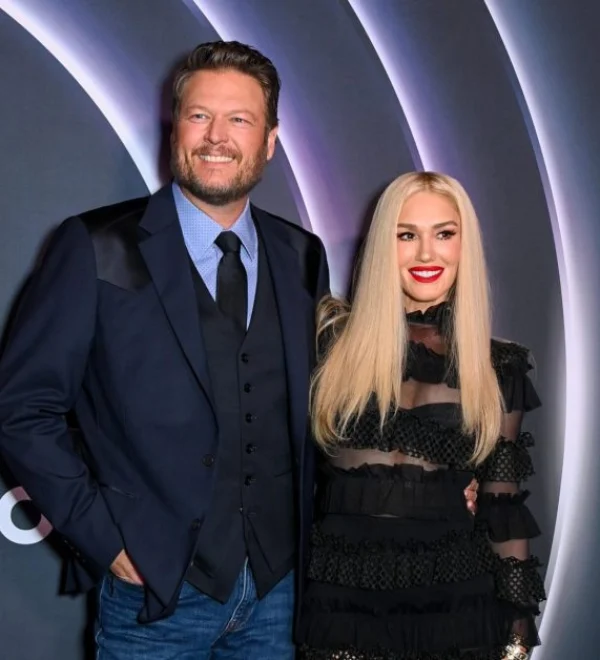 Blake Shelton Celebrates Wife Gwen Stefani’s Birthday With Tribute
 ‘American Idol’ Contestant Caleb Flynn Receives Maximum Sentence for Wife’s Murder