Is Daggerheart Actually Better Than D&D?
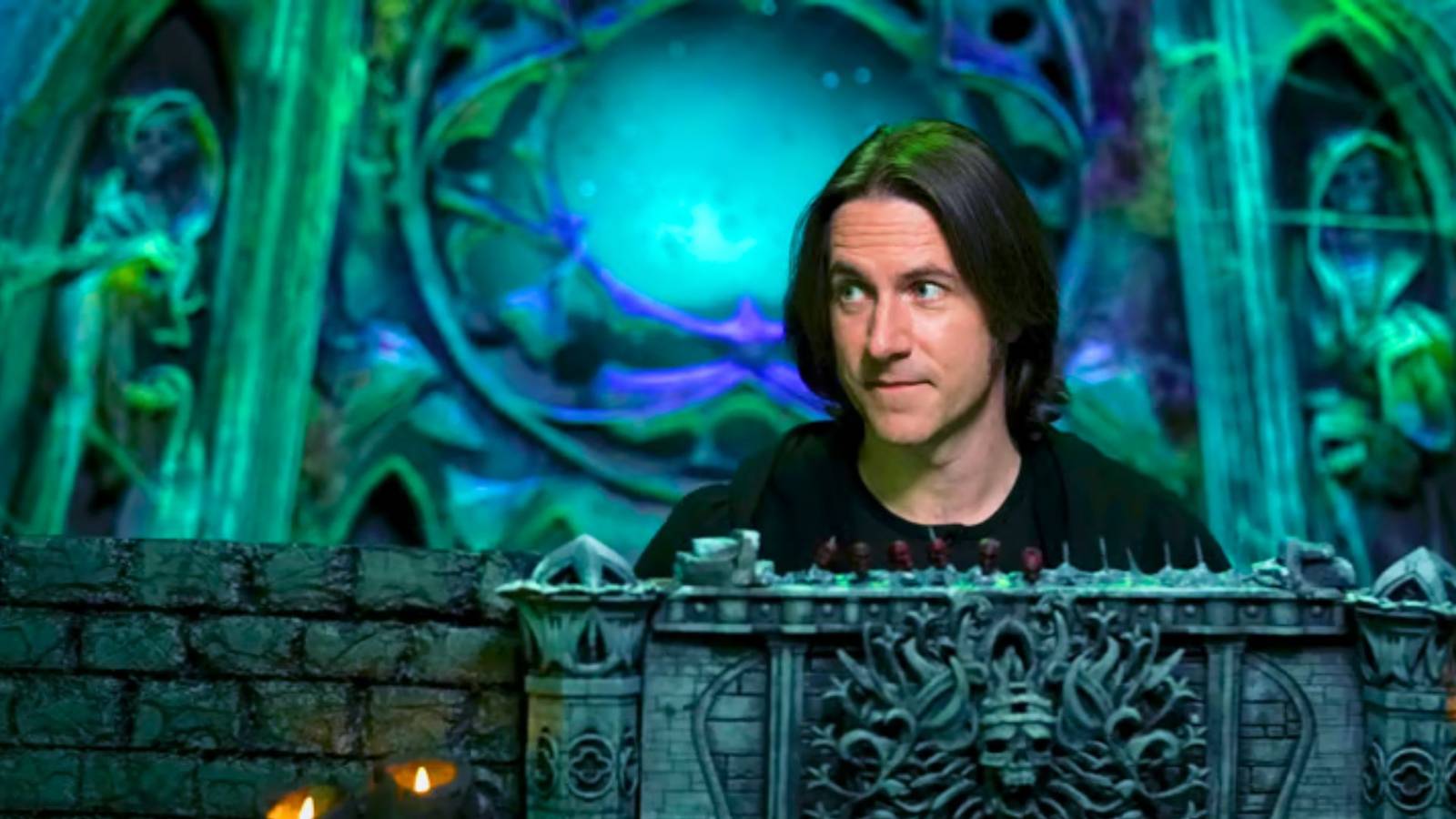
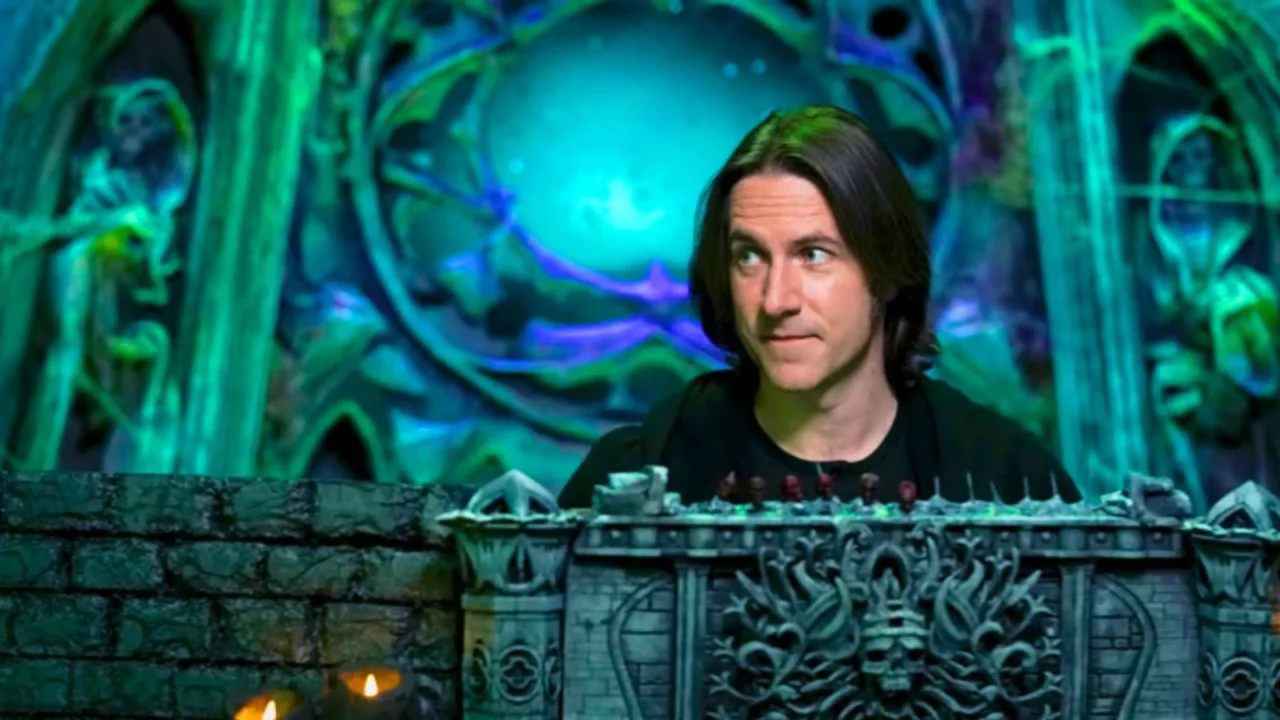
Following its initial reveal this past May, Critical Role has officially launched its haunting, gothic-inspired project, Age of Umbra: Sallowlands—and the atmosphere is every bit as unsettling as promised.
Arriving hot on the heels of Campaign 4, Sallowlands feels like a refreshing pivot. Beyond introducing players to the mysterious Halcyon Domain and showcasing a powerhouse cast that includes Jennifer English (Baldur’s Gate 3) and Abubakar Salim (House of the Dragon), the premiere serves as a compelling argument for why tabletop enthusiasts should take a closer look at Daggerheart rather than sticking strictly to the well-worn path of Dungeons & Dragons.
Geek & Sundry’s 2015 broadcast of Campaign 1: Vox Machina was instrumental in ushering in a new generation of players, effectively pulling D&D into the mainstream spotlight. With Matthew Mercer steering the ship as Dungeon Master and a cast of industry stalwarts like Ashley Johnson and Laura Bailey, the show made the complexities of Exandria feel accessible and thrilling for audiences who might never have touched a polyhedral die before.
Having been drawn into the TTRPG hobby via the community surrounding Critical Role, I’ve spent years exploring various systems, from Star Wars to the whimsical Wanderhome. Yet, D&D remained my primary home—until I sat down with Sallowlands.
It is becoming increasingly evident that the combination of Critical Role and Darrington Press’s Daggerheart is a formidable contender in the tabletop space. This isn’t merely a reskinned version of D&D; Daggerheart revitalizes tired design paradigms with a system that prioritizes fluid, character-driven storytelling over the granular, often cumbersome management of statistics.
From the outset, the distinctive character designs coupled with the cast’s sharp improvisational skills create a clear separation between player abilities. Laura Bailey’s “Sister,” a hedge witch, occupies a mechanical and narrative space vastly removed from Vico Ortiz’s seraph, Caguama. This emphasis on unique class identities—ranging from the brawler Mercy (Salim) to the blood hunter Alphonse (Renauldo)—ensures every participant feels vital to the unfolding drama.
While the class distinctions feel sharper here than in the sprawling 13-player chaos of Campaign 4, the real game-changer is the Hope and Fear mechanic. Moving away from the standard d20, Daggerheart utilizes a dual-d12 system. The interplay between these dice dictates the narrative flow: rolling higher on the Hope die grants resources to bolster allies or trigger abilities, while a dominant Fear die shifts the power to the Game Master, allowing them to introduce dramatic complications or environmental hazards.
This creates a dynamic ebb and flow of tension that feels far more reactive than the traditional “Help” action found in D&D. Witnessing Mercy expend his accumulated Hope to assist his companions in pivotal moments adds a layer of tactical weight that makes the team’s success feel earned through both roleplay and mechanical synergy.
While Brennan Lee Mulligan has experimented with “luck rolls” and homebrewed consequences in Campaign 4 to manufacture similar tension, Daggerheart bakes this momentum directly into the foundation of its combat. The combat structure itself is a radical departure; instead of a static, rigid turn order, the game utilizes a spotlight system where control drifts between the players and the GM.
In D&D, the rhythm of combat often stutters when a player loses their “spot” in the initiative or struggles to find their footing after a chaotic round. Daggerheart bypasses this frustration entirely. Players act when it makes the most narrative sense, with optional guardrails in place to ensure everyone remains involved. This encourages a “flow state” where the focus stays on the unfolding narrative stakes rather than the clock.
Ultimately, Sallowlands offers a captivating look at how Daggerheart empowers its cast to move beyond traditional boundaries. Whether you are a long-time fan of the Critical Role ecosystem or someone simply seeking a more creative, story-first tabletop experience, this series makes a persuasive case for shaking up your next gaming session.
Age of Umbra: Sallowlands premiered on July 9 across Twitch, YouTube, and Beacon.tv. Episodes are made available on YouTube the following Monday at 3 p.m. EDT/12 p.m. PDT.
Source: Polygon
Related articles
 Police in GTA VI Will Remember Criminals and Make Escapes Difficult
 Sony Releases New Artwork for Marvel’s Wolverine Featuring PlayStation Characters
 Microsoft Denies Rumors of Major Xbox Game Pass Changes
 11 Posters Released for Season 3 of The Apothecary Diaries
 HBO Chief Discusses Release Schedule for New Harry Potter Seasons
 Street Fighter Movie to Release in Theaters in One Month
 10 BG3 Characters Fans Still Want as Companions
 Sony Unveils PlayStation Pulse and Pulse Edge Headphones, One Launching in 2026