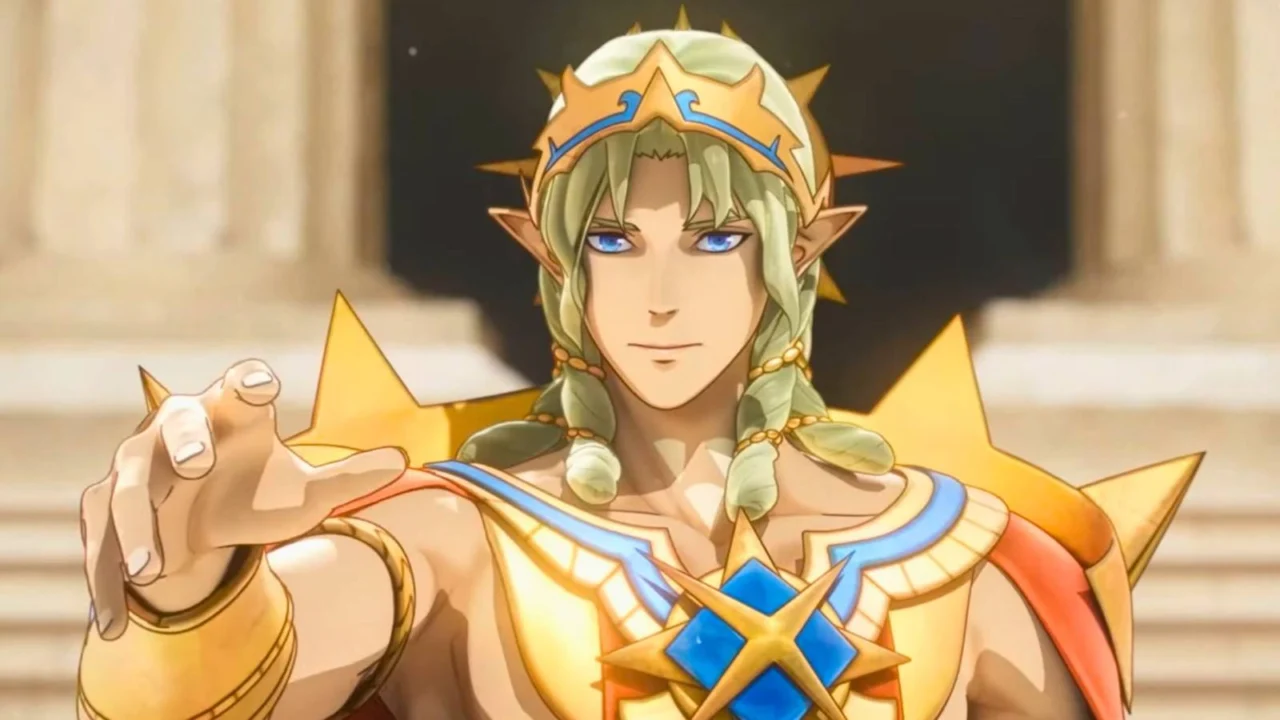
How Fire Emblem Completely Revamped a Cliché RPG Villain Twist
It is a time-honored tradition in role-playing games to introduce a shadowy antagonist who has been orchestrating events from behind the scenes. Typically, this figure is a malignant otherworldly entity harboring a deep disdain for humanity. Following a lengthy monologue regarding free will, your party must ultimately triumph over them using the enduring strength of camaraderie, legendary blades, and stylized defensive attire.
Fire Emblem: Fortune’s Weave embraces this classic narrative convention, yet its abruptly introduced villain is so brilliantly detestable that the execution succeeds brilliantly. After the tranquil pacing of gift-giving and relationship-building in Act 1, the second act abruptly pulls the rug out from under the player. It serves as a compelling reminder that established storytelling tropes persist for good reason: when crafted with care, they remain immensely rewarding.
Spoilers ahead for Act 2 of Fire Emblem: Fortune’s Weave.
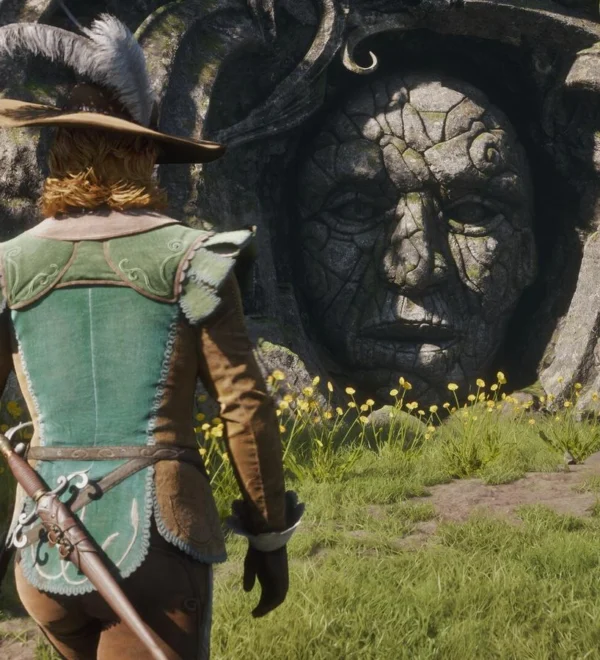
To embark upon Act 2—subtitled the War Arc—players must interact directly with the Strife Obelisk. While most will encounter this milestone after completing at least one of the four opening routes, it is technically accessible immediately following the prologue. The narrative then resumes several months after the grand celebrations of the Heroic Games. We discover that Raksha, the enigmatic green-haired plotter concealed behind a wooden visage, has successfully awakened her father, Emperor Dagda, following half a millennium of dormancy. To put it mildly, he is far from a benevolent ruler.
Dagda dispenses with any pretenses of fairness or justice, making Edelgard from Three Houses look remarkably virtuous by comparison. Upon his return, he wastes no time executing his own son, Solel, before declaring a total war of annihilation against Saramis—the southern territory that serves as home to much of the game’s diverse population. Furthermore, he commands that Dagsion’s cherished arena be dismantled to make way for his monolithic “cauldron.” The vibrant capital city quickly descends into an oppressive dystopia where imperial patrols routinely harass everyday citizens, confiscating resources and currency to feed their tyrannical master.
Dagda’s relentless extremism eventually alienates several key imperial allies, who promptly desert to reinforce Theodora’s faction on the Saramis front. Following consecutive tactical setbacks against the resistance, Dagda determines that the most pragmatic solution is to cast every single resident of Dagsion—all one million of them—into his massive cauldron. This morbid process amalgamates their physical forms and spiritual essence into a viscous substance known as flamma. Dagda consumes bowls of this soul-slurry to rejuvenate his vitality, or simply when he happens to be in a foul mood.
There are undeniable parallels between Dagda and certain contemporary political figures: overt prejudice, a casual propensity for declaring conflict, boundless self-interest, an entourage of incompetent sycophants, an infinite capacity for malice, and an exceptionally punchable visage. Does this bring anyone specific to mind? I couldn’t possibly say.
For those finding such themes too close to reality, fear not, for Dagda’s downfall arrives just as abruptly as his ascent. Intoxicated by the lives of a million fallen subjects, he mutates into a towering dragon, waiting for our protagonists atop the loftiest peak in Dagsion. He remains entirely impervious to assault—that is, until Eshmel arrives unexpectedly to deliver a decisive blow. With his defenses shattered, your party is free to overwhelm him until he finally meets his end. The satisfaction derived from this victory is immense, though the immediate emergence of a fresh threat dampens the celebration.
Within the broader framework of Fortune’s Weave—particularly if you experience multiple Act 1 pathways—Dagda’s screen time is relatively brief. Yet his sheer, unadulterated malice, coupled with the heightened difficulty and duration of these encounters, ensures every triumph feels deeply earned. Even if he ultimately steps aside for the true final antagonist, this soul-guzzling tyrant has left an indelible impression.
Hear me out
Source: Polygon
Related articles
 Microsoft Simplifies Transferring Disc Games to Digital Library on Xbox
 Control Resonant Criticizes Players Who Focus Too Much on Side Quests
 Diablo IV Update 3.2.2 to Fix Seasonal Quests, Druid Ability, and Horadric Cube
 Modder Ports 2005’s Need for Speed: Most Wanted to Nintendo Switch
 Russian Car Simulator City Car Driving 2.0 Receives New Physics and Mouse Controls
 Mortal Kombat Creator Ed Boon Asks Fans Which Fighting Game Franchise to Revive
 New Fable Runs at 60 FPS on Xbox and Can Be Completed 100% in a Single Playthrough
 PlayStation 5 Game Natively Ported to PC for the First Time Without Emulator